
I have to start by saying this: if you are dealing with any kind of leak or crack that lets water in, you absolutely should buy Flex Seal Flex Tape. This stuff has saved my sanity and my bank account on multiple occasions, turning potential disasters into minor inconveniences.
It sticks fast, seals tight, and gives you the upper hand in those unexpected moments. Trust me, keeping a roll handy is one of the smartest things you can do for your home and gear, so pick one up today and sleep easier knowing you are prepared.
My Experience With Flex Seal Flex Tape
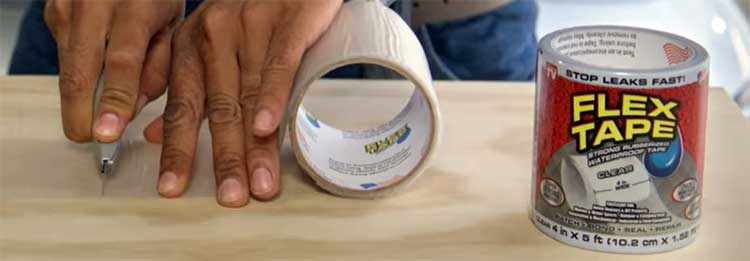
Right after I brought home my first roll of Flex Seal Flex Tape, I had the perfect chance to test it out during a nasty storm that hit my area. Water started seeping through a small crack in the basement pipe connection where the old fitting had corroded.
I grabbed the tape, scissors, and went to work without even waiting for things to dry because I knew it could handle wet conditions. I cut a generous piece about twice the size of the leak area, peeled back that protective liner carefully so the sticky side stayed clean, and then pressed it down hard right over the dripping spot.
You should have seen how the water stopped almost instantly as the adhesive grabbed hold. I smoothed it out with my hands, making sure there were no air bubbles or loose edges, and overlapped the sides for extra security.
The next morning, I checked and not a single drop had gotten through. That gave me confidence to tackle more.
Later that week, my garden hose developed a split from years of sun exposure. Instead of buying a new one right away, I wrapped the tape around the damaged section while water was still running through it.
I stretched it a bit to conform to the round shape and pressed firmly all around. It held up perfectly even when I turned the pressure up. You can feel how thick and rubbery it is, which helps it flex without cracking.
Then came the real test on my shed roof. There was a small tear from a fallen branch, and rain was pooling inside. I climbed up there, cleaned off some debris, applied a large patch of the tape over the tear and extending onto the good material around it.
I really leaned into it to activate that bond. Weeks later, after more rain and wind, the patch is still solid. No leaks, no lifting at the edges. Using this tape feels empowering because you fix problems yourself in minutes instead of stressing over pros coming out.
The way it bonds creates this seamless barrier that you can trust. I have used it on everything from a cracked plastic bin to sealing around a vent pipe, and every single time it delivers. If you have any doubt, just try it on something small first.
You will be hooked like I am now, keeping rolls ready for whatever comes up next. It turns those annoying little problems into quick wins. I even took it on a fishing trip when my boat got a small puncture from a rock.
Applied a patch right on the water, pressed for a full minute, and paddled back without any issues. The confidence it gives you in the moment is huge, and you start seeing potential fixes everywhere once you experience that first success.
Pros of Flex Seal Flex Tape
- Exceptional Adhesion That Holds Through Anything
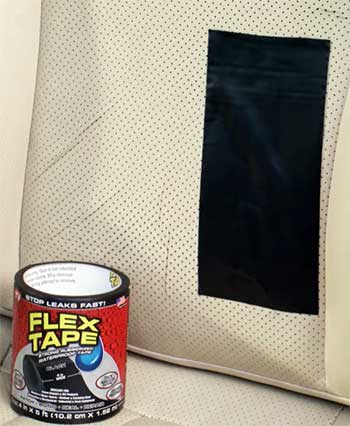
When I talk about the adhesion on this tape, I mean it really grips like no other product I have tried.
The moment you press it down, that thick adhesive seems to lock into the surface and create a bond that resists pulling apart.
I tested it by trying to peel a small sample off after 24 hours on metal, and it took serious effort without leaving the tape intact.
You will notice how it works on wet, dusty, or even slightly oily spots better than expected, though clean is always ideal.
This strength means you can use it in high vibration areas like on vehicles or machinery without worry. I remember patching a loose car bumper trim with it, and it has stayed put through highway speeds and car washes for months.
The way the adhesive activates with pressure makes you feel confident that your repair will last. For you, this means fewer failures and more reliable fixes around the house or on the go. You can rely on it for emergency situations where other tapes would slip off.
I have recommended it to friends who had similar issues with loose fittings, and they all came back saying the same thing about how strong the hold is. It is this kind of performance that makes you wonder why you did not have it sooner. You get to skip the frustration of redoing work because the bond simply holds.
- Superior Waterproofing for Real-World Leaks
Nothing beats the peace of mind from knowing water cannot get past once you apply this tape properly. I have seen it stop active leaks in pipes and roofs where other materials failed. The rubberized material forms a flexible shield that moves with temperature changes without cracking.
In my experience, patches on gutters and downspouts have lasted through entire seasons of heavy rain. You can even apply it underwater in a pinch for emergencies like boat repairs, though pressing it firmly helps the best.
It has saved my basement from flooding more than once, and you will appreciate how it keeps things dry without any special setup. The seal it creates is so complete that I have used it to patch a small hole in my kayak and paddled for hours without a drop inside.
This waterproofing aspect is what sets it apart for me because it handles moisture in ways that regular tapes cannot. You get to enjoy your activities or rest easy at home knowing the fix is holding. Over time, the bond gets even stronger, which is something I noticed after leaving a patch on for weeks.
It is perfect for those times when you need immediate results and long lasting protection from water intrusion. My friends who boat swear by it for quick hull repairs, and I see why after my own tests. You start to trust it in situations that would otherwise ruin your day.
- Incredible Versatility Across Surfaces and Projects
Flex Tape sticks to so many different materials that you will find new uses all the time. Wood, PVC, aluminum, rubber, glass – it handles them all. I repaired a torn inflatable pool float, fixed a leaking aquarium connection on plastic, and even patched fabric on a tent.
The flexibility lets it conform to curves and corners where rigid patches would not work. For you, this means one roll covers most household emergencies instead of buying specialty items. I have applied it to concrete steps with a crack, ceramic tile in the shower, and even metal on my truck bed.
Each time, the tape adapted perfectly without any special prep beyond cleaning. You can use it for indoor or outdoor, and it performs in both. This versatility saves you space in the toolbox and money because you do not need a drawer full of different products.
When I look at how it performs across so many scenarios, the thick backing and adhesive formula allow it to bond to irregular shapes and varied textures effectively. You will love pulling it out for unexpected jobs like sealing a window frame or fixing a garden tool handle.
It has become my go-to for DIY projects around the yard and garage. You end up using it in ways you never planned, and that makes it feel like a true all-rounder.
- Quick and Easy Application Without Special Skills
You do not need any experience or fancy tools to get great results. Just cut, peel, stick, and press. I love how in under five minutes I can resolve issues that would take hours otherwise. No mixing compounds or waiting for cure times like with epoxies.
The backing peels cleanly most times, and you can adjust slightly if needed before full pressure. Perfect for busy people like us who want fast fixes. I have done repairs in the dark with a flashlight because the process is so straightforward.
You feel accomplished right away, and the results show immediately. This ease is why I keep multiple rolls in different places like the car, boat, and home. You can teach kids or anyone basic use for simple fixes. The whole thing feels intuitive once you do it once, and you gain speed with each repair.
- Cost Effective Long Term Savings
While a roll costs more than basic tape, it pays for itself by avoiding big repair bills. One patch can stop thousands in water damage. I calculate that my uses have already saved hundreds compared to calling plumbers or roofers.
You get a lot of coverage from each roll, and since it lasts, you use less over time. The value is clear when you see how one purchase handles multiple issues over years. You save time too, which is priceless.
- Durability in Tough Conditions
It stands up to UV, temperature swings, and physical stress better than I anticipated. Outdoor applications on my car trailer have held for over a year now without degradation. The thick build resists punctures too.
You can trust it in hot summers or cold winters.
Also Read: Comparison of 8 mil And 15 mil Drip Tape.
Cons of Flex Seal Flex Tape
- It Is Only a Temporary Fix So Plan Ahead
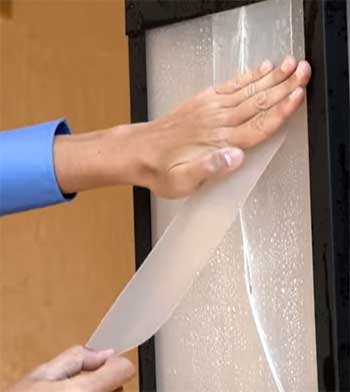
While it works amazingly well short term, you have to remember it is not forever.
In my case, after six months on the pipe, I noticed slight edge lifting from constant moisture, so I reinforced and planned the permanent repair.
You need to monitor your patches regularly, especially in high stress spots.
This means it buys you time but does not replace professional work for long term.
I learned to set reminders to inspect after heavy weather, and you should do the same to avoid surprises. It still gives you breathing room, but you cannot set it and forget it completely.
- Removal Can Be a Real Headache
Taking this tape off later is no fun. The adhesive is so strong that it can pull paint or leave sticky residue behind. I spent an hour cleaning my shed roof after replacing the patch, using solvents and scraping. You might damage the surface underneath if you are not careful.
For you, this means thinking twice before applying to visible or delicate areas where removal could create new problems. I now use it knowing that future cleanup will be part of the deal.
- Requirement for Proper Surface Prep Every Time
You cannot just slap it on dirty or greasy spots and expect perfection. I once tried on a slightly oily hose and had to redo it after it slipped. Thorough cleaning takes extra minutes, and you have to make sure the area is as smooth as possible.
This prep step is key, but it adds effort when you are in a rush. You will get better results when you follow through, but skipping it leads to frustration.
- Limitations on Specific Materials and High Pressure Uses
It does not bond well to everything. Silicone surfaces, some plastics, or heavily textured items can cause issues. I tried on a silicone gasket once and it peeled right off.
Also, high pressure lines like pressurized garden hoses under full blast are not ideal long term. You have to test and accept its limits to avoid disappointment.
Tips For Flex Seal Flex Tape
- Cleaning and Preparing Surfaces for Best Results: Always wipe the area free of dirt, grease, or debris before you start. I use a rag with mild soap and water, then dry it if possible even though the tape handles moisture. You get a much stronger bond when the surface is ready, and I have seen the difference in how long patches last. For you, spending those few extra minutes upfront prevents failures later. On rough spots like concrete, I brush off loose particles first.
- Techniques for Cutting and Positioning the Tape Effectively: Use sharp scissors or a utility knife to cut while the backing is still on. I measure a piece at least an inch larger all around the damage so edges seal well. Round the corners to stop them from catching and lifting. You position it carefully before peeling because once stuck, repositioning is tough. This simple step makes your repair look neat and perform better.
- Ensuring Firm Application Pressure to Activate the Bond: Press hard with your fingers, a roller, or even a credit card edge. I spend a full minute smoothing from the center outward to push out air and water. The more pressure you apply right away, the faster and stronger the seal becomes. You can feel the tape conform as you work it, and that gives instant feedback that you did it right. On larger patches, I walk on them if safe to really set it.
- Regular Inspection and Care for Longevity of Repairs: Check your patches every few months or after storms. I look for lifting edges or cracks and add another layer if needed. Keeping the area clean around the repair helps too. You extend the life significantly with this habit, and it becomes second nature once you start.
- Proper Storage to Maintain Adhesive Quality: Keep rolls in a cool, dry spot away from direct sun. I store mine in the garage cabinet at room temperature, and they stay sticky for years. You avoid the adhesive drying out or the backing sticking to itself by keeping them flat and protected.
- Combining with Other Products for Enhanced Performance: Sometimes I prime with a compatible sealant or add a second layer for extra thick areas. This boosts the seal on tricky spots like roof valleys. You experiment a bit to find what works best for your situation.
- Knowing When to Call Professionals Instead: If the damage is structural or under high pressure, use the tape only as a stopgap and get experts in soon. I learned this the hard way with a main line crack that needed proper replacement. You protect yourself by recognizing limits.
Also Read: Is Super Tough Tape Worth It?
Comparison of Flex Seal Flex Tape With Other Brands
- Flex Tape Against Gorilla Tape
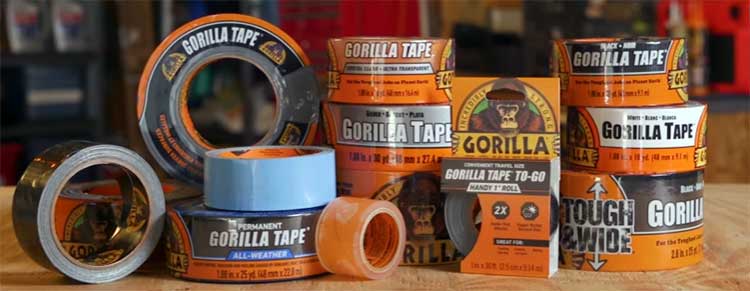
When I compare the two side by side on a leaky pipe, Flex Tape wins for creating that instant waterproof barrier because of its rubberized thickness that molds perfectly to wet surfaces.
Gorilla Tape feels tougher in sheer strength for wrapping bundles or holding heavy items, but it does not seal water as reliably in my tests. You get more length in a Gorilla roll sometimes, yet Flex Tape handles submersion better without peeling.
I used both on the same garden hose split, and Flex Tape stopped the spray completely while Gorilla slowed it but still dripped over time. For you, choose Flex Tape when water is the enemy and Gorilla when you need brute holding power on dry jobs.
- Flex Tape Versus Classic Duct Tape
Classic duct tape falls short in wet conditions compared to Flex Tape. I wrapped duct tape on a roof vent once and it failed after one rain, while Flex Tape on the same spot is still going strong months later.
Duct tape tears easier by hand and lacks the thick flexible backing that conforms without gaps. You pay less for duct tape, but you replace it more often in outdoor or moist settings.
My analytical view after multiple repairs shows Flex Tape lasts longer in challenging environments, making it worth the extra cost for critical seals.
- Flex Tape Compared to T-Rex Tape
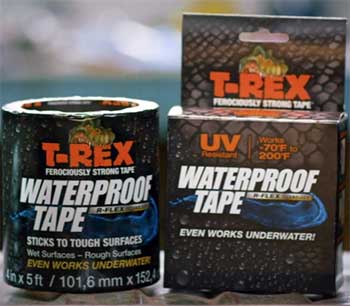
T-Rex offers similar thickness and strength, but Flex Tape edges it out on underwater application and flexibility around curves.
I tested both on a boat hull patch, and Flex Tape conformed smoother without bubbles.
T-Rex grips aggressively on dry surfaces, yet Flex Tape activates better with pressure in damp spots.
You might prefer T-Rex for general workshop use, but for leak emergencies I reach for Flex Tape every time.
Also Read: Comparison of T-Rex Tape And Gorilla Tape.
Frequently Asked Questions (FAQ)
Yes, it effectively stops leaks on suitable surfaces when applied properly.
It typically lasts from several months up to a few years in moderate conditions but check regularly as it is designed for temporary repairs.
It struggles with very oily, greasy, or dirty areas and materials like silicone, some polypropylenes, and highly plasticized surfaces.
Avoid it for permanent fixes on high-pressure systems, vehicle tires, fuel lines, or any critical structural repairs where failure could be dangerous.
Final Thoughts
So yeah, after all the fixes and tests I have put Flex Seal Flex Tape through, I keep coming back to how reliable it feels in your hands. You end up prepared for whatever life throws at your pipes, roof, or gear, and that alone makes the purchase worthwhile. Grab yours and start turning leaks into non-issues today.