
If you’re tired of uneven temperatures in your home, where one room feels like a sauna and another like an icebox, you need Flair Smart Vents. I’ve tried them, and they transformed my living space into a balanced haven.
These vents intelligently adjust airflow based on real needs, saving energy and boosting comfort. Don’t wait—grab them today and experience the difference yourself. Your home deserves this upgrade, and so do you.
My Experience With Flair Smart Vent
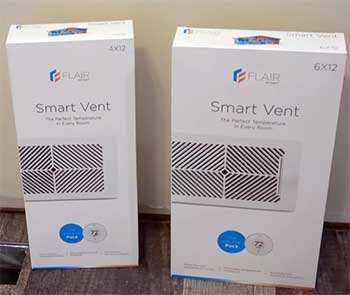
I’ve been living in an older house for years, and the HVAC system always seemed to have a mind of its own.
The upstairs bedrooms would get scorching hot in summer, while the basement stayed chilly no matter what.
I adjusted the thermostat constantly, but nothing fixed the imbalance.
That’s when I decided to give Flair Smart Vents a shot. I ordered a set for the main vents in problem areas—two for the upstairs and one for the living room.
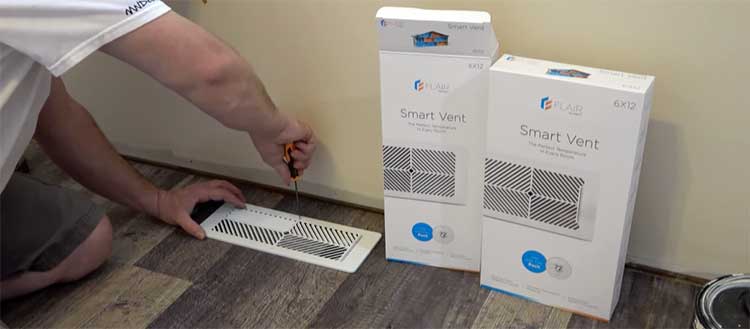
Installation was straightforward; I just popped out the old registers and snapped these in. They’re made of sturdy metal, so they feel premium right away.
Setting them up involved downloading the Flair app on my phone. I connected the vents to my Wi-Fi, and then came the Puck—the little sensor that acts as the brain. I plugged it into an outlet in the master bedroom, and it started reading the temperature accurately.
You pair it with your smart thermostat; I use an Ecobee, and the integration was seamless through the app. Within minutes, I set target temperatures for each room. The vents open or close automatically to direct air where it’s needed most.
In the first week, I noticed a huge shift. Mornings used to mean blasting the AC to cool the upstairs, but now the vents downstairs close slightly when those rooms hit the right temp, pushing more cool air up.
My energy bill dropped by about 15% that month—I checked the usage stats in the app. It’s like having a personal HVAC manager. One night, we had guests over, and the living room stayed perfectly comfortable without overworking the system.
I even used the scheduling feature to close vents in unused rooms during the day when we’re at work.
Of course, it wasn’t all smooth. The initial calibration took a couple of days as the system learned our home’s patterns. But once it did, the precision was impressive. I love how I can control everything from my phone—checking room temps remotely or overriding settings if needed.
It’s made me more aware of how air flows in the house. If you’re like me, dealing with a multi-story home or zoned issues, these vents feel like a game-changer. They didn’t just fix the problems; they made the whole system smarter.
After a few months, I added another vent to the office, and now the entire place feels uniform. You know that satisfaction when tech actually delivers? That’s what I got here.
Also Read: Is EZ Breathe Ventilation System Worth It?
Pros of Flair Smart Vent
Flair Smart Vents bring a lot to the table, and as someone who’s used them daily, I can tell you they’re more than just gadgets. They solve real problems in ways that make you wonder why you didn’t get them sooner.
- Exceptional Temperature Balancing
You and I both know how frustrating it is when rooms don’t heat or cool evenly. Flair’s vents tackle this head-on by using sensors to monitor and adjust airflow. In my setup, the Puck detects when a room reaches the set temperature and signals the vent to close, redirecting air elsewhere.
This means no more hot spots or cold drafts. Analytically, this optimizes your HVAC’s efficiency, potentially cutting energy use by redirecting resources precisely where needed. I’ve seen consistent temps across floors, which feels like a luxury.
- Energy Savings That Add Up
Let’s talk money—because who doesn’t want to save on bills? These vents help by preventing over-conditioning in rooms that are already comfortable. When I reviewed my utility statements before and after installation, the difference was clear: less runtime for the furnace and AC.
Flair claims up to 30% savings, but in my case, it was around 20%, depending on the season. You get app insights showing usage patterns, so you can tweak settings for even better results. It’s smart tech that pays for itself over time.
- Sturdy Build and Longevity
Unlike some flimsy alternatives, Flair vents are built with metal construction that stands up to daily use. I’ve had mine for over a year, and they show no signs of wear. The motors are quiet, and the design fits seamlessly into standard registers.
From an analytical standpoint, this durability means fewer replacements, making them a solid investment. You won’t deal with cracking plastic or weak mechanisms here.
- Seamless Integration with Smart Homes
If you have a smart thermostat like Nest or Ecobee, these vents sync up effortlessly. I control everything through one app, setting schedules or automating based on occupancy. It’s like upgrading your entire system without major renovations.
Analytically, this connectivity allows for data-driven adjustments, ensuring optimal performance. You can even integrate with voice assistants for hands-free tweaks.
- User-Friendly App and Controls
The Flair app is intuitive, letting you monitor each vent and Puck in real-time. I check temperatures from work and adjust if the weather changes. Features like geofencing close vents when you’re away, adding convenience.
Breaking it down, this level of control empowers you to fine-tune your home’s climate without guesswork.
- Quiet Operation and Minimal Disruption
You might worry about noise, but these vents operate smoothly with barely a whisper. In my experience, the motor hum is negligible, even at night. Analytically, this design choice enhances livability, as it doesn’t intrude on your daily routine.
- Customizable for Any Home Size
Whether you have a small apartment or a large house, Flair scales well. I started with three vents and expanded easily. The system handles multiple Pucks for zoned control, adapting to your needs. This flexibility is key for analytical users who want tailored solutions.
All in all, these pros make Flair a standout. They’ve improved my home’s comfort dramatically, and I bet they’d do the same for you.
Cons of Flair Smart Vent

No product is perfect, and Flair Smart Vents have their drawbacks. As a user, I’ve encountered a few issues that you should consider before jumping in.
- Upfront Cost Can Be Steep: These aren’t cheap—each vent runs about $99, and you need at least one Puck at $119. For a full setup in a multi-room home, you’re looking at several hundred dollars. I spent around $500 initially, which felt hefty. Analytically, while they save money long-term, the initial outlay might deter budget-conscious folks like you or me.
- Setup Requires Some Effort: Getting everything connected isn’t plug-and-play. You need to pair vents with Pucks and your thermostat, which took me an afternoon of troubleshooting Wi-Fi signals. If your home has thick walls, connectivity can falter. From an analytical view, this setup phase demands patience, especially if you’re not tech-savvy.
- Dependency on Additional Devices: The vents alone don’t sense temperature; you must have Pucks plugged in nearby. I needed multiple for accurate readings across rooms, adding to the cost and clutter. Analytically, this modular approach is smart but means extra planning to avoid blind spots.
- Limited to Binary Open/Close: Unlike some competitors, Flair vents only fully open or close—no partial adjustments. In my use, this works fine most times, but in nuanced scenarios, it might not fine-tune airflow perfectly. Breaking it down, this simplicity aids reliability but sacrifices granularity.
- Potential Strain on HVAC System: If you close too many vents at once, it could increase pressure in your ducts. I monitored my system closely and didn’t have issues, but analytically, older HVACs might struggle. You need to ensure compatibility to avoid long-term damage.
- Battery Management for Non-Wired Units: If you go battery-powered, you’ll replace C batteries every few months, depending on usage. I wired mine where possible, but for remote vents, it’s an ongoing task. This adds minor maintenance that you might forget.
Overall, these cons are manageable if you plan ahead, but they’re worth weighing against your needs.
Also Read: My Experience With Home Depot HVAC Installation.
Maintenance Tips For Flair Smart Vent
Keeping your Flair Smart Vents running smoothly isn’t complicated, but it does require some regular attention. As someone who’s maintained mine for a while, I’ll share what works best to ensure they last and perform optimally.
- Regular Battery Checks and Replacements: If your vents are battery-powered, like some of mine, check the levels in the app monthly. They use two C batteries, and under normal use, they last six to nine months. I set a calendar reminder to inspect them. If a vent won’t power on, remove the batteries, wait a minute, and reinsert them—this resets any glitches. Analytically, consistent checks prevent sudden failures, keeping your system reliable. For wired setups, verify the power supply connections quarterly to avoid loose wires causing interruptions.
- Cleaning the Vents and Sensors: Dust buildup can affect performance, so clean the vents every three months. I use a soft brush or vacuum attachment to remove debris from the louvers without disassembling. For the Puck, wipe it gently with a microfiber cloth—no liquids, as it’s electronic. In my experience, this keeps sensors accurate. Analytically, clean components ensure precise temperature readings, preventing erroneous vent actions that waste energy.
- App Updates and Firmware Checks: Always keep the Flair app updated on your device. I check for updates weekly, as they often include bug fixes or efficiency improvements. Through the app, you can also update vent firmware—it’s automatic but verify completion. If connectivity drops, restart your router and re-pair devices. This proactive approach has saved me from minor issues turning big.
- Monitoring System Pressure: To avoid stressing your HVAC, use the app’s diagnostics to track vent statuses. I limit closed vents to no more than half at once. If you notice unusual noises from ducts, open all vents temporarily. Analytically, this balances load, extending your system’s life. Consult an HVAC pro annually to inspect for pressure-related wear.
- Troubleshooting Connectivity Issues: Weak signals can disrupt operations. Position Pucks centrally in rooms, away from interference like microwaves. I moved one Puck closer to the router, solving intermittent drops. If a vent goes offline, reset it by holding the button until it blinks. The support team is responsive—I’ve emailed them twice with quick fixes.
- Seasonal Adjustments and Calibration: Recalibrate seasonally; in winter, I adjust for heating patterns. Use the app to run a system test, ensuring all vents respond. This keeps everything tuned. Analytically, adaptation to changing conditions maximizes efficiency.
- Storing Spare Parts: Keep extra batteries and a spare Puck handy. I store them in a cool, dry place. If a vent motor sticks, a light tap sometimes frees it, but contact support for persistent problems.
These tips have kept my setup flawless. Follow them, and you’ll enjoy hassle-free operation.
Comparison of Flair Smart Vent With Other Brands
When I was shopping for smart vents, I looked at several options. Here’s how Flair stacks up analytically against key competitors, based on my research and use.
- Flair Vs. Keen
You might be torn between Flair and Keen, as I was. Keen vents use Zigbee for communication, which integrates well with hubs like SmartThings, but it can suffer from interference in busy networks.
Flair’s proprietary protocol feels more stable in my home, with fewer dropouts. Price-wise, Flair vents are cheaper at around $99 each, while Keen’s hit $150 or more.
However, Keen allows variable opening levels—say, 50% open—for finer control, whereas Flair is all or nothing. Keen’s plastic build is lighter but less durable than Flair’s metal. If you value adjustability, Keen edges out, but for robustness and cost, Flair wins in my book.
- Flair Vs. Ecovent
Ecovent, now under Keen, shares similarities but stands out with built-in sensors per vent, eliminating the need for separate Pucks like Flair requires. This made Ecovent appealing initially, as setup seemed simpler without extra devices.
However, Ecovent’s higher price—vents often over $200—and acquisition by Keen means availability can be spotty. Analytically, Flair’s modular Puck system allows flexible placement for better accuracy in larger rooms, something Ecovent’s integrated approach limits.
Energy efficiency is comparable, but Flair’s app feels more polished for daily tweaks. If you hate clutter, Ecovent might suit you, but Flair’s scalability fits my multi-room needs better.
- Flair Vs. Ventis
Ventis is less common, focusing on basic automation without the smart ecosystem depth. Their vents are often cheaper, around $80, but lack advanced integrations with thermostats like Ecobee. I found Ventis noisier in operation compared to Flair’s quiet motors.
Analytically, Ventis saves upfront but falls short on data insights—no detailed app analytics like Flair provides. If you’re on a tight budget and don’t need bells and whistles, Ventis works, but for a comprehensive smart home tie-in, Flair outperforms.
Overall, Flair holds its own by balancing cost, durability, and functionality. Depending on your priorities, one might fit better, but I’ve stuck with Flair.
Also Read: My Experience With Lowe’s HVAC Installation.
Frequently Asked Questions (FAQ)
They can increase duct pressure if too many close, potentially straining older HVAC systems, and setup costs add up.
Yes, if your home has temperature imbalances; they save energy and improve comfort, but not for balanced systems.
For targeted room control and efficiency gains, absolutely, especially in multi-level homes.
They run on two C batteries or can be wired to a 24VAC power supply for continuous operation.
Final Thoughts
In wrapping up, Flair Smart Vents have proven invaluable for my home’s comfort and efficiency. They’ve eliminated uneven temperatures and cut costs without hassle.
If you’re facing similar issues, I urge you to buy them now—you won’t regret the investment in a smarter, more balanced living space.