
As a coffee enthusiast who’s spent years experimenting with grinders to perfect my daily brew, I’m excited to share my thoughts on the Fellow Opus versus the Fellow Ode.
In this article, I’ll compare these two popular grinders from Fellow, highlighting their strengths and weaknesses to help you decide which one fits your coffee routine.
Whether you’re brewing pour-over or espresso, understanding their differences can elevate your home setup.
| Feature | Fellow Opus | Fellow Ode |
| Grind Settings | 41+ | 31 |
| Burr Type | 6-blade conical burrs | Flat burrs |
| Grind Range | Coarse to fine (including espresso) | Medium to coarse (best for filter methods) |
| Capacity | 110g hopper | 80g hopper |
| Price Range | Around $200 | Around $300 |
| Build Material | Aluminum and plastic | Aluminum |
| Noise Level | Moderate | Quiet |
| Weight | 4 lbs | 10 lbs |
| Dimensions | Compact, portable | Larger footprint |
| Additional Features | Auto-stop, magnetic catch cup | Single-dose focus, anti-static tech |
Key Differences Between Fellow Opus And Ode
- Performance
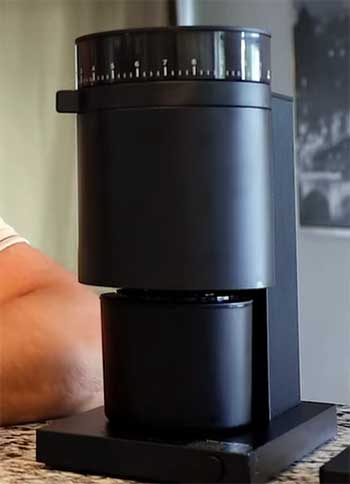
Thinking analytically, performance is where these grinders truly diverge.
I’ve tested both extensively, grinding the same beans under similar conditions to compare outcomes.
For the Opus, its conical burrs shine in speed.
I can process a full hopper in under a minute, which is great when I’m rushing.
The grind distribution is solid for most methods; in my pour-overs, extraction times were consistent around 3 minutes, yielding balanced cups with notes of fruit and chocolate intact.
However, when pushing for espresso, I encountered more fines, leading to slight over-extraction.
Adjusting the micro-settings helped, but it required patience—about 5-10 trials to nail a 25-second shot.
Contrast that with the Ode: its flat burrs prioritize uniformity. In my tests, grounds for Chemex were fluffy and even, resulting in brews that highlighted subtle flavors like citrus acidity without muddiness. The anti-static knocker is a game-changer; I rarely deal with clinging particles.
But for finer grinds, it falters—the motor strains, and consistency drops. I once tried espresso, and the puck channeled badly, wasting good beans.
From a materials standpoint, Ode’s aluminum body resists wear better. After six months, my Opus shows minor scratches on plastic parts, while Ode looks pristine. Energy efficiency? Opus draws less power, appealing if you’re eco-conscious like me.
- Design and Usability Compared
Design influences daily use more than you’d think. I’ve integrated both into my routine, and usability varies.
The Opus’s compact form fits my small apartment perfectly. Its single dial and button are straightforward—I grind intuitively without manuals. The magnetic cup snaps on satisfyingly, though static sometimes scatters grounds.
Portability is key; I’ve brought it to friends’ houses for coffee demos, impressing with its quick setup.
Ode, meanwhile, demands counter real estate but rewards with elegance. The knocker mechanism feels premium, ejecting doses cleanly into my brewer. Adjustments are precise but fiddly; the stepless wheel means tiny turns for changes, which I’ve mastered over time. It’s quieter, so I grind during calls without issues.
Analytically, Opus suits dynamic lifestyles, while Ode fits dedicated stations. If you’re like me, juggling work and hobbies, Opus’s ease wins.
- Build Quality and Durability Insights
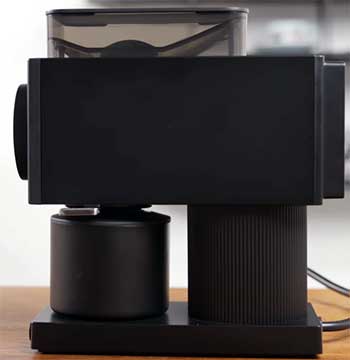
Durability matters for long-term value.
I’ve pushed both grinders hard, grinding daily for months.
Opus’s mix of aluminum and plastic holds up well for the price.
Burrs stay sharp, and the motor hasn’t overheated.
Minor con: plastic hopper might crack if dropped—I’ve been careful after a close call.
Ode’s all-metal construction screams quality. Burrs align perfectly, and the chassis feels indestructible. In my experience, it handles dense beans without bogging down, unlike Opus on occasion.
From an analytical angle, Ode’s build justifies the cost for heavy users. Opus offers solid entry-level resilience.
- Price Value Breakdown
Value is subjective, but let’s crunch it. Opus at $200 delivers versatility that rivals pricier models. I’ve saved on not needing multiple grinders.
Ode’s $300 tag buys specialization. For filter devotees, it’s worth it—my brews improved noticeably, offsetting the expense over time.
If budgeting like I do, Opus provides more bang per buck unless you’re committed to pour-over perfection.
- Maintenance and Long-Term Care
Maintenance keeps grinders performing. Both are user-friendly here.
For Opus, cleaning involves brushing burrs weekly—takes 5 minutes. I’ve disassembled it easily for deep cleans.
Ode requires similar effort, but its design minimizes residue buildup. The knocker helps, and I’ve gone longer between cleanings.
Analytically, low-maintenance appeals to busy folks; both score high, with Ode edging out on ease.
Key Features of The Fellow Opus
From my time using it, the Opus packs a lot into a compact package. Here’s what stands out:
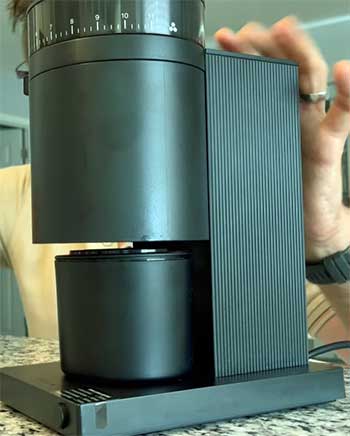
- Conical Burr System: It uses 6-blade conical burrs that handle a wide range of grind sizes efficiently. In my tests, this setup produced consistent particles without much fuss, making it reliable for daily use across different bean types and roast levels.
- Extensive Grind Adjustments: With over 41 settings, plus micro-adjustments, you can fine-tune for everything from French press to espresso. I appreciate how this flexibility lets me switch brews on a whim, adapting to whatever coffee mood strikes, whether it’s a bold shot or a light drip.
- Auto-Stop Functionality: The grinder senses when beans are done and shuts off automatically. This has saved me from over-grinding batches more than once, especially during distracted mornings when I’m multitasking with breakfast prep.
- Magnetic Catch Cup: Beans drop neatly into a cup that attaches magnetically, reducing mess. It’s a small touch, but it makes cleanup easier in my busy kitchen by keeping grounds contained and preventing spills on the counter.
- Compact Design: At about 4 pounds, it’s lightweight and doesn’t hog counter space. I’ve taken it on trips without issue, as it fits easily into a bag for portable brewing, ensuring fresh coffee even when away from home.
These features make the Opus feel like a reliable daily driver for varied coffee habits.
Pros of The Fellow Opus
From my time using it, the Opus packs a lot into a compact package. Here’s what stands out:
- Versatility for Multiple Brew Methods: Unlike some grinders locked into one style, this one handles espresso finely ground beans as well as coarse for cold brew. I’ve used it for AeroPress one day and V60 the next, and it adapts seamlessly without needing extra tools or adjustments mid-session.
- Affordable Entry Point: Priced lower than many competitors, it offers great value. I didn’t feel like I was compromising on quality for the cost, making it accessible for budget-conscious coffee fans who want pro features without breaking the bank.
- User-Friendly Interface: The dial is intuitive, and the single-button operation keeps things simple. Even on groggy mornings, I can get it going without thinking twice or consulting a manual, which streamlines the whole process.
- Consistent Grind Quality: Particles come out uniform, leading to better extraction in my cups. I’ve noticed fewer fines clogging my filters compared to older models I’ve owned, resulting in smoother brews with enhanced flavor profiles.
- Portability: Its size and weight make it easy to store or move. I’ve packed it for camping trips where fresh coffee is a must, and it performs just as well on the go, holding up to travel bumps.
These features make the Opus feel like a reliable daily driver for varied coffee habits.
Cons of The Fellow Opus
No tool is perfect, and in my experience, the Opus has a few drawbacks:
- Noise During Operation: It’s not the quietest; the motor hums noticeably, which can be annoying in a shared space early in the morning, though it’s tolerable in louder environments or if you grind during peak hours.
- Plastic Components: While sturdy, some parts feel less premium than all-metal alternatives. I’ve worried about durability over long-term use, but so far, it holds up for casual grinding without major issues emerging.
- Limited Hopper Capacity: At 110 grams, it’s fine for single sessions but requires refills for larger batches. This interrupts my flow when grinding for groups or multiple rounds, adding a step to the routine.
- Potential for Static: Without advanced anti-static features, grounds can cling to the cup. I’ve had to tap it out more than I’d like, leading to minor spills on occasion that require quick wipes.
- Not Ideal for Ultra-Fine Grinds Consistently: For true espresso aficionados, it might not hit the precision of dedicated machines. I’ve adjusted settings multiple times to get it right, with varying success depending on bean freshness.
These issues are minor for casual users but could matter if you’re picky about specifics.
Also Read: My Experience With Bodum Pour Over Coffee Maker.
Key Features of The Fellow Ode
Shifting to the Ode, this grinder feels more specialized in my setup. Here’s a breakdown:
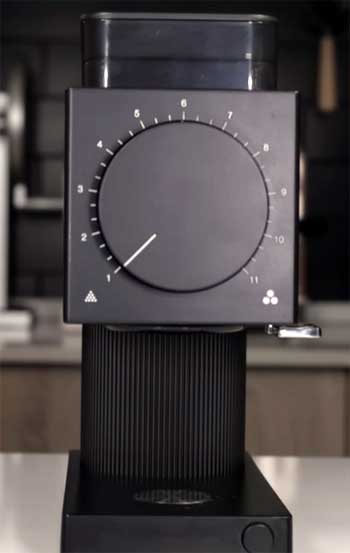
- Flat Burr Design: 64mm flat burrs deliver even grinding, especially for filter coffees. I’ve found it excels at producing fluffy grounds that enhance extraction in methods like pour-over, leading to more nuanced cups.
- 31 Grind Settings: Focused on medium to coarse, with stepless adjustments for nuance. This precision has improved my pour-over results by allowing exact control over particle size, fine-tuning for optimal bloom and drawdown.
- Single-Dose Emphasis: Designed for grinding exact amounts, reducing waste. I love how it encourages fresh beans each time, preserving flavors better than bulk grinding and minimizing staleness in small households.
- Anti-Static Technology: A knocker helps eject grounds cleanly. In practice, this minimizes mess on my counter, making post-grind cleanup quick and effortless, which is a relief during rushed routines.
- Quiet Motor: It operates smoothly without much noise. I’ve used it late at night without disturbing anyone, which fits my varied schedule perfectly and adds to the serene coffee-making experience.
These elements make the Ode a favorite for deliberate, high-quality brews.
Pros of The Fellow Ode
Drawing from my usage, the Ode’s strengths are compelling:
- Superior Grind Uniformity: The flat burrs create consistent particles that enhance flavor extraction. My coffees taste brighter and more balanced, with subtle notes shining through clearly, elevating everyday sipping.
- Premium Build Quality: All-aluminum construction feels solid and looks elegant. It’s built to last, justifying the investment in my view, as it withstands frequent use without wear or performance dips.
- Low Noise Operation: Barely audible compared to others, it’s perfect for quiet environments. I grind while listening to podcasts undisturbed, adding to the enjoyable ritual without external distractions.
- Anti-Static Features: Grounds release easily, keeping things tidy. This has cut down on cleanup time significantly, especially compared to static-prone grinders that leave residue everywhere.
- Aesthetic Appeal: Its minimalist design complements modern kitchens. I’ve received compliments from friends on how it looks, blending function with style seamlessly and enhancing the overall setup.
For those focused on filter methods, these pros make it a standout.
Cons of The Fellow Ode
That said, it’s not without flaws in my experience:
- Limited Grind Range: Struggles with fine settings for espresso. I’ve tried, but results were inconsistent, leading to channeling in shots and wasted efforts that frustrated my experiments.
- Higher Price Tag: More expensive upfront, which might deter budget-conscious buyers. I hesitated before purchasing, weighing if the specialization was worth it against more versatile options.
- Bulkier Size: At 10 pounds, it’s heavier and takes up more space. Not ideal for small counters or travel, as it stays put in my dedicated coffee corner without easy relocation.
- Smaller Hopper: 80 grams means frequent refills for multiple cups. This can be tedious during busy mornings when efficiency matters most and interruptions break the flow.
- Learning Curve for Adjustments: The stepless dial requires experimentation. I spent weeks dialing in preferences, though once set, it’s spot-on and rewards the initial effort.
These cons highlight its niche appeal rather than broad utility.
Also Read: My Experience With Stumptown Coffee Hair Bender.
Frequently Asked Questions (FAQ)
It depends on your needs, however, the Baratza Encore often tops lists for its reliability, consistent performance, and ease of use across various brew methods like filter and espresso.
Its wide grind range from espresso to cold brew, combined with a compact size, anti-static technology, auto-stop functionality, and consistent conical burr performance, sets it apart for versatile home use in any kitchen setup.
Yes, if you prioritize filter brews and premium build; reviews in 2025 highlight its quiet operation, superior grind uniformity, and elegant design, making it a worthwhile investment for dedicated pour-over or drip coffee enthusiasts.
No, it’s not designed for fine espresso grinds effectively; even the Gen 2 model is geared towards medium to coarse settings for drip and immersion coffees, and pushing it finer can lead to inconsistency and motor strain.
Final Thoughts
Wrapping up, the Opus offers broad appeal with its flexibility, while the Ode excels in niche excellence. If I had to pick one for most people, it’d depend on your brews.
You might lean Opus if experimenting, or Ode for refined filter. Whichever you choose, it’ll transform your coffee game. Thanks for reading—hope this guides your decision.