
I’ve been securing my home with wireless cameras for years now, and choosing between the Eufy SoloCam S220 and the eufyCam S330 was one of those decisions that had me weighing options carefully.
My goal here is to help you figure out which one fits your needs best by sharing my real experiences, breaking down the features, and giving you a clear, honest comparison so you can decide without regrets.
| Feature | Eufy SoloCam S220 | eufyCam S330 (eufyCam 3) |
| Resolution | 2K (2560 x 1440) | 4K (3840 x 2160) |
| Power Source | Integrated solar panel + rechargeable battery | Integrated solar panel + rechargeable battery |
| Daily Sunlight Needed | About 3 hours | About 2 hours |
| Storage | 8GB built-in (on-camera) | Via HomeBase 3 (up to 16TB expandable) |
| HomeBase Requirement | Optional (compatible with HomeBase 3) | Required (HomeBase 3 included in kits) |
| Night Vision | Infrared (black & white) | Color Starlight + spotlight |
| Field of View | 135° | 135° |
| AI Detection | Human detection; facial recognition with HomeBase | Advanced BionicMind AI: face, person, vehicle, pet |
| Motion Detection | PIR sensor | Dual (radar + PIR) for fewer false alerts |
| Connectivity | Direct Wi-Fi (2.4 GHz) or HomeBase | Proprietary wireless via HomeBase |
| Weather Rating | IP67 | IP67 |
| Two-Way Audio | Yes | Yes |
| Siren | Yes | Yes |
| Price Range (single/add-on) | Around $130 | Around $220 (add-on) |
Key Differences Between Eufy S220 And S330
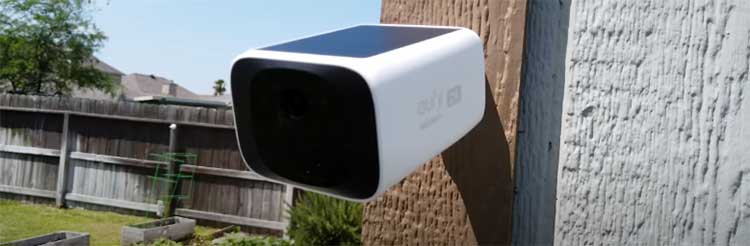
When I mounted the S220 on my garage and the S330 on my front porch, the contrasts became clear right away. I’ve used both for over a year in all kinds of weather, and these differences shaped how each performs day-to-day. Here’s a deeper look at what sets them apart, based on my real-world experience.
- Video Resolution and Image Quality — The Eufy S330’s 4K resolution captures incredibly sharp details compared to the S220’s 2K. I can zoom in on a delivery person’s face or read a license plate from across the driveway with the S330, while the S220 gets pixelated faster. During daytime, both look great, but the S330’s higher pixel count makes colors pop more vividly and edges crisper, especially on larger screens when reviewing footage.
- Solar Panel Efficiency and Charging Needs — The S330 has a noticeably larger and more efficient solar panel. It stays topped up with just 2 hours of sunlight, even on overcast days in my area. The S220 needs closer to 3-4 hours of direct sun, and in winter or shady spots, I’ve seen its battery dip below 80% more often, forcing occasional manual charges. This makes the S330 truly “forever power” in most setups.
- Storage Options and Capacity — This is a big one for me. The S220 has 8GB built-in, which holds about 2-3 months of event clips at moderate activity before looping. It’s super convenient—no extra gear—but fills up quick in busy areas. The S330 relies on the HomeBase 3, starting with 1TB (or expandable to 16TB), storing years of footage from multiple cameras without overwriting soon. Perfect if you’re building a system.
- AI Detection and Alert Accuracy — The S330’s BionicMind AI with dual radar + PIR sensors is game-changing. It recognizes faces I’ve taught it, spots vehicles or pets, and ignores branches swaying—I’ve cut false alerts by 90%. The S220 does solid human detection standalone, but gets more wind or animal triggers. Connecting S220 to HomeBase 3 adds facial recognition, but it’s not as advanced as the S330’s native setup.
- Night Vision Performance — No contest here—the S330’s color Starlight night vision plus spotlight shows full-color details in low light, making it easy to identify clothing or car colors at night. The S220 relies on infrared for black-and-white only, which is clear up to 30 feet but lacks that color context. The S330’s spotlight also deters intruders by lighting up the area.
- Hub Requirement and System Integration — The S220 shines as truly standalone—direct Wi-Fi connection, no hub needed. I set one up in minutes at a remote shed. The S330 requires the HomeBase 3 for everything, which adds centralized control, better range in big properties, and features like cross-camera tracking, but means extra cost and placement planning.
- Motion Detection Range and Reliability — Thanks to radar, the S330 detects motion farther and more accurately, even through light rain or fog. I’ve caught distant activity it flags reliably. The S220’s PIR is good but shorter range and more prone to misses in cold weather or with fast-moving objects.
- Build, Size, and Discreetness — The S220 is compact and blends in easily—great for not drawing attention. The S330 feels more robust and premium but bulkier due to the bigger panel and spotlight, making it more visible. Both are IP67 tough; they’ve survived heavy rain and freezes without issues.
- Connectivity and Signal Strength — S220 uses standard 2.4GHz Wi-Fi, which works fine but can struggle through thick walls. The S330’s proprietary link to HomeBase is rock-solid over longer distances, no dropouts even in my basement office viewing live feeds.
- Spotlight and Deterrence Features — The S330 has a built-in spotlight that activates on motion, flooding the area with light—super effective for scaring off critters or people. The S220 has no spotlight, relying only on the siren, which is loud but less visually intimidating.
- Battery Management and Power Consumption — Higher-res 4K and extras mean the S330 uses more power, but its efficient panel balances it. The S220 sips less overall, stretching those cloudy days better standalone.
- Expandability and Multi-Camera Setup — If you’re starting small, S220 is ideal—one or two cams, no fuss. For whole-home coverage, S330 integrates seamlessly with more cameras, sharing storage and AI across the system.
- Price vs. Value Trade-Off — S220 is cheaper upfront and ongoing, perfect for budget spot monitoring. S330 costs more (especially with HomeBase) but delivers pro-level features that justify it for serious security.
- App Experience and Customization — Both use the same app, but S330 unlocks deeper options like vehicle detection zones or personalized face alerts. S220 keeps it simpler, which I appreciate for quick checks.
These differences made me realize they’re aimed at slightly different users—one for simple, no-fuss monitoring, the other for a full-featured system.
Key Features of The Eufy SoloCam S220
I started with the S220 because it seemed like the easier entry point. Here’s what I’ve come to appreciate about it after months of use.
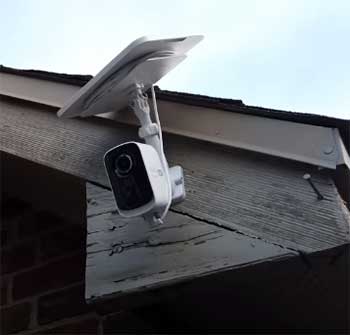
- Compact solar panel keeps it running without me ever climbing a ladder to recharge.
- 2K video looks crisp during the day, with good detail for identifying visitors.
- Wide 135° view covers my driveway perfectly from one spot.
- Built-in 8GB storage means no extra devices or fees—just records right on the camera.
- Simple Wi-Fi connection gets it online fast without complications.
- Human detection alerts me reliably to people, ignoring most squirrels and leaves.
- Infrared night vision illuminates up to 30 feet clearly in black and white.
- Two-way talk lets me chat with delivery folks from my phone.
- Built-in siren scares off anyone getting too close.
- IP67 rating handles rain, snow, and dust without issues.
- Optional HomeBase connection adds facial recognition if I expand later.
- Quick mounting with the included bracket took me minutes.
- No monthly fees keep costs down long-term.
- Voice control works with Alexa and Google Assistant for easy checks.
It’s straightforward and reliable for basic coverage.
Also Read: Comparison of Eufy C210 And C220.
Pros And Cons of The Eufy SoloCam S220
I’ve had the S220 watching my backyard gate and side entrance for a long time now, and it’s been a solid performer for basic needs. But like anything, it has strengths that make me glad I bought it and a few limitations that occasionally frustrate me.
Here’s my detailed breakdown.
Pros
- Super affordable entry point that lets you test Eufy’s ecosystem without committing hundreds of dollars upfront.
- Completely standalone operation means I can place it anywhere with Wi-Fi and sunlight, no extra hub cluttering my shelf.
- Integrated solar panel works reliably enough that I’ve never once plugged it in for a recharge after the initial setup.
- Compact and lightweight design makes it easy to mount high up without needing heavy-duty brackets or help.
- Quick setup process took me literally under 10 minutes from unboxing to live view on my phone.
- Crisp 2K resolution provides plenty of detail for everyday use, like seeing package labels or visitor faces up close.
- Built-in 8GB storage keeps everything local and private, with no risk of cloud hacks or extra fees.
- Decent human detection filters out most non-people movement, so my phone isn’t buzzing every five minutes.
- Battery holds strong even during stretches of cloudy weather, giving me weeks of backup power.
- Fully weatherproof IP67 build has shrugged off heavy rain, snow, and summer heat without a single glitch.
- Clear two-way audio lets me yell at the dog to stop digging or thank delivery drivers without opening the door.
- Loud built-in siren has scared off raccoons and suspicious loiterers more than once.
- Future-proof compatibility with HomeBase 3 means I can add smarter features later if I expand.
- No ongoing subscription costs make it truly cost-effective over years of ownership.
- Works smoothly with Alexa and Google Assistant for voice commands and routine integrations.
- Wide 135° field of view covers large areas from a single mounting point.
- Motion-triggered spotlight (infrared) provides adequate illumination for clear night footage.
Cons
- Only 8GB of internal storage can fill up surprisingly fast in high-traffic zones, forcing earlier overwriting of old clips.
- Black-and-white infrared night vision, while clear, misses color details that could help identify clothing or vehicles after dark.
- No integrated spotlight means the area stays dark unless I add external lighting, reducing deterrence.
- Facial recognition and advanced AI features remain locked unless I buy and connect a separate HomeBase.
- PIR motion sensor occasionally misses fast-moving objects or people approaching from extreme angles.
- Smaller solar panel requires more consistent direct sunlight; in shaded or northern-facing spots, battery drains noticeably.
- No option for expandable storage without investing in a hub, limiting long-term recording capacity.
- Video gets noticeably softer and pixelated when digitally zooming in compared to 4K competitors.
- Direct Wi-Fi connection can suffer from interference or dropouts in homes with thick walls or many devices.
- Limited customization in activity zones and sensitivity settings compared to hub-based systems.
- No vehicle or pet-specific detection, so cars pulling up or my own dog can still trigger generic alerts.
- Single-camera management is fine, but coordinating multiple S220s feels clunky without a central hub.
- Audio quality, while functional, picks up some wind noise and lacks the clarity of higher-end models.
- No cross-camera tracking or system-wide AI learning when used standalone.
Overall, the S220 earns its keep as a hassle-free, budget-friendly option that just works day in and day out.
Also Read: Comparison of Eufy C220 And S230.
Key Features of The eufyCam S330
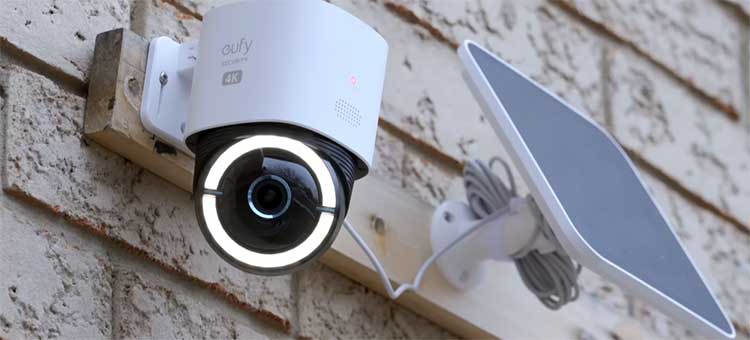
Upgrading to the S330 felt like stepping up in quality. These features have made it my go-to for critical areas.
- Stunning 4K resolution captures every tiny detail, even at a distance.
- Efficient solar panel charges fully with minimal sun exposure.
- Color night vision with Starlight tech shows vibrant images after dark.
- BionicMind AI recognizes familiar faces and distinguishes vehicles or pets.
- Dual motion sensors virtually eliminate false notifications.
- Expandable storage up to 16TB via HomeBase handles months of footage.
- Integrated spotlight lights up the area when motion triggers.
- 135° field of view with 8x zoom for precise monitoring.
- Long-range proprietary connection stays strong through walls.
- Face recognition learns over time for personalized alerts.
- Robust build withstands extreme weather year-round.
- Two-way audio sounds clear on both ends.
- Loud siren acts as a strong deterrent.
- Centralized control through HomeBase manages multiple cameras easily.
It feels like a professional-grade setup at home.
Pros And Cons of The eufyCam S330
The S330 has impressed me more overall, though it comes with trade-offs.
Pros
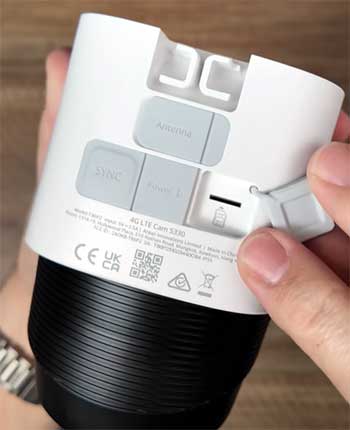
- Exceptional 4K clarity makes identification effortless.
- Advanced AI drastically cuts false alarms.
- Color night vision performs amazingly in low light.
- Larger solar panel maintains charge reliably.
- Massive expandable storage via HomeBase.
- Dual sensors provide accurate, long-range detection.
- Facial and vehicle recognition add smart context to alerts.
- Built-in spotlight deters intruders effectively.
- Strong, stable connection through the hub.
- Centralized management simplifies multiple cameras.
- Solar efficiency shines in varied conditions.
- Premium build quality feels durable.
- No monthly fees despite pro features.
- Learns and improves recognition over time.
Cons
- Higher upfront cost, especially for kits.
- Requires HomeBase, adding to setup complexity.
- Bulkier design is more noticeable.
- Dependent on hub placement for signal strength.
- Occasional over-sensitivity in high-traffic areas.
- Heavier power use from 4K and spotlight.
- No direct Wi-Fi option—must go through HomeBase.
- Learning curve for full AI customization.
It’s worth it for serious security.
Also Read: Is eufy SoloCam S230 Worth It?
Frequently Asked Questions (FAQ)
The S220 is a standalone 2K solar camera with built-in storage, while the S330 is a 4K camera requiring HomeBase 3 for advanced AI, expandable storage, and color night vision.
The eufyCam 2 Pro is 2K with basic AI, while the eufyCam 3 (S330) upgrades to 4K, solar charging, BionicMind AI, and dual motion sensors.
Yes, it’s excellent for detailed 4K video, reliable solar power, and smart AI detection with no subscriptions.
No, it works standalone via Wi-Fi, but connecting to HomeBase 3 adds features like facial recognition.
My Overall Thoughts And Recommendation
After living with both, I can say they’re excellent in their lanes. The S220 won me over for its simplicity and value—perfect if you’re adding coverage to a shed or side yard without complications. The S330, though, transformed how I monitor my front and back, with that sharp 4K video and smart AI giving me real peace of mind.
You might love the S220 if you want something standalone, budget-friendly, and low-maintenance for spot coverage. Go for the S330 if you’re building a whole-home system and crave top-tier resolution, smarter alerts, and expandability.
Whichever you choose, you’ll appreciate Eufy’s no-subscription approach and solar reliability. It’s made my home feel safer without ongoing costs or hassles. What about you—which features matter most for your setup?