
If you’re tired of coffee crashes and looking for a smoother, more sustained energy boost that also packs serious health perks, you should absolutely consider buying Encha matcha.
I’ve switched to it as my daily go-to, and the pure, vibrant flavor combined with its organic purity makes it a standout choice you’ll want in your kitchen.
My Personal Experience With Encha Matcha
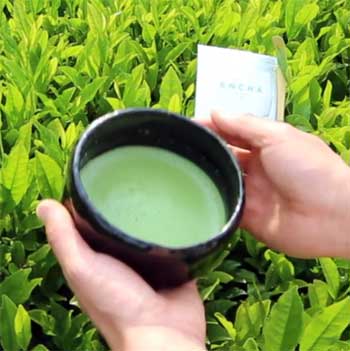
Let me take you back to when I first tried Encha.
I was skeptical at first—I’d dabbled in cheaper matcha powders from grocery stores, and they always left me disappointed with their dull color and bitter aftertaste.
But when my package of Encha ceremonial grade arrived, everything changed.
The bag was simple yet sturdy, resealable, and as soon as I opened it, that fresh, grassy aroma hit me.
It wasn’t overpowering or fishy like some others I’d tried; it was inviting, almost sweet.
I started with the traditional way: sifting a teaspoon into my bowl, adding hot water around 160°F (not boiling, to keep it smooth), and whisking with my bamboo chasen. You know that moment when the foam builds up, creamy and fine-bubbled?
That’s where Encha shines. The color was this electric, vibrant green—proof of those first-harvest leaves from their Uji farm. My first sip was smooth, with a delicate grassiness that turned into a subtle umami nuttiness. No harsh bitterness, just a clean, lingering sweetness that made me pause and savor it.
Over the weeks, I experimented more. Mornings became my ritual: a straight usucha for focus before work. The L-theanine and caffeine combo gave me this calm alertness—I’d power through emails without the jitters or afternoon slump I used to get from coffee. You feel it steadily building, like a gentle wave of energy that lasts hours.
Then came lattes. I grabbed their latte grade for mixing with oat milk, and wow. It frothed beautifully, creating that café-style creaminess at home. Iced versions on hot days were refreshing, with a tangy umami that paired perfectly without needing extra sweetener.
I even tossed it into smoothies with banana and spinach—the bold flavor cut through without overpowering.
What surprised me most was how consistent it felt. Batch after batch, the quality held up. I’ve gone through a 60g bag in about a month, drinking it daily, and noticed sharper focus, better mood stability, and even my skin seeming clearer from all those antioxidants.
It’s become that small daily luxury that sets a positive tone. If you’re like me, always seeking better ways to fuel your day, Encha makes it easy to fall in love with matcha all over again.
The Pros of Encha Matcha
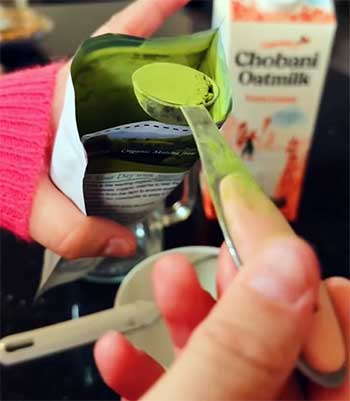
- Vibrant Color and Fresh Aroma Every single time I unzip that resealable bag, I’m hit with this intense, bright emerald green powder that screams freshness. It’s not just pretty—it’s a clear sign of high-quality, shade-grown, first-harvest leaves from their own farm in Uji. The aroma is pure and grassy, with hints of sweetness, nothing stale or off-putting. You can smell the difference right away compared to duller powders I’ve tried before.
- Smooth, Balanced Flavor Profile This is honestly what keeps me coming back daily. The ceremonial grade delivers a velvety smoothness with gentle grassy notes upfront, melting into nutty umami and a natural sweetness on the finish. There’s minimal bitterness if prepared right, making it enjoyable straight with water. Even the latte grade, designed for mixing, holds up beautifully—its bolder edge complements milk perfectly without turning harsh. I’ve made countless cups, and it never disappoints in taste consistency.
- Pure, Farm-Direct Organic Certification Knowing every leaf comes from Encha’s own organic farms in the Uji hills gives me real confidence. USDA-certified organic means no pesticides, no synthetic fertilizers—just clean, traditional growing methods. I’ve felt the benefits in my body: steadier energy, better digestion, and that overall glow from high antioxidant levels. It’s pure matcha, nothing added, which aligns perfectly with how I want to fuel myself.
- Exceptional Versatility Across Preparations You can do so much with it beyond the basics. Traditional whisked usucha? Perfection. Frothy lattes with your favorite milk? Effortless creaminess. Iced matcha on warm days? Refreshingly crisp. I’ve blended it into overnight oats, added to yogurt parfaits, even baked it into muffins where the flavor shines through subtly. The fine grind dissolves easily, no stubborn clumps, making experimentation fun and reliable.
- Calm, Sustained Energy Boost Forget coffee’s spikes and crashes—this is different. The natural caffeine paired with L-theanine creates focused, zen-like energy that builds gradually and lasts 4-6 hours for me. I’ve powered through busy workdays with clear thinking, no anxiety, and steady mood. It’s especially noticeable during stressful periods; I feel productive yet relaxed.
- Rigorous Purity Testing They test every batch for contaminants, including heavy metals, and share that none are detected at strict limits like California’s Prop 65. In a world where soil can carry traces, this transparency matters to me. I drink it daily without worry, knowing they’re committed to safety.
- Solid Value for Premium Quality For true first-harvest organic matcha from Uji, the price feels fair—especially with subscriptions discounting it further. A 60g bag lasts me a month of daily use, and the quality rivals much pricier options I’ve sampled.
The Cons of Encha Matcha
- Foil Bag Packaging Can Be Messy The resealable bag keeps things fresh, but it’s not as spill-proof as a tin. Powder sometimes sticks to the edges or puffs out when opening, leading to a little waste or countertop dust. I wish they offered tin options for that premium feel and easier scooping.
- Sensitivity to Preparation Mistakes Get the water too hot (over 175°F) or use too much powder, and bitterness creeps in quickly. The latte grade especially can turn astringent straight, which is by design for mixing but catches beginners off guard. You really need to dial in temperatures and ratios for the best experience.
- Not the Deepest Umami for Hardcore Enthusiasts While delicious and balanced, it doesn’t hit the profound, savory depth of ultra-premium single-estate matchas from specialty Japanese houses. Purists chasing intense complexity might find it solid but not transcendent.
- Occasional Stock Issues Popular sizes or grades can sell out, especially around peak seasons. I’ve had to wait or switch grades temporarily, which disrupts the routine if you’re not subscribed.
- Higher Cost for Heavy Daily Users If you’re like me and go through multiple servings a day—morning tea, afternoon latte—it adds up faster than cheaper alternatives. Still worth it for the quality, but budget-conscious folks might ration it.
- Potential for Trace Contaminants in Any Tea Like all matchas consuming whole leaves, independent tests sometimes detect low heavy metals from soil. Encha tests clean at strict limits, but if you’re ultra-cautious, rotate brands or monitor updates.
Tips For Your Encha Matcha
- Prioritize Airtight Sealing Every Time Oxygen is matcha’s biggest enemy—it oxidizes the powder, dulling color and flavor rapidly. After every scoop, press out excess air and seal the bag tightly. I even double-bag mine in a zip-lock for extra protection if I’m not finishing it quickly.
- Choose Cool, Dark Storage Spots Heat and light accelerate degradation, turning that vibrant green olive-ish. Keep it in a pantry away from the stove or windows. For peak freshness, especially in warmer climates, transfer to the fridge—but in an opaque container to block light.
- Guard Against Moisture Aggressively Humidity causes clumping and mold risk. Always use a dry spoon—never wet—and avoid storing near sinks or fruit bowls. If refrigerating, let the bag warm to room temp before opening to prevent condensation inside.
- Track Opening Date and Consume Promptly Once opened, aim to finish within 4-6 weeks for maximum vibrancy and antioxidants. I write the date on the bag and set phone reminders. The flavor drop-off after 2 months is noticeable.
- Portion Into Smaller Containers for Infrequent Use If you don’t drink daily, divide the bag into 2-3 smaller airtight jars. Keep one in use at room temp, others sealed in the fridge or freezer. This minimizes air exposure for the bulk.
- Freeze for Extended Long-Term Storage Unopened bags freeze beautifully for months without quality loss. For opened, vacuum-seal portions first. Thaw completely sealed at room temp to avoid moisture issues—I’ve kept backup bags this way for emergencies.
- Avoid Strong Odors Nearby Matcha absorbs smells easily. In the fridge, keep it far from onions, garlic, or cheese. I use dedicated tea storage to prevent any off-flavors sneaking in.
- Sift Regularly to Maintain Texture Even with good storage, fine powder can clump slightly. Sifting before each use ensures smooth whisking and that signature froth.
Following these has kept my Encha tasting fresh batch after batch. You invest in good matcha, so treat it right—it pays off in every sip.
Comparing Encha To Other Popular Matcha Brands
- Encha Versus Rishi Everyday Matcha
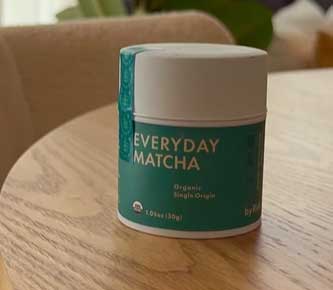
Rishi Everyday Matcha stands out as one of the most approachable and budget-friendly options on the market, especially if you’re just starting out or want something reliable for daily lattes.
It’s a blend of first- and second-harvest leaves from the Kirishima region in Kagoshima, giving it a super fine texture that whisks effortlessly and creates beautiful froth without much effort.
You get earthy, vegetal notes with a touch of natural sweetness, making it forgiving—even if your preparation isn’t perfect, it rarely turns overly bitter.
That said, when I compare it directly to Encha, the differences become clear pretty quickly. Encha’s pure first-harvest leaves from Uji deliver a brighter, more vibrant emerald color and a smoother, sweeter umami that feels more refined straight up.
Rishi can come across a bit more grassy and muted in comparison, especially in traditional usucha where Encha’s delicate nuttiness shines through without needing milk to balance it. Purity-wise, both are organic, but Encha’s farm-direct sourcing and consistent testing give me extra confidence.
If you’re watching your wallet and mostly making blended drinks, Rishi is fantastic value. But for that premium daily ritual with cleaner energy and richer flavor, Encha pulls ahead for me.
- Encha Versus Naoki Matcha
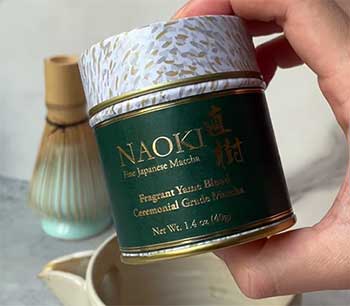
Naoki’s Superior Ceremonial Blend is another strong contender in the accessible premium category—it’s true first-harvest ceremonial grade from Uji, with a balanced profile that’s low in bitterness and great for beginners transitioning to straight matcha or lattes.
The color is vivid, the aroma fresh and grassy, and it offers subtle umami with hints of rhubarb or parsley that add nice complexity.
Many people love it for its versatility and smooth mouthfeel, plus the larger tin sizes make it practical for regular use without feeling too extravagant.
Putting it side by side with Encha, though, I notice Encha edges out in sweetness and overall refinement. Naoki is approachable and nuanced, but Encha’s single-farm organic leaves produce a creamier texture and lingering natural sweetness that makes every sip more enjoyable without any astringency creeping in.
I’ve found Naoki performs well in mixed drinks, holding its flavor against milk, but Encha’s purity and vibrancy make it my go-to for both traditional preparations and creative recipes.
Naoki is excellent if you want variety in regional blends or a slightly more affordable entry into high-quality ceremonial, but Encha’s consistency and that pure Uji umami keep it as my everyday favorite.
- Encha Versus Jade Leaf Matcha
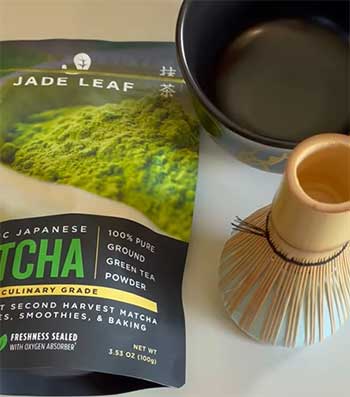
Jade Leaf has built a solid reputation for being widely available, organic, and great value—especially their ceremonial grade from Uji and Kagoshima regions.
It’s bright green, mixes easily, and works wonderfully in lattes where the earthy richness cuts through milk without needing sweeteners.
Many daily drinkers swear by it for smoothies or iced drinks, and the transparency around testing adds reassurance in a crowded market.
When I taste them head-to-head, Encha consistently feels a step above in smoothness and balance.
Jade Leaf is vibrant and reliable, but it can lean a touch grassier or bolder, sometimes requiring a bit more care in preparation to avoid bitterness.
Encha’s first-harvest purity delivers that electric color, delicate sweetness, and nutty depth that lets you savor it plain, while still performing beautifully blended. Both are farm-sourced and tested, but Encha’s direct ownership of the Uji farm translates to noticeable batch-to-batch consistency I’ve come to rely on.
Jade Leaf is perfect if you’re stocking up affordably or experimenting a lot, but for the purest, most enjoyable daily experience that replaced my coffee habit, Encha remains the one I reach for most.
Also Read: Comparison of Nespresso Pixie And Essenza Mini.
Frequently Asked Questions (FAQ)
While “best” depends on preference, many enthusiasts point to traditional Japanese brands like Ippodo for ultimate depth. For accessible, organic daily drinking, Encha consistently ranks high for its balance of flavor, purity, and value.
You get calm-focused energy from L-theanine and caffeine, high antioxidants for inflammation reduction and immunity, potential metabolism support, heart health perks, and detoxification from chlorophyll—all in a delicious package.
Yes, they conduct regular third-party tests for heavy metals, lead, and contaminants, adhering to strict standards like CA Prop 65, with results showing none detected at those limits.
Encha uses only first-harvest organic leaves from their Uji farm, ground pure without additives. Regular matcha might blend harvests, use non-organic methods, or come from varied sources, often resulting in less vibrant color, more bitterness, and potential contaminants.
Final Thoughts
If you’ve been searching for a matcha that delivers consistent quality, clean energy, and genuine enjoyment without breaking the bank, I highly recommend giving Encha a try.
It’s transformed my mornings into something mindful and energizing—you deserve that too. Grab a bag, start simple, and see the difference for yourself.