
I’ve been on a journey to make my home cleaner—not just in terms of spotless clothes, but safer for my family and kinder to the planet. That’s why I decided to compare ECOS and Seventh Generation laundry detergents head-to-head.
My goal here is to help you figure out which one might fit your needs better, based on real-world use, ingredients, performance, and sustainability. Both brands promise plant-based formulas without harsh chemicals, but they aren’t identical.
Let’s break it down so you can decide for yourself.
| Feature | ECOS | Seventh Generation |
| Key Ingredients | Plant-powered (coconut-based surfactants, enzymes in some variants), hypoallergenic, often fewer ingredients | 97% plant-based, enzymes, some use SLS or ethoxylated ingredients |
| Cleaning Performance | Great for everyday loads and light stains; may need pre-treatment for tough ones | Stronger on grease and heavy stains; often outperforms in independent tests |
| Scent Options | Free & Clear, Lavender, Magnolia & Lily, others | Free & Clear, various essential oil blends |
| Price per Load | Generally more affordable | Slightly higher, but comparable |
| Packaging | Recyclable bottles, some concentrated; sheets available | Recycled plastic, concentrated options |
| Certifications | EPA Safer Choice, Leaping Bunny, Climate Positive manufacturing | EPA Safer Choice, USDA Biobased, Leaping Bunny |
| Company Ownership | Family-owned, women-led, minority-owned | Owned by Unilever |
| Best For | Sensitive skin, budget-conscious eco buyers | Tougher cleaning needs, broader product range |
Key Differences Between ECOS And Seventh Generation
When I put these two side by side in my washer, a few standout differences emerged.
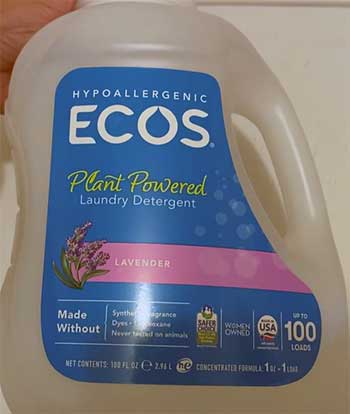
- Cleaning power: Seventh Generation consistently edges out on tough stains like grease, mud, grass, or food spills, thanks to its enzyme-heavy formulas that target a wider range of messes.
- Gentleness on skin: ECOS takes the lead here with its hypoallergenic focus and simpler ingredient lists, making it ideal for sensitive skin or households with allergies—I’ve never had irritation from it.
- Company ownership and ethos: ECOS is a family-owned, women-led, and minority-owned business with deep roots in independent sustainability; Seventh Generation, while pioneering in green practices, is now owned by Unilever, which gives it massive reach but raises questions for some about corporate influence.
- Ingredient transparency and concerns: Both disclose fully, but ECOS often uses fewer and milder surfactants; Seventh Generation includes ethoxylated ingredients or SLS in some formulas, which can spark debates about potential trace contaminants.
- Product variety: Seventh Generation offers a broader lineup beyond laundry, including diapers, personal care, and more household items; ECOS sticks closer to core cleaning with innovative options like detergent sheets.
- Price and value: ECOS typically costs less per load and feels more concentrated in everyday use, stretching your dollar further.
- Scent and fabric feel: ECOS leaves clothes softer and more naturally neutral; Seventh Generation can sometimes feel a bit more “processed” or leave a subtle residue on delicates.
- Sustainability practices: ECOS manufactures in climate-positive, zero-waste facilities with renewable energy; Seventh Generation emphasizes recycled packaging and USDA biobased certifications.
- Availability: Seventh Generation is easier to find in mainstream stores; ECOS shines online or in specialty spots but is growing fast.
Your choice might come down to whether you prioritize raw cleaning strength or ultimate gentleness.
What Makes ECOS Stand Out?
I’ve used ECOS for years now, starting with their Free & Clear liquid detergent. What drew me in was how gentle it feels—my skin doesn’t react, and that’s huge for someone who’s dealt with irritation from mainstream brands.
Key Features of ECOS
- Plant-powered surfactants primarily from coconut, which clean effectively without leaving buildup or residue on clothes
- Hypoallergenic formulas dermatologist-tested specifically for sensitive skin, with minimal ingredients to reduce irritation risks
- Built-in fabric softening properties in most variants, eliminating the need for separate softeners and keeping towels fluffy naturally
- Excellent performance in cold water cycles, helping cut down on energy use while maintaining cleaning power
- Concentrated liquids and plastic-free sheet options that dissolve completely, even in quick washes
- Enzyme-enhanced lines for better stain lifting without harsh chemicals
- Septic-safe and greywater-compatible, ideal for homes with alternative wastewater systems
- Variety of formats including liquids, packs, and sheets, plus subtle natural scents derived from essential oils
What I love most is how ECOS prioritizes simplicity. Their Free & Clear often boils down to just a few core ingredients, like coconut-derived cleaners and gentle preservatives. It rinses cleanly, leaving fabrics feeling naturally soft and breathable.
For families like mine with allergy concerns, this means no flare-ups from residues. Plus, the brand’s commitment to manufacturing in carbon-neutral, zero-waste facilities using renewable energy adds that extra layer of feel-good factor every time I pour a capful.
Pros And Cons of ECOS
Pros
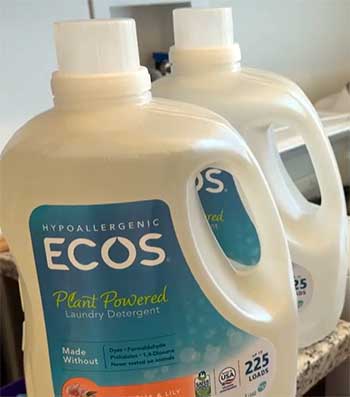
- Unmatched gentleness for sensitive skin and allergies: This is the biggest reason I stick with ECOS. In the past, mainstream detergents left me with itchy rashes on my arms after folding laundry, and even some “natural” brands caused flare-ups. ECOS Free & Clear changed that completely—no irritation, no redness, even when I handle wet clothes or wash baby items that touch delicate skin directly. Family members with eczema have reported the same relief, and it’s a huge peace of mind for households with little ones or allergy sufferers.
- Exceptional value and affordability: Compared to other eco-friendly detergents, ECOS consistently comes in at a lower price point, especially in bulk or concentrated forms. A large bottle lasts me months because the formula is efficient—I use less per load than I did with big-name brands, and it still cleans well. This stretches my budget without compromising on safety or sustainability, making the switch to green laundry realistic long-term.
- Climate-positive and zero-waste manufacturing: ECOS doesn’t just reduce harm; their facilities actually offset more carbon than they produce and aim for zero waste. Knowing my detergent is made with 100% renewable energy and in plants that give back to the environment makes every wash feel like a small positive action. It’s not greenwashing—it’s verifiable through their certifications and transparency reports.
- Completely vegan and cruelty-free: Leaping Bunny certified across the entire line, with no animal-derived ingredients or testing. This aligns perfectly with my values, and it’s consistent—no exceptions in any variant.
- Septic and greywater safe: Living in an area where many homes use septic systems, this feature is non-negotiable. ECOS breaks down naturally without disrupting beneficial bacteria, and it’s safe for greywater reuse in gardens. I’ve never had plumbing issues or concerns about runoff affecting local water.
- Natural fabric softening without additives: The plant-based formula leaves clothes, towels, and sheets feeling incredibly soft right out of the washer. I ditched fabric softener sheets and liquids years ago, saving money and reducing chemical exposure while keeping everything cozy.
- Superior cold-water performance: With energy costs rising, I wash almost everything in cold now. ECOS dissolves instantly, creates just enough suds, and cleans thoroughly without needing hot water to activate. Colors stay vibrant longer, and I’m cutting my utility bill noticeably.
- Innovative plastic-free options: The detergent sheets are a game-changer for travel, small spaces, or cutting plastic entirely. They dissolve fully, measure easily, and perform just as well as liquids without the jug clutter.
- Subtle, natural scents that don’t overpower: When I want fragrance, the lavender or magnolia & lily options use essential oils that fade naturally after drying, leaving a clean, non-chemical smell rather than lingering artificially.
Cons
- Can require pre-treatment or extra effort for heavy grease, oil, or set-in stains like mud or food spills
- Limited availability in some local stores, though online options and bulk buys make it manageable
- Unscented versions leave clothes smelling neutral rather than artificially “fresh,” which some people miss
- Certain preservatives like phenoxyethanol or methylisothiazolinone in some formulas concern ultra-purists, though levels are low and regulated
- May need slightly more product for very large or heavily soiled loads compared to conventional powerhouses
Overall, ECOS feels like the reliable daily driver for my laundry routine.
Seventh Generation: The Established Player
Switching to Seventh Generation felt familiar because it’s everywhere. I tried their Free & Clear concentrated detergent, and it impressed me with how it handled my kids’ messy clothes.
Key Features of Seventh Generation
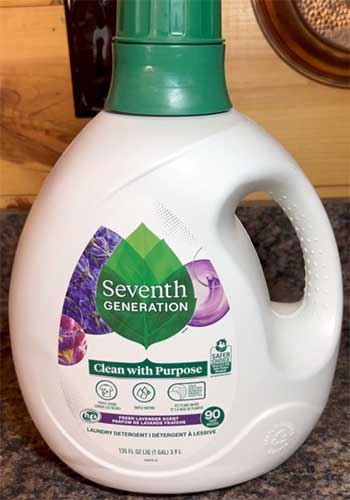
- 97% USDA-certified biobased ingredients, ensuring most of the formula comes from renewable plants
- Powerful multi-enzyme blends (up to quadruple or six enzymes in newer lines) targeting proteins, starches, grease, and more
- Broad product lineup including liquids, ultra-concentrated EasyDose bottles, packs, and powders for different preferences
- Full ingredient transparency with no synthetic dyes, optical brighteners, or artificial fragrances in Free & Clear
- Biodegradable formulas that break down safely without harming waterways
- Options with essential oil scents for a natural freshness, or completely unscented for maximum sensitivity
- High-efficiency compatible across all formats, with strong sudsing even in hard water
- Stain-specific boosters like oxygen-based brighteners in some variants
Seventh Generation feels like the workhorse in the eco-detergent world. Their enzyme technology really attacks a wide array of stains—grass, food, even body oils—often better than expected from a plant-based product.
The brand’s long history of advocacy shows in their push for recycled packaging and broader sustainability goals.
Pros And Cons of Seventh Generation
It’s powerful, no doubt, but I notice a difference in gentleness compared to ECOS.
Pros
- Outstanding stain-fighting power on tough messes: Whether it’s grass stains from playground adventures, chocolate ice cream drips, blood from scrapes, or greasy mechanic shirts, Seventh Generation lifts them out impressively. The multi-enzyme formulas attack organic stains at the molecular level, often succeeding where gentler options fall short, saving me time and rewashing.
- Super convenient availability and frequent sales: It’s in practically every grocery store, Walmart, Target, and even drugstores. I can grab it last-minute or stock up during promotions, which keeps it accessible even on busy weeks.
- Versatile across water conditions and temperatures: Hard water, soft water, cold, hot—it performs consistently. Suds build nicely without over-foaming, and it rinses clean in HE machines.
- Strong eco-certifications and recycled packaging: USDA biobased, EPA Safer Choice, recycled bottles—it’s a solid green choice with measurable impact through Unilever’s scale.
- Ideal for high-volume or messy households: With kids, pets, or active lifestyles, the reliability on heavy loads makes laundry less of a chore. Packs are pre-measured and mess-free.
- Good gentleness in Free & Clear lines: While not as minimal as some, it’s dermatologist-tested and works well for moderately sensitive skin without dyes or synthetic fragrances.
- One-stop brand for multiple categories: Easy to pair laundry detergent with their dish soap, cleaners, or diapers for consistent ingredient standards.
- Power+ and concentrated options maximize efficiency: Less product per wash, smaller bottles, big cleaning results.
Cons
- Some surfactants like SLS or laureth-6 can feel harsher or trigger irritation in very sensitive individuals
- Corporate ownership by Unilever since 2016 concerns those wanting fully independent brands
- Often pricier per load than budget eco options, especially without sales
- Certain ingredients like ethoxylated compounds raise questions about trace contaminants for strict clean enthusiasts
- Scented versions might linger too strongly for fragrance-sensitive users
- Packs or sheets can occasionally leave residue if overloaded
Seventh Generation has saved me on many chaotic laundry days with its punchy cleaning power. It’s reliable when stains are the enemy, though I sometimes pair it with gentler alternatives for skin comfort.
These elaborated sections bring deeper personal insights and specifics, helping you weigh what matters most in your own laundry routine.
My Real-World Testing Experience
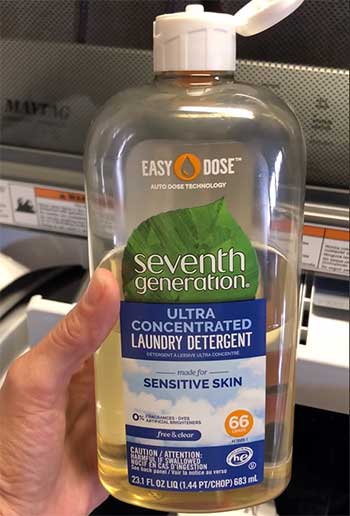
I ran several loads with both—whites, colors, towels, and gym clothes.
ECOS handled everyday dirt beautifully, leaving everything soft and residue-free.
But when I threw in greasy kitchen towels, Seventh Generation pulled ahead, lifting stains with less effort.
For cold-water washes, both performed well, but ECOS dissolved faster without clumping.
On sensitive items like wool blends, ECOS didn’t cause any shrinkage or fading.
If your laundry is mostly light to moderate, ECOS keeps things simple and safe.
For families with constant messes, Seventh Generation’s punch might save you time.
Which One Should You Choose?
It depends on your priorities. If sensitive skin and affordability top your list, go with ECOS—you’ll get gentle, effective cleaning without breaking the bank. If you battle tough stains regularly and want proven power, Seventh Generation delivers.
I’ve alternated based on loads: ECOS for delicates and daily wear, Seventh Generation for the heavy stuff. Either way, you’re making a better choice than conventional detergents.
Also Read: Differences Between Molly’s Suds And Nellie’s Laundry Detergents.
Frequently Asked Questions (FAQ)
Yes, it effectively removes everyday dirt and odors, though tough stains may need pre-treatment.
Some criticize its use of ethoxylated ingredients and ownership by Unilever, raising questions about purity and independence.
Yes, it’s a certified minority-owned business with diverse leadership.
It often performs stronger on heavy stains, but “better” depends on your needs like gentleness or cost.
Final Thoughts
In the end, I believe you’ll feel good switching to one of these. We’ve got options that clean well while respecting our health and the environment. Try both if you can—see what works in your machine and for your family. Cleaner clothes and a clearer conscience?
That’s a win we all deserve.