
If you’re tired of ordinary flooring that lacks character or harms the environment, you really should consider Eco Forest bamboo flooring. I installed it in my home two years ago, and it has been one of my best decisions.
It’s sustainable, looks stunning, holds up well to daily life, and doesn’t cost a fortune. You get premium style without the guilt or the hefty price tag—trust me, you’ll love stepping onto it every day.
My Experience With Eco Forest Bamboo Flooring
When I decided to replace the worn-out carpet in my living room and kitchen, I wanted something that felt warm, looked modern, and aligned with my values. I spent weeks researching options, and Eco Forest bamboo kept coming up for its balance of affordability and quality.
I ordered samples from Floor & Decor, and the moment I unboxed them, I was hooked. The stranded bamboo construction felt solid, the wire-brushed texture added depth, and the color options—like the rich mocha tone I chose—had that natural grain that makes a space feel alive.
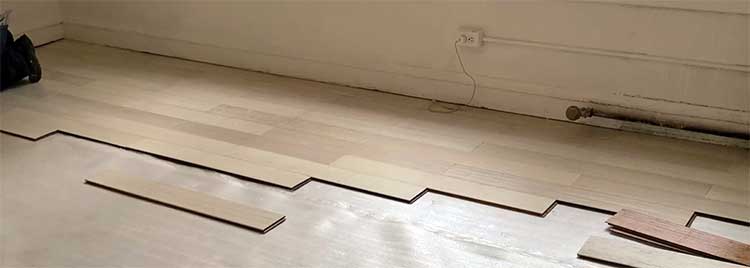
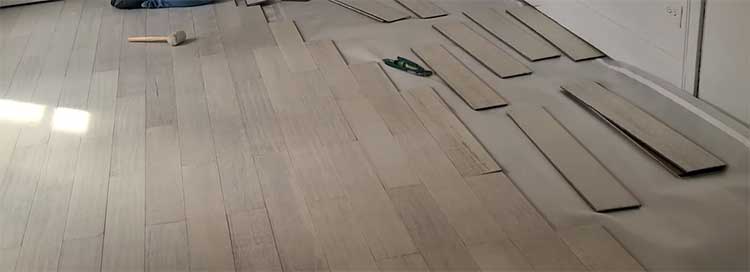
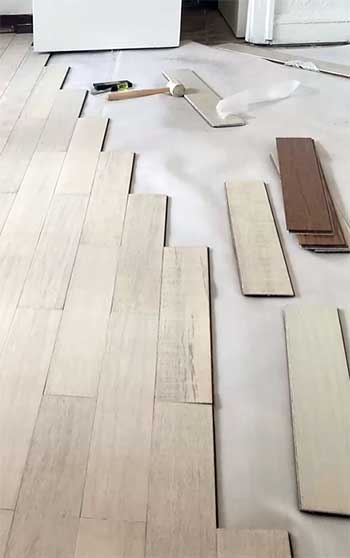
Installation day was exciting. I hired professionals because I wanted it done right, and they used the locking system, which clicked together smoothly. The whole process took just two days for about 800 square feet.
No glue mess, no fumes—just clean, straightforward work. As soon as it was down, the transformation hit me. My open-plan area suddenly felt bigger, brighter, and more cohesive. The matte finish diffused light beautifully, hiding minor imperfections while showing off the subtle bamboo patterns.
Living with it day-to-day has been even better than I expected. I have a lively dog who zooms around, and we host friends often. You know those moments when someone drops a fork or a toy hits the floor? I braced for dents at first, but they rarely happen.
The hardness of stranded bamboo really shines here. Spills from coffee or wine wipe up instantly without staining. I remember one evening when my kid spilled juice across the kitchen—panic mode—but a quick towel blot and it was gone, no trace.
What surprises me most is how comfortable it feels underfoot. It’s not cold like tile, not soft like carpet that traps dirt. In summer, it stays cool; in winter, it warms up quickly with rugs. The acoustics changed too—the room feels quieter, less echoey.
Guests always comment on how elegant it looks, asking what it is. When I say it’s bamboo from Eco Forest, they’re impressed by the eco angle and the price point.
Of course, it’s not flawless—no flooring is. I’ve noticed a few light scratches from dragging furniture without pads, but they blend into the textured finish. Overall, after two years of real family use, it still looks almost new.
I catch myself admiring it sometimes, thinking how much personality it adds to our home. If you’re on the fence, I say go for it. You’ll get that satisfying feeling of choosing something responsible that also elevates your space.
Also Read: Is Mohawk SolidTech Plus Worth It?
The Outstanding Pros of Eco Forest Bamboo Flooring
I want to talk about what makes Eco Forest stand out, because the benefits keep revealing themselves the longer I live with it.
- Exceptional Sustainability You Can Feel Good About
You and I both know how important it is to make greener choices these days. Eco Forest sources bamboo that grows incredibly fast—ready to harvest in just a few years, unlike hardwoods that take decades. That means less deforestation pressure.
I love knowing my floors come from a renewable resource without compromising quality. The manufacturing process uses fewer chemicals than some alternatives, and the brand emphasizes responsible practices. Every time I walk across my floors, I feel like I’m doing something positive for the planet.
- Impressive Durability for Real Life
Stranded bamboo is woven under intense pressure, making it tougher than many traditional options. Eco Forest’s version scores high on the Janka hardness scale, often beating out oak. In my home, it handles high traffic without wearing down.
My dog’s nails click but don’t gouge, and moving chairs hasn’t left major marks. You drop something heavy? It might dent slightly, but far less than softer woods. I’ve seen it hold up through parties, kids playing, and everyday chaos. It’s resilient in ways that make me confident it’ll last for years.
- Beautiful Aesthetics That Transform Any Room
The visual appeal is where Eco Forest truly shines. The natural grain patterns create movement and warmth that photos don’t capture. I chose a hand-scraped, wire-brushed finish, and it adds rustic charm while feeling contemporary.
Colors range from light natural tones to deep mocha, so you can match any decor. In my space, it makes the room feel inviting and upscale. Light bounces off it softly, hiding dust better than darker floors. You know that “wow” factor when you enter a well-designed home? This flooring delivers it consistently.
- Straightforward Installation and Great Value
The click-lock system makes installation faster and cleaner than glue-down options. My installers finished quickly, and the cost stayed reasonable. Compared to premium hardwoods, Eco Forest gives you similar looks and performance for much less.
You’re not paying for brand hype—just solid product. That value extends to long-term savings too, since it doesn’t need frequent refinishing like some woods.
- Comfort and Practical Everyday Benefits
Underfoot, it’s pleasant—not too hard, not too soft. It regulates temperature well, staying cool in heat and cozy with area rugs. Acoustically, it absorbs sound better than tile, making conversations clearer without echoes.
Hypoallergenic properties mean less dust trapping, which I’ve noticed helps with allergies in our house. These little things add up to a floor that enhances daily living.
The Honest Cons of Eco Forest Bamboo Flooring
No product is perfect, and I want to be upfront about the drawbacks I’ve encountered or heard about.
- Vulnerability to Moisture Issues: Bamboo naturally absorbs water more than some materials. In humid climates or spill-prone areas, you have to be vigilant. I’ve been careful in my kitchen, wiping spills immediately, and haven’t had problems. But if moisture gets trapped underneath or humidity swings wildly, cupping or bubbling can occur. It’s not ideal for basements or full bathrooms without extra precautions.
- Prone to Scratches and Dents in High-Abuse Scenarios: While durable overall, fine scratches can appear from grit, pet nails, or dragging items. I use felt pads and rugs in traffic zones, which helps tremendously. Heavy drops can dent it more than hardest woods. You have to adopt some habits, like no shoes indoors, to keep it pristine.
- Limited Refinishing Options: Unlike solid hardwood, engineered bamboo like some Eco Forest lines has a thinner wear layer. You might refinish once or twice, but not repeatedly. That means when it eventually wears, replacement is the route. In my case, with proper care, I don’t see that happening soon.
- Color and Style Variety Constraints: While options exist, they’re not as vast as laminate or vinyl. If you want ultra-modern gloss or exotic patterns, you might look elsewhere. The natural bamboo look is gorgeous, but it has a specific vibe.
These cons are manageable with awareness, and for me, the pros far outweigh them.
Also Read: Is Quick-Step Flooring Worth It?
Tips For Keeping Your Eco Forest Bamboo Flooring Beautiful
Taking care of these floors is straightforward, but consistency is key. Here’s what I’ve learned works best.
- Daily Sweeping and Dust Control: I sweep or vacuum daily with a soft-brush attachment. It prevents grit from grinding in and causing scratches. You want to remove dirt before it gets tracked around. A quick pass takes minutes but preserves the finish.
- Weekly Damp Mopping Routine: Once a week, I use a microfiber mop lightly dampened with a pH-neutral cleaner made for wood or bamboo. No soaking—the key is minimal water. I spray the cleaner on the mop, not the floor, and go with the grain. It picks up residue and restores shine without streaking.
- Immediate Spill Management: Spills happen, right? Blot them right away with a soft cloth. Don’t let liquid sit, as it can seep into seams. For sticky messes, a damp cloth followed by dry wipe works perfectly. I’ve handled wine, juice, even pet accidents this way with no staining.
- Preventing Scratches and Dents Proactively: Felt pads on furniture legs are non-negotiable. I added them everywhere and refresh as needed. Area rugs in entryways and high-traffic spots trap dirt. No high heels or rough shoes indoors. For my dog, regular nail trims help. These habits have kept my floors looking fresh.
- Humidity and Climate Control: I keep indoor humidity between 40-60% with a humidifier or dehumidifier as seasons change. It prevents expansion or contraction issues. In dry winters, a humidifier makes a difference; in humid summers, AC helps.
- Deep Cleaning and Polish Occasionally: Every few months, I use a bamboo-specific cleaner for deeper refresh. Avoid steam mops—they add too much moisture. For scuffs, a magic eraser gently does the trick. No wax, oil, or harsh chemicals—they can damage the factory finish.
- Long-Term Protection Strategies: UV rays can fade floors, so I use curtains or blinds during peak sun. Rotating rugs prevents uneven wear. If a plank gets damaged, the floating system allows spot replacement in many cases.
Following these steps, my floors still glow like new. It’s low-effort maintenance that pays off big.
More Thoughts On Living With Eco Forest Bamboo
Let me expand on why this flooring fits modern life so well. You walk into my home now, and the floors set the tone—warm, natural, grounded. The bamboo grain catches light differently throughout the day, creating subtle shifts that keep the space feeling alive.
In the morning, with coffee in hand, I appreciate how it warms up the kitchen visually. Evenings, under soft lighting, it feels cozy and sophisticated.
I think about sustainability often. Knowing my choice reduces demand for slow-growing trees makes me proud. Bamboo’s rapid growth cycle is remarkable—it’s grass, technically, regenerating quickly. Eco Forest capitalizes on that without gimmicks.
On durability, I’ve tested it unintentionally. We rearranged furniture multiple times, and with proper lifting and pads, no issues. Kids’ toys, dropped pans—minor marks at worst that buff out. Compared to my previous laminate, which chipped easily, this feels substantial.
Style-wise, it pairs beautifully with everything. My mid-century furniture pops against the mocha tone. Plants thrive visually on it too—the natural elements complement each other. If you’re decorating, you’ll find it versatile.
Cost savings continue. Energy bills feel lower because it insulates better than tile. Cleaning time is minimal—no carpet vacuuming marathons.
I’ve recommended it to friends, and those who installed it echo my satisfaction. One has it in a rental—it holds up to tenants remarkably well.
Small adjustments, like mats at doors, make all the difference. You adapt quickly, and the rewards are constant.
Another aspect: resale value. Agents say unique, eco-friendly flooring appeals to buyers. It differentiates your home positively.
In quiet moments, barefoot on the floors, I feel connected—to nature, to smart choices. It’s more than flooring; it’s an upgrade to daily living.
How Eco Forest Stacks Up Against Other Bamboo Brands?
I’ve researched and compared extensively, so let’s break it down.
- Eco Forest Vs. Cali Bamboo
You often hear Cali Bamboo touted as the gold standard, and I get why. Their fossilized stranded bamboo is incredibly dense—some lines claim twice the hardness of oak—and they back it with strong eco-credentials and solid warranties.
I’ve looked at Cali samples in person, and the colors are rich, the finishes premium, with options that resist moisture better than most. Reviews from recent years show it holds up well in busy homes, though some owners mention visible scratches if you’re not careful with grit or pet nails.
That said, Cali comes at a premium price—often nearly double what I paid for Eco Forest. My Eco Forest stranded bamboo feels just as solid underfoot, with comparable Janka ratings and that same woven strength.
The wire-brushed texture hides everyday wear similarly, and in my two years of use, it has handled spills and traffic without issues. For me, Eco Forest delivers 90% of Cali’s performance and looks at half the cost, making it the smarter pick if budget matters without sacrificing quality or sustainability.
- Eco Forest Vs. Ambient Bamboo
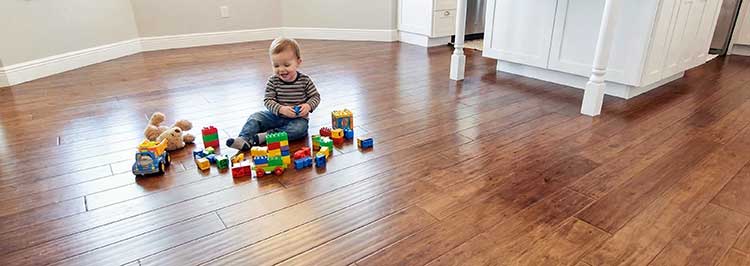
Ambient has built a loyal following for good reason. They specialize in formaldehyde-free stranded bamboo, offer lifetime warranties, and sell factory-direct to keep prices competitive.
Customer feedback consistently praises their durability—the Accuseal finish resists scuffs well—and the wide plank options create a striking, modern look. Many say Ambient floors age beautifully, maintaining shine and integrity even in high-humidity areas or homes with pets.
Comparing directly to my Eco Forest, the construction is very similar: both use high-pressure stranded weaving for superior strength. Ambient might have a slight edge in color variety and ultra-low VOCs, and their customer service gets rave reviews.
But in daily living, my Eco Forest performs on par—same resilience to dents, same warm feel, same easy click-lock install. The big difference? Availability and upfront cost. Eco Forest is readily stocked at big retailers like Floor & Decor, often cheaper per square foot.
If you want top-tier bamboo without hunting down specialty orders, Eco Forest gives you Ambient-level quality with less hassle.
- Eco Forest Vs. DuChateau
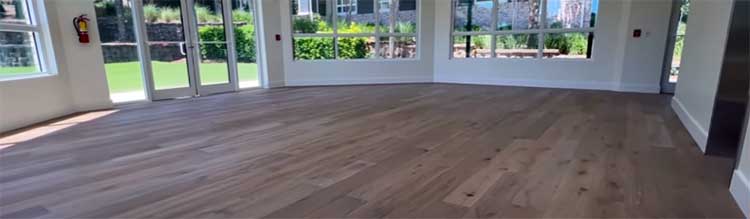
DuChateau plays in a different league—they’re all about luxury engineered hardwood, with handcrafted European oak collections, hard-wax oil finishes, and weathered looks that scream high-end design. Their floors have incredible depth, wide planks, and that authentic old-world character.
Reviews highlight the restorative oil finishes (easy touch-ups) and how they elevate any space to magazine-worthy status. Durability is excellent too, with thick wear layers allowing multiple refinishings.
But DuChateau isn’t bamboo—it’s traditional hardwood, which grows much slower and carries a higher environmental footprint. Price-wise, you’re looking at significantly more than even premium bamboo brands.
My Eco Forest bamboo offers a contemporary grain pattern and warmth that rivals DuChateau’s elegance, but with faster renewability and often better hardness ratings thanks to stranded construction.
Underfoot comfort is similar, yet Eco Forest stays cooler in summer and resists moisture expansion better in some cases. If you crave true hardwood heritage and don’t mind the cost or eco trade-offs, DuChateau wins on prestige.
For sustainable, modern luxury that doesn’t break the bank, my Eco Forest feels like the practical winner—you get stunning visuals and performance without the premium hardwood markup.
Overall, these comparisons reinforce why I chose Eco Forest. It strikes the perfect balance: reliable stranded bamboo strength, beautiful natural aesthetics, and real value that lets you enjoy premium flooring without overpaying.
Frequently Asked Questions (FAQ)
It can scratch from grit or heavy objects and is sensitive to excess moisture, potentially leading to warping if not maintained properly.
It depends on needs, but many prefer Cali or Ambient for premium quality; Eco Forest offers excellent value and solid performance.
Dry Swiffer is fine for dust, but avoid WetJet versions—excess liquid or residue can damage the finish. Use damp microfiber instead.
With good care, 20-50 years; high-traffic homes often see 25-30 years of beautiful service.
Final Thoughts
After everything, I wholeheartedly recommend you buy Eco Forest bamboo flooring. It’s brought warmth, durability, and peace of mind to my home in ways I didn’t anticipate. You’ll enjoy the beauty, the eco benefits, and the practical performance every single day.
Make the switch—you won’t regret it.