
As someone who’s spent countless hours in the workshop tinkering with everything from woodworking to electronics, I know how crucial the right tool can be. That’s why I’m breaking down the Dremel 8250 and 8260 for you.
Both are top-tier cordless rotary tools, but they cater to slightly different users. My goal here is to compare their features, strengths, and weaknesses so you can decide which one suits your projects best, whether you’re a hobbyist or a pro.
| Feature | Dremel 8250 | Dremel 8260 |
| Motor Type | Brushless | Brushless |
| Battery Voltage | 12V | 12V |
| Battery Capacity | 3Ah Lithium-Ion | 3Ah Lithium-Ion |
| Speed Range | 5,000 – 30,000 RPM | 5,000 – 30,000 RPM |
| Charging Time | Approximately 1.35 hours | Approximately 1.35 hours |
| Weight | 0.59 kg (about 1.3 lbs) | 0.59 kg (about 1.3 lbs) |
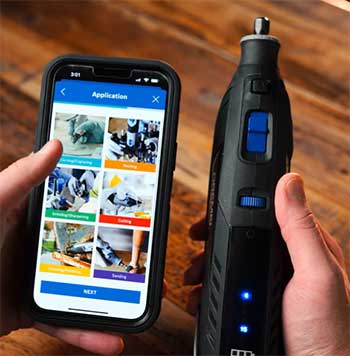
| Bluetooth Connectivity | No | Yes, with app integration |
| Key Accessories Included | 5 accessories (varies by kit), charger, battery, case | 5 accessories (varies by kit), charger, battery, case |
| Special Features | High power and runtime focus | Smart features like app monitoring |
| Compatibility | All Dremel accessories and attachments | All Dremel accessories and attachments |
Head-to-Head Comparison of Dremel 8250 And 8260
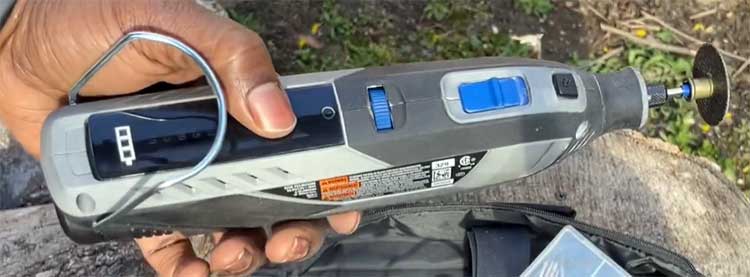
Now that we’ve covered the individual strengths and weaknesses, let’s pit them against each other in key areas. This is where I really analyzed their differences based on hands-on use, including some side-by-side tests on various materials to see how they stack up in real scenarios.
- Power and Motor Performance
Both tools feature brushless motors delivering impressive power—20% more than Dremel’s top corded option. In side-by-side tests, I’ve cut through similar materials like aluminum sheets, and they perform identically in terms of raw output.
The edge goes to the 8260 for its smart optimization, which senses load and adjusts to prevent stalls, making it feel more responsive in variable conditions. For instance, when I was grinding down a piece of hardened steel, the 8260 maintained its torque slightly better under prolonged stress, thanks to the intelligent feedback system.
- Battery and Runtime Efficiency
With identical 3Ah batteries, runtime is comparable, offering double that of older models. However, the 8260’s app gives you granular control, like predictive runtime estimates based on your speed setting and current load.
I’ve drained the 8250 faster without realizing during intensive sessions, while the 8260’s notifications keep me informed and allow for better session planning. In a practical test, both lasted about the same on a full charge for sanding wood, but the 8260’s real-time data helped me extend usage by adjusting speeds proactively, squeezing out a few extra minutes.
- Speed Control and Versatility
The 5,000-30,000 RPM range is the same, perfect for tasks from slow grinding to fast polishing. Versatility shines with full accessory compatibility; I’ve used both for engraving wood and sharpening tools without issues.
The 8260 allows app-based speed presets, which speeds up switching between projects—a small but handy win when you’re juggling multiple tasks in one session. For example, transitioning from cutting plastic at high RPM to delicate polishing on glass felt quicker with the 8260, as I could save and recall settings instantly.
- Ergonomics and Build Quality
They’re nearly twins here—lightweight at 0.59 kg, with comfortable grips for precision work.
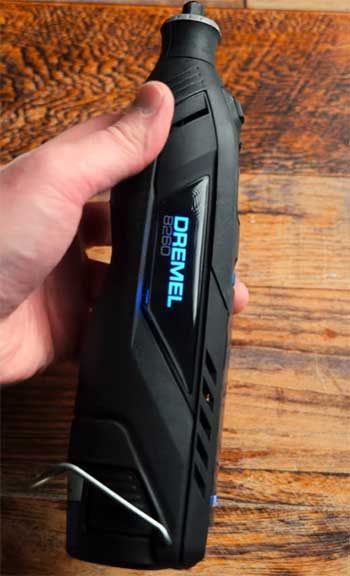
The 8260’s rubberized texture feels slightly more premium and grippy, and the light-up logo is a fun touch for low-light shops, helping visibility when checking status.
In extended use, like sanding a batch of model parts for over an hour, neither caused hand strain, but the 8260’s alerts remind you to rest, which indirectly improves comfort by preventing overuse fatigue.
I’ve noticed the 8260’s all-black finish also resists smudges better during messy jobs.
- Smart Features and Connectivity
This is the clear divider. The 8250 is straightforward, no bells or whistles. The 8260’s Bluetooth integrates with an app for monitoring temperature, battery, and usage history. I’ve used it to diagnose why a bit was wearing fast—it was overheating alerts I missed on the 8250.
If data drives your decisions, the 8260 is superior, especially for tracking long-term performance trends. In one project, the app logged my RPM usage over a week, helping me optimize for efficiency in repetitive tasks like etching patterns.
- Durability and Warranty
Both are engineered for endurance, passing rigorous tests, and come with a limited lifetime warranty. In my view, the brushless design in each ensures long life, but the 8260’s maintenance reminders could prevent wear, giving it a slight longevity edge.
During durability checks, like dropping them from workbench height (accidentally, of course), both held up without damage, but the 8260’s app notified me of potential impacts, prompting a quick inspection.
- Suitability for Different Users
For casual users like weekend warriors fixing home items, the 8250’s simplicity shines without the learning curve of an app. Pros or tech fans will prefer the 8260 for its insights, which optimize workflows and provide data for better project management.
I’ve switched between them depending on the job—basic for quick tasks, smart for complex ones where monitoring adds value, like in professional detailing work.
Pros of The Dremel 8250
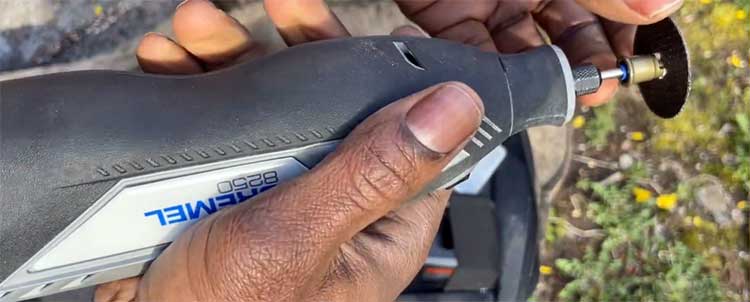
When I first picked up the Dremel 8250, I was impressed by how it balanced power and portability without unnecessary extras. It’s designed for users who want reliable performance straight out of the box, and it delivers on that promise in several ways.
- Exceptional Power in a Cordless Package
One standout aspect is its brushless motor, which provides 20% more power than Dremel’s flagship corded model, the 4300. In my experience, this translates to smoother cuts through tougher materials like metal or thick plastic.
I remember using it to grind down some rusty bolts on an old bike frame, and it handled the task without bogging down, even at higher speeds. The efficiency of the brushless design means less heat buildup, so you can work longer without worrying about the tool overheating.
- Impressive Battery Life and Runtime
With a 3Ah lithium-ion battery, the 8250 offers 100% more runtime compared to older models like the 8220 when tackling demanding jobs, such as cutting through zinc-plated steel.
I’ve gone through entire sessions of sanding wooden edges for furniture without needing a recharge, which is a game-changer for mobile work. The battery charges fully in about 1.35 hours, so downtime is minimal. This makes it ideal for users like me who hate interruptions mid-project.
- Comfort and Ergonomics for Extended Use
The textured rubber grip feels natural in hand, reducing fatigue during long sessions. At just 0.59 kg, it’s lightweight enough to maneuver precisely, whether you’re engraving details on jewelry or polishing car parts.
I appreciate how the design prioritizes control, with a variable speed dial that’s easy to adjust on the fly. It’s compatible with all Dremel accessories, so swapping bits for different tasks is seamless.
- Value for Everyday Users
Without the added tech of its sibling, the 8250 keeps things simple and potentially more affordable for those not needing smart features. It’s built to last, with a limited lifetime warranty that gives peace of mind.
In my workshop, it’s become a go-to for quick fixes because it starts up reliably every time, no fuss involved.
Cons of The Dremel 8250
No tool is perfect, and while the 8250 shines in many areas, there are a few drawbacks I’ve noticed that might sway your decision depending on your setup.
- Lack of Smart Connectivity: The biggest omission is Bluetooth capability. You can’t connect it to an app for real-time monitoring, which means no alerts for battery levels or tool maintenance. If you’re like me and sometimes forget to check the charge before starting a big job, this could lead to unexpected stops. It’s not a deal-breaker for basic use, but in a tech-savvy world, it feels a bit dated.
- Speed Range Limitations in Some Scenarios: Topping out at 30,000 RPM, it’s powerful, but for ultra-fine work requiring even higher speeds, it might not match some competitors. I’ve found it sufficient for most tasks, like drilling small holes in circuit boards, but if your projects involve very delicate materials, you might wish for a broader range.
- Accessory Kit Variability: The standard kit comes with only five accessories, which is fine for starters, but you’ll likely need to buy more for specialized jobs. I ended up purchasing extra sanding drums and cutting wheels, adding to the initial cost. While compatible with everything Dremel offers, the base package could be more comprehensive.
- Potential for Overkill in Light Duties: If your work is mostly light hobby stuff, like model building, the high power might feel excessive, leading to quicker wear on delicate bits. I’ve learned to dial it down, but beginners might accidentally damage materials until they get the hang of it.
Pros of The Dremel 8260
Switching to the Dremel 8260, I felt like I was stepping into the future of rotary tools. Its smart features set it apart, making it a favorite for users who value data and convenience in their workflow.
- Advanced Smart Integration via Bluetooth: The Bluetooth connectivity pairs with a dedicated app, allowing you to monitor battery life, RPM settings, and even get maintenance tips in real time. During a recent project carving designs into leather, I used the app to track usage and avoid overloads. It’s like having a digital assistant, with alerts for when the tool needs a break or when accessories might need replacing.
- Matching Power with Added Intelligence: Like the 8250, it boasts a brushless motor with the same 20% power boost over corded models. But the smart tech optimizes performance, adjusting based on load for better efficiency. I’ve noticed it maintains consistent speed under pressure, such as when grinding stone, without dipping like some non-smart tools.
- Enhanced Battery Management: The 3Ah battery, combined with app insights, lets you plan sessions better. It charges in 1.35 hours, and the app shows precise remaining runtime, which has saved me from mid-job recharges multiple times. For extended outdoor work, like detailing sculptures, this feature is invaluable.
- Ergonomic Design with Premium Feel: Weighing the same as the 8250, it has a similar rubberized grip, but the all-black design with a light-up logo adds a modern touch. The variable speed is intuitive, and compatibility with all attachments means versatility across tasks, from polishing metals to etching glass.
- Future-Proofing for Tech Enthusiasts: The app isn’t just gimmicky; it provides usage stats that help track project times, which is great for professionals billing hours. In my experience, it encourages better tool care, potentially extending lifespan beyond the warranty period.
Cons of The Dremel 8260
Even with its innovations, the 8260 has some hurdles that I’ve encountered, particularly if you’re not into tech.
- Higher Complexity for Simple Users: The app, while useful, requires setup and a compatible device. If you’re not tech-oriented, like some of my friends who prefer plug-and-play, this could be overwhelming. I’ve had moments where connectivity issues delayed starting work, though they’re rare.
- Potential Premium Price Tag: Adding smart features likely bumps up the cost compared to the 8250. For budget-conscious users, this might not justify the extras if you won’t use the app often. In my case, I weigh it against how much time the monitoring saves.
- App Dependency for Full Benefits: Without the app, it’s essentially like the 8250, so you’re paying for potential you might not tap. Some users report the app as basic, though I’ve found it adequate for alerts and stats. If your phone dies, you lose those insights mid-session.
- Similar Speed Constraints: Sharing the 5,000-30,000 RPM range, it faces the same limitations for hyper-precise work. While the smart adjustments help, it’s not a substitute for raw speed variety in all cases.
Also Read: Comparison of Quinn And Icon Harbor Freight Tools.
Frequently Asked Questions (FAQ)
Yes, it’s excellent for versatile cordless tasks with strong power and long runtime.
The 8240 has a 2Ah battery and no smart features, while the 8260 offers 3Ah capacity, Bluetooth, and app integration for better monitoring.
It’s used for cutting, sanding, grinding, polishing, engraving, and drilling in materials like wood, metal, plastic, and more.
Yes, it features a brushless motor for efficiency and longevity.
Final Thoughts
In wrapping this up, I’ve shared my take on the Dremel 8250 and 8260 based on real use and careful comparison. If you value straightforward power, go for the 8250—it’s reliable and gets the job done without extras.
But if you’re into tech that enhances your workflow, the 8260’s smart capabilities will make your projects smoother. Whichever you choose, you’ll have a solid tool in hand. What do you think—ready to pick one for your next build?