
I’ve dealt with more clogged drains than I care to count over the years—slow bathroom sinks, kitchen backups after holiday cooking, shower drains choked with hair. When a plunger fails, most of us reach for a chemical drain cleaner.
The two biggest names that always come up are Drano and Zep. In this article, I’m going to compare them head-to-head based on my own experiences, what actually works, safety concerns, cost, and long-term effects so you can decide which one deserves a spot under your sink.
| Aspect | Drano (Max Gel) | Zep (Commercial Crystal or Liquid) |
| Active Ingredients | Sodium hydroxide, bleach, sodium hypochlorite | Sodium hydroxide (crystals) or sulfuric acid (liquid) |
| Form | Thick gel or crystals | Crystals, powder, or fast-acting liquid |
| Best For | Hair, grease, soap scum | Grease, organic matter, tougher commercial clogs |
| Time to Work | 15–30 minutes | 5–15 minutes (liquid versions especially fast) |
| Pipe Safety | Safe on most pipes; can harm older metal | Safe on most; sulfuric acid versions risk damage |
| Fumes/Odor | Strong bleach smell | Very strong (acid versions extremely pungent) |
| Average Price (32 oz) | $7–$10 | $9–$14 |
| Availability | Everywhere—grocery, big box, online | Hardware stores, janitorial supply, online |
| Professional Preference | Mixed—many plumbers avoid it | Often preferred in commercial settings |
Key Differences Between Drano And Zep
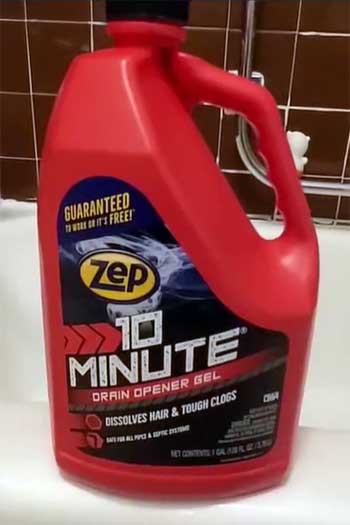
- Chemical base: Drano is primarily alkaline (sodium hydroxide + bleach), which works well on organic matter like hair but is gentler overall, while Zep offers both alkaline crystals and powerful sulfuric acid liquids that excel at dissolving grease through a different, more aggressive reaction.
- Speed: Zep’s acid formulas work noticeably faster on grease, often in minutes, whereas Drano takes longer but provides more consistent, predictable timing on hair and soap buildup.
- Target audience: Drano is marketed directly to homeowners with easy-to-understand packaging, while Zep started as a professional/commercial brand built for tougher, high-volume environments like restaurants.
- Safety profile: Drano is generally gentler on pipes and septic systems with its bleach-alkaline mix, but Zep’s acid versions require extra caution and can be riskier for DIY users.
- Odor: Drano smells strongly of bleach, which some find cleaner and less offensive, while Zep’s acid products have a sharp, sulfur-like smell that’s harder to tolerate and lingers longer.
- Availability: Drano is on every store shelf from big-box to corner pharmacies, but Zep is more common at hardware, janitorial supply, or online specialty stores.
- Price per use: Drano is cheaper upfront and easier on the wallet for occasional use, while Zep often gives better value in larger sizes for heavy or frequent users.
- Preventive options: Both have maintenance products, but Zep’s enzymatic Drain Defense line is more robust and professional-oriented for ongoing care.
- Best clog type: Drano excels at hair and soap scum common in bathrooms, whereas Zep dominates grease and commercial organic waste that builds up in kitchens.
- Heat generation: Both create heat through chemical reactions, but Zep’s acid reaction is more intense and rapid, helping melt fats quicker.
- Packaging: Drano has consumer-friendly bottles with safety caps and clear labels, while Zep often comes in heavier-duty industrial containers that feel more pro-grade.
- Risk of damage: Drano is safer for older pipes and repeated household use, but Zep acid can corrode metal faster if overused or left sitting too long.
- User forgiveness: Drano is more beginner-friendly with simpler instructions, while Zep demands precise following of guidelines for safe, effective results.
- Environmental footprint: Drano’s bleach can affect water treatment, but Zep’s sulfuric acid alters pH more dramatically and may pose greater risks to aquatic systems.
Understanding Drano
Drano has been around since the 1920s and is probably the first name anyone thinks of when they need a drain opener. The brand offers several formulas, but the two I’ve used most are Drano Max Gel and Drano Crystals.
The gel is thick and sinks past standing water to reach the clog directly, while the crystals are meant to be poured in and followed by hot water.
The company emphasizes that their products are formulated to dissolve hair, grease, soap, and food particles quickly. I appreciate that the gel clings to pipes instead of just pooling at the bottom.
Key Features of Drano
- Ultra-thick gel formula that pours through standing water and coats pipe walls for better contact with the clog.
- High concentration of sodium hydroxide (lye) combined with bleach to break down organic material and disinfect at the same time.
- Multiple product variants—Max Gel for regular household clogs, Dual-Force Foamer for slow drains, Snake Plus with a physical tool included.
- Clear usage instructions printed right on the bottle with safety warnings and exact wait times.
- Bleach component that helps kill odor-causing bacteria and leaves pipes smelling cleaner.
- Widely tested safety profile on PVC, metal, and older pipes when used as directed.
- Preventive options like Drano Build-Up Remover that you can use monthly to keep drains flowing.
Pros of Drano
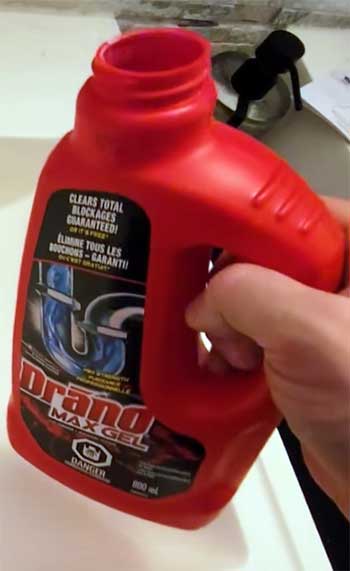
- Works reliably on hair clogs in bathroom sinks and showers—something I’ve experienced many times, especially after long-haired family members shed in the shower.
- The thick gel stays where the clog is instead of diluting in water, giving it more time to eat away at the blockage.
- Readily available at any supermarket or pharmacy, even late at night when disaster strikes.
- Generally safer on septic systems than acid-based cleaners, so I don’t worry as much in my older home.
- Leaves behind a bleach scent that masks drain odors temporarily and makes the bathroom feel fresher.
- Consistent results across different types of household organic clogs, from soap scum to small food particles.
- Affordable pricing for the amount you get in each bottle, making it easy to stock up.
- Clear wait times mean you’re not guessing how long to leave it sitting—I just set a timer and move on.
- Good track record on modern PVC and ABS plumbing without causing noticeable wear.
- Multiple sizes available, from small single-use bottles to larger economy sizes for bigger households.
- The brand’s long history means plenty of user feedback and refined formulas over decades.
- Easy to combine with mechanical methods—like plunging after it sits—for even better results.
Cons of Drano
- Strong bleach fumes can be overwhelming in poorly ventilated bathrooms, sometimes making me open windows even in winter.
- Doesn’t always handle severe grease blockages in kitchen drains as quickly as I’d like, requiring multiple applications.
- Repeated use can contribute to pipe corrosion in very old galvanized steel pipes, something I’ve heard from older homeowners.
- The bleach ingredient can discolor some older porcelain sinks if spilled or if it backs up.
- Takes 15–30 minutes to work, which feels long when you need the sink immediately for dishes or brushing teeth.
- Not the best choice for toilet clogs (the brand even warns against it), forcing me to use other methods there.
- Can react dangerously if mixed with other cleaning products—always a risk if someone else in the house grabs the wrong bottle.
- Some users report it doesn’t fully dissolve certain food-based clogs, like starchy pasta residue.
- The bottle design can be tricky to pour without splashing, especially when you’re in a hurry.
- Environmental concerns due to harsh chemicals entering the water system and affecting treatment plants.
- Over time, reliance on it might hide bigger plumbing issues that need professional attention.
- Not as effective in extremely cold water, since the reaction works better with heat.
Understanding Zep
Zep is more of a professional and commercial brand that has made its way into home use. Their drain care line includes crystal formulas similar to Drano, but the standout products are the fast-acting liquid versions—some sulfuric acid based—that work extremely quickly.
Zep markets to restaurants, hotels, and janitorial services, so the products are built for heavy-duty performance.
I first discovered Zep when a plumber recommended it for a stubborn kitchen grease clog that Drano couldn’t fully clear.
Key Features of Zep
- Professional-grade strength designed for commercial kitchens and facilities.
- Fast-acting liquid formulas (especially sulfuric acid versions) that can open drains in as little as 5 minutes.
- Crystal and powder options that generate heat when mixed with water to dissolve blockages.
- Drain Defense line with enzymatic and bacterial options for preventive maintenance.
- High-concentration sulfuric acid in some products for breaking down tough grease and paper.
- Larger container sizes suited for frequent or commercial use.
- pH-balanced enzymatic cleaners for safe, ongoing drain maintenance.
- Concentrated formulas that require smaller amounts per use.
- Industrial packaging with clear professional usage guidelines.
- Specialized products for different clog types (grease, hair, organic).
Pros of Zep
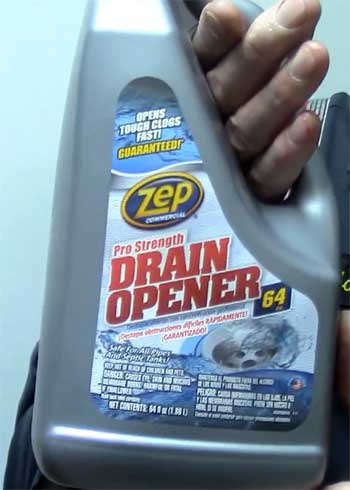
- Extremely fast action—some clogs clear in under 10 minutes, which saved me during a dinner party backup.
- Superior performance on heavy grease and restaurant-style blockages that build up from frequent cooking.
- Professional plumbers and maintenance crews often carry it, giving me confidence in its strength.
- Larger bottles offer better value for households with frequent clogs or multiple bathrooms.
- Enzymatic versions are septic-safe and environmentally friendlier than chemical-heavy alternatives.
- Sulfuric acid formulas tackle clogs that alkaline cleaners can’t touch, like solidified fats.
- Generates significant heat to help melt grease and fats almost on contact.
- Works well in both residential and commercial settings, versatile for any home with tough drains.
- Strong reputation in the janitorial industry for reliability over many years.
- Some formulas are designed for monthly preventive use without damaging pipes when used correctly.
- More concentrated, so a little goes a long way compared to thinner consumer products.
- Often clears completely blocked drains where water won’t even go down at first.
Cons of Zep
- Sulfuric acid versions produce intense, eye-watering fumes—ventilation is critical, and I always wear a mask now.
- Higher risk of pipe damage if misused or used in incompatible plumbing like older metals.
- Not as widely available in regular grocery stores, so I have to plan ahead or order online.
- More expensive than mainstream consumer brands like Drano, especially for the acid formulas.
- Acid-based products can harm septic systems and beneficial bacteria if used frequently.
- Requires very careful handling—splashes can cause burns worse than alkaline cleaners.
- Strong odor lingers longer than Drano’s bleach smell, sometimes for hours.
- Some users report it eats away at plastic garbage disposals or rubber gaskets over time.
- Instructions are stricter and more technical than consumer brands, less forgiving for beginners.
- Less forgiving if you accidentally mix with other chemicals—potentially violent reactions.
- Can be overkill for simple hair clogs, where a milder product would suffice.
- Harder to find in small, single-use sizes, leading to waste if you don’t need the full bottle.
My Personal Experiences With Drano And Zep
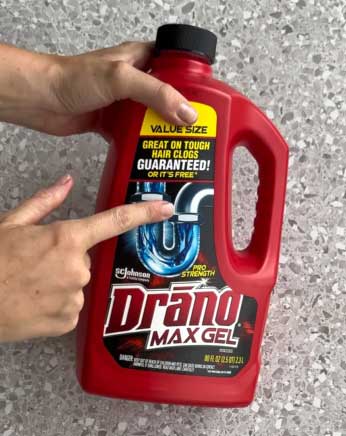
I’ve used Drano more often simply because it’s easier to grab.
It saved my bathroom sink countless times when hair buildup slowed drainage to a trickle.
The gel pours right through the water, and 20 minutes later the drain is running freely again.
Zep entered my life during a particularly bad kitchen grease clog after frying a lot of food.
Drano helped but didn’t fully clear it. A friend suggested Zep’s sulfuric acid liquid.
I followed instructions carefully—gloves, ventilation, no mixing—and it opened the drain in about seven minutes. The speed was impressive, but the fumes were brutal.
For preventive care, I now alternate: Drano Max Gel for quick fixes and Zep’s enzymatic powder monthly to keep things flowing.
When To Choose Drano?
You’re probably better off starting with Drano if:
- Your clogs are mostly hair or soap scum in bathroom drains.
- You have PVC or modern plumbing.
- You want something readily available and easy to use.
- You have a septic system.
- You prefer a product with clear, consumer-friendly directions.
- You don’t deal with heavy grease regularly.
When To Choose Zep?
Reach for Zep when:
- You have persistent grease clogs from cooking.
- You need fast results for a completely blocked drain.
- You’re comfortable following strict safety guidelines.
- You want professional-strength performance at home.
- You have frequent clogs and want larger, more economical sizes.
- You’re maintaining commercial or high-traffic drains.
Also Read: Is Glacier Bay Garbage Disposal Worth It?
Frequently Asked Questions (FAQ)
Plumbers often discourage chemical cleaners because they can mask deeper problems, corrode pipes over time (especially older ones), and create hazardous reactions if multiple products are used.
A drain snake or hydro-jetting by a professional is most effective long-term. Among chemicals, sulfuric acid-based cleaners like some Zep formulas work fastest on tough grease.
Plungers, manual drain snakes, enzymatic cleaners, or professional snaking/hydro-jetting.
Yes—especially the professional-grade liquid and crystal formulas. They’re very effective on stubborn grease and organic clogs, though they require careful handling.
Final Thoughts
After years of battling clogs with both Drano and Zep, I’ve learned there’s no single “best” product—it depends on your situation. I keep Drano Max Gel for everyday hair and soap issues because it’s reliable, widely available, and gentler on my pipes.
But when grease builds up in the kitchen, I don’t hesitate to grab Zep’s fast-acting formula.
You’ll make the right choice by considering your clog type, pipe material, and how comfortable you are with stronger chemicals. Start with prevention—regular hot water flushes and strainers—and only reach for chemicals when necessary.
Your drains (and your plumber) will thank you.