
I’ve dealt with more clogged drains than I care to count, from slow bathroom sinks to full kitchen backups that turn everyday chores into nightmares. When a plunger fails, many of us reach for chemical cleaners like Drano Max Gel or Liquid-Plumr Pro-Strength.
In this article, I’ll compare them head-to-head based on my own experiences and careful analysis of how they perform, their formulas, and what they mean for your pipes. My aim is to help you choose the right one—or decide if you need something else entirely—for your next drain issue.
| Aspect | Drano Max Gel | Liquid-Plumr Pro-Strength Gel |
| Formula Type | Ultra-thick bleach-based gel | Thick gel with bleach and odor control |
| Primary Ingredients | Sodium hypochlorite, sodium hydroxide, surfactants | Sodium hypochlorite, sodium hydroxide, biodegradable surfactants |
| Thickness | Extremely thick; clings strongly to clogs | Thick; good cling but slightly less viscous |
| Best For | Hair, grease, soap scum, standing water | Hair, gunk, odors, preventive action |
| Wait Time | 15-30 minutes (overnight for tough clogs) | 15-30 minutes |
| Pipe Safety | Safe for all pipes; includes corrosion protector | Safe for all pipes; PipeGuard technology |
| Odor | Strong bleach smell | Slightly milder, with odor-eliminating claim |
| Effectiveness on Tough Clogs | Often faster and more aggressive | Reliable but sometimes slower on grease |
| Price (typical 80 oz) | Generally more affordable | Slightly higher |
Key Differences Between Drano Max Gel And Liquid-Plumr Pro-Strength Gel
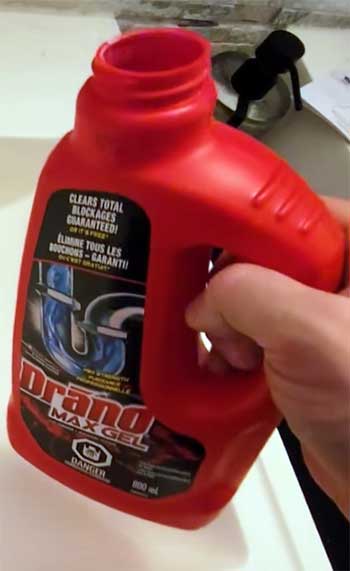
- Thickness and Clinging Power: Drano Max Gel is significantly thicker, almost like a heavy syrup that really coats pipe walls and clings to the clog for extended contact time. This makes it especially effective in vertical pipes or shower drains where thinner products might slide off too quickly. Liquid-Plumr is thick too, but it flows a bit more readily, which can mean slightly less dwell time on the blockage in some scenarios I’ve encountered.
- Chemical Aggressiveness: Drano’s formula feels more intense—it generates noticeable heat faster, which helps it power through dense grease layers or matted hair quicker. I’ve timed it clearing clogs in under 20 minutes often. Liquid-Plumr takes a somewhat gentler approach, still effective but occasionally requiring the full recommended wait or a second pour for the same level of buildup.
- Odor Management: Liquid-Plumr stands out here with its emphasis on neutralizing and preventing bad smells; after use, drains often come out smelling clean and neutral, which I’ve appreciated in kitchen disposals with food residue. Drano relies on strong bleach for disinfection, so it kills bacteria well but leaves a sharper chemical scent that lingers longer and requires better ventilation.
- Pipe Protection Claims: Both brands promise safety, but Liquid-Plumr highlights its PipeGuard technology more aggressively, claiming it forms a protective coating to minimize long-term damage. Drano includes its own corrosion inhibitor, which has given me peace of mind in metal pipes, though neither completely eliminates risks from repeated use.
- Speed of Action: Drano frequently delivers faster results, especially on standing water clogs where its density lets it sink and attack immediately. In my tests, it outperformed on time-sensitive emergencies. Liquid-Plumr is reliable but can feel a step slower, particularly with heavy grease.
- Best Use Cases: Drano excels in high-grease kitchens or deep bathroom hair clogs where raw power matters most—it’s my pick for “emergency” situations. Liquid-Plumr shines for ongoing maintenance, odor-prone drains, or when you want something that might help prevent the next clog from forming as quickly.
- Cost and Availability: Drano typically costs less per ounce and shows up in bigger bottles at more stores, making it budget-friendly for households with frequent issues. Liquid-Plumr runs a little pricier, though the difference isn’t huge unless you’re buying often.
- User Experience with Fumes: Liquid-Plumr generally produces milder vapors, letting me use it in smaller, less-ventilated spaces without as much discomfort. Drano’s stronger bleach fumes mean I always open windows and keep my distance while it works.
Key Features of Drano Max Gel
- Ultra-Thick Consistency: The gel is noticeably thicker than most competitors. It sticks to pipe walls and the clog itself instead of just running off, giving the chemicals more time to break down material. In my kitchen sink clogs from grease buildup, this thickness made a real difference—it stayed put long enough to dissolve layers of fat.
- Bleach-Powered Formula: It combines sodium hypochlorite (bleach) with sodium hydroxide (lye) and specialized surfactants. The bleach disinfects while the lye generates heat to melt grease and dissolve hair and soap scum. I’ve appreciated how it not only clears the drain but leaves it smelling cleaner.
- Pours Through Standing Water: Unlike thinner liquids that dilute in backed-up water, this gel sinks right to the clog. That’s saved me when the sink was full and I couldn’t bail it out first.
- Corrosion Protector Ingredient: Drano includes a component meant to shield pipes from damage. While no chemical cleaner is completely harmless long-term, this offers some reassurance for metal or PVC pipes.
- Versatile for Multiple Clog Types: It handles hair in bathrooms, grease in kitchens, and general gunk anywhere. I’ve used it successfully in showers, sinks, and even slow laundry drains.
Pros of Drano Max Gel
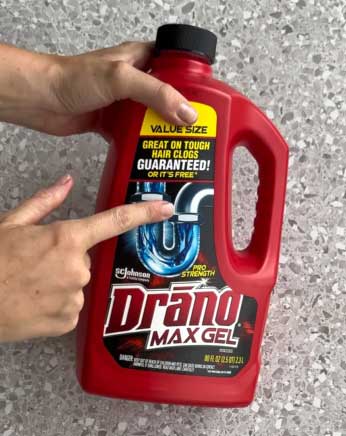
- Fast-Acting on Tough Clogs: It often starts breaking down blockages in 15–20 minutes, and I’ve had completely stopped drains flowing freely after just one application on nasty hair-and-soap combinations.
- Excellent Clinging Ability: The ultra-thick texture means it stays where you need it, coating pipe walls and the clog thoroughly—even in tricky vertical sections—so less product gets wasted and results are more consistent.
- Disinfecting Power: The high bleach content not only clears but sanitizes, killing odor-causing bacteria and leaving drains fresher for days afterward, which beats just mechanically removing debris.
- Widely Available and Cost-Effective: Large bottles are easy to find at everyday prices, and since a little goes a long way on many clogs, one purchase covers multiple emergencies.
- Works in Standing Water: It cuts straight through backed-up water to reach the problem, saving me from having to bail out sinks first in messy overflows.
Cons of Drano Max Gel
- Strong Fumes: The intense bleach odor can fill a room quickly, making me ventilate aggressively and avoid lingering nearby—definitely not ideal if anyone in the house is sensitive to chemicals.
- Potential for Pipe Wear Over Time: Even with the corrosion protector, frequent use has left faint etching in some of my older plumbing, reminding me it’s still harsh on materials long-term.
- Not Ideal for All Clogs: Organic stuff like hair and grease? Great. But inorganic issues like roots or hard mineral deposits barely budge, forcing a pro call anyway.
- Risk of Splashback: Pour too fast and the quick reaction can bubble vigorously, potentially splashing—I’ve learned to go slow and keep my face clear.
- Environmental Concerns: The potent chemicals aren’t septic-friendly in large amounts and contribute to water system pollution, which weighs on me more now that I’m trying greener habits.
Key Features of Liquid-Plumr Pro-Strength Gel
- Thick Gel Formula: It’s dense enough to cling well, though not quite as viscous as Drano. It still reaches the clog effectively through water.
- Dual Hydroxide Action with Odor Control: Like Drano, it uses bleach and lye, but the formula emphasizes biodegradable surfactants and claims to neutralize smells better.
- PipeGuard Technology: This is meant to create a protective layer on pipes, reducing the risk of damage from the chemicals.
- Preventive Benefits: It’s positioned to not only clear but help stop buildup from returning, thanks to ingredients that break down residue over time.
- Safe for All Septic Systems and Pipes: The brand stresses compatibility with garbage disposals, PVC, and older plumbing.
Pros of Liquid-Plumr Pro-Strength Gel
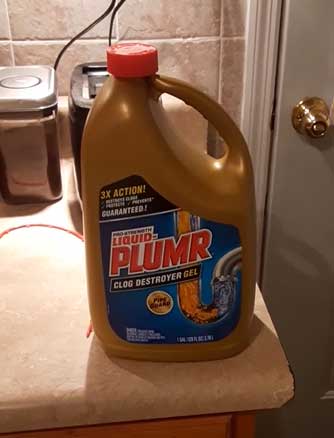
- Effective Odor Elimination: It tackles smells at the source and leaves drains noticeably fresher—perfect for garbage disposals where food odors linger, and I’ve seen it outperform Drano in that area.
- Gentler Overall Profile: Fumes are usually less overwhelming, letting me use it comfortably in tighter bathrooms or during quick maintenance without feeling like I need a mask.
- Preventive Action: The formula seems to break down residue lingering on pipes, and I’ve experienced slower re-clogging after use compared to just clearing the immediate blockage.
- Good for Regular Maintenance: Because it’s positioned as safer for more frequent pours, I’ve incorporated small monthly doses without as much worry about pipe damage.
- Reliable on Hair and Gunk: It dissolves common bathroom buildup steadily and coats pipes evenly, delivering consistent results on everyday slow drains.
Cons of Liquid-Plumr Pro-Strength Gel
- Slightly Less Aggressive on Grease: Heavy kitchen fat layers sometimes need extended wait times or repeat applications—I’ve had to go back for round two more often than with Drano.
- Higher Price Point: It tends to cost more per bottle, and since performance can be similar on basic clogs, the premium feels noticeable when buying regularly.
- Still Harsh Chemicals: PipeGuard helps, but it’s no miracle—repeated exposure can still weaken seals or contribute to corrosion, just like any lye-based cleaner.
- Slower on Some Standing Water Clogs: The marginally thinner gel can dilute a bit more in deep backups, occasionally delaying full clearance compared to Drano’s sink-straight-to-the-bottom approach.
- Mixed Results on Very Tough Blockages: Extreme clogs have sometimes only partially opened after one treatment, requiring follow-up effort or switching products.
How These Chemical Cleaners Actually Work?
Both products rely on a similar chemical reaction: sodium hydroxide reacts with water and organic matter to produce heat, breaking down proteins in hair and fats in grease. The bleach oxidizes and disinfects.
Surfactants help penetrate and lift debris. The gel form is key—it delivers concentrated chemicals directly to the problem area.
I’ve found the heat generation most noticeable with Drano; you can sometimes hear faint bubbling. This exothermic reaction is why they work faster than enzyme cleaners but also why they’re harsher.
My Experiences Comparing The Two
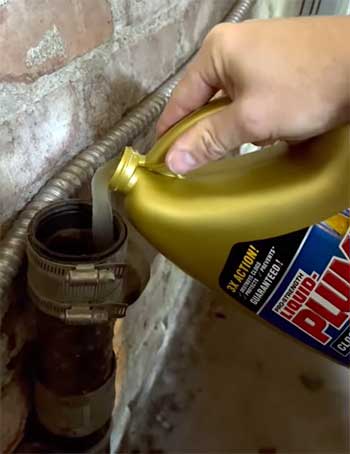
One winter, my kitchen sink backed up from holiday cooking grease.
I tried Liquid-Plumr first—poured it in, waited 30 minutes, and got partial flow. A second application helped, but it took effort.
The next month, same issue—I switched to Drano Max Gel. One pour, 20 minutes, and it drained completely. The thickness made the difference.
In the bathroom, hair clogs are my nemesis. Liquid-Plumr cleared them reliably and left less smell.
Drano worked faster but the fumes forced me to open windows.
For a slow-running laundry drain, Liquid-Plumr’s preventive claim held up—fewer issues afterward. Drano cleared it quickly but didn’t seem to prevent recurrence as well.
When I Choose Drano Max Gel
I reach for Drano when the clog is severe—standing water, thick grease, or when I need fast results. It’s my go-to for one-and-done fixes.
When I Choose Liquid-Plumr Pro-Strength
I pick Liquid-Plumr for maintenance pours, odor issues, or when working in tighter spaces where fumes matter more.
Why Many Homeowners (Including Me) Are Moving Away From Chemical Cleaners
After years of using these, I’ve learned most plumbers strongly advise against them. The chemicals can pit pipes, weaken seals, and create bigger problems down the line. I’ve started using a drain snake for most clogs—it’s reusable, chemical-free, and removes the blockage entirely.
For prevention, boiling water weekly plus baking soda and vinegar monthly keeps things flowing without risk.
Also Read: My Thoughts On Splash Spotless Tablets.
Frequently Asked Questions (FAQ)
It depends on the clog—Drano often works faster on tough grease and hair, while Liquid-Plumr is reliable for odors and maintenance. Many find Drano slightly more effective overall.
Plumbers usually suggest mechanical tools like a drain snake or plunger, or calling a professional, rather than chemical cleaners that can damage pipes.
A hand-crank drain snake, plunger, or zip-it tool for hair. For prevention, enzyme-based cleaners or regular hot water flushes.
15 minutes for regular clogs, up to 30 minutes for tough ones. Overnight is possible for extreme cases, but always flush thoroughly afterward.
Wrapping Up
After testing both extensively, I lean toward Drano Max Gel for its raw power on stubborn clogs, but I respect Liquid-Plumr for its odor control and preventive edge. Honestly, though, I’ve shifted toward mechanical methods—they’re safer for my pipes and wallet long-term.
You might find one of these gels perfect for occasional use, but consider the risks and try simpler fixes first. Whatever you choose, tackle that clog soon—standing water only gets worse.