
When it comes to off-leash training, the debate usually boils down to two heavyweights: Dogtra and SportDOG. I’ve spent years testing these e-collars in various terrains, from thick brush to open fields, to see which one actually holds up.
My goal here is to help you decide which system fits your dog’s temperament and your specific training goals. Whether you are managing a stubborn hound or refining a hunting partner’s skills, choosing between these two brands is the most critical gear decision you will make.
| Feature | Dogtra | SportDOG |
| Stimulation Type | Nick, Constant, and HPP (Vibration) | Nick, Continuous, Tone, and Vibration |
| Intensity Levels | 0-127 (Rheostat Dial) | 7-21 (Click-Dial) |
| Range Options | 300 yards to 1.5 miles | 300 yards to 2 miles |
| Waterproofing | Fully Waterproof (IPX9K) | Fully Waterproof (DryTek) |
| Best For | Precise adjustments / Sensitive dogs | Tactical field use / Hunting |
| Battery Life | 2-hour rapid charge | 40-60 hours per charge |
Understanding The Philosophy of Both Brands
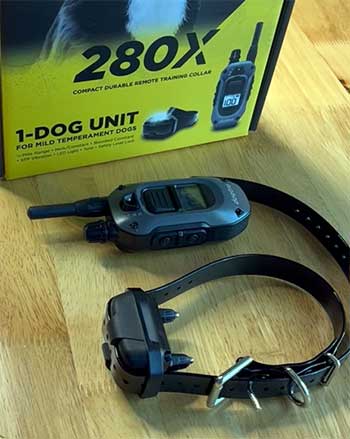
Before looking at the hardware, we have to look at how these companies think about dog training.
Dogtra is often seen as the “surgeon’s tool” of the e-collar world. Their focus is on extreme precision.
If you have a dog that is sensitive—meaning they react to the slightest change in environment—Dogtra’s gradual increase in stimulation is a godsend.
You aren’t jumping from “low” to “medium”; you are moving through 127 points of micro-adjustments.
SportDOG, on the other hand, feels like it was built in a truck bed at 5:00 AM.
It’s rugged, straightforward, and designed for hunters and outdoor enthusiasts who don’t want to fiddle with a dial. It’s about “dial and fire.”
When your dog is 400 yards away chasing a deer and you need to get their attention, SportDOG makes it very hard to mess up the correction level.
Key Differences Between Dogtra And SportDOG
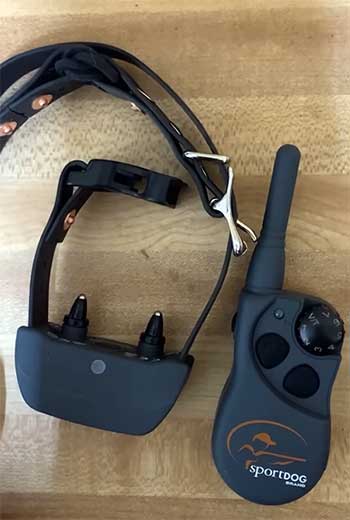
- The Adjustment Mechanism Dogtra uses a “Rheostat” dial, which is essentially a smooth volume knob. You can slide from level 10 to 11 without a click. SportDOG uses a notched dial with set levels (usually 7 to 21 depending on the model). The difference is felt in the heat of the moment; with SportDOG, you know exactly where you are by the “click” feel, whereas with Dogtra, you need to glance at the LCD screen more often.
- Stimulation Delivery Dogtra is known for its “low-to-high” stimulation consistency. It feels smoother to the dog. SportDOG tends to have a slightly “hotter” feel on the lower levels. If you have a very “soft” dog that yelps easily, the SportDOG might be too much even on level one, whereas Dogtra can be dialed down to a point where a human can barely feel it on their fingertips.
- The Remote Ergonomics Dogtra remotes are generally slim and vertical, fitting easily into a pocket or palm. SportDOG remotes often have a more tactical, “walkie-talkie” feel. They are designed to be used with gloves on, which is a massive plus if you live in colder climates or are out in the woods during winter.
- Expandability and Multi-Dog Use While both brands offer multi-dog systems, SportDOG makes it incredibly easy to add collars to a single remote (up to 6 dogs on some models). Dogtra also does this, but their interface feels more optimized for one or two dogs. If you are a professional trainer walking a pack, SportDOG’s toggle system is often more intuitive.
Key Features of Dogtra Systems
- Precise Stimulation Levels (0-127) This is the “killer feature” for Dogtra. Having 127 levels means you can find the exact “working level” for your dog. This is the lowest level where the dog just barely twitches their ear or looks around. It allows for “low-pressure” training, which is much more humane and effective for long-term behavior modification.
- High-Output Pager (HPP) Instead of just a standard vibration, Dogtra’s “Pager” is distinct. It’s a powerful vibration that provides clear communication without using static. I find this especially useful for recall training in noisy environments where the dog might not hear a whistle or a command.
- IPX9K Waterproof Rating Some Dogtra models are rated IPX9K, which is the highest safety rating for water and pressure resistance. If your dog loves to dive into lakes or play in mud, this collar is essentially a tank. It can withstand high-pressure water jets, so a little rain is nothing to it.
- Rapid Charge Batteries Most modern Dogtra units use Lithium Polymer batteries that charge in about two hours. This is a lifesaver when you realize ten minutes before a hike that you forgot to plug the collar in. You can get enough juice for a session in the time it takes to pack your bag.
Pros of Using Dogtra
- Unmatched Sensitivity Control The standout feature for me has always been the 127 levels of stimulation. When I’m working with a dog that is “soft”—meaning they respond to very subtle cues—the ability to find a level that is just a “tickle” is invaluable. You aren’t guessing if level 1 is too low and level 2 is too high; you can find that perfect 14 or 15 that gets the dog’s attention without causing stress.
- Superior Build for Urban and Professional Use Dogtra units often feel like a piece of high-end consumer electronics. The materials are refined, the LCD screens are crisp, and the “hand-feel” is ergonomic. If you are a professional trainer who has a remote in your hand for eight hours a day, the weight and balance of a Dogtra remote make a noticeable difference in hand fatigue.
- Innovative Vibration Modes While many brands have a “vibration” setting, Dogtra’s High-Output Pager (HPP) feels more “intentional.” It’s a solid, clear vibration that doesn’t feel like a cheap toy. For many of the dogs I’ve trained, this vibration is enough to break their focus on a squirrel or a passing car, meaning I rarely have to use the static stimulation at all.
- Discreet Aesthetics The “ARC” series is a game-changer for people who don’t want their dog to look like they are wearing a piece of heavy machinery. The receiver is slim and curved to fit the neck, disappearing under the fur or blending in with the collar strap. It’s perfect for public outings where you want to maintain control without drawing unnecessary attention.
Cons of Using Dogtra
- Learning Curve for the Rheostat Dial The very thing that makes Dogtra great—the 127 levels—can be its biggest hurdle. In an emergency, like your dog darting toward a busy road, fumbling to turn a smooth dial from 10 to 60 takes longer than clicking a physical notched dial. It requires you to be more proactive and attentive to the dial’s position at all times.
- Premium Pricing There is no way around it: Dogtra is an investment. You are often paying $50 to $100 more than a comparable SportDOG model. For a casual pet owner who just needs a basic “safety net” for the occasional off-leash walk, the cost of entry might feel a bit steep.
- Battery Maintenance Because Dogtra uses high-performance Lithium Polymer batteries, they require a bit more “respect.” If you leave them completely dead for months in a drawer during the winter, the battery health can degrade faster than some of the more “rugged” battery types found in entry-level gear.
Key Features of SportDOG Systems
- DryTek Waterproof Technology SportDOG’s proprietary waterproofing is legendary. These collars are submersible up to 25 feet. Since the brand is heavily marketed toward duck hunters and retriever trainers, the waterproofing isn’t just a marketing buzzword—it’s a requirement.
- Customizable Remote Buttons One of my favorite things about SportDOG is that you can often change what the buttons do. If you want one button to be tone, one to be vibration, and one to be nick, you can set it up that way. This allows you to “muscle memory” your training so you never have to look down at the remote.
- Long-Range Capabilities SportDOG dominates the long-range market. Models like the SportHunter 1825X offer up to a one-mile range, and the TEK series goes even further. While you might think you don’t need a mile, that extra range translates to a stronger signal strength through hills, trees, and obstacles.
- OLED and Simple Displays The newer “X-Series” remotes have very clear displays that are easy to read in direct sunlight. They don’t overcomplicate things with too many icons; they tell you the level and the battery life, which is all you really need when you’re active.
Pros of Using SportDOG
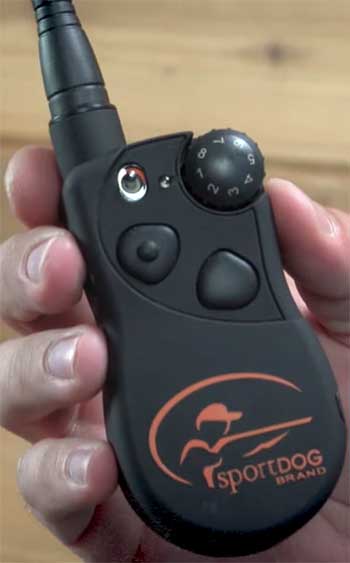
- Field-Ready Tactile Feedback I love the “click” of a SportDOG dial. When I’m in the woods and my eyes are on the dog, I don’t want to look at a screen. I can feel the clicks: “One, two, three.” I know exactly what level I’m on by touch alone. This tactile feedback is essential for high-intensity training where split-second timing is everything.
- Built for the Elements SportDOG gear is designed to be abused. I’ve seen these remotes get stepped on, dropped in mud, and left in freezing trucks, and they just keep working. The buttons are generally larger and have more “travel,” which is a lifesaver if you’re wearing thick hunting gloves or if your hands are wet and cold.
- Industry-Leading Battery Life If you are a “weekend warrior” who forgets to charge your gear, SportDOG is your best friend. Their battery management is incredible. Many models can go weeks on standby, and even with heavy daily use, you’ll find yourself reaching for the charger far less often than you would with a Dogtra.
- Simplicity and Customization The ability to change the “mode” of the transmitter is a huge pro. You can decide if the side button is a “Nick” or a “Tone.” This allows you to tailor the remote to your specific training style. If you primarily use “Tone” as a warning and “Nick” as a correction, you can set the remote up so those buttons are the easiest to reach.
Cons of Using SportDOG
- Coarser Stimulation Increments This is the biggest drawback for me. On a 7-level or 10-level dial, each jump represents a significant increase in power. If your dog is a “2.5,” you have to decide between a “2” that they might ignore or a “3” that might make them yelp. This lack of “in-between” levels makes it harder to use SportDOG for very nuanced, low-pressure communication.
- The “Hot” Start In my experience, SportDOG’s level 1 tends to feel slightly more intense than Dogtra’s level 1. For a very tough, high-drive hunting dog, this isn’t an issue. But for a pet dog or a sensitive breed, even the lowest setting on a SportDOG can sometimes be a bit too much of a “surprise.”
- Bulkier Receiver Profiles SportDOG receivers tend to be boxier. On a smaller dog or a dog with a thin neck, the receiver can look a bit “clunky” and may rotate or sag if the collar isn’t kept quite snug. It’s less about aesthetics and more about the contact points staying in the right place for consistent communication.
Also Read: Differences Between Frisco And Midwest Dog Crates.
Frequently Asked Questions (FAQ)
It depends on your dog. Dogtra is better for sensitive dogs needing precision (0-127 levels), while SportDOG is superior for rugged hunting environments and long-range durability.
Both Dogtra and SportDOG are top-tier. Dogtra is often preferred by professional behaviorists, while SportDOG is the go-to for field hunters and outdoor enthusiasts.
Yes, Dogtra is considered one of the most reliable and technologically advanced brands in the industry, specifically known for its smooth rheostat dial and waterproof durability.
Vets typically recommend high-quality brands like Dogtra or SportDOG if you are using an e-collar, emphasizing the importance of proper training and “low-stim” communication rather than high-level punishment.
Final Thoughts
Choosing between Dogtra and SportDOG isn’t about finding the “perfect” collar; it’s about finding the right tool for your specific dog. If you value surgical precision and have a dog that requires a gentle touch, I’d tell you to go with Dogtra every time.
However, if you want a rugged, reliable system that can survive a trip through a swamp and offers easy, tactile controls, SportDOG is your best bet. You need to consider your environment and your dog’s “drive” before pulling the trigger.
Whichever you choose, remember that the tool is only as good as the training behind it.