
I’ve spent years on job sites and in my garage relying on DeWalt tools to get things done without constant headaches. The debate between the 20V Max XR and Atomic lines comes up all the time among DIYers and pros alike.
In this piece, I break down what sets them apart, share my real-world experiences with both, and help you figure out which one fits your needs best—whether you’re tackling heavy framing or squeezing into cramped cabinets.
| Aspect | DeWalt 20V Max XR | DeWalt Atomic |
| Primary Focus | Maximum power, torque, and runtime | Compact size and maneuverability in tight spaces |
| Motor Type | Brushless (high-efficiency) | Brushless (high-efficiency) |
| Size and Weight | Larger and heavier for better stability | Significantly shorter and lighter |
| Power/Torque | Higher peak torque in most models | Very close, sometimes matches or exceeds in compact form |
| Battery Compatibility | Full 20V Max system, including FlexVolt | Full 20V Max system, including FlexVolt |
| Best For | Heavy-duty tasks, prolonged use | Tight spaces, overhead work, daily carry |
| Price Range (tool only) | Generally higher | Often more affordable |
| Heat Management | Better dissipation due to larger body | Can heat faster during extended heavy use |
Key Differences Between DeWalt Max XR And Atomic
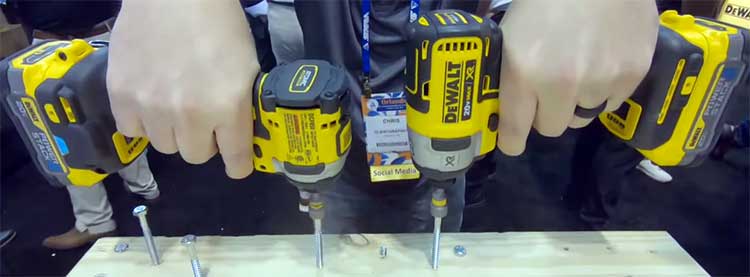
Here’s where the real separation happens. Both lines are excellent, but they target different priorities.
- Size and Ergonomics: Atomic tools are noticeably shorter and narrower—sometimes by inches—which changes everything in confined spaces. XR feels more substantial in hand, which I prefer for control during high-torque applications.
- Power Delivery: XR generally edges out in peak torque and sustained power, especially in hammer drills and high-torque impacts. Atomic closes the gap dramatically in recent models; I’ve driven lag bolts with Atomic that I thought only XR could handle.
- Weight Distribution: Atomic’s lighter build reduces arm strain over a full day, particularly overhead. XR’s extra mass provides stability when drilling into masonry or driving large fasteners.
- Heat Buildup: Larger XR bodies dissipate heat better during prolonged heavy use. Atomic can warm up faster under extreme loads, though it rarely causes issues for typical tasks.
- Tool Selection: XR has more variety, especially in specialty and high-power categories. Atomic focuses on core tools but expands steadily.
- Battery Performance: Both benefit from the same ecosystem, but XR maximizes runtime with larger packs, while Atomic excels with compact Powerstack batteries.
- Durability Perception: Both are pro-grade tough, but XR’s bigger construction feels more bombproof for abusive job site conditions.
- Price-to-Performance Ratio: Atomic often delivers near-XR capability for less money, making it attractive for budget-conscious buyers.
These differences guide my choice depending on the job.
What The DeWalt 20V Max XR Line Really Means To Me?
I’ve owned several XR tools for years, and they feel like the workhorses I turn to when I need absolute confidence. The XR badge stands for eXtreme Runtime, and it delivers through smarter engineering.
- Brushless motors run cooler and last longer than older brushed ones—I’ve put thousands of screws through my XR impact driver without a hiccup.
- Higher capacity battery optimization means I finish full days without swapping packs as often.
- Tool-free adjustments and premium grips reduce fatigue on long jobs.
- Built-in LED lights with multiple modes help in dark corners.
- Wider range of specialized tools, from high-torque impacts to beefy circular saws.
- Better overall balance when paired with larger batteries for demanding tasks.
In my experience, XR shines when raw capability matters most.
Pros of DeWalt 20V Max XR
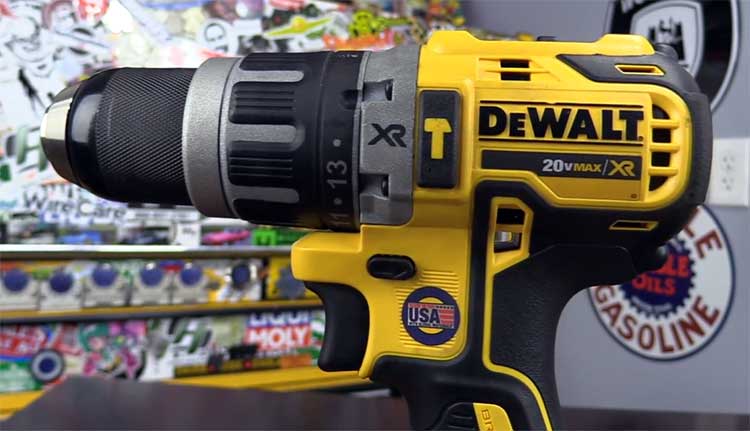
I’ve relied on XR tools for the toughest jobs over the years, and they consistently deliver when I need raw capability without compromise. Here’s what stands out most from my experience:
- Unrivaled Power and Torque: XR tools, especially the high-torque impact drivers and hammer drills, produce significantly higher peak torque numbers—often exceeding 2,000 in-lbs in the latest models. This means they power through dense hardwoods, thick metal, or stubborn lag bolts without bogging down. On framing jobs, I’ve driven ½-inch lags into pressure-treated lumber all day, and the XR never stalls where lesser tools would.
- Exceptional Runtime: The “eXtreme Runtime” name isn’t marketing fluff. With optimized brushless motors and compatibility with high-capacity batteries like the 6Ah or 8Ah packs (and even FlexVolt for extra boost), I routinely finish full workdays on a single charge. During a recent deck rebuild, my XR circular saw cut hundreds of boards on one 5Ah battery—something I couldn’t imagine with older lines.
- Superior Heat Management and Durability: The larger bodies act as better heat sinks, allowing sustained heavy use without thermal shutdowns. I’ve run my XR impact driver for hours driving deck screws in summer heat, and it stays cooler than expected. The build quality feels bombproof—dropped from ladders, covered in dust, and still going strong years later.
- Precise Control Features: Multiple speed settings, electronic clutches, and precision drive modes give finer control than basic tools. In finish work, the low-speed precision mode prevents over-driving delicate screws, saving me from stripped heads or damaged materials more times than I can count.
- Enhanced Lighting and Visibility: The triple-LED lights with spotlight and delay-off features illuminate work areas brilliantly. Working in dimly lit attics or under cabinets, the XR’s lighting makes a real difference—no more fumbling with separate flashlights.
- Better Balance with Larger Batteries: When paired with bigger packs, the added weight low on the tool improves stability during heavy drilling or cutting. It feels planted and controlled, reducing kickback and improving accuracy on long sessions.
- Wider Range of Specialized Tools: The XR lineup includes high-performance options like 60V FlexVolt conversions, dedicated metal-cutting saws, and extreme-duty grinders that Atomic simply doesn’t match yet. If your work demands specialized power, XR has you covered.
- Proven Professional Reliability: On commercial sites, XR is everywhere for a reason—contractors trust it for daily abuse. The warranty support and parts availability reflect DeWalt’s confidence in the line.
These strengths make XR my default when maximum performance is non-negotiable.
Cons of DeWalt 20V Max XR That I’ve Noticed
Even my favorite tools have downsides, and XR’s trade-offs become obvious in certain situations:
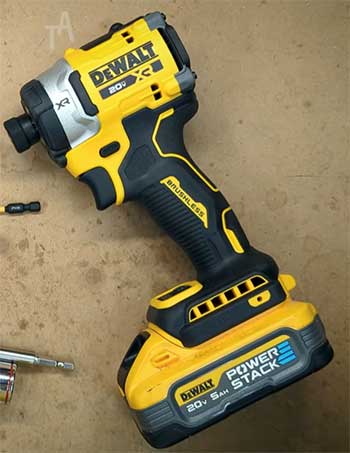
- Bulk and Weight Fatigue: The larger size and heavier build (especially with big batteries) wear you out faster on overhead or extended reach work. After a full day of ceiling installations, my arms feel the difference compared to lighter options.
- Struggles in Extremely Tight Spaces: The longer head and wider body simply won’t fit into some confined areas—like between closely spaced joists or inside crowded electrical boxes. I’ve had moments where I had to grab a different tool entirely.
- Higher Cost of Entry: XR tools command a premium price, often $50–$100 more than comparable Atomic versions. For hobbyists or lighter users, that extra expense can feel hard to justify when performance differences aren’t always noticeable.
- Overkill for Everyday Tasks: Many DIY or light professional jobs don’t need the full XR capability, making the tools feel unnecessarily robust (and expensive) for screwing drywall or assembling furniture.
- Takes Up More Storage and Bag Space: The bigger footprint means they dominate tool bags and shelves. Organizing a mobile setup with multiple XR tools requires more room than a compact-focused kit.
- Slightly Louder Operation in Some Models: The extra power sometimes translates to more noise under load, which matters in noise-sensitive environments like occupied homes.
These limitations rarely make me regret owning XR tools, but they do influence when I reach for them.
Also Read: Comparison of Quinn And Icon Harbor Freight Tools.
Why I Reach for Atomic Tools More Than You’d Expect
Atomic surprised me when it first came out. I expected a “budget” compact line, but it’s genuinely impressive—smaller without feeling like a compromise.
- Ultra-compact design fits where full-size tools simply can’t.
- Still brushless, so efficiency and durability match premium standards.
- Lighter weight makes overhead work far less tiring.
- Surprisingly punchy performance that handles 90% of what XR does.
- Optimized head length for awkward angles, like inside cabinets or under sinks.
- Quieter operation in some models, which I appreciate in residential jobs.
Atomic has become my daily driver for most finishing and installation work.
What Makes DeWalt Atomic So Appealing: The Pros
Atomic completely shifted my daily tool choices—it’s not just “compact,” it’s legitimately capable in a smaller package. Here’s why it often ends up in my hand:
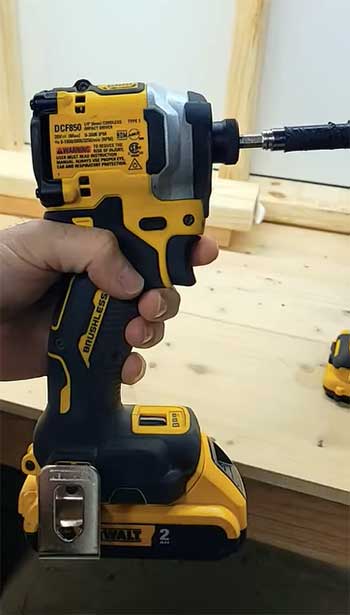
- Incredible Compactness and Maneuverability: Atomic tools shave inches off length and width, letting me work in spaces that would frustrate full-size drivers. Installing cabinets, working inside vanities, or reaching into engine bays—the shorter design changes everything.
- Surprisingly Strong Performance: Recent Atomic impact drivers now push 1,800+ in-lbs of torque and match or come very close to XR in real-world fastening speed. I’ve built entire furniture pieces and hung heavy gates with Atomic tools that handled the job effortlessly.
- Lightweight Comfort for All-Day Use: Dropping a pound or more per tool reduces strain dramatically. Overhead drywall work or ladder jobs feel far less taxing—I can work longer without shoulder burnout.
- Excellent Value and Accessibility: Atomic often costs noticeably less while delivering brushless efficiency and pro-grade build. It’s an easier entry point for newer users or those expanding their 20V ecosystem without breaking the bank.
- Faster Deployment in Awkward Positions: The smaller size and better one-handed balance mean quicker, more intuitive use. Grabbing it from a tool belt and driving screws in tight corners feels natural and efficient.
- Reduced Vibration and Quieter Operation: Many Atomic models transmit less vibration to your hand and run quieter overall. In residential settings, clients appreciate the lower noise, and my hands thank me after long sessions.
- Optimized for Compact Batteries: Paired with Powerstack or 2Ah/3Ah packs, Atomic achieves outstanding power-to-weight ratio. The tool feels nimble without sacrificing usable runtime for typical tasks.
- Modern, Thoughtful Ergonomics: Grips, triggers, and belt hooks are refined for comfort and convenience. The design clearly considers real-world daily carry and frequent use.
- Versatile for Mixed Workloads: From automotive to finish carpentry to general home maintenance, Atomic handles 90% of common jobs with ease, making it the ultimate “one tool does most things” option.
Atomic has become my most-used line because it fits real life better than pure power tools often do.
Drawbacks of The Atomic Line I’ve Experienced
Atomic isn’t perfect, and there are scenarios where its compact focus shows limitations:
- Lower Peak Power in Extreme Applications: While great for most work, Atomic can hit its limits sooner on the heaviest tasks—like driving very long lags into dense material or prolonged concrete drilling. It gets the job done, but slower and with more effort than XR.
- Faster Heat Buildup Under Sustained Load: The smaller body has less mass to dissipate heat, so continuous heavy driving warms it up quicker. On big projects, I’ve had to pause occasionally to let it cool—rare, but noticeable.
- Less Leverage in Some Situations: The compact grip area can feel cramped for users with larger hands during high-torque operations. You lose a bit of that “planted” feel that bigger tools provide.
- Limited High-Power Specialty Options: Atomic focuses on core tools; you won’t find the extreme-duty variants or FlexVolt-exclusive beasts that XR offers. If your work demands niche high-performance tools, choices are narrower.
- Battery Runtime Trade-Off on Max Demands: While efficient, pushing Atomic hard drains batteries faster than XR under identical heavy loads. For marathon sessions of demanding work, you’ll swap packs more often.
- Perceived as Less “Pro” by Some: On job sites dominated by full-size tools, Atomic can draw skeptical looks—even though performance proves it wrong. It’s more about optics than reality.
These cons are real but rarely deal-breakers for the kind of work Atomic targets best.
Also Read: Is DeWalt Hydraulic Impact Driver Worth It?
Frequently Asked Questions (FAQ)
XR prioritizes maximum power and runtime with larger designs; Atomic focuses on compact size while maintaining brushless performance and near-equivalent power for most tasks.
Absolutely—it’s excellent. Atomic tools are pro-quality brushless performers optimized for tight spaces and daily carry, often matching or approaching XR capability.
The latest XR high-torque models like the DCF860 deliver the highest torque ratings, ideal for extreme fastening demands.
Atomic is DeWalt’s compact series within the 20V Max platform—smaller, lighter tools designed for maneuverability without sacrificing brushless efficiency.
Final Thoughts
I’ve laid out everything I’ve learned from years of using both lines side by side. Whether you go XR for brute strength or Atomic for everyday agility, you can’t really go wrong—DeWalt built both to last.
Think about your typical jobs: if you’re constantly fighting for space, you’ll love Atomic. If you need every ounce of power, XR has your back. Whichever you choose, you’ll join countless satisfied users getting real work done.