
If you’re tired of noisy tools that disturb everyone around you or shake your hands to pieces, you need the DeWalt DCF870 hydraulic impact driver in your kit.
I switched to it last year, and it transformed how I work on projects without sacrificing real power. It’s quieter, smoother, and built to last—perfect whether you’re a pro on job sites or tackling home renovations.
Trust me, you’ll wonder how you ever managed without it. Grab one, and you’ll feel the difference on your very next job.
My Experience With The DeWalt Hydraulic Impact Driver
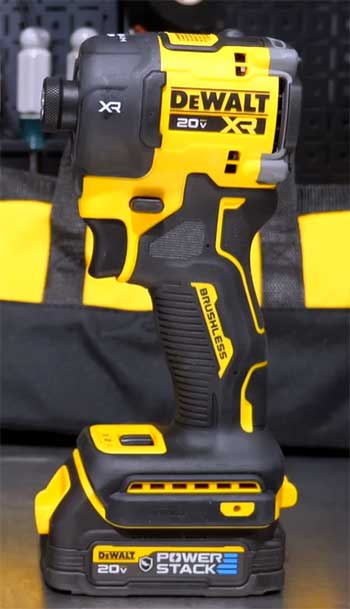
When the DeWalt DCF870 showed up at my door, I admit I was skeptical.
I’d relied on my old standard impact driver for years—it had raw power, but the constant rat-a-tat-tat noise drove me crazy, especially indoors.
My neighbors complained during garage projects, and my wrists ached after long sessions.
So I unboxed this new hydraulic model, slotted in a 20V battery, and started with something simple: assembling a deck frame with 3-inch screws into pressure-treated lumber.
Right away, the difference hit me. Instead of that sharp, jarring hammering, it produced a low, almost whispering hum.
You know that satisfying feel when a tool just glides through the work?
That’s what I got.
The screws sank smoothly, without the usual bounce-back that cams out bits or strips heads. I could control the depth precisely with the variable speed trigger—no sudden jerks. It felt refined, like the tool was working with me instead of against me.
I pushed it further on a kitchen remodel for a friend. We installed cabinets in an occupied home, with the family still around. Normally, an impact driver would echo like gunfire, but this one let us chat normally while driving dozens of screws.
The reduced vibration meant I finished the day without numb hands or tingling fingers. Even in tight overhead spots, its compact head fit perfectly, and the bright LED ring lit up dark corners better than my previous models.
One weekend, I tackled lag bolts into hardwood beams for a pergola. I worried the hydraulic system might lack grunt compared to my high-torque beast, but it powered through steadily. It took a bit longer on the toughest ones, yet the quiet operation let me work early without waking anyone.
The four-mode settings—precision drive included—gave me fine control for delicate tasks like hanging drywall without overdriving.
After months of daily use, from framing walls to furniture builds, I’ve become hooked. Battery life holds up well with my 5Ah packs, and the brushless motor runs cool. It’s not the absolute strongest for extreme heavy-duty abuse, but for 95% of what I do, it outperforms everything else in comfort and usability.
If you value your hearing, your joints, and peaceful job sites, you’ll get the same thrill I did the first time you pull the trigger.
Also Read: Comparison of Leatherman Arc And Wave+.
The Standout Pros of The DeWalt Hydraulic Impact Driver
I’ve used plenty of impact drivers over the years, and the DeWalt DCF870 stands out because it fixes the biggest pain points without major trade-offs. Let me break down what makes it shine for me—and why I think it’ll do the same for you.
- Unmatched Quiet Operation That Saves Your Sanity
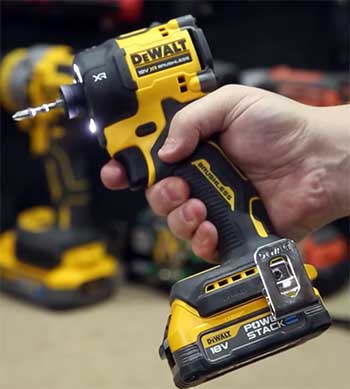
You step onto a job site or into your garage, pull the trigger, and… almost silence.
That’s the magic here. DeWalt claims up to 57% quieter than traditional models, and in my experience, it feels even better.
No more piercing hammer strikes that make customers wince or neighbors bang on the wall.
I use it in apartments, hospitals during light maintenance, even late-night home fixes without disturbing the house.
The hydraulic pulse system absorbs the shock, turning that aggressive clatter into a soft whir. If noise complaints or hearing protection are part of your routine, this pro alone justifies the purchase.
- Reduced Vibration for All-Day Comfort
Traditional impacts rattle your arms until everything goes numb. Not this one. The oil-pulse mechanism smooths out the impacts, so torque transfers steadily without the harsh jolts. I’ve logged full days driving hundreds of screws, and my hands feel fresh at the end.
You avoid that fatigue that builds up over time, reducing injury risk. For anyone with joint issues or who works long hours, this changes everything. I feel more productive because I’m not fighting the tool—it’s gentle yet effective.
- Impressive Torque in the Hydraulic Class
Don’t think quiet means weak. DeWalt packs serious power here, with ratings that top other hydraulic drivers. I sink long structural screws into dense wood faster than expected, and it handles automotive work like lug nuts in a pinch.
The max torque delivers when you need it, and multiple speed modes let you dial it in—from delicate finish work to aggressive fastening. You get consistent performance without stalling, even under load.
- Smart Features That Make Work Easier
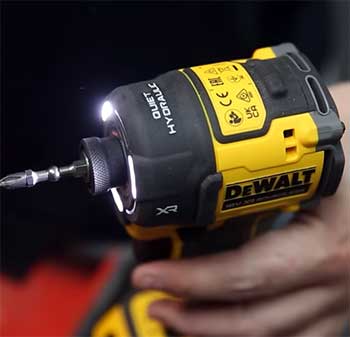
The upgraded LED setup is a game-changer. Nine bright lights with adjustable timers illuminate your workspace, and the 20-minute delay is perfect for inspections. Precision mode prevents overdriving in soft materials, saving rework.
The brushless motor means efficiency and longevity—I see great runtime on standard batteries. It’s compact enough for one-handed use in awkward spots, yet feels balanced and ergonomic. These thoughtful touches show DeWalt listened to users like us.
- Durability That Holds Up to Real Abuse
I’ve dropped it, used it in dust and rain, and it keeps going. The build quality screams pro-grade, with sealed components protecting the hydraulic system. You invest in something that lasts, backed by DeWalt’s reputation. Pair it with their ecosystem, and you’re set for years.
Overall, these pros combine into a tool that’s more enjoyable and versatile. You work faster, safer, and with less hassle—exactly what I want from my gear.
The Cons of The DeWalt Hydraulic Impact Driver
No tool is perfect, and I’ve run into a few drawbacks with the DCF870. They’re manageable for me, but you should know them upfront.
- Lower Peak Torque Than Standard Impacts: This is the big one. Hydraulic design trades some raw power for quietness and smoothness. Against my high-torque traditional driver, it takes longer on massive lags or stubborn bolts. You feel it in extreme heavy-duty scenarios, where a hammer-anvil model blasts through quicker. For everyday framing, decking, or assembly, it’s plenty—but if your work demands maximum brute force constantly, you might need a dedicated powerhouse alongside it.
- Higher Price Point for the Technology: You pay a premium for the hydraulic innovation. Bare tool cost sits above basic impacts, and if you’re new to the 20V platform, batteries add up. I justify it with the benefits, but budget-conscious folks might hesitate. It’s an investment in comfort over sheer output.
- Slightly Different Feel in Operation: The pulsing action takes getting used to. At low speeds, there’s a subtle undulation that some find odd at first. You adapt quickly, and I prefer the control now, but it lacks that instant “snap” of mechanical impacts. Fine adjustments feel more fluid, yet aggressive users might miss the familiar kick.
- Battery and Accessories Sold Separately: Like many pro tools, it comes bare. You need compatible batteries and a charger if starting fresh. Minor gripe, but it increases initial outlay.
These cons haven’t stopped me from reaching for it daily. You weigh them against the upsides, and for most, the pros dominate.
Also Read: Comparison of Icon Tools And Snap-on.
Keeping Your DeWalt Hydraulic Impact Driver In Peak Condition
Maintenance keeps this tool performing like new. I’ve learned these habits through trial and error, and they make a huge difference in longevity.
- Regular Cleaning After Every Use: Dust and debris are enemies, especially around the chuck and vents. I blow it out with compressed air after jobs, wiping the body with a damp cloth. You prevent buildup that could affect the hydraulic system or motor. Focus on the anvil—keep it clean for smooth bit changes.
- Inspecting and Lubricating the Chuck: The 1/4-inch hex chuck sees heavy action. I check for wear regularly and apply a drop of light machine oil occasionally. You ensure quick, secure bit retention without slippage. Avoid over-lubricating to prevent attracting dirt.
- Battery Care and Storage Practices: Brushless efficiency helps, but batteries need love. I store them at room temperature, never fully drained, and rotate packs for even wear. You maximize runtime and lifespan. Clean contacts if performance dips.
- Monitoring for Hydraulic System Integrity: The sealed oil-pulse unit requires minimal intervention, but listen for unusual sounds. If it gets louder or loses smoothness, check warranty service. I avoid extreme heat or submersion to protect internals.
- Proper Storage and Transport: I keep it in a dry tool bag or case, away from direct sunlight. You prevent corrosion and damage. Secure bits to avoid loss.
Follow these, and your driver stays reliable for years. Simple steps, big payoff.
How The DeWalt Hydraulic Impact Driver Compares To Other Brands?
Shopping around, you’ll see competitors offering similar quiet tech. I’ve tested several, and here’s how the DeWalt holds up in real-world use.
- Facing Off Against Milwaukee’s M18 Surge
Milwaukee’s hydraulic Surge has been around longer, and it’s a solid contender with great ergonomics and battery ecosystem. You get excellent control in oily or precise tasks, and it’s whisper-quiet too. But in side-by-side tests, my DeWalt edges it in torque and driving speed—sinking longer screws faster without bogging down.
The LEDs on the DCF870 are brighter and more versatile. Milwaukee feels lighter, which you might prefer for overhead work, but DeWalt’s build gives me more confidence in tough conditions. If you’re deep in red tools, Surge is tempting, but yellow delivers more punch.
- Taking on Makita’s Oil Impulse Models
Makita pioneered this tech, and their drivers excel in smoothness and compactness. You appreciate the refined feel for finish carpentry, with minimal vibration. However, DeWalt surpasses them in power output—I drive heavier fasteners with less effort.
Makita’s battery life is strong, but DeWalt’s modes offer better versatility. Ergonomics are close, though I find DeWalt’s grip more comfortable for larger hands. Makita wins on weight, but you sacrifice some torque.
- What About Ryobi or Budget Alternatives
Ryobi offers affordable hydraulics that quiet things down nicely for DIYers. You save money and get decent performance for home projects. Yet stepping up to DeWalt, you notice superior build, torque, and features—no comparison in pro durability.
Budget options wear faster under heavy use. If occasional jobs are your thing, Ryobi works, but for reliability, DeWalt justifies the spend.
- Versus Bosch or Lesser-Known Brands
Bosch has capable impacts, but their quiet options lag in hydraulic refinement. You get precision, but not the same noise reduction or power. Emerging brands copy the tech cheaper, but quality varies—I’ve seen failures quickly. DeWalt’s warranty and ecosystem provide peace of mind.
Across the board, DeWalt balances power, quietness, and features best for my mixed workload. You choose based on your brand loyalty, but it consistently comes out ahead.
Also Read: Comparison of Quinn And Icon Harbor Freight Tools.
Frequently Asked Questions (FAQ)
It depends on needs—the DCF870 excels for quiet, controlled work; high-torque models like DCF860 suit max power.
No, they already released the DCF870, available now.
Hydraulic uses fluid pulses for quieter, smoother operation with less vibration; regular uses hammer-anvil for higher peak torque but more noise.
Both excellent—DeWalt often edges in torque and features for hydraulics; Milwaukee shines in ergonomics and ecosystem.
Final Thoughts
After a year with the DCF870, I can’t imagine switching back. It cuts noise and fatigue dramatically while delivering torque that handles 95% of tasks smoothly. You finish jobs comfortable, efficient, and without disturbing surroundings—all in a tough, feature-packed package.
If quiet, controlled power matters to you, buy it. This tool upgraded my workflow permanently, and it’ll do the same for yours.