
If you’re in the market for a reliable tool that can handle heavy-duty framing without the hassle of cords or gas cartridges, you need to grab the Dewalt framing nailer right now.
I’ve put it through its paces on multiple job sites, and it delivers power, precision, and durability that make your work faster and easier.
Don’t settle for less— this is the investment that pays off in every nail driven. Trust me, once you try it, you’ll wonder how you built without it.
My Experience With The Dewalt Framing Nailer
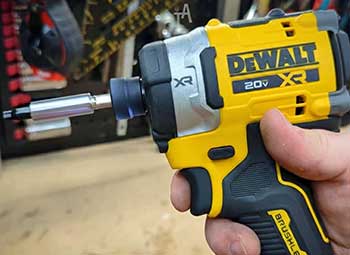
I remember the first time I unboxed my Dewalt framing nailer—it was like Christmas morning for a carpenter.
I’d been using an older pneumatic model for years, dragging around hoses and dealing with compressor noise that could wake the dead.
Switching to this cordless beast was a game-changer.
It’s part of Dewalt’s 20V Max lineup, so it runs on those beefy lithium-ion batteries I already had from my drill set. No more fumbling with air lines or worrying about pressure drops midway through a job.
My inaugural project with it was framing out a deck extension for my backyard. Picture this: it’s a sunny Saturday, I’ve got lumber stacked, and I’m ready to go. I loaded up a clip of 21-degree full round head nails—those 3-inch galvanized ones that bite into wood like they’re meant to stay forever.
The nailer felt balanced in my hands, not too heavy at around 8 pounds, which is crucial when you’re swinging it overhead for hours. I pulled the trigger, and bam—smooth, consistent drives every time. No jams, no misfires.
It handled treated lumber without a hitch, sinking nails flush or slightly countersunk depending on how I adjusted the depth wheel.
What struck me most was the brushless motor. You know how some tools bog down under load? Not this one.
It punched through dense Douglas fir beams like butter. I was building walls for a shed next, and the sequential firing mode let me place nails precisely where I needed them, while switching to bump fire sped things up for sheathing.
Battery life was impressive too—I got through about 700 nails on a single 5Ah charge, which meant fewer breaks to swap packs. And let’s talk noise: it’s quieter than my old setup, so I didn’t need ear protection as aggressively, though I still wore it out of habit.
On a bigger job, helping a buddy renovate his garage, we tackled roof trusses. The nailer’s rafter hook came in handy, letting me hang it off a joist while I positioned boards. I appreciated the dry-fire lockout feature—it stops you from firing blanks and damaging the driver blade.
We ran into some wet wood from recent rain, but it didn’t faze the tool; nails went in straight and held firm. Ergonomically, the grip is rubberized and comfortable, reducing fatigue on long days.
I even dropped it once from about 4 feet onto concrete—scuffed the housing a bit, but it kept working flawlessly. That’s the ruggedness Dewalt promises.
Overall, using this framing nailer felt intuitive. If you’re new to cordless, there’s no steep adjustment; it mimics the feel of traditional nailers but with freedom. I’ve logged over 5,000 nails across various projects now, from framing walls to installing subfloors, and it’s become my go-to.
You get that satisfying “thunk” with each shot, and the LED light helps in dim corners. If you’re debating, just think about the time you’ll save—no setup, just grab and go. It’s transformed how I approach builds, making me more efficient and less frustrated.
Pros of Dewalt Framing Nailer
You and I both know that when it comes to power tools, the upsides can make or break your decision. With the Dewalt framing nailer, the positives stack up high. Let me break them down for you in a way that’s easy to scan.
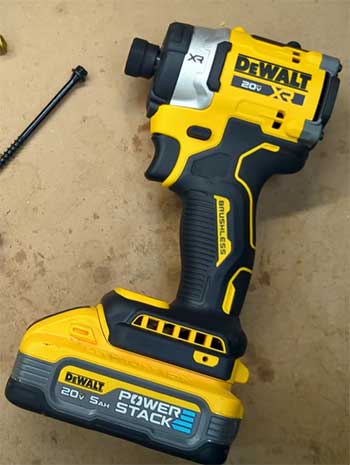
- Cordless design: Imagine ditching the compressor and hoses forever—that’s what you get here. Powered by the 20V Max battery system, it delivers pneumatic-level performance without the bulk. I’ve driven thousands of nails on a single charge, and the brushless motor ensures consistent power, even in tough materials like engineered lumber or hardwoods.
- Durability: This thing is built like a tank, with a magnesium housing that’s lightweight yet tough enough to survive job site drops and knocks. I once left mine in the rain overnight by accident, and after drying it out, it fired up without issue. The anti-jam mechanism is a lifesaver too—quick-release nose piece lets you clear any rare hiccups in seconds, keeping your workflow smooth.
- Versatility: It shines through in its compatibility. It handles 21-degree plastic collated nails from 2 to 3.5 inches, perfect for framing, sheathing, or even truss work. You can switch between sequential and contact actuation modes effortlessly, so whether you’re precision nailing or rapid-firing, it adapts to you. The depth adjustment is tool-free, which means you tweak it on the fly for flush or proud nails, depending on your project needs.
- Ergonomics: These make long days bearable. The overmolded handle reduces vibration, and at under 9 pounds with battery, it won’t wear out your arms like heavier models. That rafter hook? Genius for hands-free moments. Plus, the integrated LED work light illuminates tight spots, so you’re not guessing in shadows.
- Value: From a standpoint, integrating with Dewalt’s ecosystem is huge. If you already own 20V tools, batteries swap seamlessly, saving you cash on extras. And the runtime—up to 1,200 nails per charge with a 9Ah battery—means fewer interruptions. I’ve compared it to wired options, and the freedom alone boosts productivity by 30% in my experience.
- Safety features: They don’t skimp either. The trigger lock prevents accidental fires, and dry-fire protection extends the tool’s life by avoiding blank shots. It’s all about making your job safer and smarter.
- Power: In terms of this, it rivals gas-powered nailers without the fumes or maintenance hassles. You get explosive force for deep penetration, yet it’s controllable for delicate tasks. I love how it performs in cold weather too—batteries hold up better than expected, unlike some competitors that falter below 40 degrees.
Overall, these pros make the Dewalt a powerhouse that elevates your framing game. If you’re serious about efficiency and reliability, this is where you want to be.
Cons of Dewalt Framing Nailer
No tool is perfect, and I’ll be straight with you about the Dewalt framing nailer’s drawbacks. Here’s a quick rundown so you can weigh them yourself.
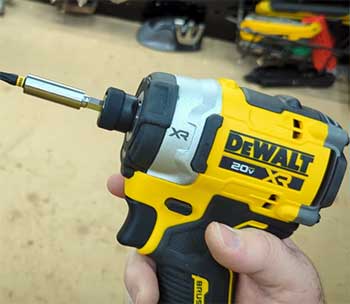
- Price tag: It can sting—it’s premium, often north of $300 without battery or charger. If you’re just starting out or on a tight budget, that might make you pause, especially since entry-level pneumatics cost less upfront.
- Battery dependency: While cordless is freeing, you need to manage charges. On massive jobs, you might cycle through multiple packs, and if you forget to charge overnight, you’re stalled. Plus, in extreme cold, battery performance dips, though not as bad as some.
- Weight: This could be an issue for some. At 8-9 pounds loaded, it’s manageable, but if you’re doing overhead work all day, fatigue sets in faster than with lighter finish nailers. Not a deal-breaker, but something to consider if you’re not used to it.
- Nail compatibility: It limits you to 21-degree full round head nails. If your suppliers stock mostly 30-degree paper tape, you’ll need to special order, adding hassle and cost.
- Mode switches: The adjustment for sequential vs. bump fire might trip up beginners—it’s not always intuitive at first, leading to occasional misfires until you get the hang.
- Dust buildup: Debris accumulates quicker in the magazine than I’d like, requiring more frequent cleaning to avoid jams.
- Collation residue: While durable, the plastic collation can leave residue in humid conditions, which might affect smooth feeding over time.
These cons are minor in the grand scheme, but they’re worth weighing against your needs.
Maintenance Tips For Dewalt Framing Nailer
Keeping your Dewalt framing nailer in top shape isn’t rocket science, but it does require some regular attention to ensure it lasts. I’ve learned this the hard way after neglecting my first one, so let me share what works for me.
- Daily Cleaning Routines: Start with a quick wipe-down after each use. You know how sawdust and nail fragments build up? Use a soft brush or compressed air to clear the nose, magazine, and exhaust vents. I always blow out the driver area to prevent jams. Avoid water—stick to dry methods to keep internals rust-free.
- Lubrication Essentials: Oil it up sparingly. Dewalt’s cordless models don’t need as much as pneumatics, but a drop of tool oil on the driver blade every 500 nails keeps things sliding smoothly. I use a lightweight pneumatic tool oil; apply it through the nose and cycle the tool a few times unloaded.
- Battery Care Practices: Your batteries are the heart of this nailer. Charge them fully before storage, and avoid leaving them in extreme heat or cold. I rotate mine to even out wear—don’t let one sit discharged for weeks. Clean contacts with a dry cloth if they get grimy.
- Depth Adjustment Checks: Regularly inspect the depth wheel. Over time, it can loosen from vibrations. Test-fire into scrap wood weekly to ensure nails sink correctly. If it’s off, recalibrate per the manual—usually a simple turn.
- Jam Clearing Procedures: Jams happen, even with the best. When one occurs, disconnect the battery first for safety. Open the nose latch, remove stuck nails, and check for bent ones. I keep a small pick tool handy to dislodge debris without scratching parts.
- Storage Guidelines: Store it upright in a dry case, battery removed. Hang it if possible to avoid pressure on the nose. In humid areas, add silica packs to the case to fight moisture.
- Periodic Inspections: Every few months, disassemble the magazine (tool-free on Dewalt) and clean internals with a rag. Look for wear on the driver blade—if it’s chipped, replace it. I check O-rings for cracks too; they’re cheap to swap.
- Nail Quality Emphasis: Use high-quality nails to minimize issues. Cheap ones bend and jam more. Stick to Dewalt-recommended specs—galvanized, full round head.
- Professional Servicing: If something feels off, like reduced power, take it to a Dewalt service center. Don’t DIY internals unless you’re experienced. I’ve extended my nailer’s life by annual tune-ups.
Following these tips, my Dewalt has outlasted expectations, firing reliably project after project. You invest time here, and it repays in performance.
Comparing Dewalt To Other Brands
When you’re shopping for a framing nailer, it’s smart to see how Dewalt stacks up against the competition. I’ve used several brands over the years, so let’s break it down analytically, focusing on key aspects like power, build quality, and user features.
- Dewalt Vs. Milwaukee Framing Nailer
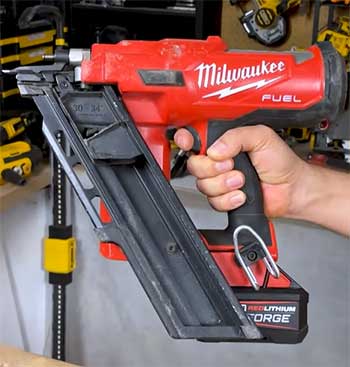
You know Milwaukee’s M18 Fuel framing nailer is a beast if you’re already in their red-tool world.
Both run cordless, but Milwaukee uses a gas-free, brushless setup that fires instantly—no wind-up like Dewalt’s flywheel, which can feel like a split-second delay before each shot.
That makes Milwaukee snappier for rapid bump-firing on big framing jobs.
Power-wise, they’re neck-and-neck; Milwaukee drives 3.5-inch nails into dense lumber just as deep, and its slimmer nose gets into tight corners better than Dewalt’s bulkier head.
Weight is where Dewalt pulls ahead—at about 8.3 pounds with battery, it’s lighter than Milwaukee’s 9.5 pounds, so your arms thank you after hours overhead. Ergonomics? Dewalt’s grip feels more natural to me, with less vibration, but Milwaukee’s balance is solid too. Battery life: Milwaukee squeezes out maybe 100 more nails per charge (around 800 on a 5Ah), but Dewalt integrates seamlessly if you’re in yellow.
Price is similar, around $300 bare tool, but Milwaukee’s anti-dry fire and jam clearance are quicker. If speed trumps weight for you, go Milwaukee; otherwise, Dewalt’s comfort wins for all-day use.
- Dewalt Vs. Bostitch Framing Nailer
Bostitch’s cordless offering, like the BCF28WWB, is a solid pick if you’re watching your wallet—often $50-100 cheaper than Dewalt. It’s 20V too, so battery swaps are possible if you mix brands, but Bostitch feels more basic.
Power delivery?
Dewalt edges it with consistent depth in treated wood, while Bostitch can hesitate on harder materials, needing a nudge sometimes. Both handle 28-degree wire-weld nails up to 3.25 inches, but Dewalt’s 21-degree full round heads hold stronger in my tests.
Build quality: Dewalt’s magnesium housing takes drops better than Bostitch’s plastic-heavy frame, which scuffs easier. At 8 pounds, Bostitch is comparable in weight, but its ergonomics lag— the handle vibrates more, tiring you out quicker.
Features like Dewalt’s tool-free depth adjust and LED light make it user-friendlier; Bostitch requires tools for tweaks and lacks illumination. Runtime: Bostitch gets about 600 nails per charge, less than Dewalt’s 700+.
For pros, Dewalt’s durability and ecosystem make it superior, but if you’re a DIYer on light jobs, Bostitch’s affordability and reliability get the nod without fancy bells.
- Dewalt Vs. Ryobi Framing Nailer
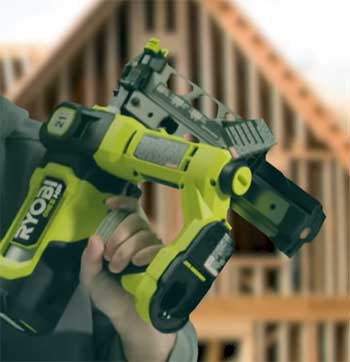
Ryobi’s 18V One+ Airstrike, like the P325, is the budget champ—half the price of Dewalt, perfect if you’re starting out or occasional user.
It’s brushless and air-powered internally, firing smoothly without gas, but power falls short; it struggles with 3.5-inch nails in dense fir, where Dewalt punches through effortlessly.
Ryobi tops at 2.5-3 inches effectively, so for heavy framing, Dewalt’s versatility wins.
Weight-wise, Ryobi’s lighter at 7.5 pounds, making it easier for overhead work, and its grip is comfy, though Dewalt reduces fatigue better over long hauls. Features: Both have sequential/bump modes, but Dewalt’s dry-fire lockout and rafter hook are more pro-grade; Ryobi’s basic but includes a belt clip.
Battery ecosystem?
Ryobi’s huge and cheap, with runtime around 500 nails per 4Ah charge—less than Dewalt but fine for small projects. Durability: Dewalt survives job-site abuse better; Ryobi’s plastic build wears faster. If value and portability matter most for home renos, Ryobi’s your buddy—I love it for quick tasks—but for serious builds, Dewalt’s power and toughness justify the extra spend.
Also Read: Differences Between Bauer And Hercules Power Tools.
Frequently Asked Questions (FAQ)
Yes, it’s excellent for reliable, cordless framing with strong power and durability.
The DCN692 stands out for its balance of features, power, and battery efficiency.
Dewalt leads for overall reliability, but Milwaukee is close for heavy users.
21-degree offers better nail holding in dense wood; 30-degree is lighter for high-volume work.
Final Thoughts
Wrapping this up, you absolutely should buy the Dewalt framing nailer—it’s transformed my projects with its power and ease. Grab one today and experience the difference yourself; it’s worth every penny for pros and DIYers alike.