
If you’re tired of furniture that falls apart after a couple of years or looks outdated fast, Design Within Reach is where you turn things around. I’ve invested in their pieces, and let me tell you—they deliver authentic modern classics that feel like art you can live with every day.
You get real quality that lasts, turns heads, and makes your space feel elevated. Trust me, once you sit in a genuine Eames lounge or gather around a Saarinen table, you’ll wonder why you waited so long. Go for it; your home deserves this upgrade.
My Personal Experience With Design Within Reach
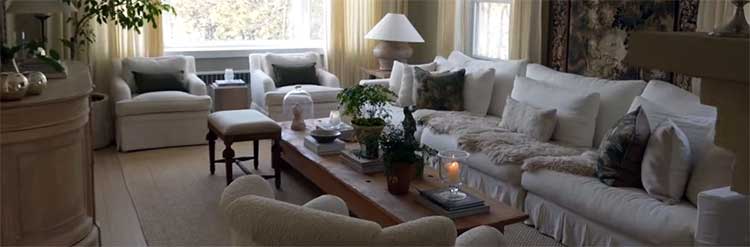
Let me take you back to when I first walked into a Design Within Reach studio. I was on the hunt for something timeless after years of piecing together my living room with whatever caught my eye online.
You know how it goes—affordable stuff that scratches easily or sags under real use. I wanted pieces that told a story, that felt like investments rather than temporary fixes.
I started with the Eames Lounge Chair and Ottoman. I’d dreamed about it forever, but replicas always left me disappointed. When I finally sank into the real one at the studio, it was instant love. The leather molded to me perfectly, the plywood curves were smooth and precise, and that gentle rock?
Pure relaxation after long days. I pulled the trigger on the classic black leather version, and bringing it home changed everything.
Then came the Noguchi Coffee Table. My old table was clunky and collected dust in every corner. This one, with its sculptural glass top and interlocking wood base, floats in the room like a piece of art. It’s surprisingly sturdy—I’ve had books, plants, and even kids climbing around it without a wobble.
Pairing it with a Saarinen Tulip Table in the dining area completed the look. That single pedestal base means no more banged knees when everyone squeezes in for dinner.
Ordering wasn’t just clicking “buy.” The studio associate spent time with me, pulling swatches, adjusting heights, and even sketching layouts.
When delivery day arrived (yes, it took longer than Amazon Prime, but more on that later), the white-glove team unpacked everything, assembled where needed, and placed it exactly right. No boxes cluttering my hallway for days.
Living with these pieces now feels effortless. Mornings start with coffee at the Noguchi table, evenings unwind in the Eames. Friends always comment—”Where did you get that?”—and I love saying it’s the real deal from Design Within Reach. Sure, it cost more upfront, but watching cheaper alternatives fail in friends’ homes?
I’ve never regretted spending for authenticity. These aren’t just furniture; they’re part of my daily joy, holding up beautifully and making my space feel curated, not cluttered.
If you’re hesitating like I did, just visit a studio. Sit in the pieces. Feel the difference. For me, it turned house into home.
What I Love About Design Within Reach: The Pros
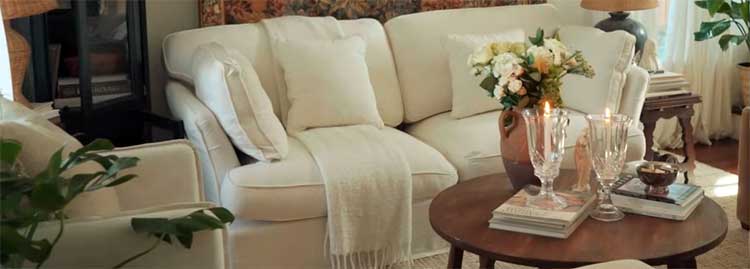
You know when something just clicks and makes your life better? That’s Design Within Reach for me. Here are the standout wins that keep me coming back—and recommending it to everyone I know.
- Authentic Icons You Can’t Find Everywhere These aren’t knockoffs or “inspired by” versions. You get licensed originals from legends like Eames, Saarinen, Noguchi, and more modern talents. I love knowing my chair is the exact same design museums display. It feels special every time I see it.
- Build Quality That Actually Lasts Touch any piece and you feel the difference—heavy-duty materials, precise joins, finishes that resist everyday wear. My Eames leather still looks brand new after years of use, no cracking or fading like cheaper leathers I’ve owned.
- Timeless Style That Fits Anywhere Mid-century modern never goes out of fashion, and DWR curates it perfectly. Whether your vibe is minimalist, colorful, or eclectic, their selection mixes seamlessly. My Noguchi table works with vintage rugs and contemporary art without clashing.
- In-Studio Experience Feels Personal The associates know their stuff—no pushy sales, just genuine help. They let you test everything, bring out samples, even create 3D renderings sometimes. It turns shopping into something enjoyable, not stressful.
- Customization Options Galore Fabrics, finishes, sizes—you often get choices that make the piece truly yours. I picked a specific walnut veneer for my table, and it matches my floors perfectly.
- Warranty and Peace of Mind Most pieces come with solid manufacturer warranties (like 12 years on Herman Miller items), and DWR stands behind them. When a small issue popped up once, resolution was straightforward.
These pros add up to furniture that elevates your whole space. You feel proud showing it off, and it holds value if you ever resell.
Also Read: Is Jonathan Louis Furniture Worth It?
The Real Drawbacks: The Cons of Design Within Reach
Look, nothing’s perfect, and I’d be doing you a disservice if I sugarcoated this. Here are the frustrations I’ve either experienced or heard consistently from others.
- Price Tags That Make You Pause Yes, it’s premium pricing. An authentic Eames Lounge runs thousands—way more than replicas. You pay for the real thing, but budget accordingly or wait for sales.
- Shipping and Delivery Headaches Lead times can stretch weeks or months, especially for custom orders. In-stock ships faster, but I’ve waited longer than expected, and tracking sometimes feels vague. White-glove is nice when it works, but rescheduling nightmares happen.
- Customer Service Inconsistencies Studio visits are great, but phone or email support varies. Some reps bend over backward; others seem overwhelmed. Returns involve restocking fees and you handle arranging pickup often.
- Limited Immediate Availability Not everything sits in warehouses ready to ship tomorrow. If you need something fast, you might walk away empty-handed.
- Heavy Pieces Require Planning These are solid, not lightweight particle board. Moving them around your home (or up stairs) needs muscle or pros.
Knowing these upfront helped me manage expectations. The quality outweighs the hassles for me, but if speed and low cost are priorities, look elsewhere.
Keeping Your Design Within Reach Pieces Looking Amazing
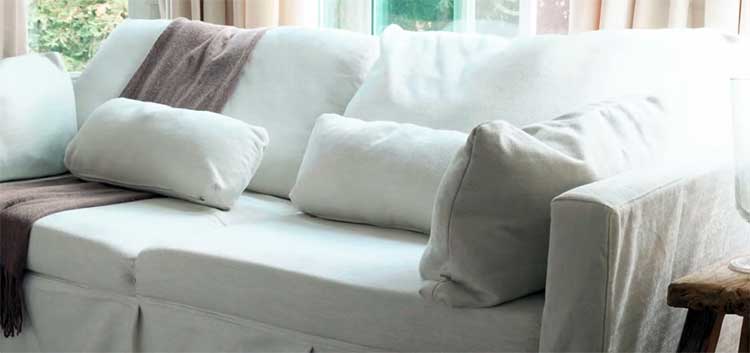
You invested good money, so let’s talk about making it last decades. I’ve learned these habits the practical way—through daily use and a few close calls.
Daily and Weekly Care Routines
- Dust regularly with a soft, dry microfiber cloth. I do a quick pass every few days—it prevents buildup that scratches surfaces over time.
- For leather upholstery (like my Eames), wipe with a barely damp cloth weekly. Avoid soaking; water spots leather.
- Wood veneers love gentle care—use a slightly damp cloth then dry immediately. No harsh cleaners that strip the finish.
Handling Spills and Stains Immediately
- Blot, don’t rub. I keep clean white towels handy. For coffee on fabric, mild soap and water works fast.
- Leather cleaner/conditioner twice a year keeps it supple. I use Herman Miller’s recommended products—expensive but worth it.
Protecting Marble and Stone Tops (Saarinen Tables)
- Coasters always. Acidic drinks etch marble quick. I learned that with lemon water once—faint ring reminder.
- Seal marble yearly if possible. Clean with pH-neutral stone cleaner, never vinegar or bleach.
Glass Surfaces Like Noguchi Tables
- Windex or glass cleaner with microfiber. Edge cleaning prevents grime in the curves.
- Avoid direct sunlight long-term to prevent any subtle hazing.
Rotating and Adjusting
- Rotate cushions monthly for even wear.
- Tighten bolts on chairs periodically—vibration loosens them over time.
Professional Help When Needed
- For deep cleans or repairs, DWR connects you to authorized services. Better safe than DIY disasters.
Follow this and your pieces stay stunning. Mine look as good as day one.
How Design Within Reach Stacks Up Against Other Brands?
I’ve owned or closely examined pieces from all these brands over the years—some in my own home, others in friends’ places or showrooms. Here’s the straight talk on how Design Within Reach holds up when you put it side by side with the brands you’re likely cross-shopping.
- Design Within Reach Versus Blu Dot
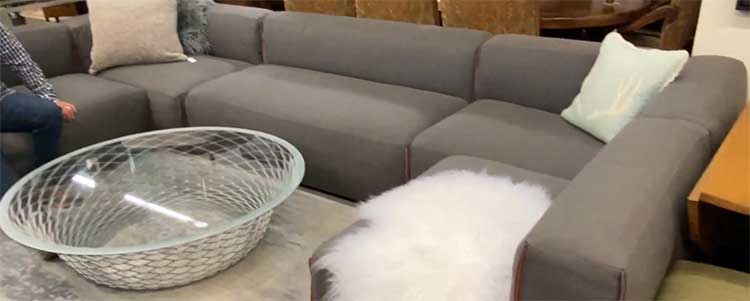
Blu Dot is the cool, younger sibling in the modern furniture world. Their designs are playful, colorful, and undeniably fresh—think bold powder-coated steel and unexpected shapes. I love their stuff for secondary spaces (I’ve got a Blu Dot desk in my office that still looks sharp after six years).
Where DWR pulls ahead is materials and longevity. Blu Dot uses good solid woods and decent veneers, but when you set a real Eames molded plywood chair next to a Blu Dot shell chair, the Herman Miller plywood is thicker, the rosewood veneer richer, and the flex feels engineered rather than just designed.
Blu Dot prices are usually 40-60% lower, and they ship crazy fast—often within a week. If your budget is $2,000–$4,000 per big piece and you want something contemporary that doesn’t scream “mid-century copy,” Blu Dot is tempting.
But if you’re buying something you’ll hand down to your kids, DWR’s licensed classics have a durability and resale value Blu Dot hasn’t matched yet.
- Design Within Reach Versus Man Wah Furniture
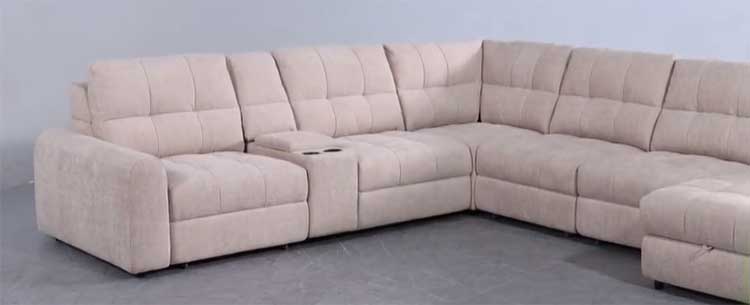
Man Wah is the king of power-reclining sectionals and motion furniture you see in big-box stores. They’re huge on comfort—zero-wall huggers, USB ports, drop-down tables, the works. My in-laws have a Man Wah leather sectional that’s survived three grandkids and a dog amazingly well.
The gap becomes obvious the moment you compare craftsmanship. Man Wah uses bonded leather (essentially leather particles glued to a backing) on most price points, while even DWR’s entry-level upholstered pieces use top-grain or full-aniline leathers.
Sit in a Man Wah recliner and then an Eames Lounge—Man Wah wins on gadgets and immediate plushness, but DWR wins on posture support and the way the chair still looks tailored ten years later instead of baggy.
Price difference is massive: a large Man Wah sectional might run $2,500–$4,000 delivered tomorrow; a comparable-size modern sectional from DWR (like the Camber or Reid) easily hits $10,000+. You’re paying for completely different categories—one is everyday functional comfort, the other is heirloom-level design.
- Design Within Reach Versus Winston Porter Furniture
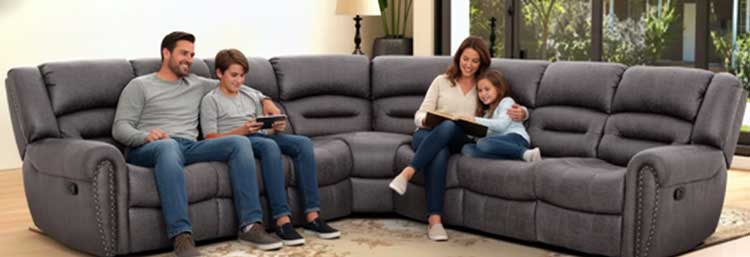
Winston Porter is Wayfair’s house brand for “affordable traditional with a twist”—lots of tufted headboards, farmhouse tables, and velvet accent chairs at prices that make you blink. I’ve helped friends furnish entire apartments with Winston Porter when budget was tight.
Side-by-side, the quality difference is night and day. Winston Porter relies heavily on engineered wood, thin veneers, and staple-and-glue construction. I’ve seen their dining chairs wobble after a year and fabric pilling within months.
DWR uses solid hardwoods, dovetail joinery on drawers, and fabrics that actually meet commercial-grade rub counts. A Winston Porter “mid-century inspired” media console might cost $350 and arrive flat-packed; the real Nelson bench from DWR is $2,000+, solid ash, and assembled by hand.
If you’re renting or staging a home to sell, Winston Porter gets the job done cheaply and quickly. If you’re building a forever home, it’s hard to justify anything but the authentic piece.
- Design Within Reach Versus Simon Li Furniture
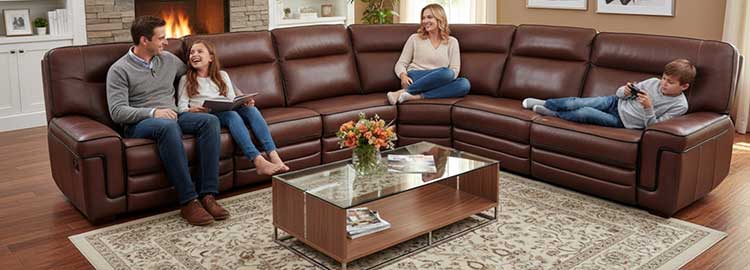
Simon Li specializes in top-grain leather motion and stationary upholstery sold through independent retailers and Costco. Their leather quality is legitimately impressive for the price—often better than many $5,000+ sectionals from bigger names. A friend has a Simon Li power-reclining sofa that still smells and feels luxurious after daily use.
The comparison gets interesting here because Simon Li is one of the few brands that can somewhat compete on leather quality. Where DWR still wins is design pedigree and frame construction.
Simon Li frames are hardwood but use more plywood components and metal mechanisms that can eventually creak. DWR’s licensed pieces (like the Krefeld or Florence Knoll sofas) use hand-tied eight-way springs, solid hardwood frames with reinforced corners, and leathers tanned specifically for that designer’s vision.
A Simon Li sofa might land at $3,000–$5,000 with power everything; a similar-scale stationary DWR piece starts around $8,000–$15,000. If you want leather that ages beautifully and motion features, Simon Li is shockingly good value.
If you want something that looks like it belongs in a design museum and never needs replacing, DWR is the clear choice.
Frequently Asked Questions (FAQ)
Yes, completely. They sell only licensed, authorized productions from the original manufacturers—no reproductions or fakes. Every Eames, Saarinen, or Noguchi piece comes straight from Herman Miller, Knoll, or the rights holders with proper markings and warranties.
Bringing genuine mid-century modern and contemporary classics to regular people. Founded in 1998 to make iconic designs accessible without trade-only barriers, they’re the go-to for authentic Herman Miller, Knoll, Vitra, and more in beautifully curated studios.
In-stock items usually ship within days and arrive 1-4 weeks depending on delivery type. Custom or made-to-order pieces average 8-16 weeks, sometimes longer during busy seasons. White-glove scheduling adds time but ensures perfect setup.
Since 1998—that’s over 25 years of making modern design available. They started small and grew into the largest source of authentic modern furniture in the U.S.
Final Thoughts: Yes, Design Within Reach Is Worth It for You
After living with these pieces daily, I can say without hesitation—buy from Design Within Reach if you value furniture that becomes part of your story.
The quality, authenticity, and joy they bring outweigh the higher cost and wait. Your future self (and your guests) will thank you every single day.