
If you’re remodeling your kitchen or just upgrading that tired old sink, go with a Deer Valley fireclay farmhouse sink. I did, and it’s transformed how I feel about cooking and cleaning every day.
The classic apron-front look paired with solid performance at a reasonable price makes it a smart choice you’ll appreciate for years. Trust me, you won’t regret bringing one home.
My Experience with Deer Valley Sink
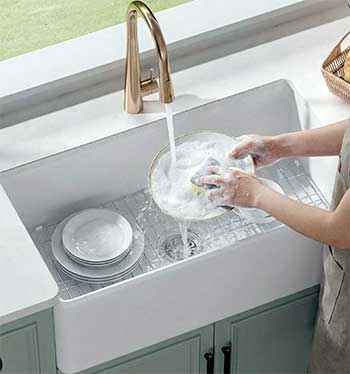
Let me tell you straight up—I was nervous when I ordered my Deer Valley 33-inch fireclay farmhouse sink.
I’d spent months scrolling through options, reading about premium brands that cost a fortune, and wondering if a more affordable one like this would hold up in a busy kitchen.
But when the box arrived (heavy, by the way—get help lifting it), everything changed.
The first thing that hit me was the weight and solidity.
This isn’t some thin, flimsy sink. It’s thick fireclay, fired at high temperatures, with that smooth, glossy white finish that catches the light beautifully.
Installing it wasn’t easy—we had to reinforce the cabinet base because fireclay is substantial—but once it was in place, it looked like it belonged there forever. The apron front extends just right, giving that timeless farmhouse vibe without overwhelming the space.
In daily use, I love how deep the single bowl is. I can stack pots, pans, even baking sheets without everything piling up awkwardly. Washing large stockpots after making soup?
No problem. The depth keeps water from splashing everywhere, and the flat bottom means nothing tips over easily. I’ve had mine for over a year now, and it handles our family’s chaos—kids dropping utensils, me scrubbing cast iron pans—like a champ.
One evening stands out. I was prepping a big holiday meal, and the sink was full of cutting boards, colanders, everything. With a regular sink, I’d be frustrated by the lack of space, but this one swallowed it all. Cleanup felt effortless.
The surface wipes down quickly, and that bright white stays crisp. Sure, I’ve noticed a few metal marks from pots, but they come off with a gentle scrub. Overall, it’s made my kitchen feel more inviting, more functional.
If you’re on the fence, I say pull the trigger. You get that high-end look without the premium price tag, and it performs way better than I expected.
The Pros That Make Deer Valley Sinks Stand Out
- Exceptional Durability in Everyday Use
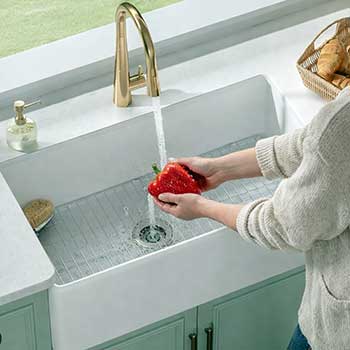
You know how some sinks start looking worn after a few months of real cooking?
Not mine.
This Deer Valley fireclay sink takes everything I throw at it—heavy cast iron pans, hot pots straight from the stove, even the occasional dropped utensil—and comes out unscathed.
The high-temperature firing process creates a surface that’s incredibly resistant to scratches, chips, and thermal shock.
I’ve poured boiling water countless times without a single crack.
Friends with stainless steel sinks complain about dents; I just smile because my glossy white finish still looks brand new after constant use. It’s the kind of toughness that gives you peace of mind in a busy household.
- Timeless Style That Elevates Your Kitchen
Every single person who walks into my kitchen notices the sink first, and they always say how perfect it looks. That smooth, bright white apron front brings instant charm—it’s got that classic farmhouse appeal but feels fresh and modern at the same time.
Whether your style is rustic, contemporary, or somewhere in between, it fits seamlessly. The clean lines and subtle curve on some models add just enough detail without being overdone.
You stand there doing dishes, and it actually feels good because the whole space looks pulled together. It’s more than a sink; it’s a statement piece that makes your kitchen feel warmer and more inviting.
- Spacious Design for Real-Life Cooking
If you’re someone who cooks big meals or bakes a lot, you’ll get why I rave about the room inside this bowl. My 33-inch single-bowl model easily handles oversized roasting pans, sheet trays, even multiple stockpots at once.
No more awkward stacking or water splashing out because everything fits comfortably. The depth keeps sprays contained, and the gently sloped bottom directs water right to the drain without leaving puddles.
I can wash a turkey roaster or soak baking sheets flat—no tipping, no hassle. You reclaim so much time and frustration when cleanup isn’t a juggling act.
- Great Value Without Sacrificing Quality
I shopped around a lot before committing, and Deer Valley won hands down on price versus performance. You get true fireclay construction—thick, solid, and beautifully finished—for way less than the big luxury brands.
Many models include extras like a protective bottom grid, strainer, and even cutting board accessories in workstation versions. It’s not some cheap knockoff; the quality feels premium in your hands. You save money upfront without worrying it’ll fail down the line.
For anyone remodeling on a realistic budget, this is the sweet spot where you don’t have to compromise.
- Easy Everyday Cleaning
The non-porous glazed surface is a game-changer for keeping things spotless. Food residue, sauce splatters, even coffee rings wipe away with just a soft sponge and mild soap. No stubborn buildup like I’ve seen on other materials.
Because it’s so smooth, bacteria doesn’t cling either—huge plus for a kitchen. You spend minutes maintaining that bright white shine instead of scrubbing for ages. It stays looking fresh day after day, which makes the whole kitchen feel cleaner and more enjoyable to use.
The Cons of Deer Valley Sinks I’ve Noticed Over Time
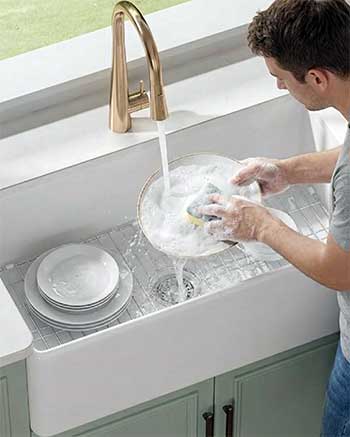
- Weight Requires Careful Planning: This sink is heavy—no way around it. You need sturdy cabinet support and probably professional help for installation. I learned that the hard way when we had to add bracing. If your cabinets aren’t ready, budget extra for modifications.
- Potential for Chips if You’re Rough: While it’s tough, fireclay can chip if you drop something very heavy directly on the edge. I’ve been careful, and mine is fine, but I know friends with similar sinks who have small nicks from accidents. Treat it gently, and you’ll avoid issues.
- Metal Marks Appear Occasionally: Pots and pans can leave gray streaks, especially if you scrub hard. They’re not permanent—they rub off—but it happens more than with stainless steel. You get used to a quick polish now and then.
- Limited Color Options: Most Deer Valley models come in white, which I love, but if you want gray or black, choices are fewer. It works for my neutral kitchen, but something to consider if you’re going bold.
Maintenance Tips To Keep Your Deer Valley Sink Pristine
- Daily Cleaning Habits That Make a Difference: You want your sink to stay bright white, right? I make it a habit to wipe it down after every use with a soft cloth and warm soapy water. Rinse thoroughly, then dry with a towel to prevent water spots. It takes seconds but keeps mineral buildup away.
- Handling Tough Stains Naturally: When sauce or coffee leaves a mark, I sprinkle baking soda, add a little water to make a paste, and gently rub with a soft sponge. Let it sit for a few minutes, then rinse. It lifts everything without scratching the glaze. For deeper cleaning, a 50/50 vinegar-water mix works wonders on hard water deposits.
- Preventing Metal Marks and Scratches: I always use the protective grid that came with the sink when washing heavy pots. It keeps metal from direct contact. If marks appear anyway, a gentle cleaner like Bar Keepers Friend (used sparingly) polishes them away. Avoid steel wool or abrasive pads—they’re the enemy.
- Monthly Deep Care Routine: Once a month, I give it extra love. Fill the sink with warm water and a bit of bleach, let it soak for an hour, then drain and rinse. Follow with a dry wipe. Some people apply car wax to the surface for added protection—I tried it once and noticed water beads up more, making cleanup even easier.
- What to Avoid for Long-Term Beauty: Never use harsh chemicals, bleach straight (dilute it), or acidic cleaners regularly. No scouring powders either. Stick to gentle products, and your sink will reward you by looking new for years. I also dry it after use to stop spots from hard water.
- Seasonal Checks for Lasting Performance: Every few months, inspect the caulk around the edges and the drain. Touch up if needed to prevent leaks. If you have very hard water, consider a softener—it makes maintenance simpler. These small steps keep everything functioning smoothly.
Comparing Deer Valley To Other Brands
- Deer Valley Vs. Rohl Farmhouse Sinks
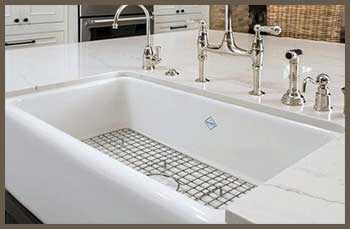
Rohl’s Shaws line is the gold standard for many—those sinks are handcrafted in England, incredibly thick, with that authentic, timeless curve and flawless glaze that screams luxury.
You feel the heritage when you touch one; they’re built to last generations, resisting chips and stains exceptionally well. I’ve seen them in designer kitchens, and they do look stunning.
But here’s the thing: you pay dearly for that prestige. A comparable 33-inch Rohl often costs two to three times what I paid for my Deer Valley. My sink delivers similar heat resistance, glossy white finish, and deep bowl for everyday use—I pour boiling water, scrub heavy pots, and it holds up without issues.
The apron front has that classic appeal, too. If you’re after ultimate craftsmanship and don’t mind the investment, Rohl wins. For me, Deer Valley gives 90% of the experience at a fraction of the price, making it the smarter choice for a family kitchen that sees real action.
- Deer Valley Vs. Bocchi Farmhouse Sinks
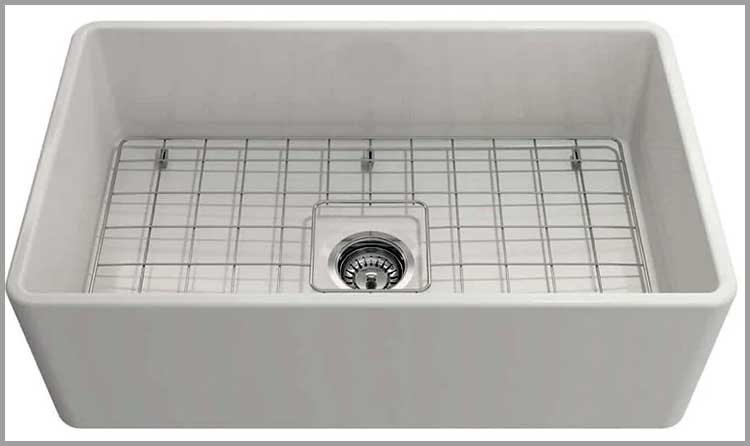
Bocchi brings a more modern Italian vibe—clean lines, options for matte finishes or colors like sapphire blue, and workstation models with built-in ledges and accessories.
Their fireclay is fired for excellent stain and scratch resistance, and the bowls are deep with a slightly flatter bottom in some styles, which helps with stability. Reviews rave about how easy they clean and how the glaze stays pristine even with tough use.
I love that Bocchi offers variety; if you want something beyond basic white, they’re tempting. Pricing sits in the mid-to-high range—more than Deer Valley but less than Rohl. My Deer Valley matches the depth and non-porous surface for wiping down quickly, and it includes a grid and strainer that protect just as well.
The glossy white is classic and brightens my space perfectly. Bocchi might edge out on contemporary styling and color choices, but for traditional farmhouse charm and straightforward performance, my Deer Valley feels just as solid without the extra cost.
- Deer Valley Vs. Nantucket Farmhouse Sinks
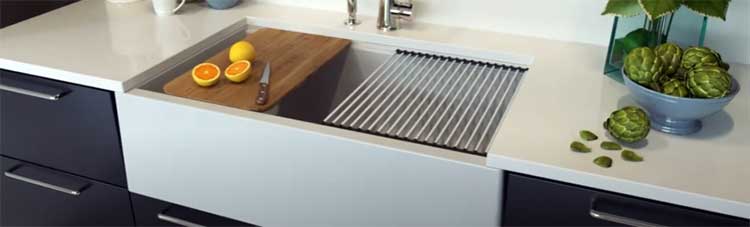
Nantucket sinks often highlight reversible aprons—one side fluted, the other smooth—so you get flexibility in design.
Many are made with heavy fireclay that’s marketed as highly resistant to chips, cracks, and stains, and they come in good sizes with offset drains in some models. Users appreciate the eco-friendly glaze and how they handle large pots without scratching easily.
They’re positioned as premium yet accessible, with prices higher than Deer Valley but competitive in the mid-range. I considered Nantucket for that reversibility, which is a nice touch if you’re indecisive about style.
In the end, my Deer Valley’s single-style apron front suited my cabinets perfectly, and the spacious single bowl with gentle slope drains water efficiently. The build quality feels comparable—thick, durable fireclay that doesn’t show wear.
Nantucket might appeal more if you want design versatility, but Deer Valley wins for me on pure value: similar everyday toughness and that bright, inviting white finish at a noticeably lower price point.
Frequently Asked Questions (FAQ)
Joanna Gaines often features classic fireclay farmhouse sinks in her designs, favoring timeless white apron-front styles that align with her signature aesthetic.
Kohler consistently ranks among the top for quality, innovation, and durability across materials.
They can chip from heavy impacts, require cabinet reinforcement due to weight, and may show temporary metal marks.
Kohler stands out frequently for premium farmhouse sinks, though choices depend on budget and style preferences.
Final Thoughts On Choosing Deer Valley
After living with my Deer Valley fireclay farmhouse sink day in and day out, I can say confidently—you should buy one. It brings beauty, functionality, and real value to your kitchen without unnecessary expense.
The pros far outweigh the minor cons, and with simple care, it’ll serve you wonderfully. Make the upgrade; your future self will thank you.