
As a home cook who washes dishes every single day, I’ve used both regular Dawn and Dawn Powerwash for years. In this article, I’m sharing my real-world experience to help you decide which one actually deserves space under your sink.
I’ll break down the differences, pros, cons, and everyday performance so you can choose the right one for your kitchen.
| Feature | Regular Dawn | Dawn Powerwash |
| Form | Liquid soap | Spray foam |
| Application | Add to sponge or sink water | Spray directly on dishes |
| Water needed upfront | Yes | No |
| Suds | Lots of lasting bubbles | Light foam that disappears quickly |
| Best for | Full sink loads, pots and pans | Quick cleanup, stuck-on messes |
| Price per ounce (approx.) | Lower (around $0.20–$0.30) | Higher (around $0.50–$0.60) |
| Refill options | Yes, large bottles | Yes, but less common |
| Scent varieties | Many | Fewer |
| Grease-cutting speed | Excellent with scrubbing | Instant contact |
Key Differences Between Dawn Powerwash And Regular Dawn
I’ve broken this down point by point based on years of switching between them. These aren’t just spec-sheet differences—they’re the things I’ve noticed in my own kitchen, from greasy weeknight pans to full weekend cookathon cleanups. Here’s what really sets them apart.
- Application Method
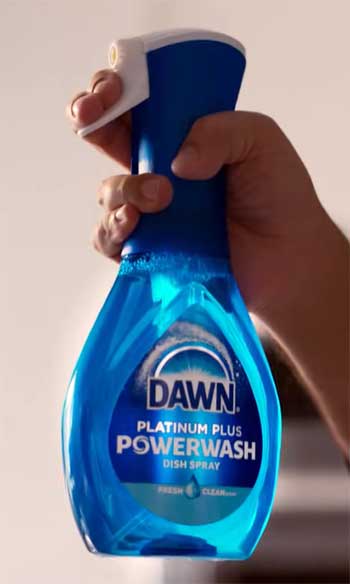
This is the biggest shift for me, and probably the reason Powerwash feels so revolutionary.
Regular Dawn is all about the classic squeeze: you add a bit to your sponge, dish brush, or directly into a sink of hot water, and then you work it in with friction.
It needs that water and motion to activate fully and create those famous suds. Powerwash, on the other hand, is a true spray-and-go product.
The nozzle gives you a continuous fine mist of foam that you spray straight onto the dirty dish, pan, or even oven tray.
No pre-wetting, no filling the sink first. The foam clings for a moment, starts breaking down grease immediately, and then you just wipe and rinse.
In practice, this means I can clean a single greasy skillet in under a minute without ever turning on the tap full blast. It’s changed how I handle quick messes after work.
- Water Usage
Regular Dawn naturally leads to the fill-the-sink method, which uses a decent amount of water—especially if you’re letting things soak while you eat or clean up the rest of the kitchen.
I don’t mind it for big loads because everything gets done at once, but on a conscious level, I know it’s not the most water-efficient. Powerwash is a water-saver by design. You spray, let it sit for 30–60 seconds (or longer for tougher stuff), wipe with a damp sponge if needed, and rinse briefly under the tap.
I’ve noticed my water bill feels a tiny bit friendlier on weeks when I rely more on Powerwash, especially in smaller households or apartments where conservation matters. It’s not “zero water,” but it’s dramatically less than the traditional sink-full approach.
- Speed on Stuck-On and Baked-On Food
If you’ve ever dealt with cheese baked onto a casserole dish or caramelized onions stuck to the bottom of a pan, you know this is where Powerwash truly shines. The formula includes solvents (including alcohol in many versions) that penetrate grease on contact.
I spray it on, walk away to pour a glass of wine, come back in a minute or two, and most of the gunk wipes right off with almost no scrubbing. It’s genuinely satisfying—like watching a time-lapse clean. Regular Dawn is no slouch on grease (it’s famous for it), but it needs time to soak or real elbow grease to get the same results on tough messes.
I’ll often let pans sit in soapy water for 10–15 minutes, then scrub. It works great, but it takes longer and more effort. For everyday plates and lightly soiled items, they’re closer in speed, but on heavy-duty jobs, Powerwash wins by a mile.
- Suds Behavior and Feel
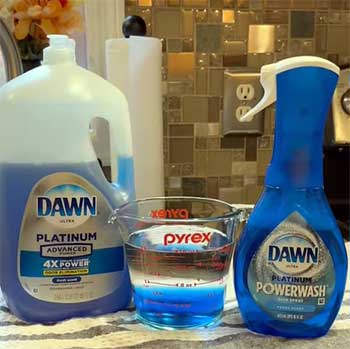
One of the most sensory differences is the bubbles.
Regular Dawn gives you those thick, luxurious, long-lasting suds that pile up and stay strong through a whole load.
There’s something psychologically reassuring about seeing those bubbles—they make you feel like the soap is still working even on the last plate.
Powerwash produces a light, airy foam that spreads easily but disappears fast. Once you wipe or rinse, there’s no lingering suds layer.
At first, this felt weird to me—like the product was “used up” too quickly—but I’ve learned it’s intentional. The cleaning power isn’t in sustained bubbles; it’s in the instant-action ingredients. If you love that classic soapy feel, regular Dawn delivers it better.
- Cost Per Use and Overall Value
Money talks, and regular Dawn is the clear budget champion. A large bottle (often 50–90 ounces) costs significantly less per ounce—usually around 12–25 cents—making it easy to use generously without guilt.
I buy the big refills and pour them into a smaller pump bottle; one bottle lasts me months. Powerwash runs roughly 30–40 cents per ounce for a 16-ounce starter or refill, sometimes higher depending on scent or variant.
That adds up if you’re using it for everything. I go through a bottle faster than I’d expect because the spray is so convenient. For heavy dishwashing households, sticking mostly to regular Dawn saves real money over time.
- Best Use Cases and Kitchen Scenarios
Regular Dawn is my workhorse for big meals: roasting pans, multiple cutting boards, pots from soup or pasta. I fill the sink once, let everything soak, and power through efficiently. It’s also perfect when I’m washing delicates by hand or need sustained suds for a pile of silverware.
Powerwash excels at targeted, quick jobs: the breakfast skillet, lunch salad bowl, or that one baking sheet with stuck-on salmon. It’s ideal for small households, apartment living, or anyone who hates filling and draining the sink repeatedly. I reach for it most on busy weeknights when I just want the mess gone fast.
- Scent Options and Variety
Regular Dawn wins hands-down for fragrance lovers. You’ve got classic Original, New Zealand Springs, Apple Blossom, limited editions—dozens of choices over the years. I rotate scents to keep things fresh.
Powerwash has fewer options: usually Fresh, Apple, Lemon, Free & Clear, plus occasional seasonal ones like Frosted Cranberry or Crisp Lilac. They’re pleasant and milder, but if scent variety is important to you, regular Dawn offers way more fun.
- Packaging and Environmental Considerations
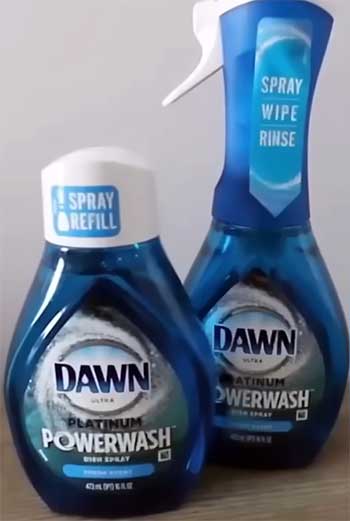
Both have refill systems, which I appreciate.
Regular Dawn’s giant jugs are easy to find, recycle, and pour from.
They’re straightforward plastic but widely accepted in recycling programs.
Powerwash uses a reusable spray bottle with refill cartridges, which reduces plastic waste long-term if you keep the trigger mechanism.
The refills are harder to find in some stores, though, and the nozzle can clog if you don’t use it regularly (I’ve learned to run hot water through it occasionally).
- Cleaning Versatility Beyond Dishes
This is where regular Dawn really pulls ahead as a household MVP. I’ve used it for laundry pre-treatment, cleaning makeup brushes, washing the car, degreasing tools, even bathing the dog in a pinch. It’s gentle enough when diluted but tough on grease everywhere.
Powerwash is strictly formulated for dishes and cookware. Because of the alcohol and solvents, it’s not recommended for most other surfaces—avoid marble, granite, sealed wood, leather, painted cabinets, or cast iron.
Stick to pots, pans, plates, and glass. Trying to use it as an all-purpose cleaner could damage finishes.
- Formula Strength and Ingredients
Both cut grease incredibly well, but they do it differently. Regular Dawn relies on surfactants and classic soap power, enhanced in Platinum versions. Powerwash adds three cleaning boosters (including alcohol denat in many formulas) for that instant penetration.
Some versions, like Heavy Duty, are even more concentrated. It’s why Powerwash can feel “stronger” even though both are highly effective with the right technique.
What Regular Dawn Is All About
I’ve been using classic blue Dawn since I moved out on my own. It’s the one my mom always had, the one you squeeze into a sink full of hot water and watch the suds pile up. It’s reliable, familiar, and still the go-to for most households.
Regular Dawn is a concentrated liquid dish soap designed to be diluted with water. You either put a squirt on your sponge or dish brush, or you add it to the sink and let the water do the mixing. It creates thick, long-lasting suds that cling to dishes and help lift grease as you scrub.
What Makes Dawn Powerwash Different?
Dawn Powerwash showed up a few years ago and completely changed my quick-clean game. It comes in a spray bottle with a nozzle that produces a fine foam mist. You spray it directly onto dirty dishes, let it sit for a minute or two, then wipe and rinse.
No filling the sink, no pre-soaking required.
The formula includes solvents and surfactants that start breaking down grease on contact, which is why it feels almost magical on baked-on food.
Key Features of Regular Dawn
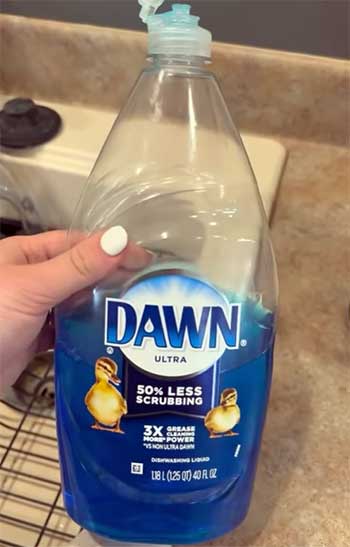
- Concentrated formula – A little goes a long way when mixed with water.
- Rich, long-lasting suds – The bubbles stick around through an entire load of dishes.
- Versatile use – Works great on dishes, but also for household cleaning like windows, laundry stains, and even pet baths.
- Wide scent selection – Everything from original blue to apple, pomegranate, and limited editions.
- Large refill sizes – Easy to buy in bulk and pour into smaller bottles.
- Proven grease-cutting power – Famous for cutting through heavy grease when you give it time and scrubbing action.
- Affordable pricing – Consistently one of the cheapest per-ounce options in the dish soap aisle.
- Trusted brand history – Decades of reputation and the same core formula most people grew up with.
Pros of Regular Dawn
- Extremely cost-effective for daily use.
- Creates satisfying, long-lasting suds that make washing feel thorough.
- Works beautifully for large loads of dishes.
- Doubles as a household cleaner for stains, windows, and more.
- Widely available in huge sizes and many scents.
- Trusted formula that hasn’t changed much in decades.
- Gentle enough for hand washing delicate items when diluted.
- Excellent at cutting heavy grease with scrubbing action.
Cons of Regular Dawn
- Requires filling the sink or wetting the sponge first.
- Can feel wasteful if you use too much.
- Needs more physical scrubbing on tough, baked-on food.
- Heavy suds can sometimes require extra rinsing.
- Not ideal for quick single-item cleanups.
- Bottle design can be messy when squeezing.
Key Features of Dawn Powerwash
- Spray foam delivery – Continuous spray nozzle that coats dishes evenly.
- No-water-start cleaning – Spray, wait, wipe, rinse—perfect for small messes.
- Instant grease penetration – Solvents begin working the moment the foam hits the surface.
- Light, fast-disappearing foam – Doesn’t leave heavy residue or require excessive rinsing.
- Refillable bottle system – Starter bottle plus refill cartridges to reduce plastic waste.
- Targeted application – Great for spot-cleaning one pan instead of filling the whole sink.
- Pleasant but milder scents – Usually available in original, fresh, and a few seasonal options.
- Professional-style feel – Mimics the spray bottles used in restaurant kitchens.
Pros of Dawn Powerwash
- Incredible speed on greasy and stuck-on messes.
- Saves water by eliminating the need to fill the sink.
- Perfect for small households or quick cleanups.
- Minimal scrubbing required in most cases.
- Feels modern and efficient—like having a restaurant trick at home.
- Great for cleaning oven racks, stove tops, and greasy pans.
- Refill system reduces plastic waste over time.
- Spray nozzle gives even coverage without wasting product.
Cons of Dawn Powerwash
- Significantly more expensive per use.
- Limited scent options compared to regular Dawn.
- Not meant for full sink loads—can get pricey fast.
- Foam disappears quickly, which can feel like it’s “gone” even if it’s still working.
- Bottle can clog if not used regularly.
- Not recommended for non-dish surfaces.
- Refills are harder to find in some stores.
My Everyday Experience With Dawn Powerwash And Regular Dawn
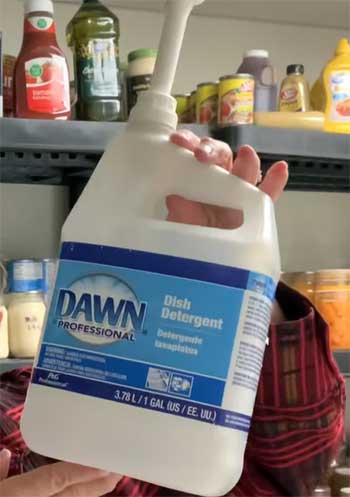
I keep both under my sink because they serve different purposes.
When I cook a big meal—roasted chicken, baked pasta, multiple pans—I reach for regular Dawn.
I fill the sink, add a squirt, and let everything soak while I finish eating.
The suds stay strong through the entire wash, and I know the grease is coming off.
But when I just used one skillet to fry eggs or sear salmon, I grab the Powerwash.
A few sprays, wait a minute while I wipe the counters, then a quick wipe and rinse.
The pan is clean with almost no effort. It’s honestly satisfying to watch the grease melt away.
Over time, I’ve noticed Powerwash saves me time on weeknights, but regular Dawn saves me money on weekends when I’m doing heavier cooking.
Which One Saves More Time?
Powerwash wins hands-down for speed on individual items. I’ve timed myself: a greasy frying pan takes me about 45 seconds with Powerwash versus 3–4 minutes of scrubbing with regular Dawn.
However, when I have a full load, regular Dawn is faster overall because everything soaks at once while I do other things.
Which One Is More Cost-Effective?
Regular Dawn, no contest. I can buy a 90-ounce bottle for the price of two Powerwash refills. If you wash a lot of dishes, the cost difference adds up quickly.
Is One Actually “Stronger”?
They both cut grease extremely well, but in different ways. Powerwash feels stronger because it works on contact. Regular Dawn is just as effective when given time and scrubbing.
Also Read: Reasons For 18-Inch Dishwashers Being More Expensive.
Frequently Asked Questions (FAQ)
It depends on your needs. Powerwash is better for quick, targeted cleaning. Regular Dawn is better for large loads and budget.
Avoid unsealed wood, non-stick coatings if heavily scratched, cast iron seasoning, and any surface not labeled dishwasher-safe. Stick to dishes and cookware.
No. The formulas are different, and regular Dawn will clog the nozzle and not produce the right foam.
The spray-on foam and solvents that break down grease on contact without pre-soaking.
Final Thoughts
After years of using both, I can tell you neither is universally “better”—they’re just different tools for different jobs. I love Powerwash for its speed and convenience on busy nights, but I’ll never give up my classic blue Dawn for big meals and deep cleaning.
You might find the same: keep both, use the right one for the moment, and your kitchen will stay happier. Whichever you choose, you really can’t go wrong—Dawn has earned its reputation for a reason.