
Finding the right pillow can feel like an endless quest for a holy grail that doesn’t exist.
After years of waking up with a stiff neck and trying everything from cheap polyester fills to overpriced slabs of foam, I finally decided to see if the hype around the Cushion Lab Deep Sleep Pillow was real.
If you are tired of stacking three flat pillows just to feel supported or waking up in a sweat, you should buy this pillow; it genuinely bridges the gap between ergonomic support and actual, cloud-like comfort.
My Personal Experience With The Cushion Lab
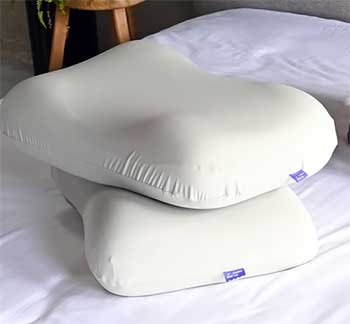
When I first unboxed this pillow, I’ll be honest: I was skeptical.
It has a very distinct, almost futuristic shape with various contours and divots that look more like a piece of modern art than something you’d sleep on.
But the moment I laid my head down, I realized those weird shapes actually serve a purpose.
I am primarily a side sleeper, but I tend to toss onto my back halfway through the night.
Usually, this means I’m constantly punching my pillow into a different shape at 3:00 AM.
The first night was a revelation. The central “cradle” area held my head perfectly when I was on my back, while the elevated side bolsters supported my neck without jamming my shoulder into my ear when I flipped to my side.
It felt like the pillow was anticipating my movements. Most memory foam pillows feel like bricks or sinking sand, but this proprietary “FreshFace” foam has a specific density that provides immediate push-back without feeling hard.
Over the first week, the chronic tightness I usually feel in my upper traps started to dissipate. I wasn’t waking up to adjust the loft anymore. I also noticed that I wasn’t flipping the pillow over to find a “cool side.”
Even in my room, which tends to run a bit warm, the airflow through the material kept things neutral. It’s rare to find a product that lives up to the aggressive marketing you see on social media, but after nearly a month of use, I can confidently say this changed the way I view sleep hygiene.
It’s not just a place to put your head; it’s a tool for recovery.
The Definitive Advantages of Cushion Lab Pillow
One of the most significant pros of the Cushion Lab pillow is the thoughtful ergonomic contouring. Most pillows are essentially bags of fluff that flatten under weight, but this one is engineered with specific zones.
The cervical bolster at the front edge follows the natural curve of your neck, which is a lifesaver if you spend your day hunched over a laptop or a steering wheel. By maintaining that neutral spine alignment, it reduces the mechanical stress on your joints.
- Anatomical Precision and Spinal Alignment
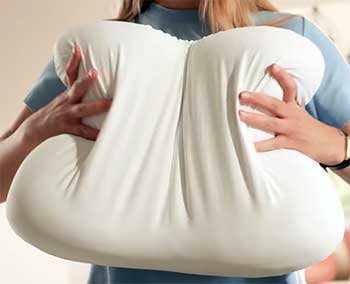
The central “cradle” is designed to reduce the pressure on the occipital bone at the back of your skull.
When you lie on your back, your head is held in a way that prevents it from tilting too far forward, which often happens with overly thick pillows and leads to “tech neck” symptoms.
For side sleepers, the side bolsters provide a structural bridge between the mattress and the ear.
This ensures that the weight of the head isn’t being carried by the cervical vertebrae, but is instead distributed across the high-density foam.
- Heat Dissipation and Material Integrity
Another huge plus is the material quality. They use a high-density, extra-soft proprietary memory foam that feels premium. It doesn’t have that chemical “off-gassing” smell that usually plagues new foam products. Furthermore, the cover is breathable and incredibly soft against the skin.
It’s designed to be moisture-wicking, which is essential for anyone who gets “sleep sweats.” You aren’t just buying foam; you’re buying a temperature-regulated environment. The “FreshFace” technology isn’t just a marketing term—it’s a physical property of the foam that allows for microscopic air circulation that standard, solid memory foam lacks.
- Pressure Point Relief and Ear Health
The “sculpted” ear wells are a touch of genius—they reduce pressure on your ears when you’re on your side, which is something I didn’t even know I needed until I had it. If you wear earrings or have sensitive ears, standard pillows can cause a dull ache by morning.
This design completely bypasses that. Additionally, the slope of the pillow allows for your shoulder to tuck neatly under the edge, preventing that awkward “shoulder-shrugging” posture that causes mid-back pain.
Notable Drawbacks of Cushion Lab Pillow
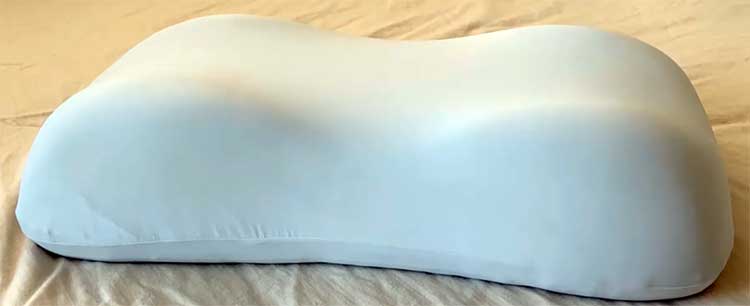
No product is perfect, and there are a few things you should know before committing. The most obvious con is the break-in period. While I liked it almost immediately, some people might find the transition from a traditional soft pillow to a structured ergonomic one a bit jarring for the first few nights.
Your muscles have to get used to being held in a “correct” position rather than the slumped position they might be used to.
- The Learning Curve of Structured Support
If you have spent twenty years sleeping on a down pillow, your body has developed “bad habits” in its posture. When you first introduce a contoured support system, your neck muscles might feel slightly fatigued for the first 48 to 72 hours.
This isn’t because the pillow is “bad,” but because it is actively correcting your alignment. It’s similar to how your back feels when you first start using a high-end ergonomic office chair—it feels “different” before it feels “better.”
- Financial Investment and Value Assessment
The price point is another factor. This is a premium investment, and it is significantly more expensive than your average department store pillow. If you are on a tight budget, the sticker shock might be real.
You have to view this as a medical-grade tool rather than a bedroom accessory. Additionally, because of its unique shape, it doesn’t always fit perfectly inside a standard decorative pillowcase.
While it comes with its own fitted cover, if you are someone who is very particular about your bedding matching exactly, the slight bulging or “empty corners” in a standard case might bother your aesthetic sense.
- Specificity of Sleep Positions
Lastly, the firmness is subjective. While I find it to be the perfect medium-firm, if you are a “stomach sleeper” who prefers a paper-thin, pancake-style pillow, this will likely be too high for you.
It’s specifically designed for back and side support, so it might force a stomach sleeper’s neck into an uncomfortable upward angle. If you are a “rotational” sleeper who spends 50% of the night on your stomach, the height of the bolsters could lead to hyperextension of the neck.
Proper Maintenance And Care For Longevity of Cushion Lab Pillow
To keep your investment in top shape, you need to be diligent about maintenance. The outer cover is removable and machine washable, which is great, but you should always wash it in cold water on a gentle cycle.
Avoid using harsh bleaches or fabric softeners, as these can break down the fibers that give the cover its moisture-wicking properties. Tumble dry on low heat or, better yet, air dry it to prevent any shrinkage.
- Foam Preservation and Hygiene
As for the foam core itself, never put it in the washing machine or dryer. Water can get trapped inside the foam cells and lead to mold or structural breakdown. If you happen to spill something on the foam, spot clean it immediately with a damp cloth and a very mild detergent.
Blot the area—don’t scrub—and let it air dry completely in a well-ventilated area away from direct sunlight, as UV rays can cause memory foam to become brittle and yellow over time. Memory foam is essentially a matrix of air and polymer; if you saturate it, you destroy the “memory” effect.
- Deodorizing and Airflow Management
To keep the pillow fresh, I recommend giving it a good “airing out” every time you change your sheets. Take the cover off and let the foam sit near an open window for an hour. This helps dissipate any accumulated moisture or skin oils that might have permeated the cover.
You can also use a light dusting of baking soda on the foam, let it sit for fifteen minutes, and then gently vacuum it off with a hand attachment to remove any odors without using liquids.
- Protection Strategies
You might also want to use a thin, breathable pillow protector under the main cover for an extra layer of defense against oils and sweat. This “double-bagging” method is the secret to making a high-end foam pillow last for five years instead of two.
If you treat it with respect, the structural integrity of the foam should last you several years without sagging or losing its “bounce back” capability.
Comparing Cushion Lab Pillow With Other Brands
- Cushion Lab Deep Sleep Pillow Vs. Avocado Wedge Pillow
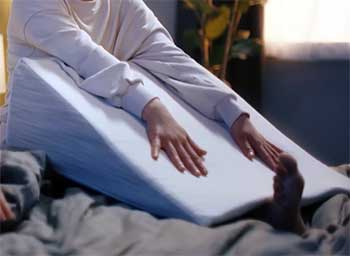
The Avocado Wedge Pillow is a completely different beast compared to the contoured precision of Cushion Lab.
Avocado focuses on a steep, incline-based support system made from organic latex and wool.
It is essentially a giant ramp designed to help with acid reflux or heavy snoring.
While it’s fantastic for sitting up in bed or elevating your torso, it lacks the nuanced “cradling” that the Deep Sleep Pillow offers.
If you are a side sleeper, the Avocado Wedge can feel incredibly awkward because it doesn’t have a place for your shoulder to go, often leading to a “pinched” feeling. Cushion Lab is designed for the actual mechanics of sleep movement, whereas Avocado is more of a stationary medical solution.
If you need a pillow that supports your head and neck through various sleep cycles without forcing you into a 45-degree angle, Cushion Lab is the superior daily driver.
- Cushion Lab Deep Sleep Pillow Vs. Cosy House Pillow
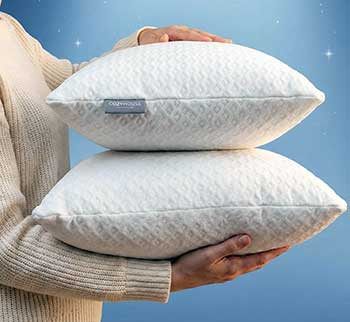
Cosy House typically offers a shredded memory foam pillow that is highly adjustable.
You can unzip the inner liner and add or remove stuffing to find your perfect loft.
This is great for people who are unsure of what height they need.
However, the downside of Cosy House—and shredded pillows in general—is the “shifting” factor.
Throughout the night, those foam bits move away from the pressure of your head, often leaving you flat in the middle of the night.
The Cushion Lab pillow removes that variability. Because it is a solid, molded piece of foam, the support you feel at 10:00 PM is exactly the same support you feel at 6:00 AM. While you lose the ability to “tinker” with the amount of stuffing, you gain a level of structural reliability that shredded foam simply cannot match.
If you prefer a consistent, engineered shape over a DIY fluffing experience, the solid construction of the Lab is the way to go.
- Cushion Lab Deep Sleep Pillow Vs. Blissy Pillowcase
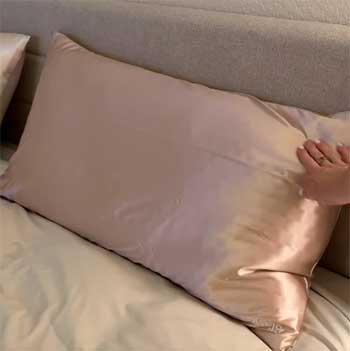
This might seem like comparing apples to oranges, but many people look at Blissy as a solution for “sleep comfort.”
Blissy focuses on the surface level—100% Mulberry silk designed to protect your hair and skin.
While a Blissy pillowcase feels amazing, it provides zero structural support for your cervical spine.
It’s a luxury wrapper for whatever (potentially bad) pillow you already own.
The Cushion Lab approach is the opposite; it prioritizes what’s happening underneath your skin. While the Lab’s cover is soft and high-quality, its primary mission is alignment. Interestingly, many users end up putting a silk case over their Cushion Lab pillow, but if you have to choose one to fix your neck pain, the pillow itself is the engine, and the case is just the paint job.
Don’t mistake surface smoothness for the deep, mechanical support that a contoured pillow provides.
- Cushion Lab Deep Sleep Pillow Vs. Utopia Pillow
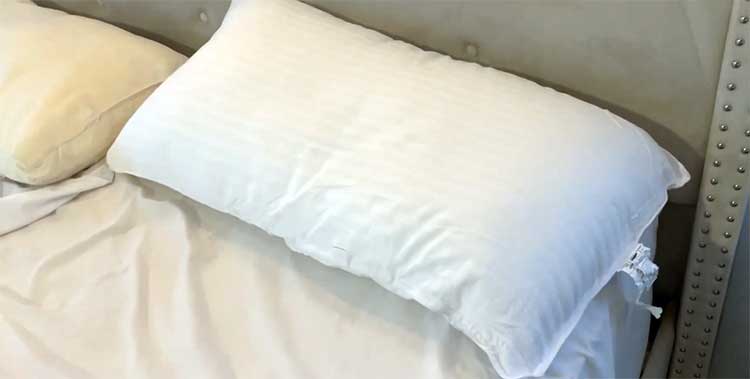
Utopia Bedding is the go-to for many because they are incredibly affordable and usually come in packs of two. They are your standard, polyester-fill “plush” pillows. They feel great for the first five minutes because they are soft and bouncy, but they offer almost no resistance.
Your head sinks right through them until it hits the mattress.
In a side-by-side comparison, the Utopia pillow is a “disposable” product. Within a few months, the fibers clump together and lose their loft. The Cushion Lab pillow is an investment in longevity.
The density of the “FreshFace” foam means it won’t flatten out or turn into a lumpy mess after six months of use. If you are looking for a long-term solution to avoid the “buy-and-toss” cycle of cheap bedding, the analytical choice is clearly the engineered foam of the Cushion Lab.
Frequently Asked Questions (FAQ)
Rankings vary by source, but the Coop Home Goods Original frequently tops consumer lists for its adjustability and value.
Chiropractors generally recommend contoured memory foam pillows or latext pillows that keep the ears, shoulders, and hips in a straight line.
Yes, for those who use CPAP machines, these pillows have cutouts that prevent the mask from being dislodged during the night.
The most common complaints involve the long shipping times during peak seasons and the firmness being too high for dedicated stomach sleepers.
Closing Thoughts On Your Sleep Investment
Investing in your sleep is the highest ROI decision you can make for your health. After analyzing the contours, the foam density, and the real-world performance, it’s clear that this isn’t just another trendy brand. It provides a targeted solution for the aches that keep us up at night.
If you want to wake up feeling refreshed and properly aligned, you should buy this product; your neck and spine will thank you every single morning.