
As a passionate home cook who’s tested countless pots and pans over the years, I’m excited to share my thoughts on two popular lines from Cuisinart: the MultiClad Pro and the Chef’s Classic.
My goal here is to break down their differences, strengths, and weaknesses so you can pick the right one for your cooking style and budget. Whether you’re searing steaks or simmering sauces, I’ll walk you through what makes each stand out in real-world use.
| Feature | Cuisinart MultiClad Pro | Cuisinart Chef’s Classic |
| Construction | Triple-ply with aluminum core extending up the sides | Stainless steel with aluminum encapsulated base (bottom only) |
| Heat Distribution | Even heating throughout the pan, including sides | Quick heating on the bottom, but sides may have uneven spots |
| Weight | Heavier, more substantial feel | Lighter and easier to maneuver |
| Price Range | Higher, typically $200-400 for sets | More affordable, around $100-250 for similar sets |
| Oven Safe | Up to 550°F (including lids) | Up to 500°F (pots), 350°F for glass lids |
| Induction Compatible | Yes | Yes |
| Dishwasher Safe | Yes | Yes |
| Handles | Riveted Cool Grip stainless steel, stay cool | Riveted Cool Grip, comfortable and secure |
| Lids | Stainless steel, tight-fitting | Often glass for visibility, flavor-locking |
| Warranty | Lifetime | Lifetime |
Key Differences Between Cuisinart MultiClad Pro And Chef’s Classic
When I compare these two lines side by side, the contrasts become clear, influencing everything from cooking performance to daily handling. Let’s explore them in detail.
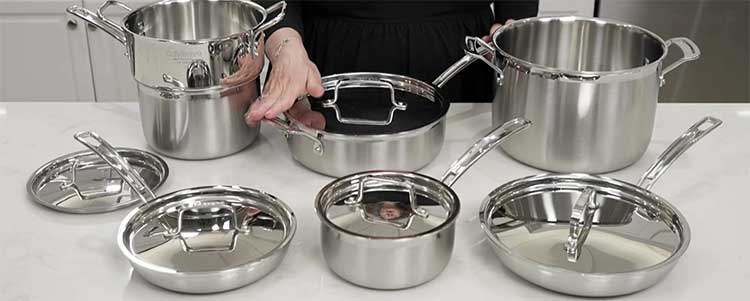
- Construction and Build Quality: The MultiClad Pro’s full triple-ply design with aluminum extending up the sides gives it an edge in durability. I’ve dropped pieces from both lines, and the MultiClad bounces back better without denting. The Chef’s Classic, with its bottom-only aluminum disc, feels lighter but can show wear on the sides over time. In practical terms, this means the MultiClad is better for high-heat tasks where the entire pan needs to perform.
- Heat Distribution and Performance: This is where I notice the biggest gap. The MultiClad’s even heating prevents scorching on the sides, perfect for reductions or deglazing. With the Chef’s Classic, heat concentrates on the bottom, which works for boiling but can lead to uneven cooking in taller pots. I tested both with caramelizing onions—the MultiClad delivered consistent results faster, while the Chef’s Classic required more attention to avoid burning.
- Weight and Handling: The MultiClad is noticeably heavier, which I love for stability but can be tiring for quick flips. The Chef’s Classic’s lighter build makes it easier for everyday use, especially if you have wrist issues. When I’m whipping up a quick stir-fry, the Chef’s Classic feels more agile, but for slow cooks, the MultiClad’s weight helps retain heat longer.
- Price and Value: Budget plays a big role here. The Chef’s Classic is more accessible, often half the cost of the MultiClad for similar sets. If you’re starting out or cooking casually, it’s a smart pick. But if you cook frequently, the MultiClad’s longevity justifies the extra spend. I’ve calculated that over five years, the MultiClad pays for itself in fewer replacements.
- Lids and Visibility: Stainless lids on the MultiClad are durable and oven-safe higher, but you can’t peek inside easily. The Chef’s Classic’s glass lids offer visibility, which I prefer for timing steams. However, glass is more fragile—I’ve chipped one before—so the MultiClad wins on toughness.
- Oven and Temperature Tolerance: Both are oven-safe, but the MultiClad handles 550°F, ideal for broiling. The Chef’s Classic caps at 500°F for pots and lower for lids, limiting some recipes. In my oven tests, the MultiClad maintained shape better under high heat.
- Aesthetics and Maintenance: The brushed finish on MultiClad hides scratches, while the mirror polish on Chef’s Classic shines but shows smudges. Both clean up well, but the MultiClad’s sealed rims prevent water trapping in the dishwasher.
These differences aren’t just specs—they affect how I approach recipes. For example, the MultiClad excels in multi-step dishes like osso buco, where even side heat braises perfectly. The Chef’s Classic shines in quick, simple meals like pasta sauces, where bottom heat suffices. Ultimately, your choice depends on how intensively you cook.
Key Features of Cuisinart MultiClad Pro
I’ve always appreciated how the MultiClad Pro feels like a step up from basic cookware. Let’s break it down into the standout elements that make it a favorite in my kitchen.
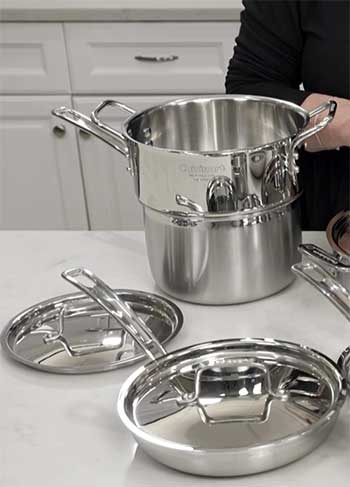
- Triple-Ply Construction: This is the heart of what sets the MultiClad Pro apart. It has a stainless steel interior and exterior sandwiching a thick aluminum core that runs all the way up the sides. In my experience, this means no more worrying about food burning on the bottom while the sides stay cool. I remember making a big batch of chili once, and the even heat kept everything bubbling uniformly without constant stirring. It’s built for serious cooking, and the brushed stainless finish gives it a professional look that holds up over time.
- Heat Surround Technology: Cuisinart calls this their secret sauce, and I have to agree. The aluminum core distributes heat so evenly that you get consistent results every time. When I’m pan-searing a salmon fillet, the entire surface browns perfectly without cold spots. This feature shines on induction cooktops too, where quick, precise heat is key. I’ve used it on gas and electric stoves as well, and it adapts seamlessly, making it versatile for any setup.
- Cool Grip Handles: These riveted stainless steel handles are a game-changer. They stay cool even during long simmers, which means I don’t have to grab a potholder every time I need to move a pot. The ergonomic design fits my hand comfortably, and the helper handles on larger pieces like the stockpot make lifting heavy loads easier. In one instance, I was transferring a full 8-quart pot of soup, and those handles prevented any slips—safety first in a busy kitchen.
- Drip-Free Rims and Tight-Fitting Lids: Pouring sauces or stocks is mess-free thanks to the tapered rims. The stainless steel lids seal in moisture and flavors, which is perfect for braising meats. I love how they fit snugly without rattling, and being oven-safe up to 550°F opens up options for finishing dishes under the broiler. This durability extends to dishwasher use, though I often hand-wash to keep that shine.
- Induction and Oven Compatibility: Fully induction-ready, this line works on all stovetops. The oven safety up to 550°F lets me start on the stove and finish in the oven, like with a frittata. It’s these little compatibilities that make daily cooking smoother.
- Variety of Pieces: Sets often include skillets (8″ and 10″), saucepans (1.5qt and 3qt with lids), a sauté pan (3.5qt with lid), stockpot (8qt with lid), and a steamer insert. This assortment covers everything from quick eggs to family-sized stews. I’ve found the 12-piece set particularly comprehensive, reducing the need for add-ons.
Pros And Cons of Cuisinart MultiClad Pro
After using the MultiClad Pro extensively, I’ve compiled a detailed list of its upsides and downsides. I’ll elaborate on each to give you a real sense of what it’s like in action.
Pros
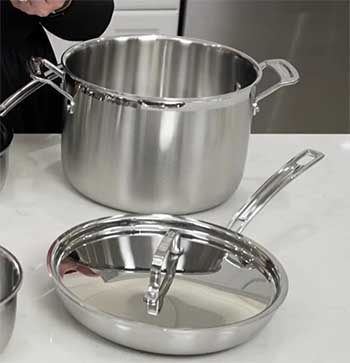
- Superior Even Heating: The triple-ply setup ensures no hot spots, which means flawless sears and simmers. I’ve made crepes that cooked uniformly edge to edge, something cheaper pans struggle with. This consistency reduces cooking time and improves flavor development.
- Durability and Longevity: Built to last, it resists warping and scratching. In my kitchen, it’s survived heavy use for years without losing its shape. The riveted handles feel solid, and the lifetime warranty gives peace of mind.
- Versatile Compatibility: Works on all stoves and in the oven up to 550°F. I’ve transitioned from stovetop to oven seamlessly for roasts, expanding my recipe options.
- Cool, Comfortable Handles: They don’t heat up, making handling safe and easy. The design reduces strain, especially on larger pieces.
- Easy Cleanup: Dishwasher-safe, and the stainless surface releases food well after proper preheating. A quick scrub with Bar Keepers Friend restores the shine.
- Professional Feel: The weight and build inspire confidence, like using high-end gear without the All-Clad price tag.
- Sealed Rims for Hygiene: Prevents moisture buildup, keeping things sanitary over time.
Cons
- Higher Cost: It’s pricier upfront, which might deter beginners. I justify it with long-term savings, but it’s not impulse-buy territory.
- Heavier Weight: Can be cumbersome for some, especially when full. I’ve built up strength, but it’s not ideal for everyone.
- No Glass Lids: Lacks visibility, so you lift lids more, losing heat and moisture.
- Takes Longer to Heat: The thick construction means it warms up slower than thinner pans, requiring patience.
- Potential for Sticking if Not Preheated: Like all stainless, it needs oil and heat to be non-stick-ish, which takes practice.
Overall, the pros outweigh the cons for serious cooks, but it’s not for ultra-lightweight preferences.
Also Read: Are Henckels Paradigm Pans Worth It?
Key Features of Cuisinart Chef’s Classic
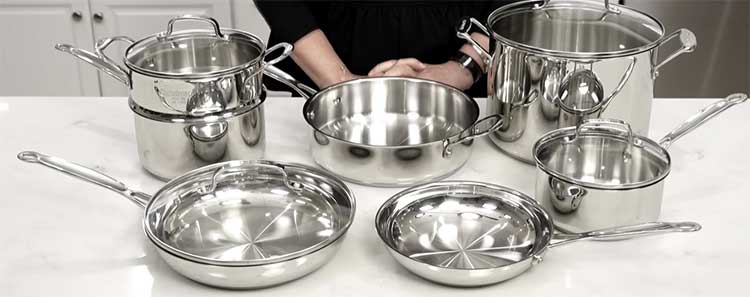
Switching gears to the Chef’s Classic, this line has been my go-to for budget-friendly reliability. It’s straightforward and gets the job done without unnecessary frills. Here’s what stands out from my hands-on time with it.
- Aluminum Encapsulated Base: The core feature here is the aluminum disc bonded to the bottom, wrapped in stainless steel. It heats up fast and spreads heat evenly across the base, which is great for boiling pasta or frying eggs. I’ve noticed it eliminates most hot spots on the bottom, making it efficient for everyday tasks. The sides are single-ply stainless, keeping the weight down while maintaining durability.
- Mirror Finish Exterior: This polished look adds a touch of elegance to any kitchen. It’s not just aesthetic—the stainless steel resists stains and scratches better than I expected. After cooking messy stir-fries, a quick wipe keeps it looking new. The classic design blends well with other appliances, and I’ve appreciated how it doesn’t show fingerprints as easily as matte finishes.
- Cool Grip Handles with Helper Options: Similar to the MultiClad, these riveted handles stay cool and provide a secure hold. On larger pieces like the sauté pan, the helper handle is a lifesaver for pouring or lifting. I recall making a big batch of risotto, and the balanced grip made stirring and serving effortless. They’re contoured for comfort, reducing hand fatigue during longer sessions.
- Glass Lids with Flavor Lock: Many sets come with tempered glass lids that let you monitor food without lifting them. The tight seal locks in nutrients and aromas, which is ideal for steaming veggies. They’re oven-safe to 350°F, so I use them for low-heat baking. The wide handles on the lids make them easy to grab, even with oven mitts.
- Drip-Free Pouring and Measurement Markings: The tapered rims prevent spills when pouring, a small but appreciated detail. Inside measurement markings help with precise recipes—no need for extra measuring cups. This feature saved me time when scaling up a soup recipe for guests.
- Induction Readiness and Versatility: Like the MultiClad, it’s compatible with all cooktops, including induction. Oven-safe to 500°F (pots only), it handles roasting or baking well. Dishwasher-safe construction makes cleanup a breeze, though I recommend hand-washing for longevity.
- Set Composition: A typical 11-piece set includes saucepans (1.5qt and 2.5qt with lids), sauté pan (3qt with lid and helper), stockpot (8qt with lid), skillets (8″ and 10″), and a steamer insert. It’s practical for beginners or small households, covering basics without overwhelming storage space.
Diving deeper, the Chef’s Classic uses 18/10 stainless steel that’s non-reactive and easy to clean. I’ve simmered acidic marinara for hours without issues.
The encapsulated base responds quickly to heat changes, which is handy on electric stoves. While not as premium as fully clad options, it’s surprisingly robust for the price, holding up to daily abuse in my kitchen.
Pros And Cons of Cuisinart Chef’s Classic
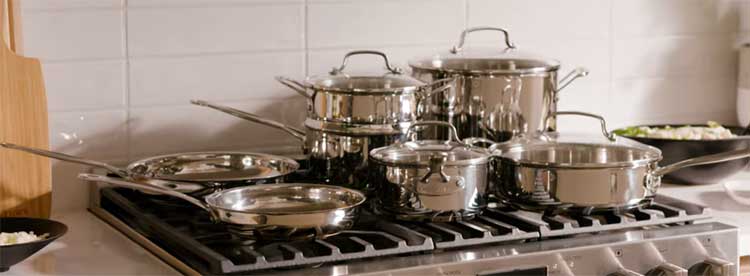
The Chef’s Classic has been a reliable workhorse in my arsenal, especially for casual cooking. Here’s an in-depth look at its strengths and limitations.
Pros
- Affordable Entry Point: Great value for quality stainless. I’ve recommended it to friends starting kitchens without breaking the bank.
- Quick Heating Base: The encapsulated bottom responds fast, ideal for boiling or sautéing. Eggs fry up in minutes with even bottom heat.
- Lightweight Design: Easy to handle and store. Perfect for smaller hands or those who prefer agility over heft.
- Glass Lids for Monitoring: See-through design helps avoid overcooking. I’ve saved many a vegetable from sogginess this way.
- Measurement Markings: Built-in convenience for recipes, reducing mess from extra tools.
- Solid Warranty and Durability: Lifetime coverage, and it holds up well to daily use despite the simpler build.
- Attractive Mirror Finish: Looks sharp on the stove, enhancing kitchen decor.
Cons
- Uneven Side Heating: Sides don’t conduct as well, leading to potential scorching in taller pots. Stirring more is key.
- Lower Oven Tolerance for Lids: Glass limits high-heat oven use, restricting some techniques.
- Prone to Hot Spots if Overheated: Bottom-focused heat can cause issues on high flames without care.
- Lighter Feel May Seem Less Premium: Lacks the substantial heft some cooks crave for stability.
- Glass Lids More Fragile: Prone to chipping if mishandled, unlike stainless.
- May Discolor Over Time: High heat can cause rainbowing, though it’s cosmetic.
For budget-conscious users, the pros make it a winner, but it falls short for demanding tasks.
Which One Should You Choose?
If you cook often and want pro-level results, go MultiClad. For casual use on a budget, Chef’s Classic fits. I own pieces from both, mixing for versatility.
Also Read: Are Henckels Hexagon Pan Worth It?
Frequently Asked Questions (FAQ)
Yes, it’s excellent with even heating and durability for everyday frying.
MultiClad Pro for premium performance, but Chef’s Classic if budget matters.
Yes, triple-ply cladding extends throughout the pan.
China.
Final Thoughts
Wrapping this up, I’ve shared my firsthand insights on the Cuisinart MultiClad Pro and Chef’s Classic to guide your decision. Both have earned spots in my kitchen, but the MultiClad edges out for its superior evenness and build.
You might find the Chef’s Classic perfect if you’re watching costs or prefer lighter gear. Whichever you choose, it’ll elevate your cooking—happy simmering!