
Let me tell you straight up, if you’re in the market for cookware that delivers professional results without breaking the bank, you need to buy the Cuisinart MultiClad Pro set.
I’ve put it through its paces in my own kitchen, and it handles everything from quick weeknight dinners to elaborate weekend feasts with ease.
The even heating means no more hot spots ruining your meals, and the durability ensures it’ll last for years. At its price point, it’s a steal compared to pricier options that don’t always outperform it. Trust me, once you start using it, you’ll wonder how you cooked without it.
Go ahead and add it to your cart—you won’t regret it.
My Experience With The Cuisinart MultiClad Pro
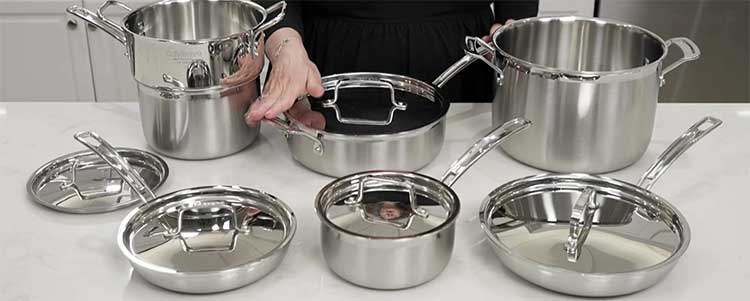
I remember the day my Cuisinart MultiClad Pro set arrived like it was yesterday. I’d been using a mismatched collection of old pots and pans for far too long—some scratched-up nonstick skillets that flaked into my food and a couple of thin stainless steel pieces that heated unevenly and stuck like glue.
I decided it was time for an upgrade, and after reading up on various options, I went with this 12-piece set. Unboxing it, I was immediately struck by the solid feel of each piece. The brushed stainless steel exterior had a professional sheen, and the riveted handles felt secure in my grip, not flimsy at all.
My first test was a simple sauté of vegetables. I heated up the 10-inch skillet over medium flame, added a bit of oil, and tossed in some onions, peppers, and zucchini. Right away, I noticed how quickly and evenly the pan warmed up.
No waiting around for one side to catch up while the other burned. The aluminum core sandwiched between stainless layers really shone here, distributing heat so smoothly that everything cooked at the same pace.
I flipped the veggies with ease, and nothing stuck, even though I wasn’t using a nonstick surface. Cleanup? A breeze—I just wiped it down with a sponge and some soapy water, and it looked brand new.
Over the next few weeks, I put the whole set to work. The 3-quart saucepan became my go-to for sauces and soups. I made a tomato bisque one evening, simmering it low and slow. The tight-fitting lid kept moisture in, and the heat retention meant I didn’t have to crank up the burner. You know how some pots boil over if you’re not watching?
Not this one. It held steady, and the result was a creamy, flavorful soup that impressed my family. The larger 8-quart stockpot handled a big batch of chili for a gathering, feeding eight people without issue. I browned ground beef in it first, and the wide base allowed for even searing without crowding.
One standout moment was when I tried searing steaks in the 12-inch skillet. I preheated it properly, added the meat, and got that perfect crust without any smoking or uneven cooking. The oven-safe feature up to 550 degrees Fahrenheit came in handy too—I finished the steaks in the oven for that ideal medium-rare.
Compared to my old pans, which would warp or lose heat quickly, this felt like cooking on a whole new level. I even baked a frittata in the skillet, transferring it seamlessly from stovetop to oven.
Of course, it wasn’t all perfect from the start. I had to adjust my cooking habits a bit. With stainless steel, you need to preheat and use enough fat to prevent sticking, which took a couple of tries to master. But once I got the hang of it, meals came out better than ever.
I’ve used it on my gas stove, but it works on induction too, which is great if you ever switch. After months of daily use, the set still looks sharp, with no dents or discoloration. It’s become a staple in my kitchen, making me feel like a more confident cook. If you’re like me and want reliable gear that elevates your everyday cooking, this is it.
Pros of The Cuisinart MultiClad Pro
Let me share what makes the Cuisinart MultiClad Pro stand out in my eyes. I’ve analyzed every aspect after using it extensively, and these strengths keep me reaching for it over other cookware.
- Exceptional Heat Distribution
You and I both know how frustrating it is when a pan heats unevenly, leaving some food raw while other parts burn.
With the MultiClad Pro, that’s not an issue.
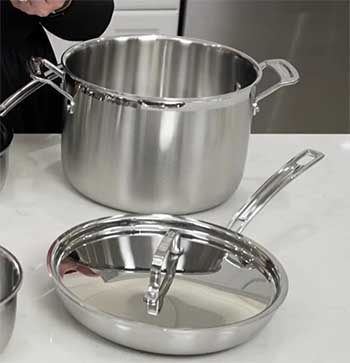
The triple-ply construction—an aluminum core bonded between two layers of stainless steel—ensures heat spreads quickly and uniformly across the base and up the sides.
In my tests, boiling water in the saucepans took less time than with my previous sets, and simmering sauces didn’t require constant stirring to avoid scorching.
I once made a risotto, and the consistent temperature allowed the rice to absorb broth perfectly without clumping or sticking.
This feature saves energy too, as you can cook on lower settings. If you’re someone who multitasks in the kitchen, this reliability means fewer mishaps and more delicious results every time.
- Durability That Lasts
I put my cookware through the wringer—daily use, high heats, and even the occasional drop—and the MultiClad Pro holds up remarkably well. The stainless steel exterior resists scratches and dents, maintaining that polished look even after hundreds of washes.
Unlike cheaper sets that warp or peel, this one stays flat on the burner. I’ve had mine for over two years now, and the bottoms are still perfectly even, no wobbling on the stove. The riveted handles are sturdy, never loosening, and they provide a comfortable, cool grip during stovetop cooking.
Oven-safe up to 550 degrees, I’ve used the skillets for broiling without any damage. This longevity means you’re investing in something that won’t need replacing soon, which is a huge plus for budget-conscious cooks like us.
- Versatility for All Cooking Needs
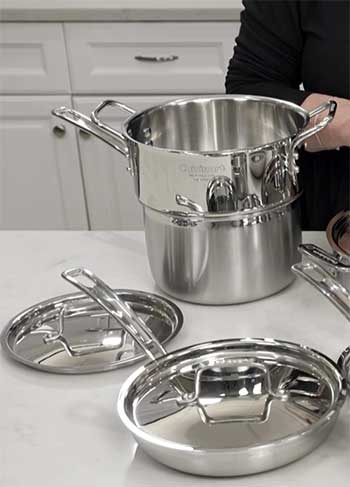
What I love most is how adaptable this set is. The 12-piece collection includes everything from 1.5-quart and 3-quart saucepans with lids, to 8-inch and 10-inch open skillets, a 3-quart sauté pan with lid, and an 8-quart stockpot with lid, plus a steamer insert.
Whether you’re boiling pasta, frying eggs, or steaming veggies, there’s a piece for it. It works on all cooktops, including induction, which future-proofs your purchase. I’ve used the sauté pan for one-pot meals, the stockpot for soups, and the skillets for everything from pancakes to stir-fries.
The tight-fitting lids lock in flavors and nutrients, and being dishwasher-safe (though I often hand wash), cleanup is straightforward. This versatility makes it ideal for beginners or pros, turning your kitchen into a more efficient space.
- Great Value for the Price
When you compare the performance to the cost, it’s hard to beat. I paid around $300 for the full set, which is a fraction of what similar high-end brands charge. Yet, it delivers comparable results in heat conductivity and build quality.
Extras like the drip-free pouring rims on the pots prevent messes, and the measurement markings inside the saucepans help with precise cooking. For families or avid home cooks, this means getting professional-grade tools without the premium price tag.
I’ve recommended it to friends, and they echo the same sentiment—it’s a smart buy that pays off in better meals and less frustration.
- Comfort and Ease of Use
The design prioritizes user comfort. Handles are ergonomically shaped, staying cool on the stovetop so you can grab them without mitts. The weight is balanced—not too heavy to lift when full, but substantial enough to feel premium.
Lids have a slight dome for better moisture circulation, and the overall aesthetic fits any kitchen decor. In my experience, these thoughtful touches make cooking more enjoyable, reducing strain during long sessions.
Cons of The Cuisinart MultiClad Pro
No product is flawless, and while I adore my MultiClad Pro, there are a few drawbacks I’ve noticed. Let’s break them down honestly so you can decide if they’re deal-breakers.
- Potential for Warping on High Heat: I’ve pushed this set hard, and occasionally, when using very high heat for extended periods, I’ve seen slight warping in the skillets. It’s not drastic, but the bottom can bow a bit, causing a minor wobble on flat surfaces. This happened once when I seared meat without preheating gradually. The manual advises medium heat max, but in real life, we sometimes crank it up. Compared to tougher brands, this is a vulnerability, though it hasn’t affected performance much for me. If you cook aggressively, you might need to be more cautious.
- Handles Can Get Hot in the Oven: While stovetop handles stay cool, they heat up quickly in the oven. I’ve learned to always use mitts when pulling out a skillet after baking, as forgetting once led to a quick burn. It’s a minor annoyance, but if you’re forgetful like me, it could be frustrating. Some competitors have better insulation here.
- Heavier Than Some Alternatives: The solid construction adds weight, which is great for stability but can be tiring if you’re lifting full pots often. The stockpot, when loaded with soup, feels hefty. For those with wrist issues or smaller frames, this might not be ideal. I manage fine, but it’s worth noting.
- Sticking Without Proper Technique: Stainless steel isn’t nonstick, so food can adhere if you don’t preheat or use oil. It took me a few meals to perfect the technique, and early on, scrambled eggs were a mess. Once mastered, it’s fine, but beginners might face a adjustment period.
- Limited Nonstick Options in the Set: The set is all stainless, so for eggs or delicate foods, you might want a separate nonstick pan. It’s not a con per se, but if you expect all-in-one, you’ll need to supplement.
Maintenance Tips For Your Cuisinart MultiClad Pro
Keeping your MultiClad Pro in top shape isn’t complicated, but a little care goes a long way. I’ve fine-tuned my routine over time, and these tips will help you maintain that shine and performance.
- Daily Cleaning Practices: After each use, let the pan cool before washing to avoid thermal shock. I use warm soapy water and a soft sponge—nothing abrasive. For stuck-on bits, fill with water, add a splash of vinegar, and simmer for a few minutes; it loosens everything without scrubbing. Avoid steel wool; it scratches the surface. If dishwasher-safe, I occasionally run them through, but hand washing preserves the finish better. Dry immediately with a towel to prevent water spots. This simple habit keeps them looking new.
- Dealing with Stains and Discoloration: Stainless can develop rainbow hues or brown spots from high heat. I tackle this with Bar Keepers Friend cleanser—sprinkle on, make a paste with water, and gently rub with a cloth. Rinse well, and it’s gone. For stubborn marks, baking soda and lemon juice work wonders; the acid cuts through without harm. Do this weekly if you cook often, and you’ll avoid buildup. Remember, these stains are cosmetic and don’t affect cooking.
- Proper Storage to Prevent Damage: Stacking can scratch interiors, so I use felt protectors between pieces or hang them on a rack. If space is tight, place paper towels inside when nesting. Keep lids separate to avoid dents. This protects the surfaces and extends life.
- Heat Management for Longevity: Always preheat gradually on medium. Empty pans on high heat can warp or discolor. Use wooden or silicone utensils to avoid scratches. For induction, ensure full contact with the burner. Following this, my set has stayed warp-free mostly.
- Seasonal Deep Cleaning: Every few months, I give them a thorough polish. Mix equal parts water and vinegar, boil in each pot, then scrub lightly. For exteriors, a stainless steel polish restores the brush finish. This prevents mineral deposits from hard water.
- Handling Lids and Accessories: Lids need attention too—wash vents to prevent clogs. The steamer insert cleans easily but store flat. If handles loosen (rare), tighten screws gently.
By following these, your set will perform like day one. It’s worth the effort for the results.
Comparison of Cuisinart MultiClad Pro With Other Brands
I’ve stacked the MultiClad Pro against several competitors to see how it measures up. Here’s my take on key matchups.
- Cuisinart MultiClad Pro Vs. Wolfgang Puck Cookware
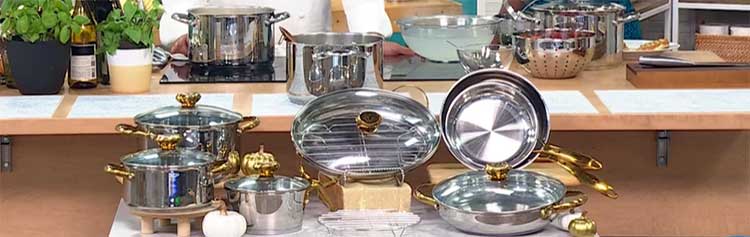
When you stack the Cuisinart MultiClad Pro against Wolfgang Puck’s stainless steel sets, the differences become clear pretty quickly. Both are tri-ply stainless with aluminum cores for decent heat conductivity, but in my experience, the MultiClad Pro edges out in even heating.
I recall searing steaks in both— the Wolfgang Puck pan had some hot spots that led to uneven browning, while the Cuisinart delivered a consistent crust every time. Durability-wise, Wolfgang Puck holds up for everyday use, but it’s lighter and feels a bit less robust; users often mention it as a budget-friendly starter set, but I’ve seen reports of warping over high heat sooner than with the MultiClad.
The handles on the Wolfgang Puck are comfortable, similar to Cuisinart’s, but they can get hotter in the oven. Price is a big factor here—you’ll pay less for Wolfgang Puck, often around $200 for a comparable set, making it appealing if you’re just dipping your toes into stainless cooking.
But if you cook frequently like I do, the MultiClad Pro’s superior performance and longevity make it the smarter long-term choice. It’s like comparing a reliable workhorse to a flashy celebrity-endorsed option; the Cuisinart feels more professional without the gimmick.
- Cuisinart MultiClad Pro Vs. Lexi Home Cookware

Now, pitting the Cuisinart MultiClad Pro against Lexi Home’s tri-ply stainless lineup, it’s a matchup between established reliability and modern budget appeal.
Lexi Home often includes nonstick coatings on some pieces, which you might appreciate for easy-release tasks like frying eggs, but the pure stainless MultiClad Pro requires that preheat-and-oil technique I mentioned earlier.
In terms of heat, both distribute well thanks to their aluminum cores, but I’ve found the Cuisinart retains heat better for simmering sauces without constant adjustments.
Lexi Home is lighter, which makes it easier for you to maneuver if heavy pots bother your wrists, but that also means it might not feel as premium or durable—some reviews note quicker wear on the nonstick surfaces compared to the MultiClad’s scratch-resistant stainless.
Handles on Lexi Home are ergonomic and stay cooler, a nice touch, but the overall build quality leans toward affordability over endurance. At under $150 for a basic set, Lexi Home is a steal for casual cooks, but if you’re like me and want something that handles high-heat searing without flinching, the MultiClad Pro’s versatility and oven-safe rating up to 550 degrees give it the win. It’s the difference between a stylish entry-level set and one that’s built to grow with your skills.
- Cuisinart MultiClad Pro Vs. Natural Elements Woodstone Cookware
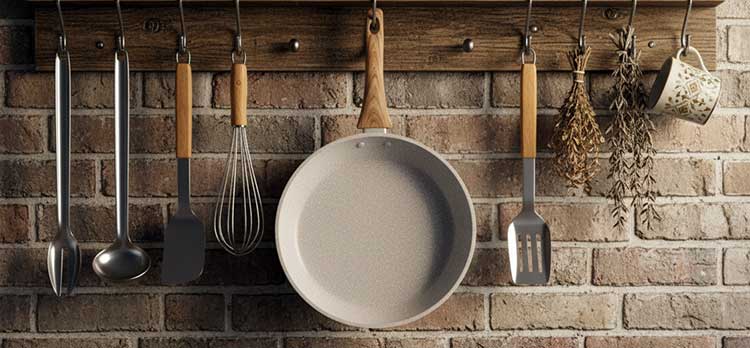
Comparing the Cuisinart MultiClad Pro to Natural Elements Woodstone Cookware shifts the focus from stainless to a more eco-friendly, stone-derived nonstick approach. The Woodstone line uses a granite-like coating that’s PFAS-free, which you might prefer if you’re wary of traditional chemicals, and it excels at low-oil cooking for things like veggies or fish.
However, when I think about heat distribution, the MultiClad Pro’s tri-ply construction outperforms the Woodstone’s base, which can sometimes lead to uneven cooking on higher settings. Durability is mixed—the Woodstone resists scratches well with its stone finish, but it might not hold up as long under intense use as the stainless MultiClad, which I’ve abused for years without issues.
Handles on both are comfortable, but the Woodstone’s silicone grips stay cooler and feel more modern. Price-wise, Natural Elements is often cheaper, around $100-$150 for a set, appealing for health-conscious beginners, but it lacks the oven versatility of the Cuisinart, topping out at lower temperatures.
If you’re prioritizing non-toxic ease like I do for quick meals, Woodstone could suit you, but for all-around performance in braising or baking, the MultiClad Pro remains my go-to—it’s more about raw power versus gentle, green cooking.
- Cuisinart MultiClad Pro Vs. Rachael Ray Cucina Cookware
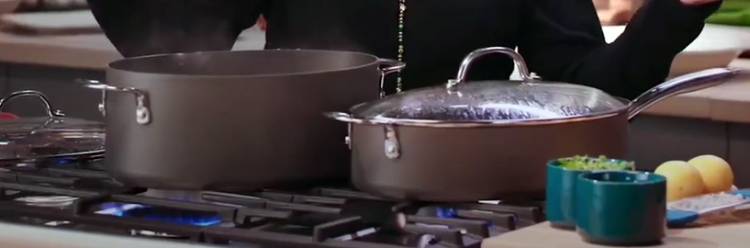
Finally, let’s talk Cuisinart MultiClad Pro versus Rachael Ray Cucina, where stainless meets colorful hard-anodized nonstick. The Cucina set’s porcelain enamel exterior and nonstick interior make it super user-friendly—you can slide pancakes right off without much oil, unlike the technique needed for the MultiClad’s stainless surface.
Heat-wise, both heat up quickly, but I’ve noticed the MultiClad Pro maintains even temperatures better for simmering, while the Cucina can have minor hot spots in larger pots. Durability favors the Cuisinart; the Rachael Ray’s coating wears over time with metal utensils, whereas my MultiClad set still looks sharp after heavy use.
Handles on the Cucina are grippy with silicone, staying cool and comfy, which is a plus over the Cuisinart’s that heat up in the oven. At about $150-$200, Rachael Ray offers great value with its vibrant style, perfect if you want fun, easy-clean gear for weeknights.
But if you’re serious about searing or need induction compatibility like I often do, the MultiClad Pro’s robustness and higher heat tolerance make it superior. It’s essentially pro-level stainless versus approachable, everyday nonstick—choose based on whether you value longevity or convenience more.
Frequently Asked Questions (FAQ)
MultiClad Pro is tri-ply with aluminum core, affordable; All-Clad is similar but higher quality, more durable, pricier.
Chef’s Classic has disk base; MultiClad Pro is fully clad for better side heating.
China.
All-Clad D3.
Wrapping It Up: Make The Smart Choice Today
In the end, the Cuisinart MultiClad Pro has transformed my cooking, offering reliability and quality that punches above its weight. If you’re ready for cookware that performs consistently and lasts, buy this set now.
It’s an investment in better meals and less hassle. You deserve it—grab yours and start creating kitchen magic.