
If you’re tired of stuffy rooms, allergies flaring up, or just that lingering pet odor, let me tell you straight up: a Crane air purifier is a game-changer you need in your life.
I’ve tried a few, and this one stands out for its quiet operation, effective filtration, and sleek design that fits anywhere. Don’t wait—pick one up today and breathe easier tomorrow. Your lungs will thank you.
My Experience With The Crane Air Purifier
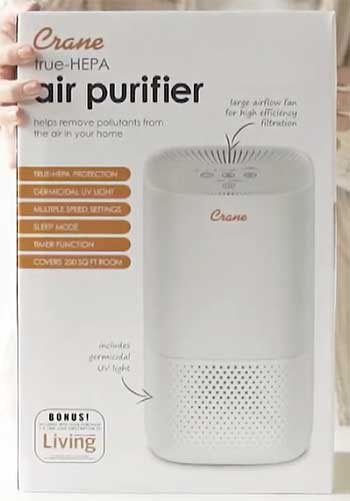
I remember the day I unboxed my Crane EE-5067 air purifier like it was yesterday.
It arrived in this compact package, not too heavy, and I set it up in my living room without breaking a sweat.
Right away, I noticed how modern it looked—slim tower design in white, blending right into my decor like it belonged there all along.
I plugged it in, hit the power button, and it hummed to life on the medium speed setting.
No loud whirring or anything; just a soft whoosh that I could barely hear over the TV.
For the first week, I ran it nonstop in sleep mode at night.
You know how city air can feel heavy, especially with traffic outside my window in Dhaka? Well, I have mild asthma, and mornings used to start with a cough or two.
But after turning this on, I woke up feeling clearer-headed. It covers up to 250 square feet, which is perfect for my apartment’s main area. The UV light feature intrigued me—I read it helps zap germs, and during flu season, that gave me peace of mind.
I didn’t catch any bugs that month, though I can’t swear it’s all thanks to the purifier, but hey, it sure felt like it contributed.
One evening, my friend came over with her dog, and usually, I’d sneeze nonstop from the dander. I cranked it to high speed, and within an hour, the air felt fresher. No more itchy eyes for me.
The timer function is a lifesaver too; I set it for four hours before bed, and it shuts off automatically, saving energy. I even moved it to my bedroom for a trial run. It’s lightweight, about 7 pounds, so carrying it room to room is no hassle.
The washable particle filter caught visible dust after a few days, which I rinsed under the tap—easy peasy.
Over the next couple of months, I experimented with different settings. Low for background cleaning, medium during cooking to handle kitchen smells, and high when pollen counts spiked. I track air quality on my phone app sometimes, and I saw improvements in particulate levels.
It’s not a miracle worker, but it makes a noticeable difference in how fresh the space feels. My partner, who smokes occasionally outside, noticed less lingering odor seeping in. We both sleep better now, without that stuffy nose wake-up call.
Honestly, integrating it into my daily routine was seamless. I place it near the window to catch incoming pollutants, and it just runs quietly in the background. If you’re like me, juggling work from home and family, this thing frees up mental space—you set it and forget it.
After about three months, the filter indicator lit up, reminding me to check the HEPA filter. Replacing it was straightforward; no tools needed, just pop the old one out and slide the new in. I’ve spent maybe $50 on replacements so far, which feels reasonable for the benefits.
Overall, this experience has made me a believer in proactive air cleaning. If your home feels a bit off, give it a shot—you might just find yourself breathing deeper and feeling more energized.
Pros of The Crane Air Purifier
- Effective Filtration System
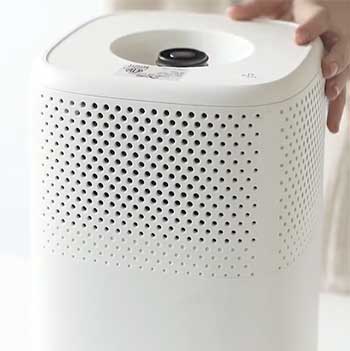
Let me start by saying the true HEPA filter in the Crane air purifier is what sold me on it.
It captures 99.97% of particles as small as 0.3 microns, which means dust, pollen, pet dander, and even some smoke get trapped before they can bother you.
In my home, where allergens seem to sneak in from everywhere, this has been a real relief.
You can feel the difference after a few hours—the air just seems lighter and cleaner.
Plus, the added UV light targets germs and viruses, giving an extra layer of protection that I appreciate, especially when someone in the house is under the weather.
- Quiet Operation Across Speeds
One thing I love is how whisper-quiet this unit is, even on higher settings. On low, it’s practically silent, perfect for bedrooms or offices where you don’t want distractions. I’ve had it running during video calls, and no one on the other end ever hears it.
Medium speed handles everyday needs without much noise, and high is only a bit louder but still manageable—not like some fans that roar. This makes it ideal for you if you’re sensitive to sounds, like I am when trying to focus or sleep.
- Compact and Stylish Design
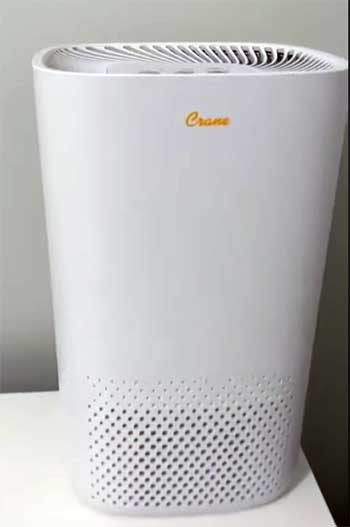
You won’t believe how well this fits into small spaces. The tower shape is slim, so it tucks into corners or beside furniture without dominating the room. I have mine next to my desk, and it looks more like a modern accessory than an appliance.
Available in white or black, it matches most decors. Weighing just 7 pounds, moving it around is effortless—great if you want to shift it from living room to bedroom as needed. For urban dwellers like us with limited space, this design is a winner.
- User-Friendly Features
The controls are intuitive, with touch buttons for speed, timer, and UV on/off. No complicated menus to navigate; you just tap and go. The sleep mode dims the lights and runs quietly, which helps me unwind at night.
There’s also a filter replacement indicator that lights up when it’s time—takes the guesswork out. Energy-efficient too, so your bills won’t spike. These little touches make daily use a breeze, especially if you’re not tech-savvy.
- Versatile Coverage for Various Rooms
With coverage up to 300 square feet in some models, it’s versatile for apartments or small homes. I’ve used it in my 200-square-foot living area and a smaller bedroom, and it performs consistently. If you have pets or cook a lot, it handles odors well.
The multi-stage filtration—pre-filter, HEPA, and activated carbon—tackles a range of pollutants. It’s not just for allergies; it helps with general air freshness, which you’ll notice right away.
Cons of The Crane Air Purifier
- Limited Coverage for Larger Spaces: While it’s great for medium rooms, if your space is over 300 square feet, you might find it underpowered. In my open-plan area that pushes 400 feet, I noticed it didn’t circulate as effectively in farther corners. You may need multiple units or a bigger model, which adds to the cost. This isn’t a deal-breaker for compact homes, but think about your room size before buying.
- Filter Replacement Costs Add Up: The HEPA filters need changing every 6-12 months, depending on use, and they aren’t the cheapest. I’ve spent around $30-40 per replacement, and if you’re in a polluted area like mine, you’ll go through them faster. The pre-filter is washable, which helps, but ongoing expenses can sneak up on you. Budget for that if you plan heavy usage.
- No Smart App Integration: In a world of smart homes, this lacks app control or Wi-Fi connectivity. I can’t monitor it remotely or integrate with Alexa like some competitors. You have to manually adjust settings, which is fine for basic use but feels outdated if you’re into automation. If voice commands are your thing, this might frustrate you.
- Initial Odor from New Unit: When I first turned it on, there was a slight plastic smell for a day or two. It’s common with new appliances, but it caught me off guard. Running it in an empty room helped dissipate it quickly. Not a major issue, but something to note if you’re sensitive to scents.
- Bulb Replacement for UV Feature: The UV light bulb lasts about a year, then you need to replace it. It’s not hard, but finding the exact part took me a bit of searching. Cost is low, around $10, but it’s an extra maintenance step. If you rely on the germ-killing aspect, keep spares on hand.
Maintenance Tips For Your Crane Air Purifier
- Regular Cleaning of the Pre-Filter
You and I both know that keeping the pre-filter clean is key to longevity. This washable layer catches larger particles like hair and dust bunnies. Every two weeks, I pop it out—it’s easy, just slide the panel—and rinse it under cool water.
No soap needed; let it air dry completely before reinstalling. If you have pets, do this more often to prevent clogs. This simple step keeps the whole system efficient and extends the HEPA filter’s life, saving you money in the long run.
- Monitoring and Replacing the HEPA Filter
The heart of the purifier is the HEPA filter, and you’ll want to check the indicator light regularly. It glows when replacement time comes, usually after 6-12 months. I mark my calendar to inspect it monthly, looking for discoloration or reduced airflow.
To replace, unplug the unit, open the compartment, and swap it out—takes under five minutes. Store extras in a dry place. In high-pollution areas, like where I live with urban dust, you might need changes every six months. Always use genuine Crane filters for best performance; generics might not fit right or filter as well.
- Handling the UV Light Bulb
That germicidal UV light is a bonus, but it requires upkeep. The bulb lasts about 8,000 hours, roughly a year of daily use. When it dims or the unit signals, replacement is straightforward: unscrew the old one and insert the new. I wear gloves to avoid oils from my hands shortening its life.
Test it after installation by turning on the UV mode. If you notice more illnesses around, it might be time—though it’s not foolproof. Keep the area around the bulb dust-free by wiping the interior with a soft cloth monthly.
- General Unit Cleaning and Placement
Wipe down the exterior weekly with a damp cloth—no harsh chemicals, just water or mild solution. Unplug first for safety. Inside, use a vacuum with a brush attachment to gently remove dust from vents every month.
Placement matters: keep it at least a foot from walls for airflow, and avoid moist areas to prevent mold. I position mine on a flat surface away from direct sun to protect the plastics. If you move it often, check for loose parts. This routine keeps it running smoothly and quietly.
- Troubleshooting Common Issues
If airflow seems weak, first clean all filters. Noisy? Check for blockages or uneven surfaces. Light not working? Reset by unplugging for 10 minutes. I once had a flickering indicator; a quick filter check fixed it. For odors persisting, ensure the carbon layer isn’t saturated—replace if needed.
If problems linger, contact support; they’re helpful. Preventive care like this avoids bigger headaches and ensures you get clean air consistently.
- Energy-Saving Practices
To minimize bills, use the timer—set for 2-8 hours as needed. Run on low most times; high only for quick cleans. I turn it off when away, but if allergies are bad, low continuous works. Clean vents reduce energy draw by improving efficiency.
In cooler months, pair with a fan for better circulation without cranking speeds. These habits make ownership sustainable.
Comparison of Crane Air Purifier With Other Brands
- Crane Vs. Morento
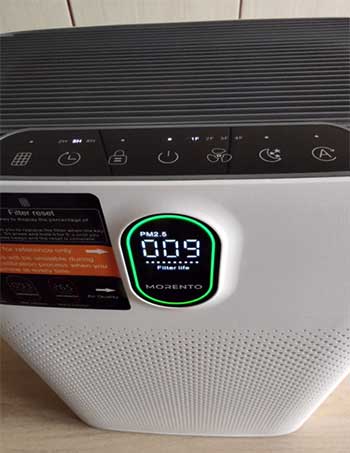
When I put my Crane up against the Morento HY4866, the first difference that jumps out is room coverage.
My Crane handles about 300 square feet comfortably, which suits my apartment just fine, but the Morento claims up to 1,076 square feet with its dual HEPA setup—front and back filters pulling in air from both sides.
That’s impressive if you have a bigger living space; it refreshes the air faster in large areas.
I like how the Morento adds smart features like Wi-Fi connectivity and app control, letting you tweak settings from your phone or with Alexa.
My Crane?
It’s all manual touch buttons, no frills there. On filtration, both use true HEPA to nab 99.97% of tiny particles, but Morento’s activated carbon layer tackles odors better, like from cooking or pets. However, I’ve heard the Morento gets noisy on high speed, around 60 dB, while my Crane stays whisper-quiet even when cranked up.
Energy-wise, Crane sips power at low settings, but Morento’s dual fans might hike your bill a bit. If you’re after affordability and quiet for medium rooms, I’d stick with Crane; for expansive areas and smarts, Morento edges it out, though you might tape over its bright display at night.
- Crane Vs. Oransi
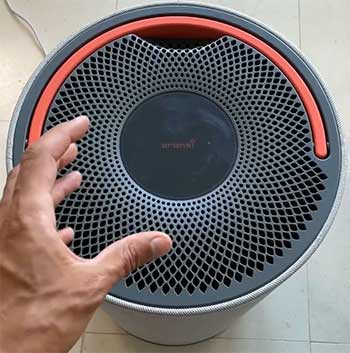
Stacking Crane against Oransi models like the Mod+ or AirMend, Oransi feels more heavy-duty right away.
The Mod+ covers 563 square feet in under 13 minutes with its beefy HEPA and carbon combo, making it a beast for allergens or smoke—great if you deal with wildfires or heavy dust.
My Crane tops out at 300 feet, so for larger homes, Oransi wins on power.
I appreciate Oransi’s build; it’s assembled in the USA with durable plastics, and some have a remote that sticks magnetically on top. Crane’s lightweight at 7 pounds, easy to lug around, but Oransi’s sturdier frame, around 20 pounds for bigger units, screams longevity.
Filtration?
Both grab particles down to 0.3 microns, but Oransi’s MERV17-rated HEPA in the Mod goes deeper on fine stuff, and the TrueCarbon variant crushes VOCs and odors without HEPA trade-offs. No UV in Oransi, though, which I rely on in my Crane for germ-zapping. Noise is similar—quiet on low, but Oransi can hum louder at max, and it’s pricier upfront, maybe double Crane’s cost.
Running costs? Oransi filters last 12-18 months but hit your wallet harder. If you want premium performance for big spaces, Oransi’s your pick; for simple, budget-friendly cleaning with UV bonus, Crane holds its ground.
- Crane Vs. Winix C610
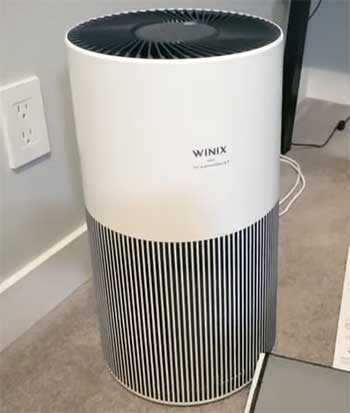
Comparing my Crane to the Winix C610, Winix pulls ahead on tech smarts.
It has Wi-Fi, an app for remote monitoring, and works with Alexa or Google—perfect if you like checking air quality from bed.
Crane keeps it basic with timers and sleep mode, no connectivity.
Coverage is close; Winix handles 380 square feet at full tilt, a tad more than Crane’s 300, with a CADR around 248 for smoke.
Both use true HEPA for 99.97% particle capture, but Winix adds PlasmaWave tech to break down odors and pollutants molecularly, plus a washable pre-filter and carbon sheet. I miss that in Crane, though Crane’s UV light adds antimicrobial punch Winix lacks.
In use, Winix’s auto mode adjusts speeds via sensors, displaying real-time air quality—handy for allergies like mine. Noise? Winix is quiet on low, similar to Crane, but might buzz more on high. It comes with an extra filter, stretching value, and costs about the same upfront. Filters replace every 6-12 months for both, but Winix might run cheaper long-term. If smart integration and plasma appeal to you, go Winix; for straightforward UV-enhanced purification without apps, Crane’s reliable and fuss-free.
Frequently Asked Questions (FAQ)
Coway Airmega AP-1512HH is often top-rated for balance of performance and price.
They can dry out air slightly and may circulate dust if not maintained.
Yes, Crane is reliable for humidifiers with cute designs and effective moisture output.
The Honeywell HPA300 ranks #1 in many tests for large-room efficiency.
Wrapping It Up: Make The Smart Choice With Crane
In the end, if clean, fresh air is what you crave without the fuss, a Crane air purifier is your best bet. It’s reliable, effective, and won’t break the bank. Trust me, once you try it, you’ll wonder how you lived without one.
Go ahead and get yours—better breathing starts today.