
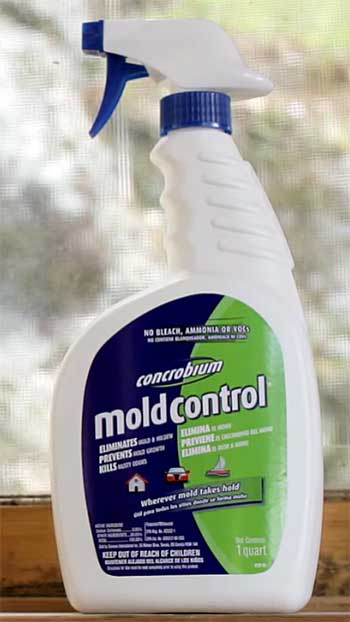
You know that stubborn mold creeping into your home can turn into a nightmare fast. I’ve been there, and Concrobium Mold Control changed everything for me.
It kills mold without bleach or toxic fumes, crushes spores at the root, and leaves a barrier that stops it from coming back.
Safe for you, your kids, and pets, it works on almost any surface. If mold is stressing you out, grab this product—you’ll wish you had sooner.
My Personal Experience With Concrobium Mold Control
Let me take you back to last summer when I first faced a serious mold problem.
We had heavy rains here in my area, and my basement turned into a damp mess.
I pulled back an old rug one day and there it was—black patches spreading across the concrete floor and up the drywall.
You can imagine my panic.
Mold isn’t just ugly; it makes the air feel heavy, and I worried about what we were breathing.
I tried the usual stuff first. Bleach sprayed everywhere, vinegar mixes, even scrubbing with baking soda pastes.
Nothing stuck.
The mold faded a bit but came roaring back within weeks. That’s when I grabbed Concrobium Mold Control after reading about its different approach.
The bottle arrived, and I geared up—gloves, mask, fans running. I sprayed it generously on the affected areas. No harsh smell hit me, just a mild, clean scent. That alone felt like a win compared to bleach burning my nose.
I let it sit wet for a while, then allowed it to dry naturally. As it dried, I noticed the mold stains lightening slightly, but more importantly, the surface felt different—almost sealed.
A week later, I checked back. The visible mold was gone, crushed into dust that I vacuumed up easily. No scrubbing needed. I applied a second coat for good measure, especially in corners where moisture lingered.
Months passed, and even through a humid fall, nothing returned. I started using it preventively too—spraying behind the washing machine and in the bathroom corners.
You might wonder if it handles tough spots. I tested it on wooden shelves in my garage that had mildew from poor ventilation. Same result: mold eliminated, no damage to the wood. My family noticed the air felt fresher, less musty.
One time, I fogged a small crawl space with a rented fogger and Concrobium—it reached every nook without me crawling in there.
Not everything was perfect, which I’ll get to later, but overall, this product gave me control back. I sleep better knowing I’m not fighting a losing battle. If you’re staring at mold right now, I get it. Try Concrobium—you’ll feel that relief too.
Also Read: Can RMR-141 Deal With Mold And Mildew?
The Pros of Using Concrobium Mold Control
- No Harsh Chemicals Mean Real Safety for Your Home
You and I both know how scary it can be to spray something strong around the house, especially if you have little ones running around or pets that get into everything.
That’s one of the biggest reasons Concrobium won me over completely.
It has zero bleach, zero ammonia, and no volatile organic compounds that make your eyes water or your throat burn.
I remember using it in my kids’ playroom corner where mold had started creeping up the baseboards—I didn’t have to evacuate the house or worry about residue they might touch later.
It’s EPA-registered as a safe, non-toxic formula, and I’ve even used it in the kitchen near where we prep food. You get that deep clean feeling without any of the guilt or risk that comes with harsher products. For anyone with allergies or asthma in the family, this alone makes it worth every penny.
- It Crushes Mold Spores and Builds a Lasting Barrier
What really sets Concrobium apart for me is how it doesn’t just mask or temporarily kill mold—it physically crushes the spores and then leaves behind an invisible shield that keeps new growth from taking hold.
I watched this happen in real time in my basement. After the first proper application, not only did the existing mold turn to dust, but even through a damp spring and summer, nothing came back in the treated zones.
You’re essentially getting two products in one: a killer and a preventer. That polymer barrier forms as the solution dries, and it’s tough enough to last months if moisture isn’t extreme. I’ve told friends about this feature because it turned my constant mold battles into something I barely think about anymore.
- Versatility Across Surfaces Makes It a Go-To Solution
I love that I don’t need a different cleaner for every material in my house. Concrobium works on concrete, drywall, wood beams, tile grout, fabrics, even old books and leather items that got musty in storage.
I’ve sprayed it on painted walls without any bleaching or peeling, fogged it into attic rafters, and wiped it onto shower curtains. You can apply it with a simple trigger bottle for spot treatments or hook it up to a fogger for whole rooms.
That kind of flexibility meant I cleared mold from my garage shelves, bathroom ceiling, and even the fabric liner in an old trunk—all with the same jug. It saves space in your cleaning closet and saves you from guessing whether a product will damage something you care about.
- Odor Elimination Without Masking Smells
Musty smells used to hit me every time I opened the basement door, and no amount of air fresheners fixed it—they just layered fake scents on top. Concrobium tackles the odor at the source by eliminating the mold that causes it.
After treatment, my entire lower level smelled clean and neutral, like fresh air instead of that heavy, stale dampness. You’ll notice it right away, especially in closets or bathrooms where odors build up fast.
I’ve had guests comment on how fresh the house feels without realizing I’d just treated a problem area. It’s a subtle but huge quality-of-life upgrade.
- Ease of Application Saves You Time and Effort
Let’s be honest—most of us don’t want to spend a whole weekend scrubbing mold. With Concrobium, you spray it on generously, let it air dry, and you’re done. No exhausting brushing, no rinsing, no multiple steps.
I’ve covered large sections of wall in minutes using a pump sprayer, then just set up a couple fans to speed drying. You can treat hard-to-reach spots without contorting yourself or moving heavy furniture. For bigger jobs, the fogger option reaches every corner effortlessly.
That simplicity made me actually follow through on preventive treatments instead of putting them off.
Also Read: Comparison of RMR-141 And RMR-86.
The Cons of Concrobium Mold Control To Consider
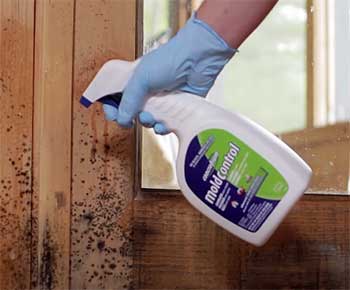
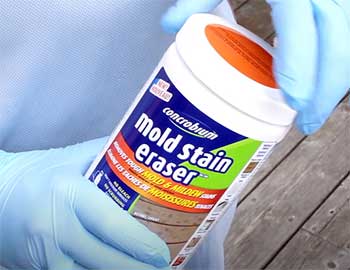
- Visible Stains Can Linger After Treatment: You should know this upfront: Concrobium kills mold effectively, but it doesn’t always bleach out deep stains. In my experience, black patches lightened but didn’t vanish completely on porous wood. I had to pair it with gentle cleaning for cosmetic fixes.
- Multiple Applications Sometimes Required: For heavy infestations, one coat wasn’t enough. I reapplied in damp corners to ensure full coverage. You might face the same if moisture issues persist.
- Higher Upfront Cost Compared to Basic Cleaners: It runs pricier than generic bleach sprays. I justified it through long-term prevention, but you’ll feel the hit initially.
- Drying Time Demands Patience: You need to let surfaces dry thoroughly, sometimes overnight with fans. I learned rushing this reduces the barrier’s strength.
- Spray Bottle Quality Varies: Some bottles I bought had finicky nozzles that clogged. You might need to transfer to a better sprayer.
Tips For Long-Term Mold Prevention With Concrobium
- Controlling Humidity Levels in Your Living Spaces: You can’t ignore moisture—it’s mold’s best friend. I installed a dehumidifier in my basement set to 50% humidity, and paired it with regular Concrobium applications. Check your home’s levels with a simple hygrometer. In bathrooms, run exhaust fans during showers and for 30 minutes after. You’ll dramatically reduce mold’s chances when humidity stays low.
- Performing Regular Inspections and Early Interventions: I make it a habit now to inspect high-risk areas monthly—under sinks, behind appliances, attic corners. Catch small patches early, and Concrobium handles them easily. You spot leaks or condensation faster this way, fixing sources before mold explodes.
- Perfecting Your Application Technique: Apply generously until surfaces glisten but don’t puddle. I use a garden sprayer for even coverage on large areas. Allow full drying—use fans or open windows to speed it. For prevention, reapply every few months in vulnerable spots. You maximize the barrier’s strength this way.
- Combining Concrobium with Ventilation Improvements: Good airflow changes everything. I added vents in my crawl space and keep windows cracked on dry days. After treating with Concrobium, circulation helps drying and prevents trapped moisture. You create an environment mold hates.
- Addressing Water Leaks and Sources Promptly: Fix dripping pipes, roof leaks, or poor grading outside immediately. I sealed foundation cracks and directed gutters away from the house. Concrobium treats symptoms beautifully, but you must handle causes for permanent success.
- Using Concrobium in Preventive Fogging: For whole-room protection, rent a fogger. I fogged my attic once a season—Concrobium reaches everywhere. You protect hard-to-access areas without climbing ladders constantly.
- Cleaning and Maintaining Treated Surfaces: Avoid washing away the barrier with harsh cleaners. I dust or vacuum treated areas gently. If stains return cosmetically, light cleaning followed by reapplication keeps protection intact.
- Monitoring Indoor Plants and Fabrics: Plants add humidity—group them wisely. I treat fabric items like curtains preventively. You stay ahead in bedrooms or closets where moisture builds quietly.
Comparing Concrobium To Other Mold Removers
- Concrobium Vs. Mold Armor
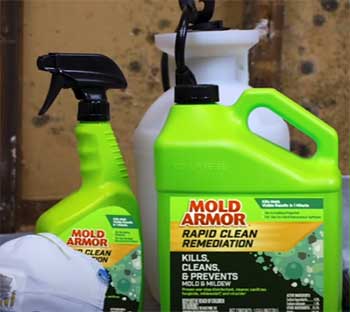
You know how tempting it is to grab something like Mold Armor when you see those dramatic before-and-after ads promising instant stain vanishing.
I did exactly that early on in my mold fights.
Mold Armor hits hard with its bleach formula—it sprayed on my bathroom tiles and grout, and within minutes, those black stains lightened dramatically.
You get that satisfying visual win fast, which feels great when you’re desperate for a clean look.
But here’s where I switched loyalties. The fumes from Mold Armor forced me to ventilate like crazy, and I still felt them lingering. More importantly, it only tackled surface issues. A few weeks later, mold crept back because there’s no preventive barrier.
Concrobium takes longer to show cosmetic results—stains fade gradually as it dries—but it crushes spores at the root and leaves that invisible shield. I don’t get regrowth in treated areas nearly as often.
Plus, no harsh smells mean you can use Concrobium indoors without headaches or worries around family. If you want quick aesthetics and don’t mind chemicals, Mold Armor delivers. For safer, longer-lasting control, Concrobium is your better bet.
- Concrobium Vs. RMR-86
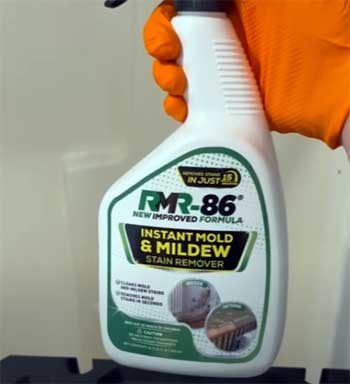
RMR-86 is the heavy hitter that everyone raves about for stubborn stains, and I get why—I tested it on some nasty garage concrete where mold had built up over years.
You spray it on, and almost immediately, stains start lifting.
It’s professional-grade strong, no scrubbing needed, and it obliterated visible black mold faster than anything else I’ve tried.
If your goal is erasing deep, set-in discoloration in one go, RMR-86 feels like a miracle.
That power comes with trade-offs I couldn’t ignore. The chemical odor is intense—you need serious ventilation, gloves, and probably a mask. It burned my nose even from a distance. Like Mold Armor, it excels at killing and removing what’s there but doesn’t build any ongoing protection.
Mold returned in damp spots because moisture pulls it right back. Concrobium’s approach feels slower upfront—no instant wow factor on stains—but the tri-salt technology physically destroys spores and forms a polymer barrier that actually prevents recurrence.
I’ve gone seasons without touch-ups after proper application. You stay safer with no toxic fumes, making it ideal for homes with kids or pets. RMR-86 for shock-and-awe cleanup; Concrobium for real, sustained peace of mind.
- Concrobium Vs. Glassguard Mold Remover
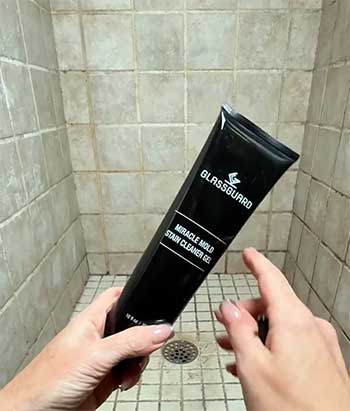
Glassguard’s Miracle Mold Stain Removal Gel caught my eye with all those shower makeover videos—it’s a thick gel you squeeze onto grout, silicone seals, or caulk, and it clings without dripping, even on vertical surfaces.
I applied it thickly in my bathroom where pink and black mold loved hiding in the corners.
You leave it for hours (or overnight for tough stuff), then rinse. It pulled out embedded stains impressively, especially in grout lines that nothing else touched well.
No scrubbing required, which saved my arms, and the results looked cleaner than my usual sprays.
Still, I found limitations compared to Concrobium. Glassguard focuses heavily on stain removal—great for cosmetics—but it doesn’t crush spores the same way or leave a strong preventive barrier. In my experience, some mold signs returned faster in high-humidity areas because it relies more on deep cleaning than ongoing protection.
The gel can clump when rinsing, making cleanup a bit messy, and you wait longer for it to work. Concrobium sprays on easily, dries to form that durable shield, and handles prevention proactively across broader surfaces like wood or drywall without residue issues.
It’s also fume-free and versatile for fogging whole rooms. Glassguard shines for targeted bathroom grout battles where stains are the main enemy. For comprehensive killing plus long-term defense in any space, you can’t beat Concrobium’s all-around performance.
Frequently Asked Questions (FAQ)
It starts killing mold on contact, with full spore crushing and barrier formation as it dries, usually within hours.
No—leave it to dry completely for the protective barrier to form.
Concrobium ranks among top non-toxic options for effectively killing and preventing black mold.
No, it’s a patented tri-salt blend that forms a polymer shield far beyond simple baking soda.
Final Thoughts On Concrobium Mold Control
After everything I’ve experienced, I keep coming back to Concrobium. It’s safe, prevents regrowth better than anything else I’ve tried, and gives you real control over mold. You deserve a home free from that worry.
Pick up Concrobium Mold Control today—you won’t regret taking this step.