
I’ve spent countless summers splashing around in above-ground pools, and after owning both Coleman and Intex models, I can tell you they’re the two biggest names for affordable backyard fun.
In this article, I’ll share my real experiences comparing them head-to-head, breaking down everything from setup and durability to cost and maintenance. My goal is to help you decide which one fits your family best—whether you’re after quick summer dips or something that lasts multiple seasons.
Let’s get right into it with a clear comparison.
| Feature | Coleman Pools | Intex Pools |
| Price Range | Generally $150–$800 (more budget-friendly for larger sizes) | $100–$1,200 (wider range, premium models higher) |
| Frame Material | Mostly powder-coated steel or hybrid | Powder-coated steel (similar) |
| Liner Material | Triple-layer polyester mesh with PVC | Super-Tough triple-ply PVC laminate |
| Sizes Available | 12ft–24ft diameter, rectangular options | 8ft–32ft, extensive rectangular and oval |
| Setup Time | 45–90 minutes | 30–60 minutes (often faster) |
| Pump/Filtration | Basic cartridge or sand filters | Cartridge standard, sand on higher models |
| Warranty | Typically 90 days to 1 year | 1–2 years on most models |
| Durability Rating (my experience) | Good for 3–5 years with care | Solid 4–7 years, often outlasts Coleman |
| Accessories Included | Ladder, cover, ground cloth (varies) | Often more complete kits |
| Ease of Repair | Parts harder to find | Widely available patches and parts |
Key Differences Between Coleman And Intex Pools
Here’s where the real distinctions appear after you’ve lived with both:
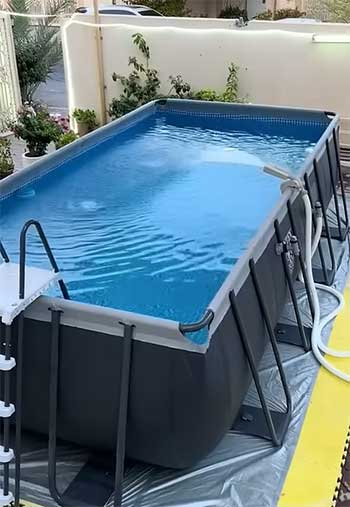
- Frame construction: Coleman often uses Prism or Power Steel frames with unique diagonal bracing, while Intex leans toward Ultra XTR or standard rectangular tubes—Intex feels slightly more rigid once fully assembled.
- Liner thickness and material: Intex’s Super-Tough triple-ply often holds up better against dog claws or dropped toys; Coleman’s liner is strong but I’ve seen it tear easier on sharp edges.
- Variety of sizes and shapes: Intex wins hands down—everything from tiny 8-foot rounds to massive 32-foot rectangles. Coleman has solid options but fewer extremes.
- Pump quality and options: Intex offers saltwater systems and bigger GPM pumps standard on similar-priced models; Coleman usually sticks to basic cartridge filters unless you upgrade.
- Warranty and support: Intex provides longer warranties and easier customer service in my experience—replacement parts ship faster.
- Setup complexity: Intex frame pools snap together more intuitively; Coleman sometimes requires aligning more pieces precisely.
- Weight when filled: Similar, but Intex rectangular models distribute weight better on uneven ground.
- Winterizing ease: Both are comparable, but Intex covers fit tighter and last longer.
- Resale value: Intex holds value better if you ever sell used—more buyers recognize the brand.
- Noise from pump: Intex pumps tend to run quieter, especially the newer models.
These differences became clear after multiple seasons—small things add up when you’re using the pool daily.
Key Features of Coleman Pools
Coleman has been around forever, mostly known for camping gear, and their pools feel like an extension of that rugged outdoor vibe. Here’s what stands out when you own one:
- Strong steel frame with powder coating that resists rust better than cheaper brands in humid climates.
- Prism frame design on many models—those diagonal supports add stability when kids are cannonballing nonstop.
- Triple-strength liner made from polyester mesh sandwiched between PVC layers; it feels thick when you touch it.
- Easy drain valve that connects to a garden hose—no wrestling with plugs.
- Many models include a ground cloth and debris cover right in the box.
- Rectangular options (Power Steel series) give you more swimming space without taking up a huge circular footprint.
- Some higher-end models come with sand filter pumps instead of basic cartridge ones.
- Built-in flow control valves that make emptying safer and faster.
I’ve always appreciated how Coleman pools look a bit more premium at first glance—the darker frames and cleaner lines make the backyard feel polished.
Also Read: Differences Between Pebble Tec And Wet Edge.
Pros of Coleman Pools
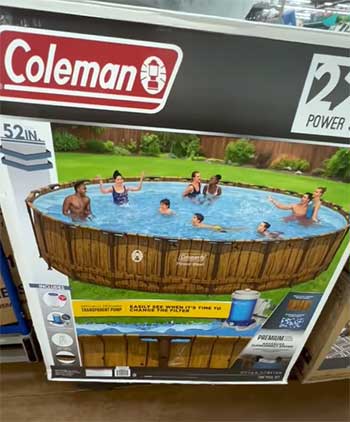
- Outstanding value for money — I’ve always found Coleman pools to be the budget champion. For example, you can often snag a spacious 18-foot round or rectangular model for hundreds less than a comparable Intex, especially during sales at big-box stores. That extra savings meant I could splurge on a better pump or fun accessories like floating lights without breaking the bank.
- Sturdy Prism or Power Steel frame design — The diagonal bracing and powder-coated steel really shine when the kids are playing rough. In my experience, it holds up well to cannonballs, pool noodles whacking the sides, and even accidental bumps from lawn mowers nearby. Many owners report the frame feeling rock-solid right from setup.
- Attractive, premium-looking appearance — Coleman nails the aesthetics with darker frames, wicker or stone prints on some models, and cleaner lines overall. It doesn’t scream “temporary pool” like some brighter blue options—my backyard looked more polished, and neighbors even complimented how it blended in.
- Excellent rectangular shape options — If your yard is narrow or you want maximum swim space, Coleman’s Power Steel rectangular pools are a game-changer. They give you longer laps or more room for games without wasting yard space on a huge circle. I loved having that straight swim lane for racing the kids.
- Strong rust resistance on the frame — The powder coating does a decent job in humid areas. With proper winterizing—drying joints thoroughly and storing covered—I’ve seen minimal rust even after several seasons.
- Foolproof drain system — That easy-connect garden hose valve is simple and reliable. No fumbling with plugs or accidental floods when emptying—it’s one less headache at the end of summer.
- Often includes essential accessories in the bundle — Ground cloth, debris cover, and sometimes a basic ladder come standard on many models, saving you immediate add-on costs.
- Lighter packaging for easier transport — Hauling it home from the store is less of a workout compared to bulkier brands—great if you’re loading it yourself.
- Reliable performance for 3–5 seasons — With regular care like balanced chemicals and covering when not in use, mine delivered consistent fun without major issues for multiple years.
- Frequently available at deep discounts — Big retailers often mark them down significantly, making it easy to upgrade sizes without guilt.
- Good for moderate family use — It handles daily splashes, pets occasionally jumping in, and backyard parties well without feeling flimsy.
Cons of Coleman Pools
- Shorter warranty and harder-to-find support — Typically just 90 days to a year, and customer service can be hit-or-miss. Replacement parts aren’t as readily available online or in stores compared to bigger brands.
- Liner feels thinner and more puncture-prone over time — While it’s triple-layer, I’ve noticed it tears easier from sharp toys, dog claws, or even branches falling in. Patches work, but it happens more often than I’d like after year two or three.
- Basic pump and filtration system — The included cartridge filter struggles with heavy use—water clouds up faster during peak summer with lots of swimmers. I ended up upgrading to a sand filter early on because cleaning cartridges weekly got old.
- Replacement parts can be scarce — After a few years, finding exact frame pieces or specific liners becomes a hunt, sometimes forcing a full replacement sooner.
- Fewer size and shape varieties — Great rectangular options, but not as many extremes in diameter or oval shapes if that’s what your yard needs.
- Potential for rust at joints if not perfectly winterized — In wet climates or if moisture gets trapped, spots appear faster than on premium-coated competitors.
- Setup instructions sometimes confusing — The extra bracing steps tripped me up the first time—aligning everything precisely takes patience, especially solo.
- Accessories like covers and ladders feel budget-level — Covers blow off in wind easily, and ladders can wobble more than sturdier aftermarket ones.
- Limited online community for repairs and mods — Fewer forums or YouTube tutorials specific to Coleman mean troubleshooting takes longer.
- Lower resale value — If you ever sell it used, buyers often prefer more recognizable brands, so you get less back.
- Water clarity requires more frequent attention — Without a strong pump, algae or debris builds quicker, meaning more shocking and vacuuming.
Coleman gave me solid summers without regrets, especially early on when budget mattered most, but the upkeep added up over time.
Key Features of Intex Pools
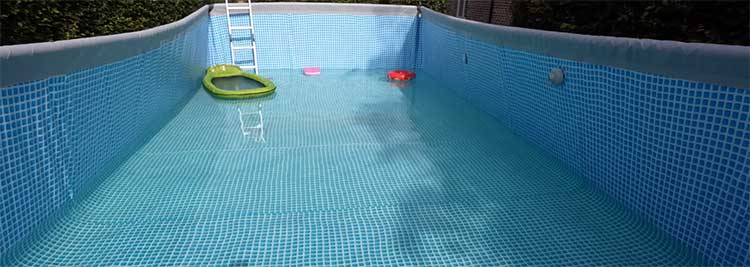
Intex is basically the king of above-ground pools in terms of variety and market share. They’ve refined their designs over decades, and it shows:
- Super-Tough laminated PVC liner that’s puncture-resistant and UV-protected.
- Huge range of shapes: round, rectangular, oval, even Ultra XTR frames for serious durability.
- Krystal Clear filtration systems—cartridge or saltwater compatible on many models.
- Quick-setup Easy Set pools with inflatable top rings (though I prefer frame models).
- Hydro Aeration technology in pumps that improves water circulation and clarity.
- Built-in ladders with removable steps for safety when not in use.
- More accessory bundles: volleyball sets, maintenance kits, solar covers.
- Metal frame models with rust-resistant coating and snap-in joints that feel rock-solid.
- Larger capacity pumps on mid-to-high models that keep water cleaner longer.
- Color options—some have stone or wood-print exteriors that blend into landscaping.
What I love most is how Intex constantly adds small improvements, like better sealing on connections that reduce leaks.
Also Read: Differences Between HTH And Clorox Pool Shock.
Pros and Cons of Intex Pools
Pros of Intex Pools
- Unmatched variety in sizes and shapes — From compact 8-foot rounds to massive 32-foot rectangles or ovals, Intex has it all. I could finally find the perfect fit for my awkward yard shape without compromise.
- Super-Tough liner that’s highly durable — The triple-ply laminated PVC stands up incredibly well to punctures, UV fading, and daily wear. Mine survived roughhousing, dropped toys, and even a curious dog without a single tear for seasons.
- Superior filtration options — Many models include or support saltwater systems, Hydro Aeration for better circulation, and larger GPM pumps. Water stayed crystal clear longer, even with heavy family use.
- Longer warranties and better support — Often 1–2 years, with faster parts shipping and more helpful customer service from my calls.
- Intuitive, faster setup — Snap-together frames and clear instructions made assembly smoother—often under an hour with practice.
- Widely available parts and patches — Everything from liners to pumps is easy to find online or in stores, making repairs quick and affordable.
- Premium models feel semi-permanent — Ultra XTR series especially—rigid frames and quality materials handle years of abuse like a more expensive pool.
- Quieter and more efficient pumps — Newer models run smoother, keeping noise down during evening swims.
- Greater accessory compatibility — Easy to add lights, heaters, volleyball sets, or auto-cleaners without fit issues.
- Strong online community and resources — Tons of tips, mods, and troubleshooting on forums—saved me hours on maintenance hacks.
- Excellent UV and fade resistance — Colors and prints hold up better in direct sun, keeping it looking new longer.
- Rectangular and oval shapes optimize yard space — More swim area and better weight distribution on uneven ground.
- Higher overall longevity — Many owners, including me, get 5–7+ years with care, making it better long-term value.
Cons of Intex Pools
- Can cost more for equivalent features.
- Heavier boxes—need help carrying larger models.
- Some Easy Set (inflatable ring) models sag if not perfectly level.
- Higher price on premium Ultra XTR series.
- Pumps on entry-level models still require frequent cleaning.
- More counterfeit or knock-off accessories online.
- Larger models require serious ground prep.
- Covers sometimes don’t fit perfectly on rectangular shapes.
- Saltwater systems add upfront cost and corrosion concerns if misused.
Intex has become my go-to because the longevity justifies the slight extra cost.
My Personal Experience with Setup and Maintenance
Setting up a Coleman took me and my wife about 90 minutes the first time—mostly figuring out the diagonal supports. Intex? Under an hour once I knew the routine. Level ground is non-negotiable for both—I’ve learned that lesson after minor floods.
Maintenance-wise, I clean filters weekly on either brand. Intex water stays clearer longer thanks to better circulation. Draining at season’s end is similar, but Intex’s dual drain plugs make it faster. Winterizing involves lowering water, adding chemicals, and covering—Coleman covers tear easier in wind.
Repairs: I’ve patched both liners successfully with included kits, but Intex patches adhere better. Rust on frames? Minimal on both if you dry joints before storage.
Which One Should You Choose?
It depends on your situation. If budget is tight and you want rectangular shape with solid build, go Coleman—you’ll get great value. If you want maximum durability, variety, and slightly better features, Intex is worth the stretch.
My family now sticks with Intex because the kids are rough, and it handles daily abuse without complaints. But I still recommend Coleman to friends who change pools frequently or have smaller budgets.
You deserve a pool that brings joy without constant worry. Whichever you pick, set it up right, maintain it regularly, and those summer memories will be priceless.
Also Read: Differences Between Pebble Tec And Pebble Sheen.
Frequently Asked Questions (FAQ)
No, they are different brands with separate designs and materials, though both use steel frames and PVC liners. Intex generally offers more variety and longer durability.
With proper care and storage, 3–5 years is typical. Some last longer, but liners often need replacement around year 4.
Yes, it’s one of the best for above-ground pools—reliable, widely supported, and continually improved over decades.
Quite durable for the price—handles normal family use well for several seasons, but not as tough as premium Intex models against punctures or heavy wear.
Final Thoughts
We’ve covered everything I wish I’d known before buying my first pool. You now have the full picture to make the smart choice for your backyard. Enjoy those splashes—summer’s too short not to.