
I can’t recommend CLR Mold and Mildew Clear enough – if you’re dealing with those pesky stains in your bathroom or kitchen, this stuff is a game-changer. It’s bleach-free, so no harsh fumes, and it tackles tough spots on tiles, grout, and even fabrics without damaging them.
Trust me, you’ll see results fast, and it’s safer for your home and family. Don’t wait for mold and mildew to take over; pick up a bottle today and reclaim your clean spaces.
My Experience With CLR Mold and Mildew
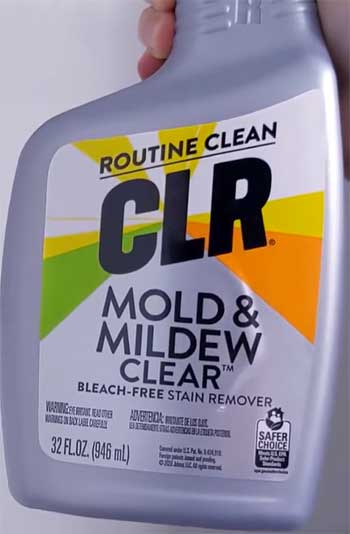
I’ve been living in my cozy apartment in the city for a few years now, and like many of you, I’ve battled those sneaky mold and mildew stains that seem to appear out of nowhere, especially in the bathroom where humidity loves to linger.
One day, I noticed dark spots creeping along the grout lines in my shower – you know, that gross buildup that makes everything look dingy and unclean no matter how much I scrubbed with regular cleaners.
I tried a few household remedies first, like vinegar and baking soda, but they barely made a dent.
That’s when I decided to give CLR Mold and Mildew Clear a shot after hearing about it from a friend who swears by it for her old house.
Let me walk you through my first experience with it. I grabbed the 32-ounce spray bottle from the store – it’s got this handy foam trigger that makes application a breeze. The label says it’s bleach-free, which was a huge plus for me because I hate that strong chemical smell that lingers and makes my eyes water.
I started by testing it on a small, hidden spot in the corner of the shower, just to be sure it wouldn’t damage the tiles. No issues there, so I went all in. I sprayed a generous amount on the stained grout and let it sit for about 10 minutes, as the instructions suggest.
During that time, I could see the foam starting to work its magic – the stains were visibly lightening without me having to do anything yet.
After the wait, I grabbed a clean cloth and wiped it away. You wouldn’t believe how easily the gunk came off! Those blackish spots that had been mocking me for weeks were gone, leaving the grout looking fresh and white again.
It wasn’t perfect on the really embedded areas – I had to reapply once more and let it sit a bit longer – but overall, it saved me hours of scrubbing. I also used it on the shower curtain liner, which had some mildew at the bottom.
Same process: spray, wait, wipe, and it was like new. The best part? No overwhelming odor, just a mild scent that faded quickly. I felt like I was actually making progress without exposing myself to harsh stuff.
Since that first use, I’ve incorporated it into my routine. I tackled the window sill in my kitchen where moisture from cooking had caused some buildup – again, quick and effective. It even worked on a fabric chair that got stained from sitting in a damp spot.
I was impressed by how versatile it is; the product claims it handles everything from hardwood floors to automobile tires, and in my tests, it lived up to that. One thing I noticed is that it doesn’t kill the mold roots, so I pair it with preventive steps now, but for stain removal, it’s spot-on.
If you’re like me and want something that works without the hassle, this has become my go-to. It gave me back that sense of control over my space, and honestly, it made cleaning feel less like a chore.
Pros of CLR Mold and Mildew
- Effective Stain Removal Without Bleach
You know how some cleaners promise the world but leave you coughing from fumes?
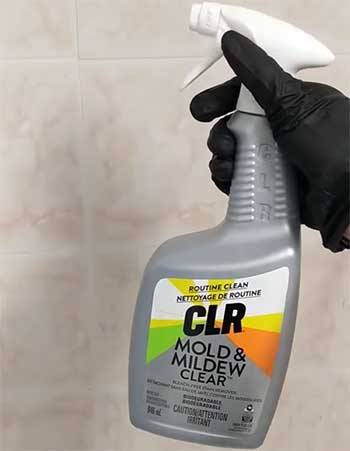
With CLR Mold and Mildew Clear, I love that it’s bleach-free, yet it powers through those ugly stains like a champ.
In my shower, where mildew had turned the grout dark, a quick spray and 10-minute wait lifted it right off.
No harsh chemicals means I can use it without worrying about irritating my skin or lungs, and it’s even EPA Safer Choice certified, which gives me peace of mind.
You can tackle spots on tiles, walls, or even fabrics, and see real results fast – it’s like giving your home a fresh start without the drama.
- Versatile for Multiple Surfaces
What really stands out to me is how this product adapts to different areas in your home. I’ve used it on everything from bathroom tiles to kitchen baseboards, and it handles them all without causing damage.
Picture this: your hardwood floors have a mildew spot from a leaky window – spray it on, wait, wipe, done. Or those automobile tires with stubborn buildup? It works there too.
For you, if you’ve got painted walls or fiberglass in your boat, this is gentle enough not to etch or fade them. It’s not just a one-trick pony; it’s your all-around helper for keeping things spotless.
- Quick and Easy Application
I appreciate how straightforward CLR makes the process – no endless scrubbing required. The foam spray clings just enough to work its way into stains, and after 10 minutes, a simple wipe does the trick.
In my experience, it saved me time compared to other methods where I’d be on my knees for hours. You spray, set a timer, and go make coffee while it does the heavy lifting. For busy folks like us, that’s a win; it fits into your routine without turning cleaning into a full-day event.
- Mild Scent and Safe Formula
Unlike those overpowering cleaners that make your head spin, this one has a subtle smell that doesn’t linger. I can clean my bathroom without needing to air out the whole apartment afterward. Plus, being safer for pets and kids means I don’t stress if my cat wanders in.
You get effective cleaning without the trade-offs – no ammonia or phosphates, just results. It’s the kind of product that makes you feel good about what you’re using in your space.
- Long-Lasting Results When Used Regularly
Once I cleared those initial stains, I found that spot-treating every couple of weeks keeps things under control. The stains don’t come back as quickly, especially if you combine it with good habits.
In my kitchen, where humidity from cooking builds up, a quick application every month maintains that clean look. For you, it means less frequent deep cleans, saving effort over time. It’s reliable, and I’ve seen it hold up better than some pricier options I’ve tried.
Cons of CLR Mold and Mildew
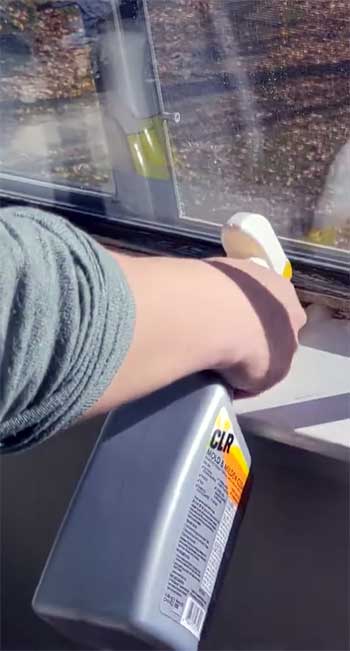
- Doesn’t Kill Mold Spores: One downside I’ve noticed is that CLR focuses on removing visible stains but doesn’t actually kill the underlying mold. In my shower, the spots vanished, but without addressing the roots, they crept back after a few weeks in humid conditions. If you’re expecting a complete mold eradication like with bleach-based products, this might disappoint. You have to pair it with other preventive measures, or you’ll be repeating the process more often than you’d like.
- May Require Multiple Applications for Tough Stains: For really stubborn or older buildup, one go isn’t always enough. I had to reapply twice on some grout lines, letting it sit longer each time. It’s effective, but if you’re dealing with heavy mildew, expect a bit more effort. You might find yourself wishing for something stronger on those deep-set problems, especially in neglected areas.
- Doesn’t Cling Well on Vertical Surfaces: The foam is decent, but on walls or shower doors, it can run down before fully working. In my tests, I had to spray extra to keep it in place, which used more product. If your issues are mostly on upright spots, you could end up with uneven results or needing to touch up.
- Limited on Certain Materials: While versatile, it’s not for everything – avoid wallpaper, some plastics, or unsealed surfaces. I skipped it on my fabric wallpaper border, knowing it could cause issues. You have to check labels carefully, or risk damage, which adds a step to your cleaning.
Tips For CLR Mold and Mildew
- Keep Humidity in Check: You and I both know humidity is the enemy here – it invites mold and mildew like an open door. In my home, I run a dehumidifier in the bathroom, aiming for under 50% humidity. Open windows after showers, or use an exhaust fan for 20-30 minutes. It makes a huge difference; I’ve noticed fewer spots forming since I started monitoring levels with a simple hygrometer.
- Dry Surfaces Thoroughly: After every use, wipe down wet areas – don’t let water sit. I keep a squeegee in the shower and swipe the walls and floor daily; it takes seconds but prevents buildup. For you, towel-dry sinks and counters too. In kitchens, dry dishes immediately instead of air-drying. This habit alone has kept my grout cleaner longer.
- Regular Cleaning Schedule: Set a routine: I clean high-risk spots weekly with a mild cleaner. Vacuum vents and wipe baseboards to remove dust that feeds mildew. You can use a soft brush on grout monthly. Consistency is key – it stops small issues from becoming big ones.
- Improve Ventilation: Ensure good airflow; I added a fan in my basement storage where mildew once thrived. In bathrooms, check that exhausts vent outside, not into attics. For you, crack windows in humid rooms or install vents. It circulates air, reducing moisture pockets.
- Use Preventive Products: Apply mold-resistant sealants on grout or caulk lines annually. I spray a natural oil like tea tree in damp areas weekly as a barrier. You might try silica gel packs in closets. Combine with CLR for stains, but these steps prevent recurrence.
- Fix Leaks Promptly: A dripping faucet? Fix it ASAP – even small leaks create perfect conditions. I tightened mine and saw immediate improvement. Check pipes, roofs, and windows regularly; you don’t want hidden moisture fueling growth behind walls.
- Choose Mold-Resistant Materials: When remodeling, opt for treated paints or tiles. In my update, I used mildew-resistant caulk, and it’s held up great. For you, this long-term tip saves hassle.
Comparison of CLR Mold and Mildew With Other Brands
- CLR Mold and Mildew Clear Vs. Concrobium Mold Control
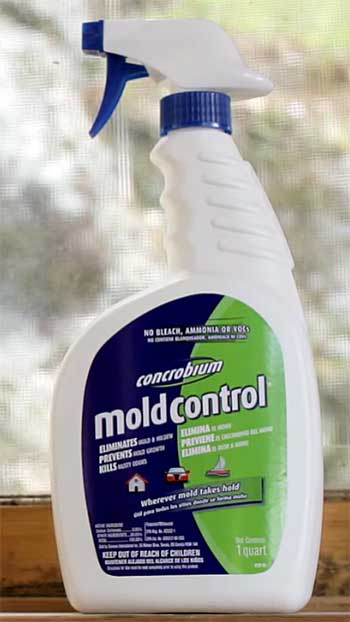
When I put CLR head-to-head with Concrobium Mold Control, the differences really show in their approaches.
CLR excels at quickly lifting visible stains from surfaces like tiles and grout – in my bathroom tests, a 10-minute soak and wipe left everything looking fresh without any scrubbing.
Concrobium, on the other hand, is more about crushing and encapsulating mold to prevent regrowth; it’s great for porous materials like drywall or wood, where it forms a protective barrier that lasts.
I tried Concrobium in my basement, and it did a solid job stopping recurrence, but it didn’t remove the dark spots as effectively as CLR – you often need a follow-up cleaner for that cosmetic finish.
CLR’s bleach-free formula feels gentler for everyday use around the house, while Concrobium’s odorless, non-toxic vibe makes it ideal for sensitive areas or long-term prevention.
If your main goal is stain removal without harsh chemicals, CLR wins for speed and ease; for ongoing mold control in damp spots, Concrobium edges it out, especially since it doesn’t require rinsing.
Price-wise, both are affordable, but CLR’s versatility on fabrics and hard surfaces gives it broader appeal in my routine.
- CLR Mold and Mildew Clear Vs. RMR-141
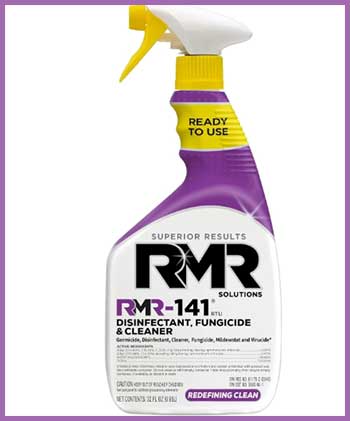
Stacking CLR against RMR-141 highlights their strengths in different scenarios.
RMR-141 is a disinfectant powerhouse, killing mold, bacteria, and viruses on contact – I used it once on a heavily mildewed shower curtain, and it sanitized deeply, leaving no trace of odor or residue.
It’s ready-to-use and works fast, often in under a minute for light stains, but it can be harsher with its fungicide ingredients, which might irritate skin or require better ventilation.
CLR, by contrast, focuses on stain removal without the disinfecting punch; it’s safer for frequent use since it’s bleach-free and EPA-certified, and in my kitchen trials, it handled grease-tinged mildew on baseboards without damaging the paint.
RMR-141 shines in professional or severe cases, like after water damage, where full eradication is key, but it might etch certain surfaces if not tested first. CLR’s foam clings decently and wipes clean easily, making it more user-friendly for DIY folks like me.
If you need something that kills and prevents in one go, RMR-141 is stronger, but for straightforward, non-toxic stain busting on multiple materials, CLR is my go-to – plus, it’s often cheaper per ounce.
- CLR Mold and Mildew Clear Vs. ACTIVE Mold Stain Remover

Going toe-to-toe with ACTIVE Mold Stain Remover, CLR holds its own in the ease-of-use department.
ACTIVE is enzyme-based, breaking down organic stains naturally without bleach or harsh chemicals – I applied it to some fabric upholstery with mildew from a spill, and it gently lifted the spots over 15-20 minutes, leaving no residue or scent.
It’s eco-friendly and safe for colors, which is perfect for laundry or soft surfaces, but it requires more time and sometimes agitation for tough buildup.
CLR, meanwhile, is quicker for hard surfaces like tiles or concrete; in my garage experiment, a spray and short wait dissolved the stains faster than ACTIVE’s soak method.
ACTIVE doesn’t kill mold spores as aggressively, similar to CLR, so both benefit from preventive habits, but ACTIVE’s natural formula appeals if you’re avoiding synthetics altogether.
I found CLR more versatile across home and outdoor uses, like on patio furniture, while ACTIVE excels in pet-safe or allergy-friendly environments.
If enzymes and gentleness are your priority for organic breakdown, ACTIVE delivers well; for rapid, broad-spectrum stain removal without fuss, CLR pulls ahead, especially in humid bathrooms where speed matters to me.
Frequently Asked Questions (FAQ)
CLR Mold and Mildew Clear for stain removal; Clorox Tilex for killing spores.
About 10 minutes.
Avoid on wallpaper, unsealed plastics, brass, copper, or aluminum.
Spray on stain, wait 10 minutes, wipe with dry cloth.
Wrapping Up: Make CLR Your Next Purchase
After all my trials, CLR Mold and Mildew Clear stands out for its ease and effectiveness. It’s transformed my home without the hassles of harsher options. You owe it to yourself to try it – grab one and see the difference.
Your clean, fresh spaces are just a spray away.