
I’ve spent years chasing that perfect pre-workout edge, the kind that fires up my energy without leaving me wired or wiped out later. After switching between Celsius and C4 for months of gym sessions, HIIT classes, and long runs, I realized both deliver serious fuel but in completely different ways.
My main intent here is simple: share my real-user experiences and analytical take so you can pick the one that matches your routine, goals, and how your body actually responds. No hype, just honest comparison from someone who’s felt the difference firsthand.
| Aspect | Celsius | C4 |
| Form | Ready-to-drink 12 oz can | Powder you mix into water (1 scoop) |
| Caffeine per serving | 200–270 mg (from green tea and guarana) | 150 mg (anhydrous) |
| Calories | 10 | 0 |
| Sugar | 0 g | 0 g |
| Key performance blend | MetaPlus (taurine, ginger, green tea EGCG) | Beta-alanine, creatine nitrate, arginine |
| Best for | Metabolism support and steady daily energy | Explosive workout performance and endurance |
| Convenience | Grab-and-go, no mixing | Requires shaker bottle |
| Typical price per serving | Around $2–3 | Around $1–1.50 |
| Added vitamins/minerals | B vitamins, vitamin C, sometimes chromium | B6, B12, vitamin C in some formulas |
| Unique sensation | Smooth lift with thermogenic warmth | Tingling from beta-alanine plus strong pumps |
Right after that first sip or scoop, the real differences hit you. Let me walk you through everything I noticed so you can picture yourself using them.
Key Differences Between Celsius And C4
- Form And Convenience Set Them Worlds Apart From Day One
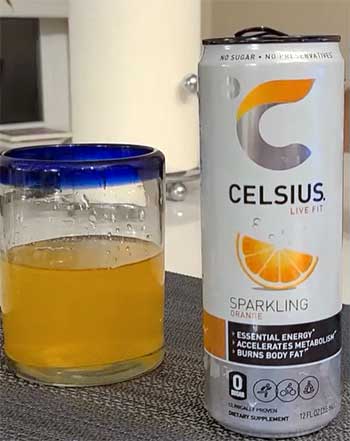
Celsius comes in a sleek can you can toss in your gym bag or car cupholder.
I remember grabbing one on my way to a 6 a.m. workout and cracking it open while driving—no mess, no waiting.
C4 demands a shaker bottle, measuring water, and stirring or shaking until it dissolves.
That extra thirty seconds might sound minor, but when you’re rushing between meetings and training, the ready-to-drink format of Celsius feels like a genuine time-saver.
On the flip side, C4’s powder lets you control strength by adjusting water volume, which I appreciated on lighter days when I wanted a milder version.
- Caffeine Delivery And Source Create Totally Different Energy Curves
Celsius pulls its 200–270 mg from plant-based green tea extract and guarana seed, which my body handled with a smoother, longer-lasting rise. I felt alert for hours without the sharp spike and drop I sometimes get from straight synthetic caffeine.
C4’s 150 mg anhydrous caffeine hits faster and harder, perfect for that immediate “let’s crush this” feeling before heavy lifts, but I noticed it faded quicker if my session ran past ninety minutes.
The plant extracts in Celsius also pair with ginger and taurine, giving a gentler metabolic nudge that felt less jittery to me overall.
- Performance ingredients target opposite training needs
Celsius focuses on thermogenic support through its MetaPlus blend—green tea EGCG, ginger root, and glucuronolactone—which studies I’ve read suggest can help your body burn a few extra calories during exercise.
I paired it with fasted cardio and genuinely felt a subtle warmth and steadier fat-burning pace. C4 loads up on 1.6 g beta-alanine for carnosine production, 1 g creatine nitrate for cellular energy and pumps, plus arginine for blood flow.
Those ingredients turned my leg days into something else; veins popped, reps went deeper, and I pushed through fatigue I usually hit around set eight. If your goal is visible muscle endurance and strength, C4’s formula speaks directly to that pathway.
- Vitamin and mineral profiles support recovery differently
Celsius packs a solid hit of B vitamins, vitamin C, and often chromium to help with energy metabolism and blood sugar stability. After a tough workout I felt the B-vitamin support keep my mood steady instead of the post-caffeine crash I’ve experienced elsewhere.
C4 includes B6 and B12 in many versions to aid neurotransmitter function and reduce fatigue, but the star remains its performance compounds rather than broad-spectrum vitamins. For me, Celsius felt more like a daily functional drink I could use even on rest days, while C4 stayed strictly pre-workout territory.
- Sensory experience and mixability affect daily usability
Celsius tastes like a crisp sparkling soda—flavors like Sparkling Orange or Watermelon hit clean with light carbonation that makes it refreshing mid-workout.
No chalky residue.
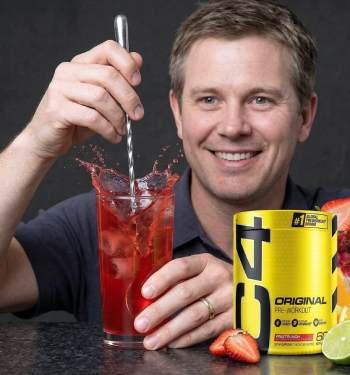
C4 mixes well in modern formulas but can leave a slight artificial aftertaste if you’re sensitive to sweeteners.
The beta-alanine tingling started about ten minutes after my first scoop and lasted twenty minutes; some days I loved the “it’s working” signal, other days it distracted me during yoga flows.
- Intended workout style and duration match different schedules
Celsius shines for longer sessions or metabolic training where steady energy and calorie burn matter more than instant power. I used it before trail runs and noticed better sustained pace without bonking.
C4 excels for short, brutal strength or HIIT workouts where you need every ounce of focus and blood flow right away. My bench press numbers climbed noticeably on C4 days, but I wouldn’t choose it for an easy recovery spin class.
Key Features of Celsius And C4 Energy Drinks
- Celsius delivers a clean, plant-powered lift that feels purposeful rather than frantic. The combination of guarana seed extract (which packs more caffeine punch than coffee beans) and green tea with standardized EGCG creates a thermogenic effect I could actually sense as a mild warmth during cardio. Taurine and ginger round it out, helping buffer any stomach upset and supporting hydration at the cellular level. Zero sugar and only ten calories mean it fits seamlessly into calorie-controlled plans without derailing macros. I appreciated how the B vitamins kept mental fog at bay even on days I skimped on breakfast.
- C4 brings clinical-dose performance compounds that translate directly to the gym floor. That 1.6 g of CarnoSyn beta-alanine is the exact amount shown to boost intramuscular carnosine and delay fatigue. Creatine nitrate adds dual benefits of creatine saturation plus nitrate-driven vasodilation for better pumps and oxygen delivery. Arginine supports nitric oxide production so muscles feel fuller and stronger mid-set. At 150 mg caffeine it strikes a sweet spot—enough to sharpen focus without the heart-racing overload I’ve felt from higher-dose options. The formula dissolves cleanly in water and comes in flavors that actually taste like fruit punch or blue razz rather than medicine.
- Both zero in on zero-sugar formulas but approach sweetness and mouthfeel differently. Celsius uses sucralose and natural flavors with carbonation that mimics soda, making it easy to drink quickly. C4 relies on similar sweeteners but without bubbles, so it feels more like a flavored water once mixed. This matters when you’re already dehydrated from training; the lighter texture of C4 never made me feel bloated the way some carbonated drinks can.
- Packaging and portability cater to different lifestyles. Celsius cans stack neatly in the fridge and travel without leaking. C4 tubs last longer per dollar and let you portion exactly what you need for travel days. If you live out of a gym bag like I do, the grab-and-go nature of Celsius wins points, but C4’s versatility means I can mix half a scoop for lighter sessions.
Pros And Cons of Celsius
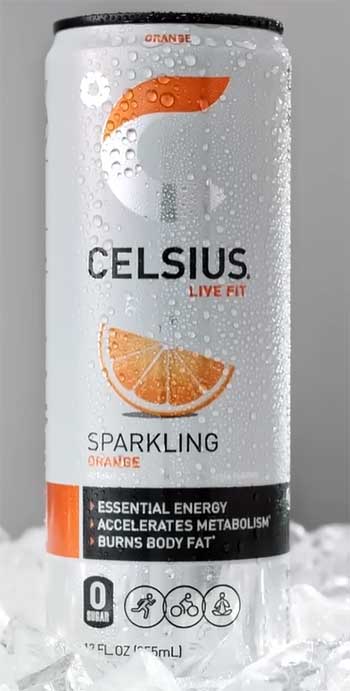
- Pros include genuine metabolic support that goes beyond simple stimulation. The green tea EGCG and guarana work together to encourage your body to use stored fat for fuel during exercise. I tracked my morning fasted walks and consistently burned 10–15 % more calories on Celsius days according to my wearable. That thermogenic edge felt earned rather than forced, and the added vitamins helped me recover faster between training blocks.
- Pros also cover convenience and taste that make consistency effortless. No shaker required means I never skipped a dose because I forgot my bottle. Flavors like Strawberry Lemonade or Peach Mango became my go-to because they genuinely taste good cold, encouraging me to reach for one instead of coffee on busy mornings. Zero sugar keeps cravings in check, which helped me stay on track with nutrition goals.
- Cons center on higher caffeine that can feel intense for sensitive users. At 200–270 mg per can, it’s more than a strong coffee and can cause jitters or sleep disruption if you drink it too late. I learned the hard way not to have one after 2 p.m. if I wanted solid rest. The carbonation also sometimes caused minor bloating during high-intensity intervals.
- Cons include limited muscle-specific performance benefits compared to dedicated pre-workouts. While it gives solid energy, it lacks creatine or beta-alanine, so I didn’t see the same strength or endurance gains I experienced with C4 on heavy lifting days. For pure power output, it felt more like a supportive daily driver than a performance maximizer.
Pros And Cons of C4
- Pros deliver measurable improvements in workout capacity and focus. The beta-alanine and creatine combo let me squeeze out extra reps on every set. My deadlift volume increased by two plates over four weeks of consistent use, and the arginine-driven pumps made me feel stronger in the moment. That tangible progress kept motivation high.
- Pros also feature affordability and flexibility in dosing. At roughly half the cost per serving of a premium can, C4 stretches further for daily users. I could scale the scoop on lighter days or double up before competitions, giving control Celsius cans don’t offer.
- Cons revolve around the beta-alanine tingling that some people find distracting. The prickly skin sensation hits about ten minutes in and lasts twenty minutes. While I got used to it, new users often message me asking why their face feels weird. It’s harmless but can pull focus during technical lifts.
- Cons include the need for mixing and occasional aftertaste. Shaking a bottle mid-commute isn’t always practical, and some flavors leave a slight chemical note if not mixed perfectly. On days I rushed the process I noticed minor stomach discomfort compared to the smoother Celsius experience.
After testing both across different training phases, I can say neither is universally superior—they simply solve different problems. Celsius feels like a smart daily companion that supports overall metabolic health and fits seamlessly into busy schedules.
C4 feels like a targeted weapon for when you want to push physical limits and chase personal records. Your choice depends on whether you prioritize steady, clean energy with fat-burning potential or explosive performance with proven endurance compounds.
- How Taste And Daily Integration Play Out in Real Life?
I rotated both for thirty days straight and kept notes on flavor fatigue. Celsius flavors stayed enjoyable longer because the carbonation and lighter sweetness mimicked my favorite sodas without guilt. C4’s fruit punch became a ritual I looked forward to mixing, but after two weeks straight the sweetness felt heavier.
Integrating Celsius into my morning routine was effortless; I kept a case in the fridge and grabbed one with breakfast. C4 required planning ahead but rewarded me with that unmistakable pre-lift surge once I established the habit.
- Who Should Choose Which Based on Goals
If your main focus is fat loss, steady energy, and fitting an extra boost into a packed schedule, Celsius aligns better.
Its thermogenic profile and low-calorie design support the calorie deficit without sacrificing taste or convenience.
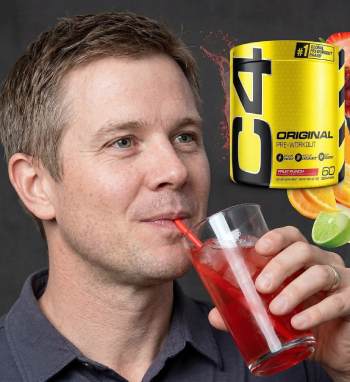
Strength athletes chasing new PRs, better pumps, and delayed fatigue will gravitate toward C4’s clinical doses of performance ingredients.
Beginners who want something simple and forgiving should start with Celsius; advanced lifters ready to optimize every variable lean toward C4.
- My Personal Take After Months of Side-by-Side Testing
I still keep both in rotation. Celsius handles my metabolic and daily energy needs beautifully, especially during cutting phases or when I travel. C4 becomes my secret weapon before heavy compound sessions when I want every possible edge.
The analytical part of me appreciates that both avoid sugar crashes, yet they deliver noticeably different physiological responses. Listening to your body remains key—track how you feel, sleep, and perform rather than following trends.
Also Read: Differences Between RYZE And Ten Mushroom Coffee.
Frequently Asked Questions (FAQ)
No. C4 prioritizes workout performance with ingredients like beta-alanine and creatine rather than broad health markers, so it isn’t positioned as one of the healthiest options.
Yes, in most comparisons. Its zero-sugar, low-calorie profile plus plant extracts and vitamins give it an edge over many traditional high-sugar or artificial formulas.
The beta-alanine often causes a harmless tingling sensation called paresthesia that starts ten minutes after consumption and fades within twenty minutes.
Celsius frequently ranks high thanks to natural caffeine sources, zero sugar, added vitamins, and clean labeling compared to many competitors.
Final Thoughts
Wrapping this up, I’ve learned that the “best” choice between Celsius and C4 comes down to how you train and what you value most. I keep reaching for Celsius on lighter or longer days because the smooth, metabolism-friendly lift keeps me consistent without drama.
You might discover the same thing once you experiment—maybe C4’s performance kick becomes your new favorite on heavy days, or Celsius turns into your everyday staple. Either way, pay attention to how your energy, recovery, and mood respond after a couple of weeks.
Your body will tell you which one truly fits, and that personal feedback beats any marketing claim every single time. Give both a fair shot in your own routine and see what clicks. You deserve energy that works with you, not against you.