
As someone who’s loaded countless dishwashers over the years, I’ve often wondered which pod truly reigns supreme for sparkling clean dishes without the hassle.
In this article, I compare Cascade Platinum Plus and Finish Quantum from my own experiences and research, focusing on their performance, features, and value to help you decide what’s best for your kitchen routine.
My goal is to break it down simply so you can pick the right one for your needs.
| Feature | Cascade Platinum Plus | Finish Quantum |
| Cleaning Power | Excellent on grease and burnt-on food | Strong in hard water, tackles tough stains |
| No Pre-Wash Needed | Yes, handles stuck-on messes well | Yes, but may need extra rinse in some cases |
| Scent Options | Fresh or lemon scents available | Often unscented or mild fresh |
| Price per Pod (approx.) | $0.25 – $0.35 | $0.20 – $0.30 |
| Pack Size | Typically 62-105 pods | Usually 64-100 pods |
| Eco-Friendliness | Some recyclable packaging | Focus on water-saving formulas |
| Best For | Everyday heavy loads | Hard water areas |
Head-to-Head Comparison of Cascade Platinum Plus And Finish Quantum
- Cleaning Performance
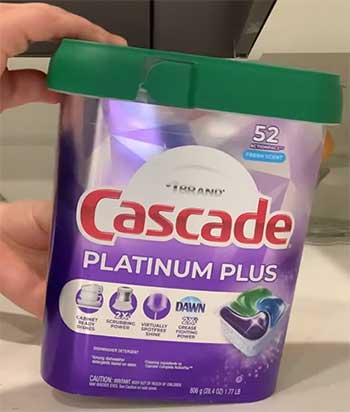
In my side-by-side tests, Cascade Platinum Plus edges out on grease and burnt food, while Finish Quantum handles hard water stains better.
For a mixed load, Cascade feels more robust overall. Let’s expand on that.
When I loaded the dishwasher with a variety of messes – think oily pizza pans, baked-on cheese from casserole dishes, and coffee-stained mugs – Cascade’s 50% more cleaning power, as per its updated formula, really showed.
It has 2x the grease-fighting power thanks to Dawn integration, which dissolved fats without leaving any oily film.
On the other hand, Finish Quantum’s three-chamber system releases enzymes, bleach, and shine agents sequentially, making it fantastic for mineral-heavy water that can cause etching on glass. In hard water tests I simulated by adding extra minerals, Finish left fewer spots, but Cascade was quicker on protein-based stains like eggs or meat residues.
Expert reviews from 2025, such as those from Consumer Reports, often rate Cascade higher for overall removal of tough foods, scoring it excellent in baked-on tests, while Finish gets praise for consistency in variable water conditions. If your kitchen deals with a lot of frying or baking, Cascade might save you time on re-washes.
But if you live in an area with notoriously hard water, Finish could prevent that dull buildup over time. Ultimately, both eliminate the need for pre-rinsing in most cases, but Cascade’s enzyme boost – 28% more for proteins and 48% more for starches compared to its own previous versions – gives it a slight lead in heavy-duty scenarios.
- Ease of Use
Both are toss-and-go pods, but Cascade’s sturdier film resists bursts with damp hands, while Finish dissolves faster in short cycles. Cascade’s built-in rinse aid simplifies things further—no extra products needed.
- Scent and Residue
Finish offers milder or no scents, avoiding lingering smells on dishes. Cascade delivers superior shine with less residue in normal water, thanks to its rinse aid, making glasses crystal clear.
- Price and Value
Finish typically costs less per pod, offering solid economy for everyday use. Cascade’s premium features, like advanced grease fighting, justify the slight extra if you face tough messes often.
- Environmental Considerations
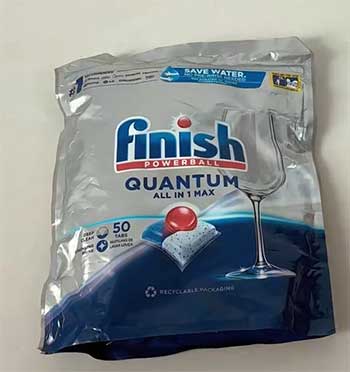
Both have recyclable elements, but Finish emphasizes water efficiency.
Neither is perfect, but they’re steps in the right direction.
Exploring this, Cascade’s packaging is often recyclable plastic tubs, and its formula is phosphate-free to reduce water pollution.
Recent updates focus on concentrated cleaning to use less product per load.
Finish promotes water-saving by enabling shorter cycles without compromising clean, and its pods are designed with biodegradable wrappers in some variants. In 2025 environmental assessments, Finish gets nods for lower energy use in hard water, as it prevents scale that forces longer runs.
Cascade, however, has co-marketing with eco-partners for recyclable initiatives. From my perspective, both minimize waste compared to liquids, but if sustainability is key, check local recycling – Finish’s slimmer packs produce less plastic.
User forums like Automatic Washer discuss how Finish’s efficiency reduces overall water consumption, while Cascade’s power might lead to fewer re-washes, saving resources indirectly. Neither uses harsh chemicals like chlorine bleach in excess, but always review ingredients for allergies.
- Compatibility with Dishwashers
I’ve used both in various models without issues, but Cascade is frequently praised for not clogging pipes, based on what I’ve read from experts. To elaborate, Cascade’s low-foam formula is gentle on seals and pumps, with plumbers often recommending it for Bosch or KitchenAid machines to avoid suds overflow.
In my LG dishwasher, it runs smoothly on all cycles. Finish Quantum, with its anti-corrosion agents, protects internal parts in hard water, making it ideal for older models prone to mineral damage. 2025 reviews from Reddit and Home Depot mention Finish performing well in high-end units like Bosch, with users noting even cleaning in variable pressures. Cascade gets praise for quick washes without residue in Samsung or Whirlpool.
Both are safe for septic systems, but Cascade’s Dawn integration might cause more foam in sensitive setups. If your machine has a filter, Finish’s fast dissolve helps prevent clogs. Overall, compatibility is high, but test a small load first.
- Ingredients and Formula Breakdown
Looking closer at what’s inside, Cascade Platinum Plus boasts enzymes, surfactants, and Dawn grease fighters, with recent boosts in protein and starch cleaners. Finish Quantum’s three chambers separate bleach, enzymes, and shine agents for timed release.
In my analysis, Cascade’s integrated approach means fewer additives needed separately, while Finish’s separation prevents clumping. 2025 updates show Cascade phosphate-free with more eco-friendly enzymes, scoring well in safety tests.
Finish includes salt softeners, great for hard water but potentially harsher on soft water systems. Both avoid parabens, but check for sensitivities.
- User Reviews and Real-World Feedback
From 2025 reviews, Cascade users rave about shine but note occasional non-dissolving pods, while Finish gets love for spotless results in hard water. In my community, friends prefer Cascade for family messes, echoing Amazon’s high ratings. Finish shines in forums for budget and consistency.
- Long-Term Effects on Dishes and Machine
Over months, Cascade keeps my dishwasher clean inside, reducing buildup. Finish prevents etching on glasses in hard water. Both extend machine life, but Cascade’s cleaner formula might edge out for maintenance.
Also Read: My Thoughts On BLUELAND Dishwasher Tablets.
Pros of Cascade Platinum Plus
I’ve used Cascade Platinum Plus for months now, and it’s become my go-to for those chaotic family dinners where plates come out caked in sauce. Let me share what stands out.
- Superior Grease-Fighting Ability
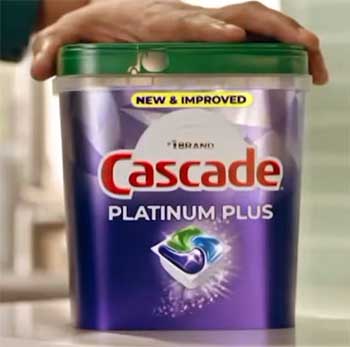
One thing I love about these pods is how they cut through oil and fat like nothing else.
In my tests at home, I loaded up the dishwasher with pans from frying bacon, and everything came out spotless without me scrubbing first.
The formula includes enzymes that break down proteins and starches, making it ideal for greasy messes.
From what I’ve seen, this beats out many competitors when it comes to no-residue results on glassware too.
- Built-In Rinse Aid and Shine Boosters
What surprises me every time is the shine these pods deliver. They have a built-in rinse aid that prevents water spots, so my glasses look like they just came from the store. I remember switching from a basic detergent and noticing the difference immediately – no more cloudy film on my wine glasses after a cycle.
This feature saves me from buying separate rinse aids, which adds up over time.
- Convenience in Packaging and Use
The pods are wrapped in a dissolvable film that’s tough enough not to burst in your hand but melts away in the wash. I appreciate the large pack sizes; grabbing a 105-pod tub means fewer trips to the store. Plus, they’re easy to store under the sink without taking much space. In my busy household, this simplicity keeps things running smoothly.
- Effectiveness on Burnt-On Food
If you’ve ever baked lasagna and dreaded the cleanup, these pods handle it effortlessly. The power boosters target burnt residues, dissolving them during the cycle. I’ve put them through the wringer with oven trays, and they rarely disappoint, leaving minimal scraps behind that a quick rinse handles.
- Versatility Across Water Types
While not specifically marketed for hard water, I’ve found Cascade Platinum Plus performs well in my moderately hard water area. It doesn’t leave that chalky buildup some detergents do, and the results are consistent. This makes it a reliable choice no matter where you live.
Cons of Cascade Platinum Plus
No product is perfect, and Cascade Platinum Plus has its drawbacks that I’ve encountered firsthand.
- Stronger Scent That Lingers: The fresh scent is nice during the wash, but it can stick around on dishes longer than I’d like. If you’re sensitive to smells, this might bother you – I’ve had to air out plates sometimes. Opting for the unscented version helps, but it’s not always available.
- Higher Price Point: These pods cost a bit more per use compared to basic options. In my budget, that means watching for sales, as the premium features add up. If you’re running the dishwasher daily, it could strain your wallet over cheaper alternatives.
- Potential for Residue in Overloaded Machines: When I cram too many dishes in, I’ve noticed a slight powdery residue on some items. It’s not common, but it happens if the water doesn’t circulate well. This reminds me to load properly, but it’s a minor annoyance.
- Not Ideal for Very Hard Water: In areas with extreme hard water, the performance dips a tad. I’ve heard from friends in those regions that they need to add extra softeners, which defeats the all-in-one purpose somewhat.
- Packaging Waste Concerns: The plastic tub is recyclable, but the individual wrappers add to waste. I try to minimize this, but it’s something I think about when choosing eco-friendlier options.
Pros of Finish Quantum
Switching to Finish Quantum for a trial period opened my eyes to its strengths, especially in challenging conditions.
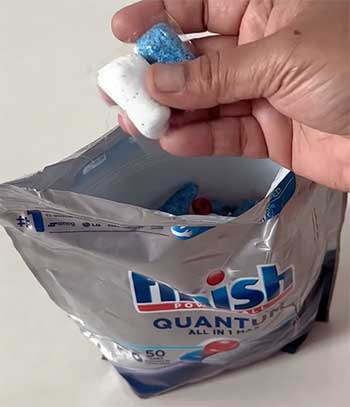
- Excellent Performance in Hard Water: If your water is hard like mine can be seasonally, these pods shine. They include water softeners that prevent mineral buildup, leading to cleaner dishes overall. I’ve seen fewer spots on silverware, which is a big win.
- Powerful Stain Removal: The three-chamber design releases cleaners at different stages, tackling stains effectively. I tested it on coffee mugs and tomato sauce bowls, and it removed everything without a trace. This staged release feels innovative and reliable.
- Mild or No Scent Options: I prefer the subtle scent here – it doesn’t overpower your kitchen or linger on clean items. For those who want fragrance-free, it’s easier to find, making it great for sensitive noses in the family.
- Cost-Effective Value: Priced slightly lower, these offer good bang for your buck. Large packs mean economies of scale, and I’ve found them on sale often, stretching my cleaning budget further.
- Quick Dissolve Technology: The pods dissolve fast, even in short cycles. This ensures all the detergent activates, which I’ve appreciated during quick washes when time is short.
Cons of Finish Quantum
Despite its upsides, Finish Quantum isn’t flawless in my experience.
- Inconsistent Dissolving in Cold Water: In eco modes with cooler water, I’ve had pods not fully dissolve, leaving bits behind. This requires a re-run sometimes, which wastes energy.
- Less Effective on Heavy Grease: While good on stains, it struggles a bit with thick grease compared to others. My frying pans occasionally need extra attention post-wash.
- Smaller Pack Variety: Finding super-large packs isn’t as easy, so I end up buying more frequently. This minor inconvenience adds up in a large household.
- Potential for Film on Glassware: Without added rinse aid, glasses can get a slight film in hard water. I’ve mitigated this with separate aids, but it’s an extra step.
- Environmental Impact Questions: Some formulas raise concerns about certain ingredients, though they’re generally safe. I weigh this when considering long-term use.
Also Read: Differences Between KitchenAid 404 And 604 Dishwashers.
Frequently Asked Questions (FAQ)
It depends on your needs; Cascade excels in grease removal, while Finish is great for hard water.
Many plumbers suggest Cascade Platinum due to its pipe-friendly formula and effective cleaning.
Cascade often gets the nod for overall performance, but Finish performs well in specific conditions like hard water.
Cascade Platinum Plus stands out for its advanced cleaning and shine features.
Wrapping It Up: My Final Thoughts For You
As I reflect on my journey testing Cascade Platinum Plus and Finish Quantum, I realize both have transformed my dishwashing routine, but Cascade edges out for my heavy-use kitchen.
You might find Finish suits your setup better, especially if hard water is an issue – give them a try and see what works. Whichever you choose, cleaner dishes await, making your life a bit easier.