
As a parent who’s battled dry winter air and endless kid colds, I’ve tried my share of humidifiers over the years. Nothing frustrates me more than waking up to scratchy throats or dealing with fussy babies who can’t breathe easy.
That’s why I decided to compare the Canopy Bedside Humidifier—my go-to for adult bedrooms—with typical nursery humidifiers that most families rely on. My goal here is to help you figure out which one truly makes sense for your home, especially if you’re thinking about your little one’s comfort and health.
| Feature | Canopy Bedside Humidifier | Traditional Nursery Humidifier (e.g., Levoit, Frida, Crane) |
| Type | Evaporative (no visible mist) | Mostly ultrasonic (visible cool mist) or some evaporative |
| Mold Prevention | Advanced: UV light, antimicrobial filter, Smart Persistent Airflow (runs to dry unit) | Basic: Requires frequent cleaning; prone to mold if not maintained |
| Cleaning | Dishwasher-safe parts, easy disassembly | Manual cleaning; hard-to-reach areas often build up gunk |
| Water Type | Tap water OK (filters minerals) | Often requires distilled water to avoid white dust |
| Run Time | Up to 36 hours on 2.5L tank | Varies; 10-36 hours depending on model and tank size |
| Noise Level | Quiet fan (white noise option in 2.0 models) | Very quiet (ultrasonic) to moderate fan noise |
| Room Coverage | Up to 500 sq ft | 200-800 sq ft depending on model |
| Extra Features | Aromatherapy, night light (red/white), white noise | Often night light, essential oil tray; some with hygrometer |
| Price Range | $150-$180 (plus filter subscription) | $30-$100 |
| Ongoing Costs | Filter replacement every 6-8 weeks (~$20 each or subscription) | Filters/cartridges if evaporative; otherwise low |
| Safety for Babies | No mist (no wet floors), clean output | Cool mist safe, but risk of mineral dust or bacterial spread if not cleaned |
Key Differences Between Canopy Bedside And Nursery Humidifier
These differences add up—especially when you’re exhausted from parenting and just want something reliable.
When I first switched to a Canopy Bedside Humidifier, the biggest shock was realizing how much I hated dealing with traditional nursery humidifiers. Here’s what stands out when you put them side by side—I’ve lived with both, and these contrasts changed everything for me as a busy parent.
- Mist vs. No Mist
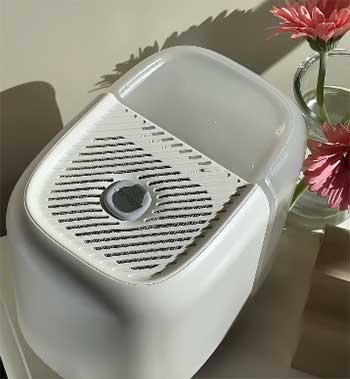
Traditional nursery humidifiers, like those from Levoit, Frida Baby, or Crane, usually push out a visible cool mist—either ultrasonic or sometimes evaporative.
You see that cloud rising, and it feels like instant relief during a stuffy night.
But that mist settles on floors, crib rails, toys, and windows, creating slippery spots or damp areas that wipe up constantly.
I remember mopping up puddles around my kid’s room more than once.
Canopy takes a completely different approach: it’s purely evaporative with no visible mist at all.
It pulls air through a wet filter, hydrates it, and blows out invisible, evenly dispersed moisture. No wet surfaces, no condensation on walls, and no risk of over-saturating one spot. This makes it safer around curious toddlers who might touch or knock things over.
- Hygiene and Mold Risk
This is the game-changer that sold me on Canopy. Traditional models are notorious for mold and bacteria buildup. If you skip a weekly deep clean (and let’s be real, with newborns or sick kids, that happens), pink slime or black spots appear in tanks, nozzles, and crevices.
Ultrasonic ones are especially bad because they aerosolize whatever’s in the water—minerals, bacteria, everything. I’ve thrown out two nursery humidifiers because the gunk was impossible to fully remove, even with vinegar soaks.
Canopy fights this on multiple fronts: built-in UV lights kill 99.9% of bacteria and mold in the water path, an antimicrobial filter traps impurities, and the Smart Persistent Airflow (SPA) feature keeps the fan running after the water’s gone to fully dry the unit.
In over a year of use, I’ve seen zero mold. It’s pediatrician-recommended for this reason, giving me real peace of mind in a nursery setting.
- Water Quality Needs
With most nursery humidifiers, especially ultrasonic types, tap water is a no-go unless you want white mineral dust coating everything—furniture, electronics, even settling in lungs (scary for babies). That dust comes from calcium and magnesium dispersing into the air.
I used to haul distilled water jugs weekly, which added up in cost and hassle. Canopy’s filter captures those minerals before evaporation, so regular tap water works perfectly. No dust, no extra shopping trips, and cleaner output overall.
- Design and Aesthetics
Nursery humidifiers often go cute—think elephant shapes, penguin designs, or pastel colors to match themes. They’re fun for kids but can look childish in shared spaces or as your child grows. Many are bulky with exposed tanks.
Canopy’s Bedside model (and even their Nursery 2.0 version) has a sleek, minimalist look—smooth lines, neutral tones like white, sage, or lavender. It sits elegantly on a nightstand without screaming “baby gear.” The Nursery version adds baby-safe touches like gentler aromas, but still feels premium and not toy-like.
- Output Control and Humidity Regulation
Traditional ones let you crank the mist high for quick relief, but it’s easy to overdo it—rooms get muggy, windows fog, and mold risks rise. Many lack smart sensors, so you guess based on feel.
Canopy uses embedded sensors for auto mode: it ramps up or down based on room conditions, aiming for optimal 40-60% humidity. It humidifies gradually and consistently, avoiding that swampy overload. In very dry winters, it might feel slower at first, but the steady results prevent skin irritation from fluctuating levels.
- Noise and Sleep Aids
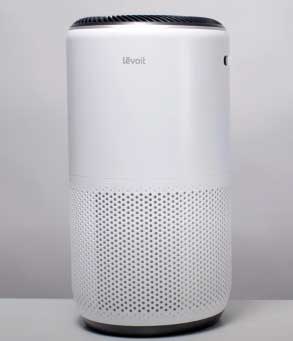
Ultrasonic nursery models win on silence—they’re almost whisper-quiet, ideal for light-sleeping babies.
But Canopy’s fan creates a gentle, consistent hum that doubles as white noise.
The 2.0 models enhance this with dedicated white noise settings (multiple volumes) and night lights: warm white for reading or red light therapy to promote melatonin without disrupting sleep.
Traditional ones might have colorful night lights, but they’re often brighter or less sleep-friendly. I find Canopy’s combo actually helps everyone settle faster.
- Cleaning and Maintenance
Hands down, this is where traditional humidifiers frustrate me most. Tight nozzles, grooved tanks, and hard-to-reach parts mean scrubbing with brushes and solutions weekly. Miss a spot, and bacteria thrive.
Canopy?
Most water-contact parts—tank, tray, cap, grill—are dishwasher-safe. Wide openings make hand-washing easy too. Combined with mold-prevention tech, I clean far less often without worry.
- Longevity and Durability
Cheaper nursery models feel plastic-y and wear out quicker—fans fail, tanks crack. Canopy’s build is sturdier, with a lifetime warranty option and thoughtful engineering. Filters last 5-7 weeks, but subscriptions make it effortless.
- Aromatherapy Integration
Both offer scents, but traditional ones often have trays where oils mix directly with water (risking contamination). Canopy uses clean diffusion via pucks or wells—baby-safe options in the Nursery model, no oils in the water tank.
- Portability and Size
Nursery ones vary—some tiny and lightweight, others larger for bigger rooms. Canopy Bedside is compact (2.5L tank, 500 sq ft) and easy to move, though heavier due to quality materials.
- Cost Upfront vs. Long-Term
Nursery humidifiers start cheap ($30-100), great for testing. But add distilled water, cleaning supplies, and replacements when they mold out. Canopy’s $150-180 upfront (plus filters) pays off in saved time, no extras, and lasting performance.
- Safety Specifics for Babies
Traditional cool mist is burn-safe (no heat), but risks include mineral inhalation, bacterial spread, or tipping with visible mist. Canopy eliminates mist hazards, uses cleaner tech, and has auto-dry to stay hygienic—many parents use the Bedside in nurseries successfully, though the dedicated Nursery 2.0 adds extra baby-focused aromas.
- Room Coverage and Run Time
Traditional models range widely—some up to 800 sq ft with big tanks. Canopy Bedside tops at 500 sq ft with 36-hour runtime; their Large Room version goes bigger. But for bedrooms/nurseries, it’s spot-on without overwhelming.
- Extra Smart Features
Newer Canopy 2.0 models include night mode (lights off in dark), persistent drying, and indicators for filter changes. Traditional ones might have hygrometers or apps in premium versions, but basics lack this intelligence.
Key Features of The Canopy Bedside Humidifier
I’ve used the Canopy for over a year now, and certain things keep impressing me every time I refill it.
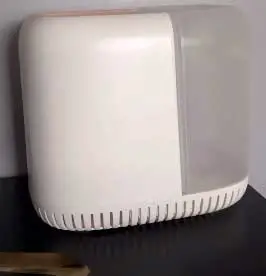
- Sleek, compact design in pretty colors that looks good on a nightstand.
- 2.5L tank lasting up to 36 hours—perfect for overnight without interruptions.
- No visible mist: Hydrated air disperses evenly without wetting surfaces.
- Built-in UV light and antimicrobial filter for cleaner output.
- Smart Persistent Airflow: Fan runs extra to dry the unit and prevent mold.
- Dishwasher-safe parts: Tank, tray, and more go right in—no scrubbing nooks.
- Aromatherapy puck or well for subtle scents (great for relaxation).
- In 2.0 models: Red night light for better sleep, white noise settings, warmer light for reading.
- Auto mode adjusts based on room light and needs.
- Tap water compatible—no more distilled water runs.
- Quiet operation with soothing fan hum.
- Sensor indicators for filter changes.
- Easy top-fill tank with wide opening.
- Covers 500 sq ft effectively.
- Pediatrician-recommended for clean humidity.
These aren’t just gimmicks; they solve real pain points I’ve had with other units.
Pros of The Canopy Bedside Humidifier
After switching, I noticed these benefits right away—and they’ve held up.
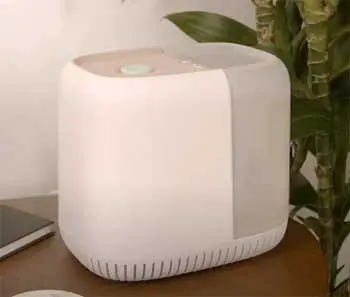
- Exceptional mold resistance: No pink slime or black spots even after months.
- Super easy cleaning: Dishwasher makes it effortless.
- Cleaner air: UV and filters reduce bacteria and minerals.
- No white dust or wet floors.
- Improves skin hydration and eases congestion noticeably.
- Aromatherapy integrates seamlessly without mess.
- White noise and lights promote better sleep.
- Uses regular tap water—huge convenience.
- Consistent humidity without overdoing it.
- Stylish and doesn’t look cheap.
- Long run time means fewer refills.
- Durable build that feels premium.
- Great for allergies or dry climates.
- Peace of mind for baby rooms (though there’s a nursery version too).
- Subscription for filters ensures you never forget.
It’s the first humidifier I’ve owned that I actually enjoy using.
Cons of the Canopy Bedside Humidifier
Nothing’s perfect, and I’ve hit a few drawbacks.
- Higher upfront cost compared to basic models.
- Filter replacements add ongoing expense.
- Fan noise might bother ultra-light sleepers (though many love the white noise).
- Smaller tank than some large-room units.
- Humidity output feels gradual (not instant blast).
- No built-in hygrometer in base models.
- Aromatherapy scents can be subtle.
- Auto-dry feature means it might run longer than expected.
- Limited to 500 sq ft—fine for bedrooms but not whole houses.
- Some users report slower humidification in very dry conditions.
- Return policy strict if used.
- Heavier than ultra-portable options.
- No app control.
- Colors sell out quickly.
- Requires electricity (no battery).
For the price, I’d still choose it over cheaper alternatives that frustrate me.
Key Features of Traditional Nursery Humidifiers
Brands like Levoit, Frida Baby, Crane, and Safety 1st dominate nurseries for good reason—their features cater to baby needs.
- Cool mist output (ultrasonic or evaporative).
- Cute designs: Animals, soft colors for nursery decor.
- Night lights in fun colors or soft glows.
- Essential oil pads or trays.
- Variable mist levels with 360-degree nozzles.
- Auto shut-off when empty.
- Some with hygrometers or smart controls.
- Quiet ultrasonic operation.
- Larger tanks in some models (up to 6L).
- Affordable pricing.
- Easy top or bottom fill.
- Filter-free in many ultrasonic versions.
- Visible mist for reassurance it’s working.
- Long run times.
- Portable and lightweight.
They get the job done simply and cheaply.
Pros of Traditional Nursery Humidifiers
These are why so many parents start here.
- Much cheaper upfront.
- Quick, strong mist output.
- Super quiet (especially ultrasonic).
- Fun, kid-friendly looks.
- Easy to find in stores.
- No mandatory filters in basic models.
- Visible mist shows it’s on.
- Good for immediate congestion relief.
- Many options for large rooms.
- Simple controls—no learning curve.
- Night lights soothe babies.
- Essential oils work well.
- Lightweight for moving rooms.
- Auto features in smarter models.
- Proven for years in nurseries.
Great entry point for new parents.
Cons of Traditional Nursery Humidifiers
I’ve ditched several for these reasons.
- Prone to mold and bacteria if not cleaned weekly.
- White mineral dust from tap water.
- Wet spots or puddles from mist.
- Hard to clean tight spaces.
- Often need distilled water.
- Mist can spread contaminants if dirty.
- Shorter lifespan.
- Noisy gurgling in some.
- Over-humidify easily.
- Bulky or childish designs.
- Filters expensive if required.
- No advanced purification.
- Frequent refills in small tanks.
- Lights too bright for sleep.
- Inconsistent output.
The maintenance kills it for busy families.
- My Personal Experience and Recommendation
I’ve run both types side by side in my home. The traditional one helped during colds but became a chore. Canopy changed that—cleaner, easier, better results. If budget allows, go Canopy for long-term ease. For basics, a solid nursery model works.
Think about your priorities: hygiene or affordability?
Also Read: My Experience With Midea 50 Pint Dehumidifier.
Frequently Asked Questions (FAQ)
Yes, it’s excellent—clean output, no mist hazards, and mold resistance make it safe and effective.
Cool mist, preferably evaporative like Canopy for cleanliness, or ultrasonic if quietness matters most.
An evaporative, mist-free model with anti-mold tech, UV purification, and easy cleaning.
Canopy stands out for hygiene and design; Levoit and Honeywell are reliable budget picks.
Over-humidification, mold risk if unclean, mineral dust, or noise—choose wisely to minimize.
Final Thoughts
You deserve easy breathing and peaceful nights—whether bedside or nursery style, the right humidifier makes all the difference. If you’re tired of the usual hassles, try stepping up; your family (and skin) will thank you.