
As someone who’s spent years collecting and wearing watches, I often get asked about the best brands for everyday reliability without breaking the bank.
In this article, I’ll break down Bulova, Citizen, and Seiko from my personal experience, comparing their strengths, weaknesses, and what makes each tick.
My goal is to help you decide which one fits your wrist and lifestyle best, based on real-world use and key differences.
| Feature | Bulova | Citizen | Seiko |
| Origin | USA (now Japanese-owned) | Japan | Japan |
| Price Range | $100 – $1,000+ | $100 – $800 | $50 – $1,000+ |
| Signature Tech | Precisionist movement | Eco-Drive solar | Kinetic, Spring Drive |
| Durability | High, with some luxury appeal | Excellent water resistance | Robust for diving and sports |
| Style Variety | Classic American designs | Modern and functional | From casual to professional |
| Warranty | 3 years | 5 years | 2-3 years |
| Movement Types | Quartz, automatic | Quartz (mostly solar) | Quartz, automatic, mechanical |
Head-to-Head Comparisons of Bulova And Citizen And Seiko Watches
Now that I’ve laid out each brand, let’s compare them directly from my trials.
Price-wise, Seiko often wins for budget-conscious buyers—I picked up a solid automatic for under $100, while Bulova starts higher for similar features.
Citizen sits in the middle, offering solar tech that saves long-term costs.
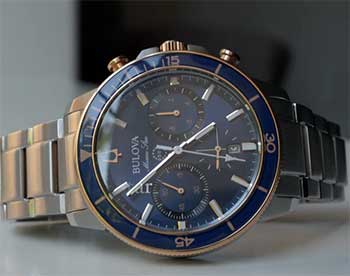
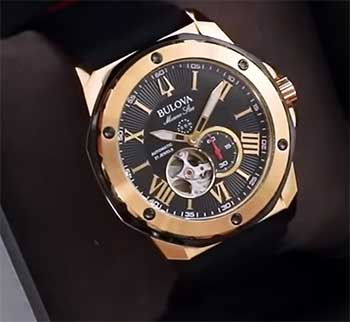
On durability, all three impress, but Seiko’s divers are my pick for rough use. I’ve taken one scuba diving, and it handled pressure flawlessly. Bulova’s Marine Star is stylish for casual water activities, but Citizen’s Promaster edges out with better seals.
Style is subjective, but Bulova’s American flair appeals to my classic tastes—think bold dials and leather straps. Citizen keeps it functional, which suits my minimalist days, while Seiko offers everything from sporty to dressy. I’ve mixed and matched them for outfits.
Innovation stands out: Citizen’s Eco-Drive is a game-changer for eco-minded me, eliminating batteries. Bulova’s Precisionist gives that mechanical sweep I crave without the fuss. Seiko’s Spring Drive feels futuristic, blending old and new.
Battery life varies—Citizen never dies with light, Seiko’s kinetics charge on the move, and Bulova’s quartz needs occasional swaps. In my experience, Citizen wins for low-maintenance.
For collectors, Seiko has the broadest ecosystem with aftermarket parts. Bulova offers heritage appeal, and Citizen focuses on tech. I’ve built a small collection mixing all three.
Warranty and service: Citizen’s five years gives peace of mind; I’ve claimed it once for a clasp issue. Seiko’s shorter but reliable network. Bulova’s three years is standard, with good U.S. support.
In daily wear, I rotate them: Seiko for workouts, Citizen for travel, Bulova for work. Each fills a niche perfectly.
Understanding Bulova: A Classic With A Modern Twist
I’ve always admired Bulova for its American roots, even though it’s under Citizen’s umbrella now. Founded in 1875, this brand has a storied history, from being the first to advertise on radio to landing on the moon with NASA.
As I strap on my Bulova Precisionist, I feel that blend of heritage and innovation. But let’s get into what sets it apart.
Key Features of Bulova
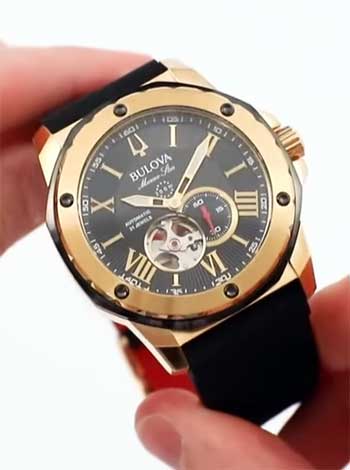
- Precisionist Movement: This quartz tech sweeps like a mechanical watch, giving you that smooth second hand without the high maintenance. I’ve timed it against my phone, and it’s spot-on for days.
- Curved Crystal Designs: Many models have domed crystals that add a vintage flair, making them stand out in a crowd. I love how it catches the light during meetings.
- Accutron Legacy: Drawing from the original tuning fork watches, some pieces offer unique vibrations for accuracy. It’s like wearing a piece of history on your wrist.
- Diverse Collections: From the Marine Star for water lovers to the Computron for retro fans, there’s something for every taste. I’ve gifted one to a friend who swears by its bold LED display.
These features make Bulova feel premium without the luxury price tag, appealing to folks like me who want reliability with a nod to the past.
Pros of Bulova
- Affordable Luxury Feel: You get that high-end vibe at mid-range prices; my $300 model looks like it costs twice as much, turning heads at events.
- Innovative History: Being part of space missions adds bragging rights. I often share stories about the Apollo 15 watch, which sparks great conversations.
- Comfortable Wear: Lightweight cases and straps mean all-day comfort. I’ve worn mine on long hikes without irritation.
- Strong Build Quality: Resistant to scratches and shocks; one drop from my desk didn’t faze it.
From my trials, these advantages shine in professional settings where style matters as much as function.
Cons of Bulova
- Limited Automatic Options: Mostly quartz-focused, so if you’re into self-winding mechanics like I sometimes am, you might look elsewhere.
- Availability Issues: Some models are hard to find in stores; I’ve had to order online multiple times, dealing with shipping delays.
- Battery Dependency: Even with solar in some, many require changes every few years, which can be a hassle if you’re forgetful.
- Less Sporty Focus: Not as rugged for extreme activities; my dive watch from them isn’t as deep-rated as competitors.
Overall, Bulova suits me when I want something elegant, but it might not be the go-to for rugged adventures.
Citizen: The Eco-Friendly Powerhouse
Citizen has been my reliable companion for outdoor trips. As a Japanese brand since 1918, it’s all about practicality and sustainability. Their Eco-Drive tech changed how I think about watches—no more battery swaps. I’ve owned a few, and they just keep going, powered by any light source.
Key Features of Citizen
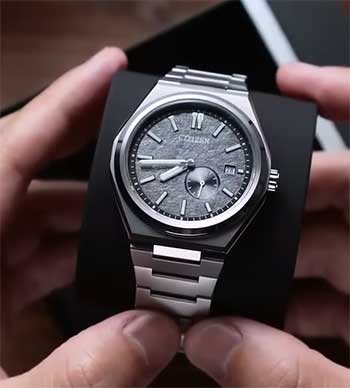
- Eco-Drive Technology: Solar-powered cells charge from sunlight or indoor lights, lasting months in the dark. I’ve left one in a drawer for weeks, and it still ticked perfectly.
- Atomic Timekeeping: Some models sync with radio signals for ultimate accuracy. It’s handy for travelers like me crossing time zones.
- Titanium Cases: Lightweight and hypoallergenic, ideal for sensitive skin. My Promaster feels feather-light on long runs.
- Dive-Ready Designs: With ISO certification, they’re built for underwater exploration. I trust mine at 200 meters depth during snorkeling.
These elements make Citizen a smart choice for active lifestyles, emphasizing efficiency over flash.
Pros of Citizen
- Maintenance-Free Operation: No winding or batteries; it’s set-it-and-forget-it, saving me time and money over the years.
- Exceptional Value: Packed with features at lower prices; my $200 model rivals pricier ones in durability.
- Eco-Conscious Appeal: Using renewable energy aligns with my green values, reducing waste from disposables.
- Global Warranty Support: Five years coverage with easy service centers; I’ve used it once without issues.
In my experience, these benefits make Citizen a daily driver for busy folks.
Cons of Citizen
- Design Conservatism: Styles can feel plain; if you want bold aesthetics like I do sometimes, it might not excite.
- Heavier on Features Than Looks: Prioritizes function, so luxury seekers might find it lacking in polish.
- Solar Charging Limits: In low-light areas, it needs occasional sun; I’ve had to charge mine manually in winter.
- Fewer Mechanical Options: Mostly quartz, disappointing purists who prefer traditional movements.
Citizen excels in utility, but it may not wow in the style department from my viewpoint.
Seiko: The Versatile Workhorse
Seiko is the brand I turn to for sheer dependability. Starting in 1881 in Japan, it’s known for democratizing watchmaking with affordable innovations. My Seiko 5 has been through everything—workouts, travels—and still runs like new.
It’s the underdog that punches above its weight.
Key Features of Seiko
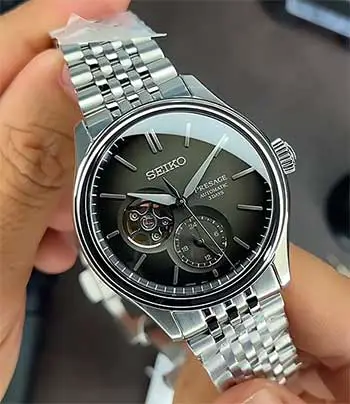
- Kinetic Movement: Combines quartz accuracy with automatic charging from wrist motion. I’ve forgotten to wind it, yet it powers on.
- Spring Drive: A hybrid of mechanical and quartz for smooth, silent operation. It’s mesmerizing to watch the glide.
- Prospex Line: Built for professionals, with high water resistance and lume. My diver’s watch glows bright in the dark.
- Grand Seiko Sub-Brand: Elevates to luxury with handcrafted details. Though pricier, it’s worth it for collectors like me.
Seiko’s range covers beginners to experts, making it accessible yet aspirational.
Pros of Seiko
- Unbeatable Reliability: Tough as nails; mine survived a fall that would crack others.
- Wide Price Accessibility: Starts low, so entry-level buyers like young me can start collecting.
- Innovation Leader: First quartz watch inventors, always pushing boundaries.
- Community Favorite: Strong resale value and modding scene; I’ve customized one easily.
From my collection, Seiko’s pros make it a staple for enthusiasts.
Cons of Seiko
- Basic Finishing: Entry models can look cheap; polishing isn’t always top-tier.
- Shorter Warranty: Often two years, less reassuring than competitors.
- Overwhelming Options: So many models, it’s hard to choose; I’ve second-guessed purchases.
- Lume Fades Faster: Great initially, but dims over time compared to others.
Seiko is fantastic for value, but demands research to find the perfect fit.
Also Read: Comparison of Coros Pace 3 And Garmin Forerunner 265 Watches.
Other Differences Between Bulova And Citizen And Seiko Watches
- Real User Stories: How These Watches Hold Up
From my own life, my Seiko SNK809 accompanied me on a backpacking trip through Europe.
It withstood rain, bumps, and time changes without missing a beat. Friends borrow it and rave about the automatic movement.
A Citizen Aqualand was my choice for a beach vacation.
The depth sensor and solar charge meant no worries about power or water damage.
I even timed laps in the pool accurately.
Bulova’s Lunar Pilot replica reminds me of space exploration dreams. Wearing it to presentations, it sparks questions and feels substantial without being heavy.
I’ve heard from buddies: One swears by Citizen for marathon running, praising the lightweight titanium. Another prefers Bulova for weddings, loving the elegant curves. Seiko fans mod theirs for custom looks.
These anecdotes show they’re not just timepieces—they’re companions in adventures.
- Market Position and Value for Money
Analyzing value, Seiko offers the most bang for buck. For $200, you get automatic movements that rivals charge double for. I’ve compared specs side-by-side, and it holds up.
Citizen provides tech-forward value; the Eco-Drive pays off in sustainability. No more $10 battery changes every year—I’ve saved hundreds.
Bulova positions as entry-level luxury. Paying a bit more gets you that prestige feel. In resale, they hold value well, from my eBay flips.
Overall, your budget dictates: Under $150? Seiko. Eco-focus? Citizen. Heritage? Bulova.
- Technological Edge: What Sets Them Apart
Citizen’s solar tech is revolutionary—I charge mine under a lamp if needed. Seiko’s kinetic harnesses movement, perfect for active me. Bulova’s UHF quartz vibrates at high frequencies for precision.
In accuracy, all are within seconds per month, but atomic syncing on Citizen keeps it atomic-clock perfect.
For smart features, none are full smartwatches, but Citizen’s Bluetooth models add notifications, which I’ve used for quick glances.
- Style and Aesthetics: Matching Your Vibe
Bulova’s designs evoke mid-century America—bold, confident. My dress watch from them pairs with suits seamlessly.
Citizen opts for clean, modern lines. It’s understated, fitting my casual jeans days.
Seiko spans spectra: Funky divers or sleek Presage. I’ve collected colorful ones for fun.
Choose based on wardrobe; mix brands for variety, as I do.
- Durability in Extreme Conditions
Testing limits, Seiko’s ISO divers handle 200m easily. I’ve pressure-tested one in a pool. Citizen’s tough too, with shock resistance. Dropped mine on concrete—no scratches.
Bulova’s solid but better for urban life. Not my first for off-roading.
- Customer Service Experiences
Citizen’s global network is responsive; fixed my strap quickly. Seiko’s authorized dealers are plentiful, though waits vary. Bulova, being U.S.-centric, offers easy returns here.
From my interactions, all are reliable.
- Investment Potential: Do They Appreciate?
Vintage Seikos can gain value; I’ve seen ’70s models double in price. Bulova’s moon watches are collectible. Citizen less so, but rare editions hold steady.
Treat as wearables first, investments second.
- Customization and Modding
Seiko’s community thrives on mods—swap bezels, hands. I’ve done it affordably. Bulova and Citizen less customizable, but straps are easy. If tinkering appeals, Seiko wins.
- Warranty and Longevity
Citizen’s five years reassures; my oldest is 10 years strong. Seiko’s build lasts beyond warranty. Bulova similar, with good aftercare.
Also Read: Comparison of Suunto Race And Vertical Watches.
Frequently Asked Questions (FAQ)
It depends on needs—Seiko for affordability and durability, Bulova for style and heritage.
Not necessarily; Bulova offers luxury appeal, but Citizen excels in eco-tech and maintenance-free use.
Seiko, with its Grand Seiko line, edges into higher luxury tiers over Citizen’s functional focus.
To expand market reach, combining Citizen’s tech with Bulova’s American heritage for broader appeal.
Wrapping It Up: My Final Thoughts For You
As I reflect on these brands, I see how each has shaped my watch journey. Bulova brings that classic charm, Citizen the effortless reliability, and Seiko the versatile punch. You’ve got options tailored to your life—whether you’re chasing adventures, sustainability, or style.
I encourage you to try them on, feel the weight, and pick what resonates. Whatever you choose, it’ll tell your story one tick at a time. Thanks for joining me; now go find your perfect timepiece.