
As someone who’s spent years experimenting with stovetop coffee makers, I want to share my thoughts on the Brikka and the Moka Express. Both are iconic Bialetti products that promise rich, Italian-style coffee at home without fancy machines.
My goal here is to break down their differences, helping you pick the one that matches your taste and lifestyle through a detailed comparison of features, strengths, and drawbacks.
| Feature | Brikka | Moka Express |
| Brewing Style | Produces crema for espresso-like feel | Traditional strong coffee brew |
| Build Material | Aluminum with special valve | Classic aluminum construction |
| Coffee Strength | Richer, with foam on top | Bold and straightforward |
| Ease of Use | A bit more involved | Simple and quick |
| Price Range | Slightly higher | More affordable |
| Ideal For | Crema lovers seeking depth | Everyday coffee enthusiasts |
Head-to-Head Comparison of Brikka And Moka Express
Now, let’s pit them against each other directly. I’ll examine key aspects from my perspective to highlight where each shines.
- Design and Build Quality
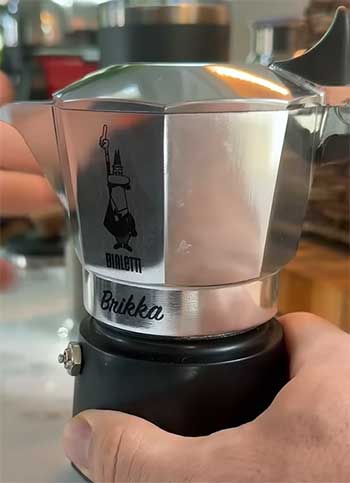
Starting with the basics, both the Brikka and Moka Express share that signature Bialetti aluminum construction, which is lightweight yet tough enough for daily handling.
I’ve carried my Moka Express on road trips without worrying about it denting, thanks to its simple, no-frills body.
The Brikka, however, introduces a clever twist with its pressure valve integrated into the lid assembly.
This valve isn’t just an add-on; it’s engineered to regulate steam buildup, which gives it a more sophisticated feel.
In my experience, the Brikka’s handle ergonomics are a step up—it’s contoured better for a secure grip, especially when pouring hot.
The Moka Express handle works fine, but it can get warmer during use, so I often use a towel. Visually, both have that classic octagonal shape that’s instantly recognizable, but the Brikka has a slightly more polished finish that looks great on modern countertops.
If durability is your concern, they’re equals; I’ve had no corrosion issues with either after years, as long as you avoid dishwashers. The Brikka’s extra parts do make it a touch heavier, about 10-15% more, which might matter if you’re packing light.
- Brewing Process and Time
When it comes to actually making coffee, the processes are similar but with key nuances that affect your routine. For the Moka Express, it’s straightforward: fill the base with water up to the valve, add medium-fine grounds to the funnel without tamping, screw on the top, and place on low heat.
I’ve timed it consistently at 4-6 minutes from cold start to finish on my gas stove, which is perfect for quick mornings. The Brikka follows the same steps but requires a bit more attention because of its valve—it builds pressure to create crema, so you hear a distinct hiss when it’s ready, usually taking 5-7 minutes.
I find that extra minute worthwhile for the result, but if you’re impatient like I can be before caffeine, the Moka edges out. Heat source plays a role; both work on gas, electric, or ceramic hobs, but the Brikka’s pressure system demands even flame to avoid uneven extraction.
I’ve experimented with preheating the water in both to shave off time, and it works wonders, cutting brew time by half. One caveat: the Brikka can sputter if overfilled, while the Moka is more forgiving. Overall, the Moka wins for speed, but the Brikka rewards patience with superior output.
- Coffee Quality and Taste
This is where things get exciting, as taste is subjective but measurable in my repeated trials. The Moka Express delivers a bold, concentrated coffee that’s reminiscent of strong drip but with more body—think 1-1.5 bars of pressure extracting a full-flavored brew without bitterness if done right.
I’ve used it with dark roasts, and it pulls out caramel notes reliably. However, it lacks crema, so the surface is flat, and the mouthfeel is straightforward. Switching to the Brikka, the valve kicks pressure up to about 2 bars, creating a frothy crema that mimics espresso.
In side-by-side tastings, the Brikka’s coffee tastes richer, with layered flavors like nutty undertones or subtle acidity that the Moka mutes. For example, with a medium roast Ethiopian bean, the Brikka highlights floral hints that the Moka blends into a general earthiness.
Strength-wise, both are potent, but the Brikka feels more intense due to better oil emulsification. I’ve adjusted grind sizes—finer for Brikka to maximize extraction—and water quality; soft water enhances both, but the Brikka benefits more. If you add milk, the Brikka’s crema integrates smoother for makeshift cappuccinos.
Drawbacks?
The Brikka can over-extract if heated too high, leading to astringency, while the Moka is consistent but less dynamic.
- Ease of Cleaning and Maintenance
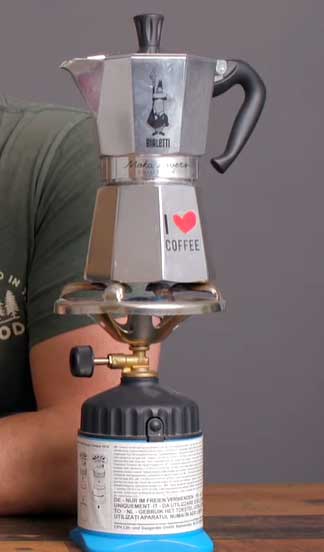
Nobody loves cleanup, but these pots make it manageable, with slight edges depending on your habits.
Both disassemble into base, funnel, and top chamber, and I rinse them with hot water after each use to avoid soap residues that taint future brews.
The Moka Express is quicker here—maybe 30 seconds to clean, as there’s no valve to fuss with.
I’ve left it to air dry without issues.
The Brikka, though, needs extra care; the valve can trap grounds or oils, so I use a soft brush occasionally to clear it, adding a minute or two.
In my routine, I descale both monthly with vinegar to combat mineral buildup, especially in hard water areas.
The Moka’s simplicity means fewer failure points—no moving parts to wear out—while the Brikka’s valve might need replacement after heavy use, though mine’s held up for over a year.
Storage is easy for both; stackable when dry. If you’re low-maintenance, the Moka shines, but the Brikka’s upkeep is a fair trade for its perks.
- Price and Value for Money
Budget matters, and here the Moka Express has a clear advantage. A standard 3-cup model runs about $20-30, making it an easy impulse buy that pays off quickly versus buying coffee out. I’ve calculated that after 50 uses, it’s essentially free compared to cafe prices.
The Brikka, at $40-60 for similar sizes, feels premium but delivers extras like crema that justify the cost for enthusiasts. In terms of longevity, both last decades with care—my oldest Moka is from the ’90s—so value is high across the board.
Accessories factor in; neither needs much, but a good grinder (around $50) complements them equally. If you’re starting out, the Moka offers better entry-level value, but the Brikka provides ongoing satisfaction that might prevent you from upgrading to pricier machines later.
Resale is decent for both on secondhand markets, though Brikka holds slightly more due to its features.
- Suitability for Different Users
Matching these to lifestyles is key, based on who I’ve recommended them to. For beginners or casual users, the Moka Express is ideal—its forgiving nature means you get good coffee without much skill. I suggest it to college students or busy parents who want quick, reliable results.
Solo drinkers appreciate its small sizes, while larger models suit families. The Brikka, on the other hand, appeals to coffee aficionados like me who tweak variables for perfection. It’s great for home baristas experimenting with beans or those missing cafe espresso.
In shared households, the Moka’s speed handles multiple rounds better. Travelers? Moka’s lighter and simpler. For eco-conscious folks, both fit, but the Brikka’s enhanced taste might reduce overall consumption.
If you have induction stoves, note that aluminum versions need adapters; stainless alternatives exist but alter heat dynamics slightly.
- Environmental and Health Considerations
Both pots score well on sustainability, being fully reusable and electricity-free beyond your stove. I’ve ditched pods thanks to them, cutting plastic waste significantly. Aluminum is recyclable, and Bialetti’s manufacturing emphasizes durability over disposables.
Health-wise, neither leaches chemicals when used correctly—avoid acidic cleaners—and they brew without filters, preserving natural oils. Some worry about aluminum intake, but studies I’ve seen show negligible amounts in coffee.
The Brikka’s crema might retain more antioxidants from better extraction. Energy use is minimal; a quick stove session versus plugged-in machines. In my view, they’re both healthy choices promoting mindful consumption.
Pros of The Brikka
I’ve used the Brikka for months now, and it stands out in ways that make my coffee ritual feel elevated. Let’s explore what makes it a winner in certain scenarios.
- Enhanced Crema Production
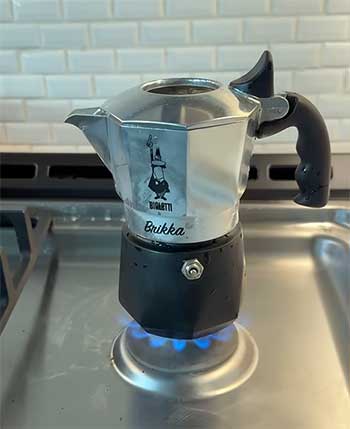
One thing I appreciate about the Brikka is its ability to create a thick layer of crema.
This comes from a patented valve in the upper chamber that builds pressure differently than standard models.
When I pour my cup, that golden foam sits on top, giving it a texture closer to what you’d get from a cafe espresso machine.
It’s not just visual; it adds a smoothness that transforms the sip.
If you’re like me and enjoy that professional touch in your home brew, this feature alone might sway you.
- Richer Flavor Profile
From my trials, the Brikka extracts more nuanced flavors from the grounds. The increased pressure forces hot water through the coffee at a rate that pulls out oils and aromas effectively. I’ve noticed hints of chocolate or fruit in beans that come through stronger here compared to other pots.
It’s rewarding when you experiment with different roasts, turning a simple morning task into something creative.
- Durable Design with Modern Twists
The Brikka keeps the classic Bialetti look but adds thoughtful updates. Its handle stays cool, and the lid flips easily for checking progress. I’ve dropped mine a few times without issues, thanks to the sturdy aluminum.
Plus, it’s compatible with various heat sources, though I stick to gas stoves for best results. This reliability means it lasts through daily use without losing its charm.
- Versatility in Serving Sizes
Available in sizes from two to four cups, the Brikka fits solo drinkers or small households. I often make just enough for myself, avoiding waste. It encourages portion control, which is great if you’re mindful about caffeine intake. Scaling up for guests is straightforward too, keeping the quality consistent.
- Eco-Friendly Appeal
Using the Brikka feels good because it’s reusable and doesn’t require pods or filters. I grind my own beans, reducing packaging waste. Over time, this approach saves money and aligns with sustainable habits. It’s a small way to make your routine more environmentally conscious without sacrificing taste.
Cons of The Brikka
No product is perfect, and the Brikka has its quirks that I’ve encountered firsthand. These might not be deal-breakers, but they’re worth considering.
- Higher Maintenance Needs: Cleaning the Brikka takes more effort due to the valve system. Residue can build up if not rinsed properly after each use. I’ve learned to disassemble it fully for a thorough wash, which adds a couple of minutes to my routine. If you’re rushing in the mornings, this could feel tedious.
- Potential for Over-Extraction: Sometimes, if I don’t watch the heat closely, the Brikka can make the coffee too bitter. The pressure valve amplifies extraction, so timing is key. I’ve ruined a few batches by letting it go too long, resulting in a harsh taste. It requires practice to get consistently good results.
- Limited Compatibility with Induction Stoves: While it works on gas and electric, induction users might need an adapter. I don’t have induction, but friends have mentioned this as an inconvenience. It limits options if your kitchen setup changes.
- Slightly Noisier Operation: The brewing process involves a distinct gurgling sound that’s louder than expected. In a quiet home, it might startle you at first. I’ve grown used to it, but it’s something to note if you prefer silent appliances.
- Premium Price Point: The Brikka costs more upfront than basic models. For the features, it’s justified, but budget-conscious folks might hesitate. I’ve seen it as an investment, yet it’s not the cheapest entry into stovetop brewing.
Pros of The Moka Express
Switching to the Moka Express, I’ve found it to be a reliable workhorse that’s hard to beat for simplicity. Here’s why it holds up so well.
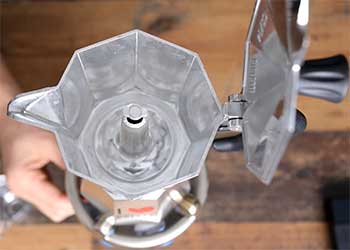
- Timeless Simplicity: The Moka Express boils down to basics: fill with water, add grounds, heat, and enjoy. No fancy valves or extras complicate things. I’ve used it on camping trips where ease matters most, and it never fails to deliver.
- Affordable Entry into Quality Coffee: At a lower price, it’s accessible for beginners. I started with one years ago, and it introduced me to better-than-drip coffee without breaking the bank. Value-wise, it’s tough to top.
- Wide Range of Sizes: From one-cup to twelve-cup models, the Moka Express scales effortlessly. I keep a small one for personal use and a larger for gatherings. This flexibility makes it family-friendly.
- Consistent Brew Every Time: Once you nail the grind and heat, results are predictable. I’ve shared my method with friends, and they replicate it easily. It’s forgiving for minor variations in routine.
- Iconic Aesthetic: That octahedral shape is a kitchen staple. Mine sits on the counter as decor when not in use. It adds a touch of Italian heritage to any space.
Cons of The Moka Express
Even classics have downsides, and the Moka Express isn’t exempt. Based on my experiences, these are the main ones.
- Lack of Crema: Without the valve, you won’t get that foamy top. My brews are strong but miss the espresso-like creaminess. If crema is a must, this falls short.
- Basic Flavor Extraction: It produces bold coffee, but nuances can be lost. I’ve tried premium beans and felt they underperformed compared to pressurized systems. It’s solid, yet not exceptional for complex tastes.
- Heat Sensitivity: Aluminum conducts heat quickly, so scorching is possible if unattended. I’ve learned to remove it from the stove promptly, but early attempts were uneven.
- Cleaning Routine: Like most pots, it needs hand-washing. No dishwasher safety here, which I find mildly annoying on busy days.
- Potential for Metallic Taste” New units sometimes impart a slight aluminum flavor until seasoned. I rinse mine with vinegar initially, but it’s an extra step.
Also Read: Differences Between Nespresso Essenza Mini And Inissia.
Frequently Asked Questions (FAQ)
The Brikka features a special valve for crema, making coffee richer and foamier, while the Moka Express is a classic design focused on simple, strong brews without extra pressure mechanics.
Yes, the Brikka often produces a more intense flavor due to its valve system that enhances extraction, though strength depends on grind and beans used.
Its patented valve creates crema, giving a cafe-style espresso experience in a stovetop pot, setting it apart from traditional models.
Bialetti stands out for quality and heritage, but “better” varies by needs; its originals like these offer reliability that many copies lack.
Final Thoughts
I’ve shared my experiences with the Brikka and Moka Express, weighing their features to guide your choice. Whether you crave that creamy top or prefer straightforward boldness, one will elevate your daily cup.
You might start with the Moka Express for its ease, or go Brikka if depth calls to you. Whichever you pick, enjoy the ritual—it makes mornings better.