
I’ve spent years incorporating balance trainers into my workouts, and choosing between the BOSU Elite and the BOSU NexGen felt like a big decision.
Both promise to elevate your training, but they approach it differently—one focuses on explosive power and resistance, the other on precision and grip.
In this article, I’ll break down my real experiences with both to help you decide which one fits your goals, whether you’re building strength, improving balance, or chasing athletic performance.
| Feature | BOSU Elite | BOSU NexGen (Pro version) |
| Dome Firmness | Very firm, high-density for spring-like resistance | Softer, more give for traditional instability |
| Surface Texture | Honeycomb grip in Power Zone | QuadRANT textured with quadrants and notches |
| Key Training Focus | Compression loading, power, speed | Precise positioning, grip, versatility |
| Weight Capacity | Up to 2000 lbs | Around 350-400 lbs |
| Base Design | Reinforced, non-skid | Dually over-molded, non-slip (Pro) |
| Best For | Athletes wanting explosive force | General fitness, cueing, group or home use |
| Inflation Height | Max 8-9 inches (do not overinflate) | Standard 10 inches |
| Feel Underfoot | Pushes back, loads muscles | Sinks in, challenges balance reflexes |
Key Differences Between BOSU Elite And BOSU NexGen
After alternating between them for months, the contrasts became crystal clear. They’re both excellent, but they train your body in fundamentally different ways.
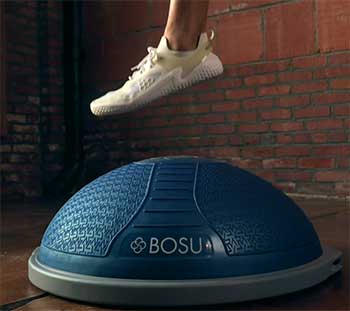
- Dome firmness and response — The Elite’s high-density dome resists compression and springs back for power development and muscle priming; the NexGen’s softer dome gives way more, creating classic wobble to hone balance reflexes and fine stabilizer muscles.
- Surface design and cueing — Elite uses a central Power Zone with honeycomb grip and a single Power Line for pelvic/spinal alignment; NexGen features four full quadrants with detailed notches for multi-directional positioning and exercise-specific cues.
- Primary training emphasis — Elite targets compression loading, explosive force, speed, and athletic priming (great for prepping heavy lifts); NexGen prioritizes precise placement, grip security, agility, and versatility across cardio, mobility, and core.
- Feel and stability under load — Elite feels more grounded and supportive for advanced or heavy users, making balancing easier while intensifying power output; NexGen provides greater instability for deeper neuromuscular challenge but can feel slippery without the texture advantage.
- Durability and use case — Both are tough, but Elite handles extreme compression and higher effective loads; NexGen Pro’s over-molded base shines in high-volume group or varied daily sessions.
- Inflation and maintenance — Elite requires careful under-inflation (max 8-9 inches) to maintain its spring; NexGen inflates to standard height for optimal give.
In practice, the Elite made me feel like an athlete exploding out of the blocks—my vertical jump and sprint starts improved noticeably. The NexGen kept my workouts safer and more structured; I rarely lost form mid-set, and it excelled in dynamic flows where precision matters.
What Makes The BOSU Elite Stand Out?
I first tried the Elite during a phase where I wanted to build more power in my lower body. The dome feels completely different—it’s denser and firmer, almost like it’s fighting back when you step on it.
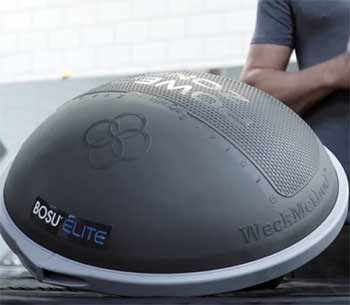
- High-density, ultra-firm dome — Provides elastic resistance that “pushes back” against compression, ideal for loading muscles and building explosive power.
- Honeycomb-textured Power Zone — A central grippy area that enhances foot traction during high-intensity moves like jumps or heavy squats.
- Power Line alignment cue — A raised line running across the dome to help maintain proper pelvic positioning and neutral spine during exercises.
- Reinforced construction — Supports extreme loads (often rated for heavy athletic use) with a durable base that holds up to platform-side training.
- Specialized compression training focus — Designed by WeckMethod principles to prime the nervous system, improve dorsiflexion, and develop speed/strength.
When I do single-leg Romanian deadlifts or plyometric pushes on it, the dome loads up under my weight and then springs me forward or upward. It changed how my hips and ankles fire—I felt more athletic almost immediately, with better force production in sprints and lifts off the trainer.
Why I Love The BOSU NexGen For Everyday Workouts?
The NexGen caught my eye when I needed something more forgiving for longer sessions. Its textured dome with four quadrants transformed how I do planks, push-ups, and cardio drills.
Key Features of the BOSU NexGen
- Four textured quadrants → Divided sections with notches and markings for precise hand/foot placement and visual cueing during complex sequences.
- Enhanced all-over grip texture → Raised patterns that prevent slipping, even during sweaty HIIT or barefoot sessions.
- Dually over-molded non-slip base → Extra durable platform for commercial-level use, stable when flipped for push-ups or step-ups.
- Softer, more pliable dome → Traditional instability that sinks slightly under weight to challenge stabilizers and reflexes.
- Versatility for multi-plane movements → Excels in agility drills, core work, mobility flows, and group fitness cueing.
Those quadrants are brilliant—I line up my feet exactly for lateral lunges or my hands for offset push-ups, and the texture locks me in. It’s forgiving enough for longer cardio circuits but still demands constant micro-adjustments from my core and ankles.
Pros And Cons of The BOSU Elite
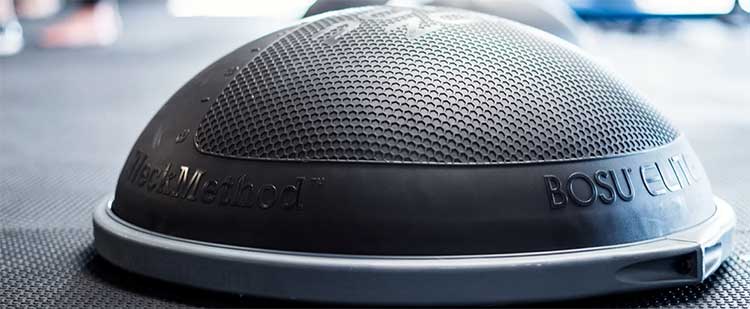
I’ve pushed the Elite hard, and it delivers when you want serious athletic gains.
Pros of the BOSU Elite
- Unmatched power development → That ultra-firm, high-density dome creates a unique elastic resistance—when I compress into a squat or single-leg hold, it loads my muscles deeply and then springs back, helping me generate more force on the way up. Over time, this has noticeably improved my vertical jump, sprint acceleration, and even my deadlift power off the floor.
- Built-in alignment tools → The honeycomb Power Zone grips my feet securely in the center, while the raised Power Line runs right under where my mid-foot should be, cueing me to keep my pelvis neutral and spine tall. I’ve fixed longstanding issues like inward knee collapse during lunges just by feeling those cues underfoot—no coach needed.
- Extreme durability → This thing is built like a tank. I’ve dropped weights on it accidentally, used it platform-side for push-ups with added resistance bands, and compressed it under my full bodyweight plus dumbbells repeatedly—it holds shape without softening over time.
- Nervous system priming → A short 5-10 minute session on the Elite leaves my hips, ankles, and core feeling “turned on” and responsive. I often use it as a warm-up before heavy lifting days, and it makes everything feel snappier and more powerful.
- Versatile for advanced athletes → Beyond basic balance, it’s killer for plyometrics like depth drops, rotational throws, or integrating with kettlebells. If you’re into sports performance or strength training, it adds a layer of intensity that’s hard to replicate with softer tools.
Cons of the BOSU Elite
- Steeper learning curve → The firmness can feel unforgiving at first. If you’re coming from a traditional soft BOSU, it might seem too stable or “dead” initially, and mastering the compression technique takes practice—I fell off a few times early on during dynamic moves.
- Requires precise inflation → You can’t just pump it up fully; the instructions emphasize keeping it at 8-9 inches max to preserve that spring effect. Overinflate, and it loses the magic; underinflate, and it feels mushy. I check it regularly with a tape measure to stay in the sweet spot.
- Less classic instability → It prioritizes controlled loading over endless wobbling, so if your main goal is pure balance rehab or training tiny stabilizer muscles through constant correction, it won’t challenge you as much in that reflexive way.
- Premium pricing → You’re paying for the specialized WeckMethod design and materials—it’s noticeably more expensive than standard models, which might sting if you’re on a budget or just testing balance training.
- Can be intimidating for heavier loads initially → Even though it’s rated high, the focused resistance demands good form; poor technique amplifies feedback harshly, which could lead to frustration or minor strains if you push too soon.
It took a few sessions to dial in, but once I did, my lower body strength and quickness jumped—worth it if power is your goal.
Pros And Cons of The BOSU NexGen
The NexGen became my go-to for consistent, enjoyable training without overwhelming intensity.
Pros of the BOSU NexGen
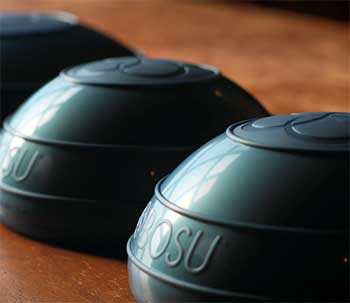
- Superior slip resistance → Those raised quadrant textures grip like crazy—I’ve done burpees, mountain climbers, and lateral skaters in bare feet or socks during sweaty sessions without once feeling like I was going to slide off. It builds confidence for faster, more aggressive movements.
- Precision cueing system → The four divided sections with notches act like a roadmap on the dome. I can perfectly align my hands for offset push-ups, feet for staggered lunges, or even use the markings for timed drills in circuits—makes programming complex HIIT way easier and more effective.
- Broad fitness appeal → It’s welcoming for all levels: softer give helps rehab clients or beginners build confidence in balance, while the instability still taxes advanced users in longer holds or dynamic chains. I’ve used it with family members new to fitness, and they progress quickly without intimidation.
- Encourages perfect form → The visual and tactile guides reinforce symmetry—I catch and correct imbalances mid-rep, like one hip dropping in planks, leading to better overall movement quality and fewer nagging issues over time.
- Excellent for group or varied training → The durable over-molded base handles flipping for platform work seamlessly, and the texture supports multi-directional agility drills. It’s my pick for full-body circuits blending cardio, core, and mobility without needing multiple tools.
Cons of the BOSU NexGen
- Softer compression under heavy loads → It doesn’t offer that same rebounding “push back” as firmer options, so for pure power-building or priming heavy compound lifts, it falls short—I feel less explosive drive compared to dedicated resistance-focused tools.
- Lower extreme load tolerance → While plenty tough for most (350-400 lbs rating), it compresses more under very heavy users or added weights, potentially reducing effectiveness for maximal strength work or extreme athletic loading.
- Texture maintenance → The detailed grooves trap sweat, chalk, or dust over time, requiring more frequent cleaning (I wipe it down after every use and deep clean weekly) to keep the grip optimal—neglect it, and it can feel less tacky.
- May feel incremental for upgraders → If you’re coming from an older smooth BOSU, the quadrants and texture are a nice step up, but not as transformative as jumping to a completely different resistance profile—some users might want more dramatic change.
- Slightly less feedback for posture correction → Without a dedicated central line or zone, it relies more on your awareness for spinal alignment; I sometimes miss the automatic cues during loaded moves.
I appreciated how it made group-style workouts at home feel professional, with those cues keeping my form sharp.
How I Use Them In My Training Routine?
Personally, I alternate based on the day. For leg days focused on power, I grab the Elite—compressing into squats or jumps leaves my glutes and quads fired up. On recovery or core days, the NexGen lets me flow through planks, burpees, or single-leg holds without fighting the surface.
Both have improved my overall stability. I used to struggle with knee valgus during squats; now, the alignment tools on each help me correct it mid-set. If you’re like me and train at home most days, either will add variety, but think about your priorities: raw power or precise control.
The Elite transformed my athletic feel—I move quicker and feel more grounded in sports. The NexGen made everyday workouts more engaging and safer, especially when sweating through circuits.
Which One Should You Choose?
It depends on where you are in your fitness journey. If you’re chasing explosive strength, speed, or advanced loading, I lean toward the Elite—its resistance feedback is unmatched. For versatile training, better grip, and cueing that helps perfect form across cardio, strength, and mobility, the NexGen wins for most people I know.
I’ve recommended the NexGen to friends starting out or doing classes, and the Elite to those already strong and wanting that next level. Whichever you pick, you’ll feel the difference in your core engagement and balance right away.
Also Read: Comparison of Tonal And Tempo.
Frequently Asked Questions (FAQ)
The Elite has a much firmer, high-density dome focused on resistance and power loading, while standard BOSU models emphasize instability and balance reflexes.
Models vary in dome firmness, texture, and cues—NexGen adds quadrants for grip and positioning, Elite prioritizes spring-like resistance, while originals are smoother and softer.
It depends on goals: Elite for power athletes, NexGen for versatile grip and precision in general fitness.
It’s the home version with textured quadrants for better grip and exercise cueing, ideal for everyday use without commercial-grade demands.
Final Thoughts
You and I both know picking the right tool makes training more effective and enjoyable. Whether you go Elite for that power edge or NexGen for reliable precision, you’ll build better balance, strength, and confidence.
I’ve seen it in my own progress—give one a try, stay consistent, and watch how it changes your workouts. Your body will thank you.