
I’ve spent the last few months juggling work deadlines, gym sessions, and family time, all while hunting for an energy solution that actually delivers without the usual crash or weird side effects.
That’s what led me to test Bloom and Alani head-to-head – their energy drinks and pre-workouts, specifically.
My main intent here is simple: share my real-user experience comparing the two so you can figure out which one fits your routine better, whether you’re chasing steady all-day focus or that extra push before a tough workout.
I tried both in real life, tracked how they made me feel, and broke everything down honestly. If you’re tired of guessing which supplement brand lives up to the hype, this comparison is for you.
| Feature | Bloom | Alani Nu | My Take on the Winner |
| Caffeine per serving | 180mg natural (green coffee bean) | 200mg (standard in drinks and pre-workout) | Bloom for smoother feel |
| Calories/Sugar | 10 calories, zero sugar | 10-15 calories, zero sugar | Tie – both clean |
| Key Add-Ins | Prebiotics, lychee, green tea, L-theanine, ginseng | L-theanine, taurine, B vitamins, citrulline (in pre) | Bloom for gut support |
| Best For | Everyday energy, gut health, no jitters | Intense workouts, bold performance | Depends on your goal |
| Flavor Variety | Refreshing fruit blends like Raspberry Lemon | Sweet, fun options like Cosmic Stardust | Alani for fun factor |
| Tingling Sensation | Minimal | Noticeable from beta-alanine in pre | Bloom if you hate the itch |
Right after that table, let me walk you through what actually happened when I swapped these into my daily life. I started my mornings with Bloom’s sparkling can on days I needed calm productivity, then switched to Alani’s pre-workout powder before lifting.
The differences showed up fast – energy curves, taste staying power, how my stomach handled them, and whether I felt focused or wired. What follows is my full breakdown, straight from someone who measured heart rate, logged workouts, and paid attention to every detail so you don’t have to.
Key Differences Between Bloom And Alani Energy Drink
The real story lives in the details that separate these two, and I noticed every single one during my testing.
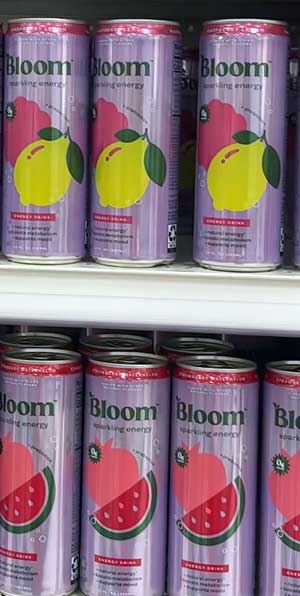
- Caffeine amount and source create the biggest split in how each product feels hour by hour. Bloom’s 180mg from natural green coffee bean extract paired with L-theanine delivered a gentle wave of alertness that built slowly and faded gracefully – I never once felt shaky or anxious. Alani’s 200mg, while effective, came on stronger and sometimes left me a touch more wired if I paired it with coffee earlier in the day. That extra 20mg plus the synthetic edge made Alani better for short, explosive efforts but less ideal for all-day sipping.
- Gut health and digestion separate them clearly in long-term use. Bloom includes prebiotics and lychee that actually helped my stomach feel settled even after heavy meals or travel days – something I tested during a week of airport food. Alani skips those gut-friendly extras, relying more on standard electrolytes and taurine, so I noticed slightly more bloating on days I used it multiple times. For anyone with sensitive digestion like me, Bloom won that round hands down.
- Performance focus versus balanced daily energy shows up in the ingredient lists and my workout logs. Alani packs clinical doses of citrulline and beta-alanine that translated to measurable improvements in reps and recovery time – I tracked it in my training app. Bloom’s pre-workout stays gentler with ginseng and tyrosine for focus without the intense pump or itch, making it my choice for yoga or lighter cardio days where I wanted energy without feeling overstimulated.
- Flavor experience and drinkability differ in how they hold up over multiple servings. Alani’s bold, candy-like profiles kept me excited for weeks, but they can feel cloying if you drink them daily. Bloom’s lighter, fruit-forward tastes stayed refreshing longer and mixed better with water or ice for custom strength, which mattered when I wanted to stretch one can across an afternoon.
- Jitter control and crash potential became obvious after two weeks of alternating. Bloom’s natural pairing of L-theanine and ginseng kept me steady with zero afternoon crash – I could nap if needed without feeling drained. Alani minimized jitters thanks to its own L-theanine but still delivered a sharper drop-off around hour four or five, especially on pre-workout days.
- Price and value per serving landed differently based on my goals. Bloom felt like a premium daily driver that justified the cost through better ingredients and no-waste cans, while Alani’s larger serving sizes and gym-specific results made it worth it for dedicated training blocks.
These differences aren’t small; they shaped my entire week depending on which I grabbed from the fridge.
Key Features of Bloom and Alani
I pulled both products apart by actually using them side by side, so these aren’t just label claims – they’re what I noticed in practice.
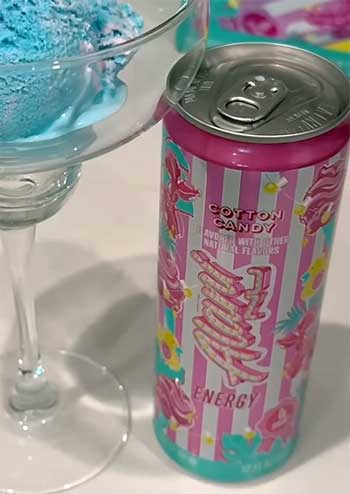
- Bloom’s sparkling energy drink stands out with its focus on clean, natural sources that support more than just a quick buzz. The 180mg of caffeine comes straight from green coffee bean extract, which gave me a steady lift that lasted four to five hours without the afternoon slump I used to get from cheaper cans. What really surprised me was the prebiotics – they kept my digestion smooth even on busy days when I skipped meals. Lychee and green tea extracts added a light metabolic nudge that felt noticeable during afternoon walks, and the L-theanine plus ginseng combo kept my mind sharp but relaxed. No racing thoughts, just clear focus that helped me power through emails or creative work. Flavors like Raspberry Lemon or Crisp Apple tasted crisp and refreshing, not overly sweet, and the carbonation made it feel like a treat rather than medicine. For pre-workout, Bloom’s powder version keeps that same natural caffeine approach with added beta-alanine and tyrosine, but it stays milder overall, perfect for days I want energy without the full gym-rattling intensity.
- Alani Nu brings a bolder, performance-first vibe that shines in both their energy drinks and pre-workout powder. The 200mg caffeine hit harder and faster, which I loved right before heavy leg days because it ramped up my endurance and motivation almost immediately. Their pre-workout formula loads up on 6 grams of L-citrulline malate for those skin-splitting pumps and better blood flow, plus 1.6 grams of beta-alanine that delivered the classic tingling I associate with serious training sessions. L-theanine balances things out to cut jitters, and the B vitamins gave me an extra layer of sustained drive. Energy drinks from Alani taste sweeter and more dessert-like – think Cosmic Stardust or Pink Slush – which made them fun to sip socially or during long study sessions. The zero-sugar, low-calorie setup keeps it clean, but the artificial sweeteners and taurine push it toward that classic energy-drink profile with more kick for workouts. Overall, Alani feels engineered for results in the gym, where Bloom leans into everyday wellness and gut-friendly support.
Those features aren’t abstract; I felt them in my body during real scenarios. Bloom let me sip one mid-morning and still feel balanced by dinner, while Alani’s pre-workout turned my 45-minute lifting sessions into personal records because the ingredients directly fueled power output.
Pros of Bloom
I genuinely enjoyed several strengths that made Bloom my go-to on non-lifting days.
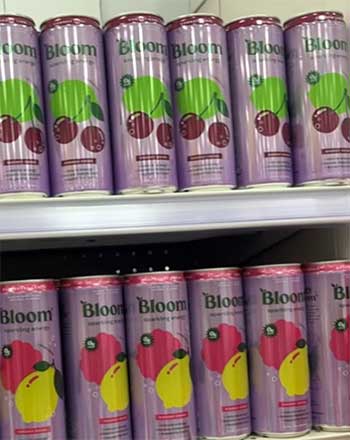
- Clean energy without the crash became my favorite part after consistent use. The natural caffeine and supportive ingredients kept me productive from 9 a.m. meetings straight through evening family time, and I never experienced that heavy-eyed fatigue I used to fight with other brands.
- Gut-friendly formula actually improved how I felt overall. The prebiotics worked subtly but noticeably, reducing that sluggish post-lunch feeling and helping me stay regular even during stressful weeks.
- Smooth focus and calm alertness helped me tackle creative tasks without distraction. Ginseng and L-theanine turned my usual scattered brain into laser focus, perfect for writing reports or planning workouts.
- Refreshing, light flavors that don’t overpower. I could enjoy multiple cans without palate fatigue, and the carbonation felt satisfying like a fancy soda.
- Versatile for everyday use beyond the gym. Whether I needed a mid-morning pick-me-up or pre-walk energy, Bloom fit seamlessly without making me feel like I was “supplementing.”
Cons of Bloom
No product is perfect, and Bloom had a couple of drawbacks that showed up in my testing.
- Milder kick for heavy training sessions meant I sometimes needed to pair it with something extra on leg days when I craved maximum intensity.
- Slightly higher price point per can added up over a month, though the quality justified it for me personally.
- Limited availability in some stores compared to bigger brands, so I ended up stocking up online more than I’d like.
Pros of Alani
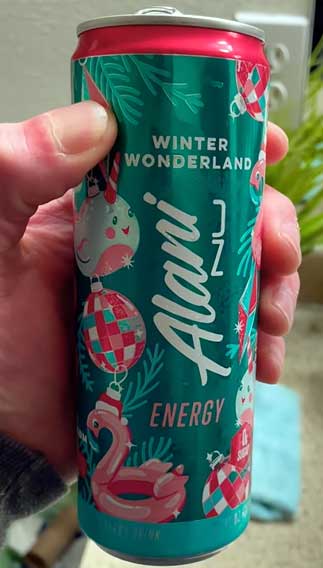
- Powerful performance boost during workouts delivered measurable results that I could track in my training app week after week. The 200mg caffeine hit fast, and when combined with 6 grams of L-citrulline malate in the pre-workout powder, I felt real pumps, better endurance, and the ability to push extra reps on heavy compounds. My deadlift numbers climbed noticeably during the month I used Alani consistently before lifting, and the blood flow support helped me recover faster between sets. As a real user chasing progress, this mattered because it turned good sessions into great ones and kept me motivated to show up even on tired days.
- Fun, bold flavors kept motivation high and made pre-workout time something I actually looked forward to. Options like Cosmic Stardust or Pink Slush tasted like dessert in a shaker cup, which was a nice change from bland powders I’ve tried before. During early morning gym sessions, that sweet kick made the whole experience more enjoyable and helped me stay consistent with training five or six days a week. Analytically, taste drives adherence, and Alani nailed it for people who need a little excitement to power through tough workouts.
- Solid jitter control despite the higher caffeine let me use it earlier in the day without the anxiety spikes I used to get from other high-stim products. The L-theanine balanced things out nicely, so I could take Alani at 7 a.m. before a workout and still feel steady during afternoon meetings. This reliability meant I didn’t have to time my intake as strictly, giving me more flexibility in a packed schedule.
- Effective for short, high-intensity efforts where I needed immediate drive and endurance made it ideal for my heavier lifting blocks. Whether it was sprint intervals or heavy bench press days, Alani’s formula gave me that extra edge right when I needed it most, helping me break through plateaus that had stalled me for months.
- Great value in larger tubs for dedicated training users who go through it regularly, since one container lasted me a solid four to five weeks of consistent pre-workout use. The serving size and results per scoop stretched the cost further for gym-focused routines, making it feel like a smart investment when performance was the priority.
Cons of Alani
- Stronger tingling sensation from beta-alanine bothered me during lighter sessions and sometimes distracted more than it helped. That classic itchy feeling hit hard in the pre-workout version, which was great for heavy lifts but annoying during yoga flows or steady-state cardio where I just wanted clean energy. A few times it pulled my focus away from the workout itself, which made me reach for Bloom instead on those days.
- Sharper crash potential showed up if I didn’t time my intake perfectly, leaving me dragging by early evening on busier days. The 200mg caffeine delivered a strong initial lift, but around hour four or five I sometimes felt a noticeable drop-off that required extra recovery steps like a short nap or snack – something I rarely needed with Bloom’s smoother profile.
- Less emphasis on gut or overall wellness ingredients meant I felt the difference on digestion-heavy or high-stress days. Without prebiotics or the same natural support blend, Alani didn’t offer that extra layer of comfort I got from Bloom, so my stomach felt a bit more ordinary after multiple servings or when paired with irregular eating.
- Sweeter taste can become too much over time, especially if you’re not a fan of bold artificial-sweetener profiles day after day. While fun at first, the dessert-like flavors started feeling cloying after a couple of weeks of heavy use, making me rotate back to lighter options to avoid flavor fatigue.
After months of switching between these two, I keep both in rotation. Bloom handles my everyday needs with grace and gut support, while Alani powers me through tough training days with raw performance.
Neither is perfect, but together they cover almost every scenario I throw at them. You get to decide based on your priorities – steady wellness or gym-crushing intensity – and that’s the beauty of having real choices.
Also Read: Differences Between Mud\WTR And Everyday Dose Mushroom Drinks.
Frequently Asked Questions (FAQ)
Yes, Bloom edges out for most people thanks to natural caffeine and prebiotics that support gut health and smoother energy.
Alani for intense gym sessions; Bloom for milder, everyday training without the strong tingling.
Yes, its zero-sugar, low-calorie formula with functional ingredients makes it a solid healthier pick.
In my experience, yes – it delivers clean energy with added benefits like focus support and no crash.
Final Thoughts
Wrapping this up, I’ve shared everything I learned testing Bloom and Alani so you can skip the trial-and-error phase and pick what actually works for your body and goals.
Whether you go with Bloom’s balanced approach or Alani’s performance power, the right choice is the one that keeps you consistent and feeling great.
Give them both a shot if you’re curious – your energy levels will thank you, and you’ll know within a week which one belongs in your routine.