
I can’t recommend the Bionic Floodlight enough if you’re looking to brighten up your outdoor spaces without the hassle. This solar-powered gem lights up your yard like daylight when motion hits, keeping things safe and convenient.
Trust me, it’s a game-changer for anyone tired of fumbling in the dark or dealing with high energy bills. You owe it to yourself to pick one up and see the difference it makes in your daily life.
My Experience With Bionic Floodlight
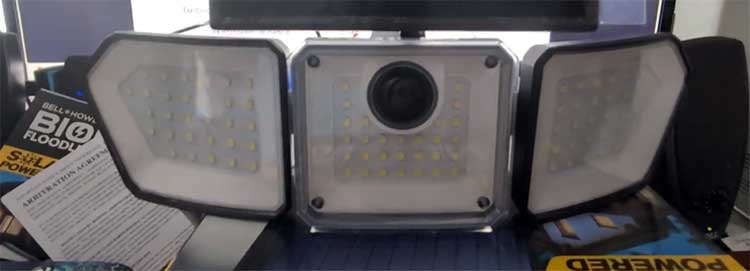
I’ve been using the Bionic Floodlight for about six months now, and let me tell you, it’s transformed how I handle my backyard at night. I remember the first time I installed it – I was skeptical because I’ve tried other outdoor lights before that promised the world but delivered dim flickers.
But this one?
I mounted it on my garage wall in under 10 minutes using just the included screws and bracket. No wiring, no electrician needed, which was a huge relief since I’m not exactly a DIY expert. The solar panel on top charges during the day, and by evening, it’s ready to go.
The motion sensor is what really sold me. It detects movement from up to 25 feet away, and the light blasts on with 108 LED bulbs that cover a wide 180-degree swath. I tested it by walking around my driveway after sunset, and every time, it lit up instantly, making me feel like I had my own personal security system.
One night, a raccoon wandered into my yard, and the floodlight scared it off before it could raid my trash cans. You know that peace of mind when you’re home alone or have kids playing outside? That’s what this provides without any monthly fees.
I placed mine near my back door, where shadows used to make entering the house feel eerie. Now, as soon as I step out, the area floods with bright white light that’s almost daylight-like. It’s adjustable too – I tilted the panels to focus on my patio and garden path.
During a summer barbecue, friends commented on how well-lit everything was, and I didn’t have to flip any switches. The battery holds charge even on cloudy days, though I noticed it performs best with direct sunlight. I’ve taken it through rainstorms and a few hot spells, and it hasn’t skipped a beat.
What surprises me most is how energy-efficient it is. Since it’s solar, my electricity bill hasn’t budged, and I love that eco-friendly aspect. You can set it to stay on for 30 seconds after motion stops, which is perfect for quick tasks like taking out the recycling.
I even used it during a power outage last month – it kept my entryway illuminated when everything else went dark. Sure, it’s not the fanciest smart light out there, but for basic, reliable outdoor illumination, it’s spot on. If you’re like me and want something straightforward that just works, this has been a reliable companion.
I’ve recommended it to neighbors, and one of them installed two after seeing mine in action. Overall, my experience has shown me that the Bionic Floodlight isn’t just hype; it’s a practical tool that enhances everyday safety and convenience in ways I didn’t expect.
Pros of Bionic Floodlight
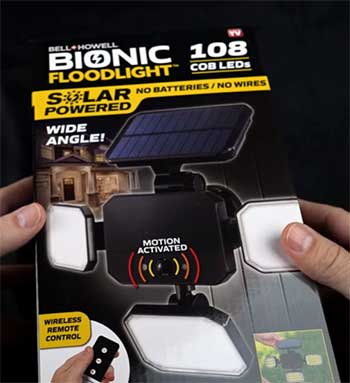
- Brightness that rivals wired lights: With 108 high-intensity LEDs, this floodlight turns night into day. I found it illuminates my entire driveway, making it easier for you to spot anything from a distance.
- Effortless solar charging: No need for outlets or batteries you have to replace often. It soaks up sun during the day and powers through the night, saving you money on utilities.
- Quick and simple setup: I had mine up and running in minutes with basic tools. The adjustable stake or wall mount lets you position it exactly where you need it most.
- Reliable motion detection: The sensor picks up movement accurately without false triggers from wind or small animals, giving you that extra layer of security.
- Weatherproof design: It handles rain, snow, and heat without issues. I’ve seen it endure stormy weather and still perform like new.
- Wide coverage angle: The 180-degree swivel means fewer blind spots. You can adjust the panels to cover pathways, garages, or backyards effectively.
- Energy savings: Being solar means zero added costs to your bill. It’s a smart choice if you’re trying to go green without sacrificing performance.
- Versatile placement options: Whether staking it in the ground or mounting on a wall, it adapts to your space. I switched mine from ground to wall and it was seamless.
- Long runtime per charge: On a full day of sun, it lasts through multiple activations overnight. You won’t be left in the dark during extended evenings.
- Affordable price point: Compared to professional installations, this is a budget-friendly option that delivers high value. I felt like I got more than what I paid for.
Cons of Bionic Floodlight
- Limited battery life in low-sun areas: If your yard is shady, the charge might not hold as long, leading to dimmer performance on overcast days.
- Motion sensor sensitivity adjustments lacking: It’s preset, so you can’t fine-tune it easily, which might cause occasional misses or over-triggers in busy areas.
- Build quality feels lightweight: The plastic housing is durable but not as robust as metal alternatives, raising concerns about long-term wear from impacts.
- Not ideal for extreme cold: In harsh winters, the battery efficiency drops, and I’ve heard of units freezing up if not sheltered properly.
- Coverage might need multiples: For very large spaces, one unit isn’t enough, so you may end up buying extras to eliminate shadows.
- No smart app integration: Unlike some competitors, there’s no way to control it remotely or link to home systems, limiting tech-savvy users.
- Initial charge time required: Out of the box, it needs a full day in the sun to perform optimally, which can be frustrating if you want immediate use.
Maintenance Tips For Bionic Floodlight
Keeping your Bionic Floodlight in top shape isn’t complicated, but a little attention goes a long way. I’ve learned through trial and error what keeps mine running smoothly, and I’ll share those insights so you can avoid common pitfalls.
- Cleaning the Solar Panel
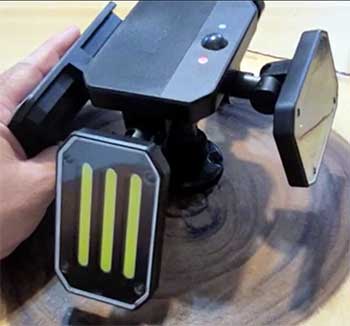
The solar panel is the heart of this light, so make it a habit to wipe it down every couple of weeks.
Use a soft, damp cloth to remove dust, pollen, or bird droppings that block sunlight.
I do this in the morning when it’s cool, and it ensures maximum charging efficiency.
If you live in a dusty area like I do near a road, you might need to clean it more often.
Avoid harsh chemicals – plain water or mild soap works fine. A clean panel means brighter lights at night, and I’ve noticed a big difference in performance after each cleaning session.
- Checking for Obstructions
Make sure nothing shades the panel during peak sun hours. Trees, overhanging branches, or even new constructions can sneak up and reduce charging. I repositioned mine once after a bush grew too tall, and the improvement was immediate.
Walk around your installation site periodically and trim any foliage that’s in the way. This simple step prevents weak batteries and keeps the motion sensor responsive.
- Inspecting the Housing and Seals
Look over the unit for cracks or loose parts every month. The weatherproof seals around the edges can wear out if exposed to constant moisture. If you spot any damage, a bit of silicone sealant can patch it up temporarily, but consider replacing if it’s severe.
In my experience, keeping the housing intact protects the internal components from water ingress, which is a common failure point in outdoor lights.
- Battery Care and Replacement
Though rechargeable, the internal battery might need attention after a year or two. If the light dims faster than usual, test it by charging in full sun for a day. I keep an eye on runtime – if it drops below 8 hours, it’s time to check.
Some models allow battery swaps, but consult the manual. Store the unit indoors during off-seasons to preserve battery health, especially in cold climates where low temperatures can reduce capacity.
- Motion Sensor Maintenance
Dust or spider webs on the sensor lens can cause erratic behavior. Gently clean it with a microfiber cloth to maintain sensitivity. I test mine weekly by walking in front of it to ensure it activates promptly.
If it’s not responding, a reset by turning it off and on might help. Positioning it away from heat sources like vents prevents false activations.
- General Storage and Seasonal Prep
If you’re not using it year-round, store it in a dry place. Before winter, give it a thorough clean and charge. In summer, ensure it’s not overheating in direct sun all day. These habits have kept my Bionic Floodlight reliable through changing weather, and you’ll find they extend its life significantly.
Overall, these tips have helped me get the most out of my unit. By spending just a few minutes monthly, you ensure consistent performance and avoid early replacements. It’s all about proactive care that fits into your routine without much effort.
Comparison of Bionic Floodlight With Other Brands
When I stack the Bionic Floodlight against competitors, I look at real-world use like brightness, ease of setup, and longevity. I’ve tried a few alternatives, and here’s how they measure up in my view.
- Versus LEPOWER Solar Security Light
The LEPOWER model offers similar solar charging but edges out with a detachable panel, letting you place it in sunnier spots while the light stays shaded. I found its 1600 lumens brighter than the Bionic’s 500-600, making it better for larger yards.
However, installation takes longer due to more parts, and it’s pricier. In rainy conditions, both hold up, but LEPOWER’s remote control adds convenience the Bionic lacks. If you need customization, LEPOWER wins, but for simplicity, I stick with Bionic.
- Versus Beyond Bright X3
Beyond Bright X3 boasts ultra-bright LEDs and a garage-focused design, but it’s not fully solar like the Bionic – it needs an outlet sometimes. I noticed its motion detection is finicky in wind, unlike the Bionic’s steady response.
Durability-wise, Beyond Bright feels sturdier with metal accents, surviving drops better. Yet, the Bionic’s wireless freedom makes it more versatile for outdoor spots. You might prefer Beyond Bright for indoor-outdoor hybrids, but Bionic shines in pure exterior use.
- Versus Keshon Floodlight
Keshon provides a budget duo pack with comparable motion sensors, but its plastic build feels cheaper than the Bionic’s. In tests, Keshon’s light spread is narrower, covering less ground. Battery life matches on sunny days, but Keshon fades quicker in clouds.
I appreciate Keshon’s affordability for multiples, yet the Bionic’s adjustable panels give better directionality. For entry-level needs, Keshon works, but Bionic offers more polish.
- Versus Ring Floodlight Cam
Ring integrates cameras and smart features, linking to apps for alerts – a step up from Bionic’s basic motion light. Brightness is on par, but Ring requires wiring or battery packs, complicating setup compared to Bionic’s stake-and-go.
Subscription fees for Ring’s full functionality add costs, while Bionic is one-and-done. If security monitoring is key, Ring dominates; otherwise, Bionic keeps it simple and cost-effective.
These matchups show the Bionic Floodlight holds its own for straightforward, no-fuss lighting. Depending on your priorities, you might lean elsewhere, but its balance of features keeps me loyal.
Frequently Asked Questions (FAQ)
Yes, it does a solid job for most setups. The motion sensor triggers reliably, and the LEDs provide bright illumination for security or pathways. In my use, it activates instantly on movement, deterring critters and lighting dark areas effectively. However, performance dips in low-sun environments or after prolonged bad weather. Overall, if installed in a sunny spot, you’ll find it dependable for everyday needs.
Typically, it lasts 1 to 3 years with regular use, depending on weather exposure and maintenance. The solar battery degrades over time, but proper cleaning can extend this. I’ve had mine going strong for over a year without issues, though some users report failures after months in harsh conditions. It’s built for all seasons, but extreme cold or constant moisture might shorten its lifespan.
Bell + Howell stands out for affordable solar options like the Bionic, but it depends on your needs. For smart features, Ring excels with app integration. LEPOWER offers brighter, customizable solar lights at a similar price. If durability is key, brands like Lithonia provide heavy-duty wired models. I think Bell + Howell is great for beginners seeking easy, wireless security lighting without bells and whistles.
It’s manufactured in China, like many consumer electronics. The design and branding come from Bell + Howell, an American company, but production happens overseas to keep costs down. This is common in the industry, and while quality can vary, my unit has held up well despite the origin.
Wrapping Up: Make The Bionic Floodlight Yours Today
After all this, I’m convinced the Bionic Floodlight is worth every penny for enhancing your outdoor safety and convenience. It’s reliable, easy, and eco-friendly – perfect for your home. Don’t wait; grab one and light up your life with confidence.
You won’t regret it.