
If you’re tired of weak coffee from drip machines or spending a fortune at cafes, grab a Bialetti Moka Express right now. I’ve used mine daily for years, and it delivers that intense, authentic stovetop brew that feels like a hug in a cup.
It’s affordable, built to last, and turns your kitchen into a little Italian ritual every morning. Trust me, once you try it, you’ll wonder how you lived without this classic.
My Journey With The Bialetti Moka Express
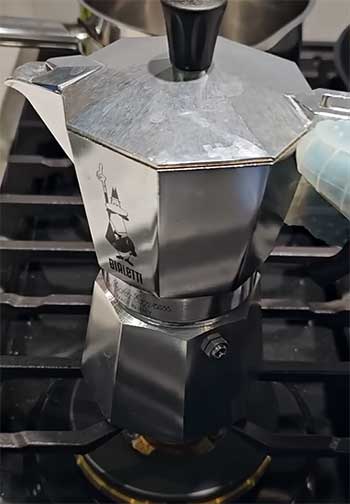
I still remember the day I unboxed my first Bialetti Moka Express.
It was a 6-cup model, shiny aluminum with that signature octagonal shape, sitting on my counter like it belonged there.
I’d heard so much about it being the original stovetop espresso maker, invented back in 1933 by Alfonso Bialetti, and I was excited to see if it lived up to the hype.
At first, I was a bit nervous.
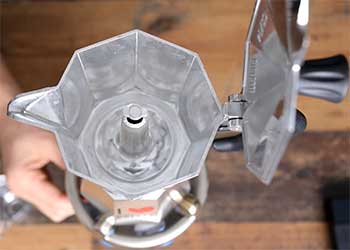
You fill the bottom chamber with water up to the valve, scoop ground coffee into the funnel—loosely, no tamping—and screw on the top.
Then place it on the stove over medium heat. I watched closely as steam built up, and suddenly, that glorious gurgling sound started.
Coffee bubbled up into the top chamber, dark and aromatic, filling my kitchen with a scent that made my mouth water.
My first sip?
Wow. It was strong, bold, with a thickness that regular coffee just doesn’t have. Not quite true espresso, but close enough to satisfy that craving without needing a fancy machine. There was a slight bitterness balanced by chocolatey notes from the medium roast I used. I added a splash of milk, and it became my perfect morning latte base.
Over time, it’s become my go-to. Mornings when I’m rushed, I brew a quick pot and pour it into a thermos. Weekends, I take my time, experimenting with different grinds or beans. I’ve made it for friends who rave about how much better it tastes than their pod machines.
One time, camping, I used it over a portable stove, and it worked flawlessly—hot, rich coffee in the wilderness.
You might wonder if it’s complicated, but it’s not. Once you get the rhythm, it’s effortless. I love how it forces you to slow down a little, listen to the stove, anticipate that gurgle. It’s not just coffee; it’s an experience.
And after hundreds of brews, mine still looks great, performing like day one. If you’re on the fence, just go for it—you’ll get hooked like I did.
The Standout Pros of The Bialetti Moka Express
I’ve tried plenty of coffee makers, but the Bialetti Moka Express keeps winning me over. Here are the reasons I reach for it every single day.
- That Unmatched Rich and Bold Flavor
You know how some coffees feel watered down?
Not this one.
The Moka Express pulls out a brew that’s thick, full-bodied, with layers of flavor you can really taste.
I get notes of dark chocolate, a hint of smokiness, and just enough acidity to keep it lively.
It’s stronger than drip coffee but smoother than what you’d expect from such intensity.
I think it’s the pressure—around 1.5 bars—that extracts oils and compounds in a way that gives it real body. You end up with something viscous, almost syrupy, perfect black or with milk.
I’ve used everything from supermarket beans to fancy single-origin, and it always elevates them. You feel like you’re drinking something special, not just caffeine.
- Iconic Design That Feels Timeless
Look at it. That eight-sided shape, the little man logo—it’s art. Mine sits on my stove, and guests always comment on how cool it looks. It’s not bulky like electric machines; it’s compact, lightweight, yet feels solid in your hand.
The aluminum conducts heat evenly, which helps with consistent brews. And the handle stays cool enough to grab without burning yourself. You can display it proudly, or tuck it away easily. It’s functional beauty that fits any kitchen.
- Durability That Lasts for Years
I’ve dropped mine, banged it around, used it daily—and it’s still going strong. The thick aluminum doesn’t warp or rust. Sure, it gets some patina over time, scratches here and there, but that adds character.
Replacement parts are cheap and easy to find, like gaskets or funnels. You aren’t throwing it away when something wears out; you fix it. I’ve had friends with theirs for decades, passed down even. It’s built to endure, unlike flimsy plastic gadgets that break quickly.
- Affordability Without Compromise
You can pick one up for under fifty bucks, depending on size. For that, you get coffee rivaling cafe quality at home. No pods to buy constantly, no expensive filters—just grounds and water.
Compare that to espresso machines costing hundreds, with pumps and portafilters to maintain. This is simple, no electricity needed, works on any gas or electric stove (non-induction for the classic). You save money long-term and get better taste.
- Ease of Use for Everyday Brewing
You don’t need barista skills. Fill, scoop, heat, done. It’s forgiving—if you forget it a bit, it might get stronger, but rarely ruins the pot.
I love the ritual: measuring water, adding coffee, hearing it brew. It’s meditative. And sizes from 1-cup to 12 mean you match it to your needs. Solo mornings? Small one. Family? Bigger. You control portions perfectly, no waste.
- Versatility in How You Drink It
Straight up as “espresso,” diluted for americano, base for cappuccino— it handles all. I’ve foamed milk separately and made lattes that impress.
It travels well too. I’ve taken mine on trips, used over campfires. You adapt heat sources easily. And it encourages experimenting—you tweak grind, heat level, beans, and notice differences immediately.
All these pros add up to why I recommend it so strongly. You get premium coffee experience without hassle or huge cost.
The Realistic Cons of The Bialetti Moka Express
Nothing’s perfect, and the Moka Express has drawbacks I’ve run into. Knowing them helps you decide if it’s right for you.
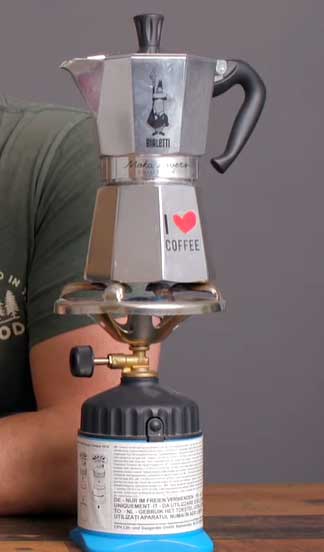
- It Requires Some Attention on the Stove: You can’t just set and forget. Leave it too long after gurgling, and coffee scorches, turning bitter. I learned this early—burnt a batch once. Now I stay nearby, remove it when flow slows. It’s not hard, but demands presence unlike auto-drip.
- Aluminum Material Isn’t for Everyone: The classic is aluminum, which some avoid over health concerns (though studies show it’s safe with seasoned use). It doesn’t work on induction stoves without adapter. If you have induction, look at Bialetti’s stainless models. And aluminum can react with acidic cleaners, so care matters.
- Cleaning Takes a Bit More Effort: No dishwasher—hand wash only. You rinse parts, scrub occasionally. Gasket and filter need extra attention to avoid buildup. It’s quick once routine, but more than popping a pod machine in the sink.
- Brew Strength Can Be Tricky to Perfect: It’s strong by nature, which you might find overwhelming if you prefer mild coffee. Getting no bitterness takes practice—right grind (medium-fine), heat level, fresh beans. Early on, I had bitter cups until I adjusted.
- Limited to Stovetop Only: No electric version means you need a stove. Camping works with portable, but not for office or no-kitchen setups. And brew time, 5-10 minutes, is longer than instant.
These cons are manageable for me, and pros outweigh them hugely. But if you want zero effort, this might not fit.
Tips To Keep Your Bialetti Moka Express Performing Like New
You want this pot lasting forever, right? I’ve kept mine in top shape with these habits. Proper care makes all the difference in taste and longevity.
- Daily Cleaning Routine for Fresh Brews Every Time
After brewing, let it cool, then disassemble—unscrew top, remove funnel and gasket.
Rinse everything under hot water. No soap usually, as it strips oils that season the pot and improve flavor over time. I just use a soft sponge for residue.
If grounds stick, gentle brush works. Dry thoroughly with a towel to prevent water spots or oxidation. You avoid stale tastes carrying over.
- Seasoning Your New Pot Properly
Out of the box, brew 2-3 throwaway pots. Fill with water and cheap coffee, brew fully, discard.
This coats interior with oils, reducing metallic taste initially. I noticed huge improvement after this—brews smoother from the start.
You build that protective layer enhancing flavor.
- Handling the Gasket and Filter Plate
Every few months, remove gasket and metal filter plate for deep clean.
Soak in hot water if needed, scrub gently. Check gasket for cracks—if worn, replace (cheap online).
I do this when pouring slows or leaks appear. Keeps seal tight, prevents steam escapes ruining brews.
- Descaling When Hard Water Builds Up
If you have mineral-rich water, limescale forms inside.
Every few months, fill bottom with equal vinegar and water, assemble without coffee, heat until it “brews.”
Let sit, rinse thoroughly. Or use citric acid for gentler option. I do this seasonally—keeps flow smooth, no off tastes.
- Storing It Right to Avoid Damage
Don’t store fully assembled tightly—loosens gasket over time.
I keep parts separate or loosely together in a dry cabinet. Avoid stacking heavy items on it.
And never use abrasive pads—they scratch aluminum, affecting heat distribution.
- Troubleshooting Common Issues Quickly
If it sputters or leaks, check threads for grounds—clean carefully.
Handle melting? Keep flame low, away from plastic. I position mine so heat hits base only.
For weak coffee, ensure you’re not underfilling water or using coarse grind. These tweaks keep it reliable.
Follow these, and your Moka Express stays pristine. You invest minutes for years of perfect coffee—worth it.
Comparing the Bialetti Moka Express To Other Brands
I’ve tested several moka pots over time, and while others have merits, the classic Bialetti stands out. Here’s how it stacks up.
- Bialetti Moka Express Vs. Grosche Milano
The Grosche Milano is stainless steel, often praised for durability and induction compatibility. I tried a 6-cup version, and it heats faster, feels modern with colorful options.
But taste-wise? The Bialetti wins for me. Aluminum seems to extract richer, more complex flavors—chocolatey depth versus Grosche’s cleaner but thinner brew. Grosche is great if you need induction or worry about aluminum, but you sacrifice some traditional boldness.
- Bialetti Moka Express Vs. Alessi Models
Alessi pots, like the 9090 or Pulcina, are designer pieces—sleek, expensive, often stainless.
I borrowed an Alessi once, and assembly felt premium with latch mechanisms. Brew was good, slightly more acidic, but close to Bialetti.
However, for daily use, Bialetti’s simplicity and lower price make it better. Alessi shines as statement piece, but you pay triple for similar coffee. I prefer Bialetti’s authentic feel.
- Bialetti Moka Express Vs. Bialetti’s Own Stainless Variants Like the Venus
Bialetti makes the Venus for induction—stainless, wider base.
I own one as backup. It works on my friend’s induction stove, brews decently balanced coffee.
Yet the classic aluminum Express edges it in flavor richness. Stainless heats quicker but lacks that even, traditional extraction. If induction is must-have, go Venus—you stay in family with reliable quality.
- Bialetti Moka Express Vs. Budget Knockoffs Like IMUSA or Primula
Cheaper alternatives tempt with low prices, but I’ve regretted trying them.
Handles get hot, seals fail, brews taste flat or burnt from uneven heating. Bialetti’s thick aluminum and precise engineering make consistent, superior cups. You get what you pay for—spend a bit more, avoid frustration.
- Bialetti Moka Express Vs. Higher-End Options Like the 9Barista
The 9Barista promises real espresso pressure.
It’s innovative, but complicated and pricey. Brews are closer to espresso, sure, but I miss Moka’s simplicity and bold profile.
For stovetop tradition, Bialetti delivers without fuss. You choose based on wanting classic moka character or experimenting further.
Overall, the original Moka Express holds its crown for balancing taste, ease, and heritage. Others improve specifics, but none capture the magic quite like it.
Also Read: Differences Between Nespresso Essenza Mini And Inissia.
Frequently Asked Questions (FAQ)
The classic Moka Express—it’s the original with the richest flavor and proven reliability.
Overheating on high flame, tamping grounds, using soap for cleaning, or too fine a grind causing clogs.
Bialetti—it’s the inventor and still leads in quality and popularity.
Final Thoughts
I’ve shared my honest take on the Bialetti Moka Express because it changed my coffee game. From that first gurgle to daily rituals, it brings joy and incredible flavor without complexity or cost.
If you crave authentic, strong coffee at home, make the investment—you won’t regret waking up to this every day.