
As a passionate home coffee enthusiast who’s chased the perfect cup for years, I’ve relied on both the Baratza Encore and the Fellow Opus in my daily routine.
This article breaks down my real-world experiences with these two popular conical burr grinders, helping you choose the one that best matches your brewing style—whether pour-over, French press, drip, or even occasional espresso attempts.
| Feature | Baratza Encore | Fellow Opus |
| Burr Type and Size | 40mm steel conical burrs | 40mm 6-blade steel conical burrs (C6-40 Burly Burrs) |
| Grind Settings | 40 macro steps | 41+ macro with inner micro adjustments (over 100 effective steps) |
| Motor and Speed | DC motor, 550 RPM, 0.8–1.1 g/sec | High-torque motor, ~350 RPM, faster overall |
| Hopper Capacity | 8 oz (227g) | 110g |
| Grounds Bin | 5 oz plastic bin | Magnetic catch cup with spouted insert |
| Weight and Build | 7 lbs, sturdy plastic body | ~5 lbs, sleek matte plastic |
| Noise Level | Loud (like a small vacuum) | Noticeably quieter |
| Special Features | Simple pulse button, easy cleaning | Anti-static tech, timed dosing, low retention |
| Price (approximate) | $149–$170 | $195–$210 |
| Best Suited For | Filter methods (pour-over, drip, French press) | True all-purpose (espresso to cold brew) |
Key Differences Between Baratza Encore And Fellow Opus
While both are entry-level conical burr grinders, their approaches diverge in ways that shaped my routine.
- Grind Range and Precision
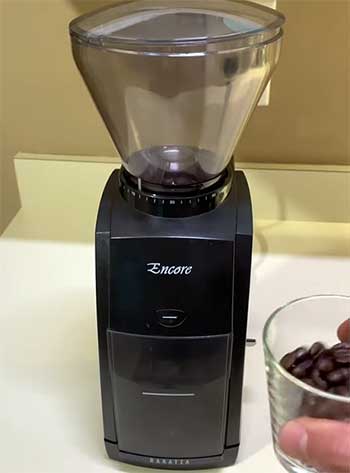
The Encore offers 40 stepped macro settings that are easy to select and lock in, providing excellent coverage for coarse to medium-fine grinds suited to pour-over, drip, and French press.
However, the steps are relatively broad at the finer end, which limits its ability to dial in consistent espresso shots—I often ended up with shots that either choked my machine or flowed too quickly because small adjustments made outsized differences.
The Opus, by contrast, combines 41+ macro settings with an inner micro-adjustment ring for effectively over 100 steps, allowing much more precise control across the full spectrum from espresso-fine to cold-brew coarse.
This made it far easier for me to achieve balanced, sweet espresso shots and cleaner pour-overs with pronounced clarity.
- Noise Level
The Encore is noticeably loud, producing a high-pitched whir similar to a small vacuum cleaner that can wake sleeping household members if used early in the morning. Over time, I’ve learned to time my grinds carefully to avoid disturbing others.
The Opus operates at a significantly lower volume thanks to its lower-RPM, high-torque motor and better insulation, resulting in a soft, subdued hum that lets me grind at any hour without issue. This single difference shifted the Opus to my default weekday grinder.
- Static and Mess
Static buildup is a persistent issue with the Encore—grounds cling to the bin, chute, and surrounding counter, requiring frequent tapping, brushing, and occasional purging when switching beans.
The Opus incorporates ion-generating anti-static technology and a magnetic catch cup, which together eliminate almost all static cling. Grounds fall cleanly and directly into the cup with minimal residue, and the spouted design pours neatly into portafilters or brew devices.
Cleanup time dropped dramatically for me, and my counter stays spotless even after multiple daily grinds.
- Build, Aesthetics, and Footprint
The Encore has a chunky, utilitarian plastic body that weighs around 7 pounds, giving it a planted, stable feel that resists tipping, though it takes up considerable counter space and looks purely functional rather than stylish.
The Opus is lighter at roughly 5 pounds, more compact, and finished in a sleek matte texture that complements modern kitchens. It’s easier to move or store when needed, though it can feel slightly less robust when bumped during busy mornings.
- Motor Performance and Grind Speed
The Encore’s DC motor with gear reduction runs cool at higher RPM to preserve delicate flavors, but it grinds relatively slowly—typically 20–25 seconds for a 20g dose.
The Opus uses a high-torque motor at lower RPM that powers through beans quickly and effortlessly, even dense light roasts, often finishing the same dose in under 15 seconds without overheating. The speed difference becomes especially noticeable when brewing for multiple people.
- Workflow and Dosing Style
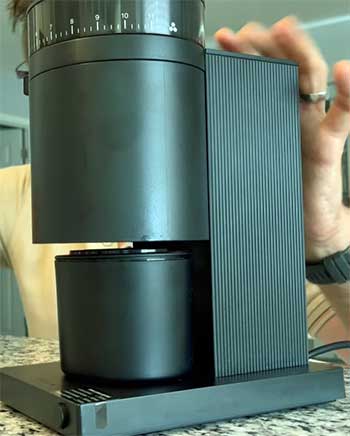
The Encore’s large 8-ounce hopper encourages filling it with beans for effortless batch brewing or multi-cup days; I simply turn the dial, flip the switch, and walk away.
The Opus’s 110g load bin with sealing lid is optimized for single-dosing, and its built-in timer allows repeatable timed doses without constant scale use.
This made the Opus ideal for frequent bean switching and experimentation without wasting grounds.
- Retention and Freshness
The Encore retains about 1–2 grams internally, which can mix old grounds into new batches and subtly affect flavor when moving between very different roasts.
The Opus’s design minimizes retention to near zero, ensuring almost every bean exits the burrs immediately. For single-origin tasting sessions, this low retention delivers noticeably fresher, truer-to-bean flavors.
- Durability and Support
Baratza’s exceptional parts availability and repairability give the Encore unmatched long-term reliability—I’ve replaced bins and small components myself over the years with inexpensive official parts, and it still runs like new.
The Opus has solid build quality and easily removable burrs for cleaning, but as a newer product, long-term durability reports are still emerging, with occasional mentions of motor strain on extremely light roasts.
- Price and Overall Value
The Encore consistently sits at a lower price point, offering extraordinary value for anyone focused primarily on filter brewing methods.
The Opus commands a moderate premium justified by its broader capabilities, quieter operation, and modern conveniences—worth the extra cost if you want one grinder that credibly handles everything from espresso to coarse brews.
Key Features of The Baratza Encore
The Encore shines through its no-nonsense design that prioritizes consistency for filter coffee. Here’s what stands out from my daily use:
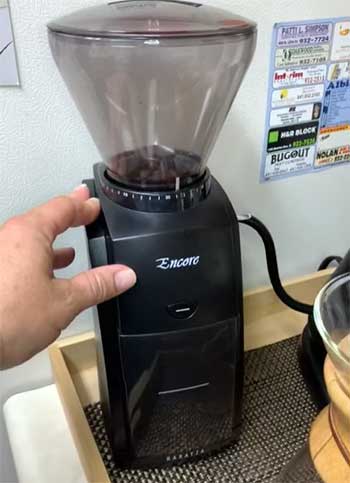
- 40mm Conical Burrs: These steel burrs crush beans evenly, producing uniform particles that extract balanced flavors in pour-overs or drip machines. I’ve noticed fewer fines clogging my filters compared to cheaper grinders.
- 40 Grind Settings: The stepped adjustment covers everything from medium-coarse for French press to medium-fine for drip. I usually hover around setting 18–22 for V60 pours, and it locks in reliably.
- DC Motor with Gear Reduction: It runs cool and steady at around 550 RPM, preventing heat buildup that could mute flavors. Grinding 20g takes about 20 seconds—slow but gentle on the beans.
- Large 8oz Hopper: Perfect for batch brewing or lazy mornings when I load it up and forget it. The clear plastic lets me see bean levels easily.
- Simple Controls: A side pulse button for manual control or front switch for continuous grinding. No timers or apps—just pure simplicity.
- Easy Burr Access: Cleaning is a breeze; I pop out the upper burr with a twist, brush it out, and I’m done in minutes.
- Durable Build: At 7 pounds, it feels planted on the counter. Baratza’s parts availability means I’ve replaced a worn bin without hassle.
These features make the Encore my reliable workhorse for consistent, flavorful filter brews without overcomplicating things.
Pros And Cons of The Baratza Encore
I’ve logged hundreds of grinds on my Encore, so I know its strengths and limitations intimately.
Pros
- Exceptional Consistency for Filter Brews: It produces uniform grounds that shine in pour-over and drip. My Chemex coffees have layered sweetness and clarity I rarely match elsewhere.
- Incredible Durability and Repairability: Baratza sells every part cheaply. I’ve fixed minor issues myself, extending its life far beyond most appliances.
- Simple, Intuitive Operation: No learning curve—the dial clicks positively, and controls are foolproof. Great for guests or groggy mornings.
- Excellent Value: At its price, it outperforms many pricier grinders for non-espresso methods.
- Cool Operation: The DC motor rarely heats beans, preserving delicate flavors in light roasts.
- Generous Hopper: Ideal for brewing multiple cups without constant refills.
Cons
- Loud Operation: It’s noticeably noisy—like a small shop vac. I avoid early grinds to not wake the house.
- Significant Static and Mess: Grounds cling everywhere without anti-static features. I tap and brush often.
- Limited Espresso Capability: Fine settings work in a pinch, but lack precision leads to choking or fast shots.
- Slower Grind Speed: Takes longer for doses, which adds up in busy routines.
- Basic Plastic Build: Functional but not premium-looking; it shows wear over time.
- Some Retention: A gram or two stays inside, requiring purging for bean switches.
Overall, the Encore excels at reliable filter grinding but shows age against newer all-purpose competitors.
Key Features of The Fellow Opus
When I upgraded to the Fellow Opus, it felt like stepping into a more modern coffee world. The design alone—matte black, compact, almost sculptural—made my kitchen look sharper. But it’s the thoughtful engineering that kept me reaching for it.
Here are the features I’ve come to appreciate most:
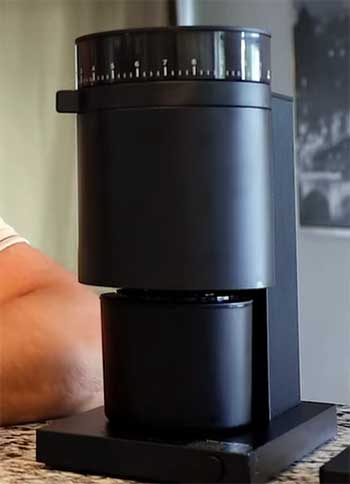
- C6-40 Burly Burrs (40mm 6-Blade Conical): The six blades create more cutting surfaces, resulting in fluffier grounds with fewer fines. I’ve pulled cleaner, sweeter shots and pours.
- Over 41 Macro Settings with Micro Adjustments: The outer ring handles coarse to medium, while the inner ring unlocks finer steps for espresso. It gives precise control once you get the hang of it.
- High-Torque, Low-RPM Motor: Around 350 RPM with serious power, it chews through dense beans quickly without stalling or overheating.
- 110g Load Bin with Lid: Designed for single-dosing, it reduces waste and keeps beans fresh. The lid prevents pops during grinding.
- Anti-Static Technology: Plasma-generated ions neutralize static, so grounds drop cleanly into the magnetic cup—minimal mess on the counter.
- Timed Auto-Dosing: Set seconds for repeatable doses. I dial in 18g for espresso in about 9–10 seconds consistently.
- Magnetic Catch Cup with Spout: Snaps on securely and pours neatly into portafilters or brewers without spills.
- Compact and Lightweight: At around 5 pounds, it’s easy to move or store, yet feels premium.
The Opus feels engineered for versatility and cleanliness, making it exciting for experimenting across brew methods.
Pros And Cons of The Fellow Opus
The Opus quickly became my go-to after arrival, though it has quirks I’ve learned to navigate.
Pros
- True All-Purpose Versatility: Handles espresso to cold brew convincingly. I’ve dialed in sweet shots and coarse French press without switching machines.
- Reduced Static and Cleaner Workflow: Anti-static and magnetic cup mean almost no mess—grounds go where intended.
- Quieter Operation: Noticeably hushed; I grind anytime without disturbance.
- Modern, Thoughtful Design: Compact footprint, sleek aesthetics, and features like timed dosing elevate the experience.
- Fluffy, Low-Fines Grounds: Better clarity and sweetness, especially in pour-overs and espresso.
- Low Retention: Minimal old grounds carryover, ideal for single-dosing and bean hopping.
- Powerful Motor: Grinds fast and effortlessly, even with tough light roasts.
Cons
- Fiddly Grind Adjustment for Espresso: Inner/outer ring system takes practice; early on, I overshot settings frequently.
- Smaller Capacity: 110g bin suits single-dosing but requires frequent refills for batches.
- Higher Price: Costs more without drastic superiority in filter-only use.
- Occasional Clumping at Fine Settings: Some roasts clump slightly despite anti-static.
- Plastic Build Feels Less Tank-Like: Lighter and more prone to tipping if bumped.
- Learning Curve for Features: Timer and adjustments require experimentation initially.
The Opus feels like a forward-thinking grinder that rewards versatility seekers.
Also Read: Is Chike Protein Coffee Worth It?
How They Perform For Pour-Over?
Pour-over is my daily ritual, so this matters most.
With the Encore, grounds are uniform and predictable. At setting 20, my V60 blooms evenly, extracting bright acidity and chocolate notes from Ethiopians. It’s forgiving and consistent day-to-day.
The Opus elevates it with fluffier grounds and fewer fines. At similar settings, cups taste cleaner with pronounced florals. Anti-static means no clinging in the chute, speeding cleanup.
For pure pour-over, the Encore edges out slightly on reliability, but the Opus adds refinement.
Baratza’s support gives the Encore an edge for longevity.
Which One Should You Choose?
It depends on your brewing habits.
If you stick to pour-over, drip, or French press and want maximum bang for buck with proven reliability, the Baratza Encore is hard to beat. It’s the grinder that got me hooked on fresh grinding.
If you crave versatility—switching between espresso experiments and filter brews—or prioritize quiet operation, low mess, and modern features, the Fellow Opus feels like an upgrade worth the extra cost.
Final Thoughts
I’ve loved my time with both. The Encore taught me coffee fundamentals with unwavering consistency. The Opus pushed me to experiment more, delivering cleaner results across methods.
You know your routine best—whether you value straightforward dependability or sleek all-purpose performance. Whichever you pick, fresh grinding will transform your cups. Here’s to many delicious mornings ahead.