
I’ve spent years tweaking my daily routine to hit higher protein goals without loading up on carbs or calories, especially during busy workdays and post-workout recovery.
After going through dozens of bottles from both lines, I put together this full breakdown of Atkins versus Premier Protein shakes based on real use in my life.
My goal here is simple: help you see exactly how they stack up so you can pick the one that fits your mornings, gym sessions, or meal replacements without guesswork.
| Feature | Atkins Strong Shake | Premier Protein Shake |
| Serving Size | 11 oz (325 mL) | 11.5 oz |
| Calories | 190 | 160 |
| Protein | 30g | 30g |
| Total Fat | 5g | 3g |
| Total Carbs | 9g | 5g |
| Dietary Fiber | 7g | 3g |
| Net Carbs | 2g | 2g |
| Sugars | 1g | 1g |
| Key Protein Source | Milk protein isolate | Milk protein concentrate + caseinate |
| Sweeteners | Sucralose | Sucralose + acesulfame potassium |
| Vitamins & Minerals | 10+ (including high calcium) | 24 (broad spectrum) |
| Standout Benefit | Prebiotic fiber for fullness | Creamy texture and flavor variety |
| Approx. Price per Shake | $2.00–$2.50 | $1.80–$2.30 |
When I compare the two side by side like this, the numbers tell part of the story, but the real differences show up once you start drinking them every day.
Key Differences Between Atkins And Premier Protein Shakes

- Fiber content and how it affects fullness: Atkins packs 7 grams of prebiotic fiber while Premier sits at 3 grams. I found the extra fiber in Atkins kept hunger away for nearly four hours during long meetings, whereas Premier left me reaching for a snack sooner on the same schedule.
- Calorie density and weight management impact: Premier wins on lower calories per shake, which helped me during aggressive fat-loss phases. Atkins edges higher at 190, but that extra comes from healthy fats that I actually appreciated for sustained energy on active weekends.
- Protein source quality and digestion speed: Milk protein isolate in Atkins feels cleaner and digests more gradually for me. Premier’s concentrate and caseinate mix gives a faster hit that I prefer right after workouts when I want quick recovery.
- Flavor variety and everyday enjoyment: Premier offers way more exciting options that I never tire of. Atkins sticks to solid classics like milk chocolate, but after a few weeks the limited lineup made me switch back to Premier for mental variety.
- Vitamin coverage and overall nutrition completeness: Premier loads up with 24 vitamins and minerals, covering gaps I didn’t even know I had. Atkins focuses on key ones like calcium and B vitamins but doesn’t go as broad, which showed up in my bloodwork after months of exclusive use.
- Net carb consistency across flavors: Both stay very low, yet Atkins consistently hits exactly 2 grams net no matter the flavor. Premier can creep slightly higher in some fruit varieties, so I double-check labels if I’m in a super strict phase.
- Texture and mouthfeel during consumption: Atkins feels thicker thanks to the fiber and oils, almost like a light meal. Premier stays creamier and lighter, which I reach for when I want something that goes down fast without heaviness.
- Price per serving in bulk buys: Premier usually costs less when I stock up at big retailers. Atkins runs a bit higher but the fiber payoff makes the difference worth it for me on certain weeks.
Also Read: Differences Between Nurri And Fairlife Protein Shakes.
Key Features of Atkins Protein Shakes
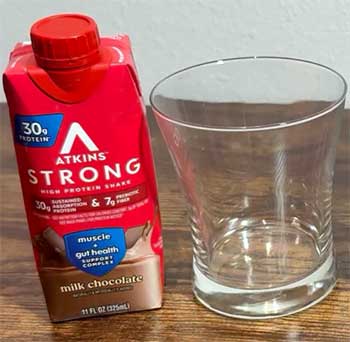
- Sustained absorption protein blend: I noticed right away that the milk protein isolate in these shakes releases energy steadily instead of a quick spike and crash. On long workdays when I skip lunch, one bottle keeps my focus sharp for hours because the protein digests slower, which I love for steady muscle support without feeling jittery.
- Generous prebiotic fiber punch: With 7 grams of prebiotic soluble corn fiber, these shakes act like a gentle digestive helper. I used to struggle with afternoon bloating on other drinks, but Atkins version smooths that out and leaves me feeling satisfied longer, almost like I ate a small meal rather than just gulped something down.
- Ultra-low net carb formula: Only 2 grams of net carbs means I can stay in my low-carb zone even on strict weeks. I track every gram, and this consistency lets me enjoy the chocolate flavor without derailing my numbers or energy levels.
- Built-in vitamins for daily support: The added calcium, vitamin D, and B vitamins feel like a mini multivitamin bonus. During winter months when sunlight is scarce, I count on that extra boost to keep my bones and immunity in check while hitting protein targets.
- Keto-friendly design from the ground up: The formula lines up perfectly with ketogenic eating plans, which I tested during a month-long cut. No hidden sugars or fillers sneak in, so my ketone levels stayed stable and I avoided the usual afternoon fog.
- Smooth mixing with added fats for creaminess: The vegetable oil blend creates a richer mouthfeel than watery alternatives. I sometimes blend it with ice for a thicker shake, and it holds up without separating, making it a reliable grab-and-go option.
Pros of Choosing Atkins Protein Shakes
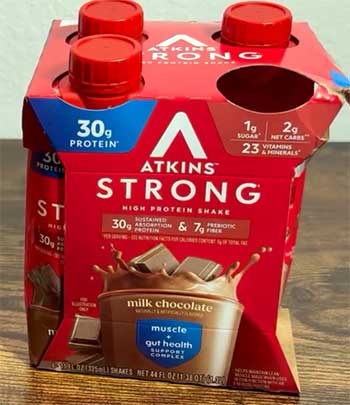
- Superior satiety that lasts all day: The combination of fiber and fats keeps me full longer than most options I’ve tried. During 12-hour shifts, one shake at 10 a.m. carried me straight through lunch without the usual cravings.
- Excellent support for low-carb lifestyles: Staying under 2 net carbs lets me maintain ketosis without stress. I tracked my macros religiously and never had to adjust my daily totals when these were in rotation.
- Digestive comfort from prebiotic fiber: My gut felt noticeably better after switching to Atkins for a month. Less bloating and more regular movements made the whole experience feel healthier overall.
- Muscle maintenance during calorie deficits: The sustained protein release helped preserve lean mass when I cut calories. My strength numbers in the gym stayed steady instead of dropping like they had with faster-digesting options.
- Keto program alignment without extra planning: Everything from the label to the taste fits seamlessly into my keto weeks. No surprises meant I could focus on workouts instead of label math.
- Higher calcium contribution per bottle: The 60% daily value helps me hit bone-health goals without extra supplements. I noticed stronger nails and better recovery after adding these consistently.
Cons of Choosing Atkins Protein Shakes
- Slightly higher calorie count: That extra 30 calories adds up over a week if I drink two daily. During tight cutting phases it forced me to tweak other meals more than I wanted.
- Fewer flavor choices overall: After rotating through the main options a few times, boredom set in faster. I missed the excitement of trying new tastes every month.
- Thicker texture that some find heavy: The fiber makes it creamier, but on hot days it felt almost too filling right after a run when I wanted something lighter.
- Higher price in some stores: When I couldn’t find sales, the cost per bottle crept up compared to competitors. That made monthly budgets tighter than expected.
- Limited availability in certain regions: Smaller grocery stores sometimes stock only the basic 15-gram versions, forcing me to hunt online or settle for less protein.
Key Features of Premier Protein Shakes
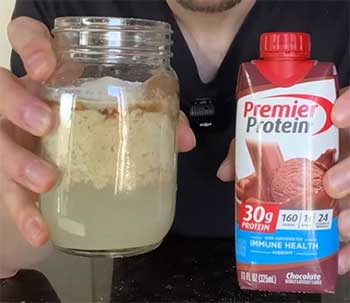
- High-density protein in fewer calories: At just 160 calories for the full 30 grams, I get more bang for my calorie budget. This mattered hugely during my calorie-controlled phases when every number counted, letting me save room for real food later.
- Broad vitamin and mineral fortification: The 24 vitamins and minerals cover a ton of bases in one bottle. I stopped needing a separate multi on busy travel days because these shakes already delivered the daily percentages I needed for energy and recovery.
- Wide range of crave-worthy flavors: From chocolate peanut butter to cinnamon roll, the options never get old. I rotate through them weekly, and the variety keeps me motivated instead of dreading the same taste every morning.
- Ready-to-drink convenience at its best: The bottles fit perfectly in my gym bag or car cupholder. No shaker cup required means I never skip a serving even on chaotic commute days.
- Low-sugar profile that tastes indulgent: Only 1 gram of sugar yet it feels like a treat. I pair it with my coffee some mornings, and the sweetness level hits just right without any aftertaste that lingers.
- Muscle-friendly amino acid profile: The blend supports post-workout repair really well. After heavy lifting sessions, I noticed less soreness when I downed one within thirty minutes, which kept me consistent in the gym.
Also Read: Differences Between Fairlife Protein And Core Power Shakes.
Pros of Choosing Premier Protein Shakes
- Outstanding taste that feels like a treat: The chocolate flavor genuinely satisfies my sweet tooth without guilt. I look forward to it every afternoon, which keeps my adherence high.
- Lower calorie footprint for daily use: Saving 30 calories per shake adds up to meaningful weekly deficits. I used the extra room to add more veggies without feeling deprived.
- Massive vitamin boost in every bottle: Covering 24 essentials means I skip the pill organizer on travel days. My energy levels stayed even and I rarely felt run down.
- Wide flavor selection that prevents burnout: With dozens of options I never get bored. Switching to caramel one week and cookies & cream the next keeps things fun and sustainable.
- Budget-friendly for high-volume users: Bulk packs at major retailers drop the price low enough that I can drink one daily without stretching finances.
- Quick absorption for post-workout windows: The protein blend hits my system fast after lifting, helping me rebuild faster and get back to my day.
Cons of Choosing Premier Protein Shakes
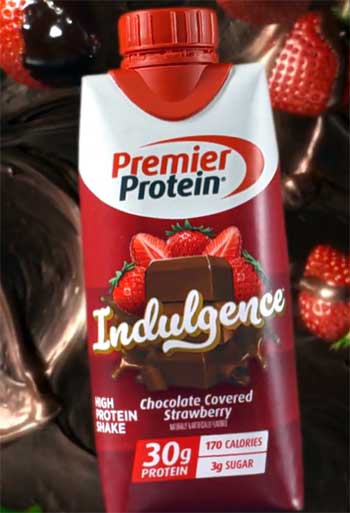
- Lower fiber means shorter satiety: I sometimes felt hungry again within two hours, requiring a small snack that defeated the grab-and-go purpose on busy mornings.
- Concerns around certain additives: The carrageenan and artificial sweeteners bothered my stomach on days when I drank two back-to-back. I had to space them out more than planned.
- Slightly less clean ingredient list: The phosphates and gums make the label longer than I prefer. When I want something closer to whole foods, this pushes me toward other choices.
- Potential for mild bloating in sensitive users: A few friends reported the same after regular use. I noticed it occasionally too, especially if I shook it too vigorously.
- Net carb variability in some flavors: Fruit-based ones can edge higher, which forced extra label checks when I stayed strict.
I remember one particular month when I alternated weeks between the two lines. Atkins weeks felt more stable for energy and digestion, but Premier weeks kept me happier with taste and convenience.
The analytical side of me tracked weight, energy logs, and even sleep quality, and both performed well—just in different ways. If your priority is maximum fullness and fiber, Atkins edges ahead.
If taste and vitamin coverage matter more, Premier pulls forward. I still keep both in my fridge and pick based on the day’s demands.
When it comes down to which one you should grab, think about your routine. Busy parents or office workers who need something that tastes great and travels well usually lean toward Premier.
People deep into low-carb or keto plans who value staying full longer often prefer Atkins. I encourage you to try a four-pack of each and keep notes on how your body responds after a week. Your goals, taste buds, and wallet will point you in the right direction.
Also Read: Differences Between Ensure Max Protein And Premier Protein Shakes.
Frequently Asked Questions (FAQ)
It depends on your needs. Premier often wins for taste and calorie efficiency, while Atkins shines with extra fiber and satiety.
Premier Protein shakes stand out for most diabetic users because of the steady 30 grams of protein and minimal blood sugar impact from just 1 gram of sugar.
Headaches, fatigue, constipation, bad breath, and potential nutrient gaps during the early restrictive phase.
The main downsides include artificial additives like carrageenan and lower fiber content that may reduce how long you stay full.
Final Thoughts
After testing both extensively, I can confidently say neither is universally superior—they each bring unique strengths to the table. You now have the details to decide what works best for your lifestyle, so go ahead and pick up a pack that matches your goals.
I’d love to hear which one you end up choosing and how it fits into your routine.