
As someone who has spent years maintaining a couple of acres and helping friends pick the right mower, I often get asked about Ariens zero-turn options. The Edge and Ikon sit in the residential lineup, but they target different users.
My intent here is to give you a clear, honest breakdown of both so you can decide which one makes sense for your yard, your budget, and how much time you want to spend mowing. I’ll cover features, performance, build quality, and real-world use to help you choose confidently.
| Feature | Ariens Edge | Ariens Ikon |
| Deck Sizes | 34″, 42″, 52″ | 42″, 48″, 52″, 60″ |
| Engine Options | Briggs & Stratton (19-20 HP) or Kawasaki (21.5 HP) | Kawasaki FR Series (21.5-23 HP) |
| Deck Construction | Stamped (34″) or 11-gauge fabricated (42″/52″) | 11-gauge fabricated, 4.5″ deep with optimized airflow |
| Frame | Standard tubular | Fully welded one-piece tubular |
| Transmission | Hydro-Gear EZT (integrated) | Higher-grade Hydro-Gear (often ZT-2800 series) |
| Fuel Capacity | 2 gallons | 3.5 gallons |
| Seat | 16″ high-back | Plush high-back with armrests and taller base |
| Cutting Height Adjustment | Foot-operated, 7 positions | Dial-operated or foot-assisted |
| Additional Comfort | Basic grips, wide rear tires | Molded vibration-absorbing grips, optional LED lights |
| Approximate Price Range | $3,000 – $3,600 | $3,800 – $4,700 |
| Typical Warranty | 3 years / 300 hours | 3-4 years / up to 500 hours on higher models |
Key Differences Between the Ariens Edge And Ikon
When I’ve lined these two up side by side—at dealers, in my garage, or just poring over specs—the differences become really clear.
The Edge is built as an affordable entry into zero-turn mowing, while the Ikon steps up with refinements that make a noticeable impact on durability, comfort, and performance over time. Here’s a deeper breakdown of what sets them apart.
- Frame Construction and Overall Build Quality
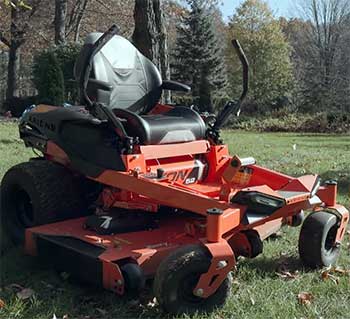
The frame is where the Ikon really pulls ahead.
It uses a fully welded, one-piece tubular steel frame that’s designed to handle more stress and vibration without flexing or fatiguing as quickly.
I’ve felt the difference on uneven ground—the Ikon stays rigid and planted.
The Edge, on the other hand, has a solid but more basic tubular frame that’s bolted in places rather than fully welded.
It’s plenty strong for typical homeowner use, but if you’re mowing rougher terrain or putting in longer hours season after season, the Edge might show wear sooner in high-stress areas like the deck mounts or lap bar supports.
- Deck Construction and Cut Quality
Deck design is a huge differentiator. The Ikon comes standard with a fully fabricated 10- or 11-gauge steel deck that’s 4.5 to 5 inches deep, with reinforced spindles, better baffling, and optimized airflow for superior clipping discharge and mulching.
This translates to a cleaner, more even cut, especially in taller or wet grass where the deck doesn’t clog as easily. The Edge mixes it up: the 34-inch model uses a stamped deck (lighter but more prone to dents from rocks or roots), while the 42- and 52-inch versions step up to fabricated.
Still, the Edge’s deck isn’t as deep or refined, so you might notice more clumping or unevenness in challenging conditions compared to the Ikon’s consistent stripe-worthy results.
- Engine Options and Power Delivery
Engines tell a similar story. Every Ikon runs a Kawasaki FR Series V-twin—reliable, smooth, torque-heavy engines that start easily and handle hills or thick grass without bogging down. I’ve always preferred Kawasaki for their longevity and quieter operation.
The Edge gives you choices: Briggs & Stratton on the lower-end models (solid but with a bit more vibration and potentially shorter lifespan under heavy use) and Kawasaki only on the top 52-inch variant.
If you’re sticking to flat, light-duty mowing, the Briggs on an Edge won’t let you down, but the Ikon’s all-Kawasaki lineup gives you that premium feel and peace of mind right across the board.
- Transmission and Hydrostatic Drive
Both use Hydro-Gear units, but the grades differ significantly. The Edge typically equips the EZT integrated transaxles—reliable for residential speeds and lighter loads but not serviceable (meaning replacement if they fail).
The Ikon steps up to higher-spec ZT-2800 or similar serviceable units that handle heat better, provide smoother power delivery, and hold up longer under extended use or on slopes. I’ve pushed both on inclines, and the Ikon feels more responsive and confident, with less chance of overheating during long summer sessions.
- Operator Comfort and Ergonomics
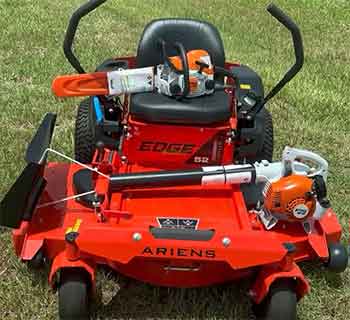
This is where the Ikon spoils you.
It features a plush, high-back seat with padded armrests, better isolation mounts to reduce vibration, and rubber iso-mounted grips that make hours on the mower far less tiring.
The taller seat base and adjustable positioning help taller or larger operators find a perfect fit.
The Edge has a decent 16-18 inch high-back seat, but it’s basic—no armrests standard, less padding, and more direct vibration transfer.
After mowing an acre or more, you’ll feel the difference in your back and hands; the Edge works fine for shorter jobs, but the Ikon turns mowing into something you don’t dread on hot afternoons.
- Fuel Capacity and Runtime
Simple but practical: the Ikon holds 3.5 gallons or more (depending on model), letting you mow longer without stopping. The Edge sticks to a 2-gallon tank across the lineup.
On a two-acre yard, that means the Edge might need a mid-mow refill, interrupting your flow, while the Ikon keeps going. It’s not a deal-breaker for smaller properties, but it adds up over a season.
- Deck Size Options and Yard Suitability
The Edge offers compact 34-, 42-, and 52-inch decks, making it ideal for gated yards, tight landscaping, or properties under an acre where maneuverability trumps raw coverage. The 34-inch can squeeze through standard gates effortlessly.
The Ikon starts at 42 inches and goes up to 60, better suited for open medium-to-large lawns where you want to cover ground faster. If your yard has lots of obstacles, the smaller Edge edges out (pun intended); for wider spaces, the Ikon’s larger decks save serious time.
- Deck Height Adjustment and Ease of Use
Both have foot-assisted lifts, but the Ikon often includes a dial-select system for precise, repeatable height settings without guessing. The Edge uses a reliable foot pedal with pinned positions—quick but less refined.
Over time, the Ikon’s system feels more premium and consistent, especially if you’re switching heights frequently for different grass types or seasons.
- Tires, Traction, and Ride Quality
Larger, wider rear tires on the Ikon provide better flotation, traction on hills, and a smoother ride over bumps. The Edge has solid tires too, but they’re generally smaller and less aggressive. On damp or sloped ground, the Ikon inspires more confidence and leaves fewer ruts.
- Warranty and Long-Term Support
Ariens backs the Ikon with stronger warranties—often 3-4 years or more hours on key components—reflecting its heavier-duty build. The Edge typically gets a 3-year/300-hour warranty. That extra coverage on the Ikon speaks volumes about expected longevity.
- Price and Value Equation
Finally, cost: the Edge starts lower, often $500–$1,500 less than a comparable Ikon, making it the clear choice if budget is tight and your needs are modest.
The Ikon commands a premium for all those upgrades, but many owners (myself included) find it justifies the jump if you mow regularly or want something that feels closer to commercial grade without the commercial price tag.
Key Features of The Ariens Edge
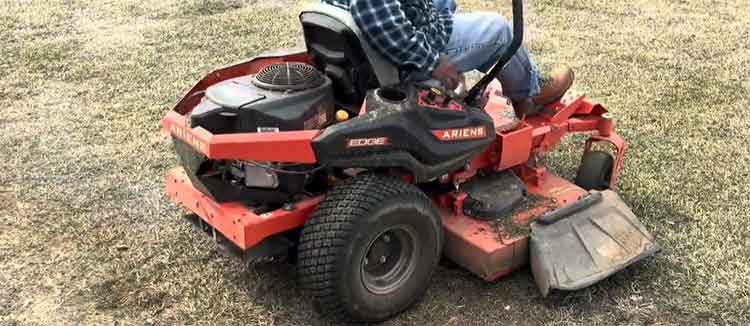
- Compact deck options: The 34-inch model slips through standard gates easily, perfect for fenced yards. The 42- and 52-inch versions handle open areas faster.
- Engine choices: Briggs & Stratton twins deliver reliable power for most home tasks, while the Kawasaki on the 52-inch model feels smoother and lasts longer under load.
- Deck lift system: Foot-operated adjustment makes changing heights quick without leaving the seat.
- Traction and stability: Wide rear tires grip well on slopes and provide a smooth ride over bumps.
- Simple controls: Intuitive lap bars and straightforward dashboard suit first-time zero-turn users.
In practice, the Edge cuts mowing time dramatically compared to a tractor. The smaller frame turns tightly around obstacles, and the fabricated decks on larger models hold up better than expected for the price.
Pros of the Ariens Edge
- Affordability stands out: You get true zero-turn performance for under $4,000, making it accessible for budget-conscious buyers.
- Maneuverability excels in tight spaces: The 34- and 42-inch decks navigate narrow gates and landscaping effortlessly.
- Easy to operate for beginners: Light controls and responsive steering build confidence quickly.
- Decent power for residential use: Engines handle thick grass well, and mulching kits work effectively.
- Compact storage: Smaller footprint fits in standard garages or sheds.
- Solid value over time: Many owners report years of reliable service with basic maintenance.
I appreciate how the Edge makes lawn care less of a chore. For flat or gently sloping yards under an acre, it performs admirably without excess features that drive up cost.
Cons of the Ariens Edge
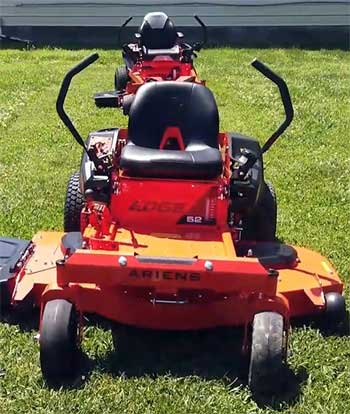
- Basic seat comfort: The high-back seat lacks padding and armrests, causing fatigue on longer sessions.
- Smaller fuel tank: Two gallons means more frequent refills on bigger lots.
- Transmission limitations: The EZT units aren’t serviceable, so heavy use may lead to earlier replacement.
- Stamped deck on smaller models: Less durable than fabricated ones, potentially denting on rough terrain.
- Vibration feels noticeable: Basic grips transmit more engine buzz on extended runs.
- Limited extras: No standard lights or advanced adjustments.
These drawbacks show mostly on larger properties or demanding conditions.
For light-duty home use, they rarely become deal-breakers.
Also Read: Comparison of Cub Cadet SC900 And Honda Lawn Mowers.
Exploring The Ariens Ikon
The Ikon steps up as a premium residential zero-turn, built for larger yards and users wanting more comfort and longevity. I’ve mowed with a 52-inch Ikon on a two-acre property, and the difference in refinement is clear.
Key Features of the Ariens Ikon
- Fully fabricated deck: 11-gauge steel with 4.5-inch depth improves airflow and cut quality, including anti-scalp wheels.
- All-Kawasaki engines: FR Series twins (21.5-23 HP) deliver torque and reliability.
- Stronger frame: One-piece welded tubular design handles tough terrain better.
- Comfort upgrades: Plush seat with armrests, taller base, and vibration-dampening grips.
- Larger fuel capacity: 3.5 gallons supports longer sessions.
- Dial or assisted deck lift: Precise, easy height changes.
- Bigger tire options: Improved traction and smoother rides.
The Ikon feels built to last, with commercial-inspired elements that shine on uneven ground or thick grass.
Pros of the Ariens Ikon
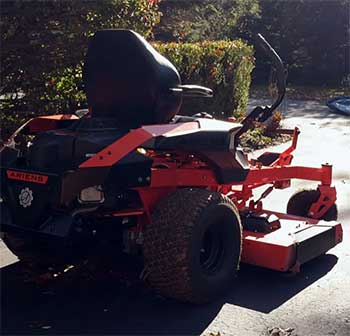
- Superior build quality: Welded frame and fabricated deck resist wear better.
- Comfort leads the class: Padded seat and armrests make long mows enjoyable.
- Powerful and efficient engines: Kawasaki power tackles hills and dense grass effortlessly.
- Better cut consistency: Deeper deck and airflow produce cleaner results, even in tall or wet conditions.
- Larger capacity: Bigger tank and deck options reduce stops and passes.
- Smoother overall ride: Upgraded components minimize vibration and fatigue.
- Stronger resale value: Durability appeals to future buyers.
The Ikon earns the extra cost if you mow frequently or have a demanding yard. It feels like a step toward commercial-grade without the price jump.
Cons of the Ariens Ikon
- Higher price point: Several hundred to over a thousand more than comparable Edge models.
- Larger footprint: 60-inch options require more storage space.
- Overkill for small yards: Extra power and size can feel unnecessary on compact lots.
- Slightly heavier: More weight affects transport and steep slopes.
- Fewer budget engine options: All-Kawasaki lineup increases upfront cost.
- Potential overconfidence in rough use: Solid build tempts pushing limits, raising maintenance needs.
For small, flat lawns mowed occasionally, the Ikon might exceed needs.
Also Read: Comparison of Honda HRN And HRX Lawn Mowers.
Frequently Asked Questions (FAQ)
Gravely and Exmark top reliability ratings, with strong scores for John Deere and Ferris in residential use.
Yes, both come from AriensCo, sharing components but differing in features and warranties.
It depends—Husqvarna excels in some entry models, but Ariens often wins on deck quality and Kawasaki engines in mid-range.
Commercial-oriented models from Scag, Exmark, or Ferris report the fewest issues with proper care.
Final Thoughts
After comparing both side by side over seasons, I see the Edge as a smart starter for smaller yards on a budget—you’ll enjoy the speed without regret. But if your property pushes an acre or more, or you want to mow longer comfortably, the Ikon is worth the investment.
You’ll appreciate the sturdier build and refinements every time you fire it up. Whichever you choose, proper maintenance keeps either running strong. What’s your yard like? That will point you to the right one.