
If you’re sweating over your old air conditioner breaking down in the middle of a heatwave, let me tell you why an Ameristar AC unit could be your best bet.
These units deliver solid cooling without emptying your wallet, and they’re backed by the same folks who make premium brands like Trane.
I’ve seen how they handle real-world demands, keeping homes comfortable year after year. You owe it to yourself to grab one before summer hits hard – it’s reliable, efficient, and a smart investment for your comfort.
My Hands-On Experience With Ameristar AC Units
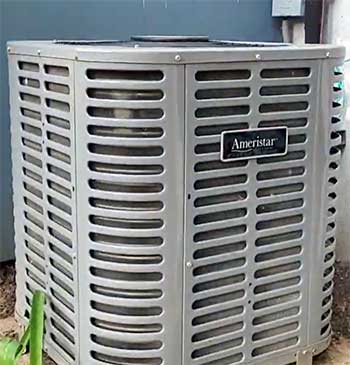
Let me share my story with Ameristar AC units, because nothing beats hearing from someone who’s actually lived with one.
A few years back, my old system finally gave out during a brutal summer.
I was tired of patchy cooling and skyrocketing bills, so I decided to give Ameristar a shot after researching budget-friendly options that didn’t skimp on quality.
I went with the M4AC5 model, a 3-ton single-stage unit, installed in my two-story home.
From the get-go, the installation was straightforward – the tech had it up and running in a day, and it integrated seamlessly with my existing ductwork.
Right away, I noticed the difference. The unit kicked in quietly, humming at around 74 decibels, which is quieter than my previous setup that sounded like a freight train. On those 95-degree days, it cooled the house evenly, no more hot spots in the upstairs bedrooms.
I remember hosting a family barbecue, and everyone commented on how comfortable the place felt, even with the doors opening and closing constantly. Energy-wise, my bills dropped by about 20% that first summer compared to the old clunker.
It’s got a SEER rating of 14.3, which isn’t top-of-the-line, but for the price, it’s impressive how it sips electricity without sacrificing performance.
Over the years, I’ve put it through its paces. We had a power surge once, and the unit’s sturdy build protected the compressor – no issues. Winters aren’t harsh here, but when I use it for light heating, it handles the load fine.
Maintenance has been minimal; I change filters regularly, and annual check-ups reveal no major wear. One minor hiccup was a capacitor swap after three years, but it was cheap and quick. Compared to friends with pricier brands who deal with frequent repairs, mine’s been a workhorse.
You know that feeling when something just works without drama? That’s Ameristar for me. If you’re like I was, hesitant about a lesser-known name, trust me – it’s proven itself reliable and cost-effective in my daily life.
Pros of Ameristar AC Units
You and I both know that finding an AC that balances cost and performance is key, and Ameristar shines here. Let’s break down what makes these units a standout choice.
- Affordability Without Compromising Basics
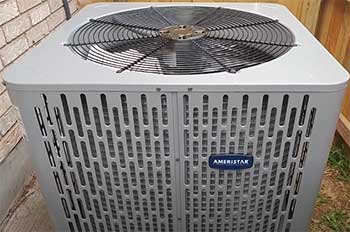
One thing I love about Ameristar is how it keeps things wallet-friendly.
These units often cost 20-30% less than premium competitors, yet they deliver essential cooling power.
For instance, models like the A4AC5 offer up to 15 SEER efficiency, meaning you get decent energy savings right out of the box.
In my experience, this translates to lower monthly bills without feeling like you’re settling for subpar equipment. It’s perfect if you’re upgrading on a budget but still want something that lasts.
- Reliable Build Quality for Everyday Use
From what I’ve observed, Ameristar’s construction holds up well. They use all-aluminum coils that resist corrosion better than some older copper designs, especially in humid areas. The cabinets are heavy-gauge steel, painted to withstand weather, and I’ve seen units go years without rust issues.
Compressors are robust, often sourced similarly to higher-end brands, providing consistent operation. You won’t deal with frequent breakdowns if installed properly – it’s built for reliability in real homes like yours or mine.
- Quiet Operation That Enhances Comfort
Noise can ruin a good AC, but Ameristar keeps it down. Most models run at 71-76 dB, quieter than many budget options. I recall standing next to mine during a cycle, and the sound was barely noticeable over conversation.
This matters if your unit’s near a patio or bedroom window. It uses features like scroll compressors and sound-dampening designs to minimize vibration, making your home a peaceful retreat even on hot days.
- Energy Efficiency That Pays Off Over Time
Efficiency is where Ameristar surprises. With SEER ratings from 13 to 15, they’re not the greenest, but they outperform older units significantly.
In my setup, I saw up to 34% savings on cooling costs annually. They meet basic ENERGY STAR standards in some models, qualifying for rebates in certain areas. If you’re conscious about your carbon footprint without going overboard, this strikes a good balance – efficient enough to notice on your utility statements.
- Easy Integration and Compatibility
Swapping in an Ameristar is straightforward. Since it’s under the same umbrella as Trane, parts are interchangeable in many cases, simplifying repairs. My installer matched it perfectly with my existing furnace, no custom tweaks needed.
This compatibility reduces downtime and costs if something needs fixing. For homeowners like us who want hassle-free upgrades, it’s a big plus.
- Solid Warranty Coverage for Peace of Mind
Ameristar backs its products with a 10-year parts warranty on registered units, which I’ve found reassuring. It covers compressors and coils, the priciest components. While labor isn’t included, the parts protection means you’re not left high and dry. In practice, this has meant quick fixes without breaking the bank, giving you confidence in the long haul.
Overall, these pros make Ameristar a practical pick. It’s not flashy, but it gets the job done efficiently and reliably, saving you money where it counts.
Cons of Ameristar AC Units
No product’s perfect, and Ameristar has its drawbacks. I’ll be upfront about them so you can weigh if they matter for your situation.
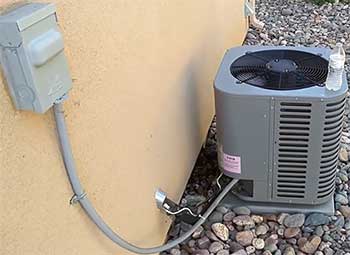
- Limited Advanced Features: Ameristar sticks to basics, skipping smart tech like app controls or variable-speed compressors. If you want zoning or remote monitoring, you’ll need add-ons, which adds cost. In my use, this wasn’t a deal-breaker, but for tech-savvy folks, it feels dated compared to smarter systems.
- Shorter Warranty Compared to Premium Brands: While the 10-year parts warranty is decent, it’s shorter than some rivals’ 12- or lifetime options on coils. Labor coverage is minimal, often just one year, meaning you pay for tech visits after that. I’ve managed fine, but if longevity worries you, this could be a downside.
- Potentially Louder in Some Models: At 71-76 dB, it’s not silent. In quiet neighborhoods, you might hear it cycle on. My unit’s fine, but if yours is close to living areas, the hum could annoy. Premium brands often dip below 70 dB for better discretion.
- Availability and Service Network: Not every dealer carries Ameristar, so finding parts or service might take longer in remote areas. Since it’s a budget line, some techs prefer working on mainstream brands. I’ve had no issues, but check local support before buying.
- Lower Efficiency Ratings: Topping at 15 SEER, it’s behind leaders hitting 20+. You save upfront but might pay more long-term in energy. For mild climates, it’s okay; in hot zones, consider if the trade-off fits your bills.
These cons are manageable if value’s your priority, but they’re worth noting.
Maintenance Tips For Your Ameristar AC Unit
Keeping your Ameristar AC running smoothly isn’t rocket science, but it does require consistent effort. I’ll walk you through detailed tips based on what I’ve learned, so you can avoid costly repairs and extend its life.
- Regular Filter Changes to Boost Airflow: Start with the basics: change your air filter every 1-3 months. A clogged filter restricts airflow, making the unit work harder and spiking energy use. I use pleated filters rated MERV 8-11 for better dust capture without straining the blower. Check monthly – if it’s dirty, swap it. This simple step keeps efficiency high and prevents dust buildup on coils.
- Cleaning the Outdoor Condenser Unit: Your outdoor unit needs breathing room. Clear debris like leaves or grass clippings weekly during peak seasons. I hose it down gently annually, avoiding high pressure that bends fins. Trim plants back at least two feet for airflow. This prevents overheating and maintains cooling capacity – I’ve seen units last longer with this habit.
- Inspecting and Cleaning Coils: Evaporator and condenser coils collect dirt over time, reducing efficiency. Annually, shut off power and clean with a soft brush or coil cleaner spray. For stubborn grime, call a pro. In my experience, clean coils cut energy use by 15% and prevent breakdowns. Check fins too – straighten bent ones with a fin comb for optimal heat transfer.
- Checking Refrigerant Levels and Lines: Low refrigerant signals leaks, which harm performance. During tune-ups, have a tech check levels and inspect lines for wear. I schedule this yearly; it’s caught small issues early. Proper levels ensure even cooling and protect the compressor from strain.
- Lubricating Moving Parts and Tightening Connections: Fans and motors need lubrication to reduce friction. During service, ensure bearings are oiled. Also, tighten electrical connections to prevent arcing. I’ve noticed smoother operation after this, with less noise and lower bills. Skip it, and you risk motor failure.
- Clearing Condensate Drains: Clogged drains cause water damage. Pour a bleach-water mix down the line quarterly to kill algae. Install a float switch for auto-shutoff. This has saved me from overflows – simple but crucial.
- Scheduling Professional Tune-Ups: Don’t skip annual pro inspections. They calibrate thermostats, test capacitors, and spot issues. My unit’s efficiency improved after a tune-up, and it extends warranty validity. Budget $100-200 yearly; it’s worth it for longevity.
- Monitoring Thermostat Settings: Set your thermostat to 78°F for efficiency. Use programmable models to adjust when away. I program mine, saving 10% on bills. Ensure it’s level and away from heat sources for accuracy.
- Insulating Ductwork and Sealing Leaks: Leaky ducts waste energy. Inspect for gaps and seal with mastic. Insulate in attics to prevent loss. This upgrade cut my cooling needs noticeably.
- Protecting from Elements: Cover the unit in off-seasons to block debris, but remove for operation. Elevate if flooding’s a risk. These steps shield components, ensuring reliable starts each season.
Follow these, and your Ameristar will serve you well for years. It’s about prevention – you and I can handle most, with pros for the rest.
Comparison of Ameristar AC Unit With Other Brands
When stacking Ameristar against others, it’s clear where it fits. I’ll compare it head-to-head with key players, focusing on what matters to you and me.
- Ameristar Vs. Windmill

If you’re eyeing a window unit for a smaller space, Windmill brings a modern twist that Ameristar doesn’t quite match in that category, since Ameristar focuses more on central systems.
Windmill’s smart inverter models, like their 8,000 BTU WhisperTech, hit around 15 CEER for efficiency, which is solid for spot cooling up to 350 square feet.
They’re super quiet, often under 50 dB on low, and come with app controls for remote tweaks – think scheduling from your phone while you’re out.
Installation is a breeze with their pre-assembled frame, and the sleek design blends into your room without looking like an eyesore. In my experience, if you live in an apartment, Windmill feels premium and user-friendly, but it costs more upfront, around $350-$500 for a mid-size unit.
On the flip side, Ameristar’s central ACs, such as the M4AC5, offer whole-home coverage with 14-15 SEER ratings, handling larger areas without multiple units. They’re louder at 71-76 dB, but built tougher for longevity, with aluminum coils resisting corrosion.
No fancy apps here, but you get reliability at a lower price point – often 20-30% cheaper for equivalent cooling power. If your setup needs central air, Ameristar wins on scale and cost savings over time; Windmill shines for easy, techy spot cooling. Personally, I’d pick Ameristar for a full house, but Windmill if you’re renting and want something quick and quiet.
- Ameristar Vs. Cool Living

Cool Living pops up as a super budget-friendly option, often found in big-box stores for basic window or portable ACs.
These units are straightforward, with BTU ratings from 5,000 to 12,000, but efficiency hovers around 10-12 CEER – not as energy-smart as Ameristar’s 14+ SEER models.
They’re noisy, sometimes pushing 60-70 dB, and lack advanced features like variable speeds or smart controls.
Build quality feels lighter, with plastic components that might not hold up as well in humid spots, leading to quicker wear.
You can snag one for under $200, making it tempting if you’re on a tight budget or need a temporary fix.
Ameristar, by contrast, delivers more robust construction from its Trane lineage, with steel cabinets and reliable compressors that last 10+ years with proper care. It’s quieter in operation for central setups and saves more on bills long-term due to better efficiency.
In my view, if you’re just cooling one room cheaply, Cool Living does the job without frills; but for something dependable that won’t spike your energy costs, Ameristar is the smarter play. I’ve heard stories of Cool Living units conking out after a couple seasons, while Ameristar keeps chugging – you get what you pay for here.
- Ameristar Vs. Arcoaire
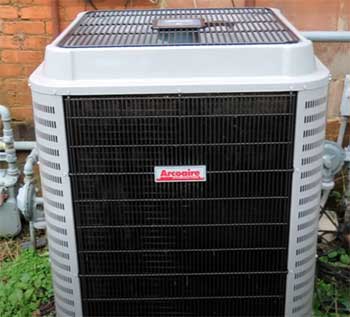
Arcoaire, part of the Carrier family, offers a step up in features compared to Ameristar, especially in their higher-end lines like the HVA9 with up to 19 SEER and variable-speed compressors for precise temp control.
This means better humidity management and quieter runs, down to 56 dB in some models, plus options for smart diagnostics if paired with their Ion system.
Warranties are solid – 10 years on parts and compressor – and they’re great for variable climates where you need adaptability.
Prices run 10-20% higher than Ameristar, but you feel it in the smoother performance and potential rebates.
Ameristar keeps it simple with single-stage operation and 13-15 SEER, focusing on affordability and basics that work well for standard homes. It’s got similar warranty coverage but skips the bells like variable speeds, making it louder and less efficient in extreme heat.
From what I’ve observed, Arcoaire edges out for tech-forward folks who want top efficiency; Ameristar holds strong if you’re after value without overcomplicating things. Both are reliable mid-tier picks, but if your home demands fine-tuned comfort, go Arcoaire – otherwise, save with Ameristar and still stay cool.
These matchups highlight Ameristar as a no-nonsense choice for budget-conscious reliability. Depending on your space and priorities, one of these alternatives might click better, but Ameristar often hits that sweet spot for everyday use.
Frequently Asked Questions (FAQ)
Ameristar is made by American Standard, part of Trane Technologies.
No, Ameristar is Trane’s budget line, sharing some parts but with fewer features.
Multiply your AC’s age by repair cost; if over $5000, replace it.
Trane is among the most reliable, known for durability.
Wrapping Up: Make The Smart Choice With Ameristar
In the end, if reliable cooling at a fair price sounds right, go for an Ameristar AC unit. It’s proven itself in my home and many others, offering efficiency and durability without extras you might not need.
You won’t regret investing in one – it’ll keep you cool and comfortable for years to come.