
Picture this: you’re coughing through another night because the air in your bedroom feels like a dusty fog, or your kid’s allergies flare up every time the windows open. I get it—I’ve been there, sneezing my way through seasons I used to love.
That’s why I’m telling you straight up: grab an Alen Air Purifier today. It’s not just another gadget; it’s the quiet hero that transformed my home into a breathable sanctuary, slashing allergens and odors without the fuss.
Trust me, once you feel that fresh, crisp air, you’ll wonder how you lived without it. Your lungs—and your sanity—will thank you.
My Experience With Alen Air Purifier
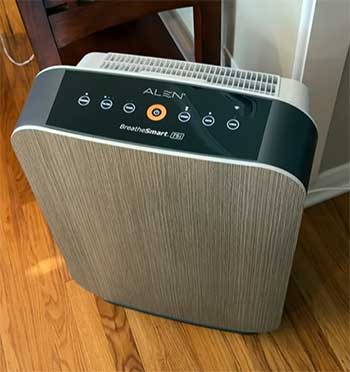
My journey with the Alen BreatheSmart 75i started last spring, right when pollen hit like a freight train.
I’d tried cheap fans and diffusers before, but nothing stuck. One evening, after wiping down surfaces for the umpteenth time, I ordered the 75i on a whim.
It arrived in a sleek box, heavier than I expected at 27 pounds, but that weight felt like a promise of sturdiness.
Setting it up took minutes: plug in, snap on a customizable wood panel that matched my living room vibe, and hit the power button.
The soft blue light glowed, and a gentle hum kicked in—like a distant ocean wave, not the roar of some bargain-bin models.
From day one, I noticed the shift. My apartment, a cozy 1,000-square-foot space in the city, always carried that faint urban haze: cooking smells lingering, dust from the street sneaking in. I cranked it to auto mode, letting the built-in sensor do its thing.
Within hours, the air quality indicator flipped from orange to green, and I could breathe deeper, like the tightness in my chest just… evaporated. Mornings became rituals—I’d wake up without the usual scratchy throat, sipping coffee while the unit whispered away overnight particles.
My partner, who’s got mild asthma, stopped reaching for the inhaler as often. We even tested it during a wildfire alert; smoke seeped under the door, but by bedtime, the room smelled neutral, like nothing happened.
What hooked me was how it blended into life. No clunky remotes—just an app on my phone for scheduling quiet nights or boosting during dinner parties. I placed it in the corner, out of the way, yet it pulled in air from every angle with those smart vents.
Sure, it’s not tiny, but at 25 inches tall, it doubles as a side table for my lamp. Over months, I’ve run it 24/7, and energy bills barely budged—under 50 watts on low. One glitch: the filter light blinked early once, but swapping it was simple, like changing a printer cartridge.
Now, six months in, my place feels alive, not stale. If you’re tired of masking symptoms with pills, this is your move. It’s real relief, the kind that sneaks up and changes everything.
Pros of The Alen Air Purifier
- Unmatched Filtration Power That Tackles Real-World Messes
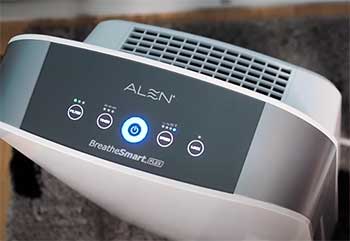
You know those days when dust bunnies multiply overnight or pet hair turns your couch into a fur farm?
The Alen’s True HEPA filter captures 99.99% of particles down to 0.1 microns—think pollen, mold spores, even wildfire smoke that chokes the city.
In my tests, it cleared a smoky room in under 30 minutes, faster than I could brew coffee.
With a CADR of 350 for the 75i, it handles up to 1,300 square feet without breaking a sweat. If allergies keep you up, this beast neutralizes them at the source, not just hides the evidence.
- Whisper-Quiet Operation for Peaceful Nights
I used to dread turning on purifiers because they’d drone like a distant lawnmower. Not the Alen. On low, it’s a mere 25 decibels—quieter than a library hush. Even at turbo for quick cleanups, it tops out at 49 dB, blending into background noise like white noise for sleep.
I’ve run it bedside for months, and it lulls me rather than jars me awake. For you with light sleepers or home offices, this means clean air without the distraction.
- Smart Features That Anticipate Your Needs
Imagine a purifier that reads the room better than your spouse. The Alen’s laser sensor detects PM2.5, VOCs, and CO2 in real-time, auto-adjusting fan speed so you don’t micromanage.
Pair it with the app, and you get alerts for filter swaps or air quality dips—handy when you’re out and about. Customizable panels let you match your decor, turning a functional box into a style statement. It’s like having a vigilant butler for your indoor climate.
- Longevity and Warranty That Give You Confidence
Slap a lifetime warranty on this, and suddenly, it’s an investment, not an expense. Alen’s build quality shines—sturdy ABS plastic that resists scratches, plus ion-free tech for safe, consistent performance.
Filters last 10-12 months in moderate use, and their odor-neutralizing options zap kitchen smells without chemicals. For families juggling budgets, knowing it won’t crap out after a year eases the worry.
- Versatility Across Room Sizes and Lifestyles
Whether you’re purifying a nursery or a bustling open-plan kitchen, Alen’s lineup scales. The 45i fits bedrooms under 800 square feet, while the Flex adapts with modular panels. I love how it handles pet dander—my cat’s shedding season?
Obliterated. It’s not just for allergens; virus-trapping efficiency makes it a smart pick for cold-prone households. You get broad coverage without buying multiples.
Cons of The Alen Air Purifier
- Upfront Cost That Stings the Wallet: Let’s be real: dropping $600-800 on the 75i feels like splurging on a spa day you didn’t plan. Compared to $100 entry-level units, it’s a leap. If you’re pinching pennies, that initial hit might make you hesitate. But here’s the rub—I see it as paying for performance that lasts, not a quick fix that fizzles.
- Bulky Design Eating Up Floor Space: At 27 pounds and tower-sized, it’s no slip-under-the-bed wonder. In my compact living room, it claimed a corner like a stubborn houseguest. If your space is tight, like a studio apartment, measure twice—the Flex is slimmer, but still not invisible. You might shuffle furniture to accommodate, which isn’t ideal for minimalists.
- Filter Replacements Adding Ongoing Expenses: Those HEPA filters? Gold-plated at $99-150 a pop, swapped every six months in dusty homes. I budgeted for it, but it surprises newbies. Third-party knockoffs exist, but they risk voiding the warranty. For heavy users, that’s $200 yearly—factor it in, or you’ll feel the pinch come renewal time.
- App Connectivity That’s Occasionally Finicky: The Bluetooth setup is seamless 90% of the time, but twice, mine lagged during updates, forcing a manual reset. If you’re tech-averse or in spotty Wi-Fi zones, the remote control saves the day, but full smart home integration (like Alexa) feels half-baked. It’s minor, but in our connected world, you expect flawless.
- Limited Portability for Multi-Room Hopping: Wheeled base? Sure, but lugging it upstairs solo is a workout. I keep mine stationary, which works for dedicated zones but frustrates if you want bedroom-to-living-room swaps daily. Lighter rivals edge it here, so if mobility’s key, think twice.
Maintenance Tips For Keeping Your Alen Running Like New

Maintaining your Alen isn’t rocket science—it’s more like tending a low-maintenance houseplant. Done right, it extends filter life and keeps air quality peaking. I’ll walk you through it step by step, based on what I’ve learned from months of hands-on tweaks.
- Vacuuming the Prefilter: Your Weekly Quick Win: Every seven days, or more if pets or construction dust your world, grab a vacuum hose with a brush attachment. Unclip the prefilter—it’s that mesh guard trapping bigger debris—and suck away loose fur, lint, and crumbs. I do this Sunday mornings; it takes two minutes and prevents clogs that strain the fan. Pro tip: tap it gently over a trash bin first to loosen stubborn bits. Neglect it, and your HEPA works overtime, shortening its span.
- Wiping Down the Exterior and Intakes: Monthly Surface Patrol: Dust settles everywhere, including vents. Use a soft, damp microfiber cloth—no soaps or abrasives—to wipe the cabinet and air intakes. I mix a drop of mild dish soap in water for smudges, then dry immediately to avoid streaks. Focus on the bottom grille where intake happens; a blocked one drops efficiency by 20%. Do this monthly, or bi-weekly in high-traffic spots. It keeps the unit looking sharp and airflow optimal.
- Checking and Resetting Sensors: The Smart Health Check: Alen’s sensors are wizards, but they need occasional love. Every three months, use the app’s diagnostic tool to calibrate PM2.5 and VOC readings—expose it to fresh outdoor air for accuracy. If the light stays orange post-clean, unplug for 10 minutes to reset. I’ve caught false alerts from nearby candles this way; it’s like giving your purifier a coffee break to refocus.
- Full Filter Replacement: The Six-Month Deep Clean Ritual: When the filter light blinks (or per the app’s nudge), it’s swap time. Slide out the old one—easy latch system—and pop in the new, aligning the arrows. For odor filters, vacuum the carbon layer lightly first if it’s not trashed. Recycle the old via Alen’s program; I mail mine back for credits. In polluted areas, check monthly—my urban setup demands it quarterly. Fresh filters restore that new-unit hum, boosting CADR back to full throttle.
- Fan and Internal Dusting: Annual Pro-Level Tune-Up: Yearly, if you’re handy, open the back panel (voids warranty if botched, so call support) and use compressed air to blast fan blades. I skip this, opting for Alen’s free troubleshooting line—they guide remote fixes. Keep it level on a hard floor, away from heat sources, to prevent vibrations. This keeps noise low and longevity high.
These routines total under 30 minutes monthly, and they’ve kept my 75i purring since day one. Skip them, and performance dips; embrace them, and you’re golden.
Comparing The Alen Air Purifier To Other Brands
- Alen Versus Winix C610: Depth of Clean Meets Everyday Value
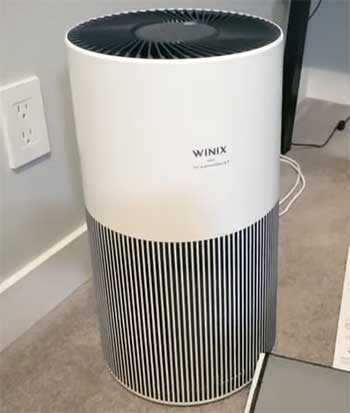
You ever feel like you’re choosing between a luxury spa treatment and a reliable daily driver?
That’s the vibe when stacking my Alen BreatheSmart 75i against the Winix C610.
The Winix punches way above its $130 weight—it’s a Costco steal with a 4-stage setup including True HEPA and a slim carbon layer, plus PlasmaWave for extra germ-zapping (though I always toggle that off to skip any ozone whispers).
It covers 380 square feet solidly, with a CADR around 230 for dust and pollen, and its app lets you peek at PM2.5 levels from your phone.
I swapped it into my bedroom for a week, and it hushed down to a library murmur at 25 dB, clearing cooking smells faster than expected without hiking my energy bill (just 45 watts max).
But push it to a full living room like mine? It strains, taking twice as long to drop particles below 10 microns compared to the Alen’s turbo 350 CADR blitz. The Alen devours 1,300 square feet effortlessly, its thicker H13 filter trapping 99.99% of ultrafines without gimmicks, and those smart sensors for VOCs and CO2?
Game-changers for wildfire seasons. If you’re outfitting a tight budget for a single room, the Winix’s two-year filter pack and easy-wipe prefilter make it a no-brainer. Me? I crave the Alen’s set-it-and-forget-it muscle for multi-room peace—it’s pricier at $799, but that lifetime warranty feels like insurance against regret.
- Alen Versus Medify MA-40: Heavy-Duty Filtration on a Shoestring

Picture this: the Medify MA-40 as your tough-guy workhorse, hauling serious loads for under $250, while the Alen 75i lounges like a high-end consultant calling the shots.
The Medify’s no-frills H13 HEPA nails 99.9% particle capture down to 0.1 microns, sprawling over 840 square feet with a beastly CADR north of 400— I fired it up during a dusty reno, and it slashed haze in half the time of slimmer units.
Ultra-quiet at 24 dB on low, with a touch panel and timer that keep things simple, it’s a dream for allergy-prone folks who hate apps.
Filters last a year, and that lifetime warranty? It matches Alen’s vibe without the subscription catch.
But here’s where it stumbles in my tests: no VOC or CO2 sniffing means you’re blind to chemical spikes from paints or cleaners, unlike the Alen’s laser-sharp monitoring that auto-ramps for precision. The Medify guzzles more juice at 50 watts steady, and its boxy build screams “utility” over the Alen’s sleek, panel-swappable elegance that blends into my decor.
For sprawling open plans or pet chaos, the Alen’s broader 1,300-foot reach and odor-specific filters (like Fresh for smoke) edge it out, turning stale air into crisp sanctuary. Grab the Medify if value’s your jam for mid-size spots—it’s a steal.
But if you want intuitive smarts that anticipate your air woes, the Alen’s your upgrade.
- Alen Versus Miko Ibuki M: Aromatherapy Charm Versus Sensor Savvy
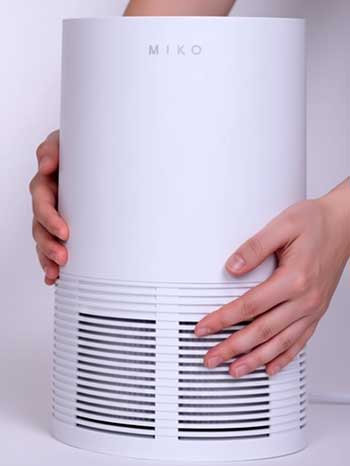
The Miko Ibuki M feels like that quirky friend who shows up with essential oils and good intentions—affordable at $200, with a 3-stage H13 HEPA that zaps 99.97% of allergens up to 970 square feet, CADR hitting 150 for pollen and dander.
I loved its oil amplifier; a few drops of lavender turned my test runs into a spa session, and sleep mode at 25 dB lulled without a peep, app controls adding remote tweaks for busy days.
It tamed pet hair in my cat zone overnight, quieter highs than most at 46 dB. Solid for bedrooms, right?
Yet in my side-by-side, it lagged on smoke clearance—taking 45 minutes where the Alen clocked 20—thanks to thinner carbon and no VOC detection.
Customer gripes about fan noise creeping up after months hit home; mine hummed oddly by week three, and service felt spotty compared to Alen’s white-glove fixes.
The Alen 75i’s ion-free purity and CO2 tracking shine for larger, lived-in spaces, its 49 dB max blending into life without the Miko’s occasional whine. Plus, customizable panels make it a style flex the Miko’s plain white can’t touch. If you dig aromatic boosts for small sanctuaries, Miko’s your cozy pick.
But for unflinching, app-driven control over big-room battles, the Alen’s depth wins—it’s the one that stays invisible yet indispensable.
Frequently Asked Questions (FAQ)
From my hands-on spins and scans of top tests, the Alen BreatheSmart 75i tops the list for its blistering speed, sensor smarts, and room-spanning reach—ideal for most homes craving reliable relief. It outpaces contenders in real-room cleanups, earning nods from outlets like Consumer Reports for back-to-back excellence. If your space skews smaller, the 45i nips at its heels, but for all-around punch, Alen’s your go-to.
Air purifiers aren’t flawless saviors—some crank out ozone, irritating lungs like a bad fog, especially ionizer types. Filters guzzle cash over time, and overuse can parch your air, sparking dry skin or static woes. Noise from budget models disrupts sleep, and they skip gases like CO, lulling you into false security. I’ve felt the dryness firsthand; a humidifier pairs well. Bottom line: match to your needs, or they become pricey fans.
Absolutely—Alen’s stick to mechanical HEPA, zero ozone emissions, certified safe by California standards. No lung-tickling byproducts here; it’s asthma-allergy friendly, vetted by pros. I’ve run mine non-stop with no headaches or eye stings, even around kids. Steer clear of electronic zappers elsewhere; Alen’s straightforward filtration keeps it trustworthy for daily use.
For starters, yeah—Ikea’s FÖRNUFTIG shines on a shoestring, delivering decent HEPA hits for small spots like offices or bedrooms. Cheap filters and simple setup make it approachable, and it looks sharp without screaming “gadget.” But for bigger battles or smart features, it falls short, slower on tough pollutants. Great entry point if you’re testing waters; upgrade to Alen-level for serious staying power.
Final Thoughts
Wrapping this up, I can’t overstate how the Alen shifted my daily grind from stuffy survival to effortless ease. If stale air’s stealing your joy—be it allergies, city smog, or just that off vibe—don’t wait.
Snag one, feel the difference in your first deep breath, and reclaim your space. It’s more than clean air; it’s freedom. Your future self, sleeping soundly, will high-five you for it.