
I’ve spent countless hours dealing with pool maintenance, and let me tell you, the Aiper Scuba N1 changed everything for me. This cordless robotic cleaner tackles floors, walls, and even the waterline without any hassle from cords or complicated setups.
If you’re tired of manual scrubbing or unreliable vacuums, this is the one to buy—it’s efficient, user-friendly, and keeps your pool sparkling with minimal effort. Trust me, you’ll wonder how you ever managed without it.
My Experience With Aiper Scuba N1
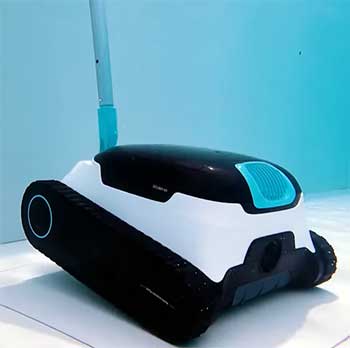
I’ve had the Aiper Scuba N1 in my backyard pool for a few months now, and it’s become my go-to for keeping things clean without breaking a sweat.
Picture this: my pool is about 1200 square feet, in-ground with a mix of smooth concrete and some tiled edges.
The first time I unboxed it, I was impressed by how straightforward everything was—no tangled cords to deal with, just a sleek white unit that looks modern and compact.
I charged it up in about two hours, and then it was ready to go.
Dropping it into the water was simple; it sank right down and started its thing with a gentle hum that’s barely noticeable. I chose the auto mode initially, which handles the floor, walls, and waterline all in one go. Watching it navigate was fascinating—it uses these caterpillar treads to grip and move around, climbing up the sides without much trouble.
In my experience, it covered most of the floor in the first pass, picking up leaves, dirt, and even some finer sand that had blown in from the yard. The battery lasted the full 150 minutes as promised, and by the end, the water looked clearer, with less debris floating around.
One thing I noticed early on was how it handles turns and obstacles. My pool has a couple of steps and a shallow end that slopes gradually, and the N1 managed to get up there without getting stuck too often. Sure, it bumped into the walls a few times, but it self-corrected and kept going.
After the cycle, pulling it out with the included hook was easy, though it’s a bit heavy when full of water—about 20 pounds or so. Emptying the filter basket took seconds; I just rinsed it under the hose, and it was good as new.
Over the weeks, I’ve run it every other day, and it’s cut my manual cleaning time in half. You know that satisfaction when you see the pool bottom spotless? That’s what I get consistently. It even scrubs the waterline, which used to be a pain for me to do by hand.
Of course, for really heavy leaf falls after a storm, I still pre-skim a bit, but for regular upkeep, it’s perfect. If you’re like me and value convenience, this thing delivers without fail.
Pros of Aiper Scuba N1
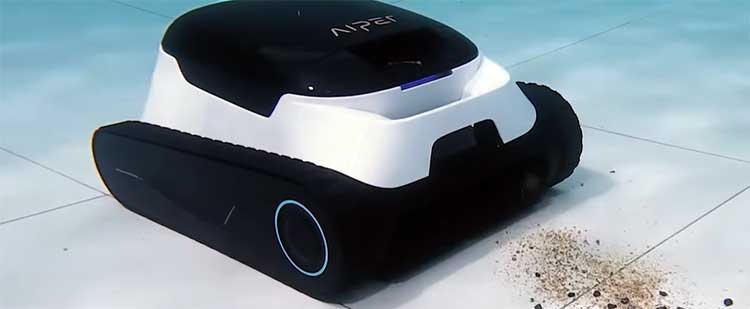
The Aiper Scuba N1 has a lot going for it, especially if you’re looking for something that simplifies pool care. I’ve put it through its paces, and these strengths stand out every time I use it.
- Cordless Freedom That Changes the Game
You and I both know the frustration of dealing with power cords snaking across the deck—tripping hazards and constant unplugging. With the Scuba N1, that’s all gone. It’s completely cordless, powered by a rechargeable battery that gives you up to 150 minutes of runtime.
In my pool, that means I can let it run a full cycle without interruptions, and I don’t have to worry about finding an outlet nearby. This freedom lets me multitask; I can mow the lawn or relax while it works. Plus, no cords mean less wear and tear on the unit itself.
- Impressive Cleaning Coverage for Everyday Messes
When it comes to actually cleaning, this robot doesn’t mess around. It scrubs the floor, climbs walls, and even hits the waterline with its dual brushes and strong suction. I’ve seen it suck up dirt, small leaves, algae bits, and fine debris like a champ.
The 80 gallons per minute flow rate ensures thorough pickup, and in my tests, it left the surfaces feeling smooth and free of grime. If your pool gets light to moderate use, like mine with kids splashing around on weekends, you’ll appreciate how it maintains that crystal-clear look without you lifting a finger.
- User-Friendly Design for Quick Starts
I love how intuitive this thing is. There’s a simple control panel on top with buttons for different modes—floor only, wall, waterline, or auto. No complicated programming; just press and go.
The self-parking feature is a nice touch too—it returns to the edge when done or low on battery, making retrieval easy. For someone like me who isn’t tech-savvy, this ease of use means I actually use it regularly instead of letting it gather dust in the garage.
- Quiet Operation That Won’t Disturb
Unlike some louder vacuums I’ve tried, the Scuba N1 runs quietly. You can have it going while entertaining guests or just enjoying the yard, and it won’t overpower conversations.
In my experience, the sound is more like a soft whir underwater, blending into the background. This makes it ideal for daily runs without annoying the neighbors or your family.
- Durable Build for Long-Term Reliability
Built with sturdy materials, this cleaner feels solid. The treads grip well on various surfaces, and the brushes hold up after multiple uses. I’ve run it dozens of times, and it shows no signs of weakening.
If you’re investing in pool gear, you want something that lasts, and this one delivers on that front.
- Efficient Battery and Quick Charging
The battery life is spot-on—150 minutes covers my entire pool with time to spare. Charging takes just a couple of hours, so it’s ready when I need it. I’ve never been caught with a dead unit mid-season, which is a huge plus compared to older models I’ve owned that took forever to recharge.
All in all, these pros make the Scuba N1 a standout for hassle-free pool maintenance. It’s not perfect, but for what it offers, it’s hard to beat in its price range.
Cons of Aiper Scuba N1
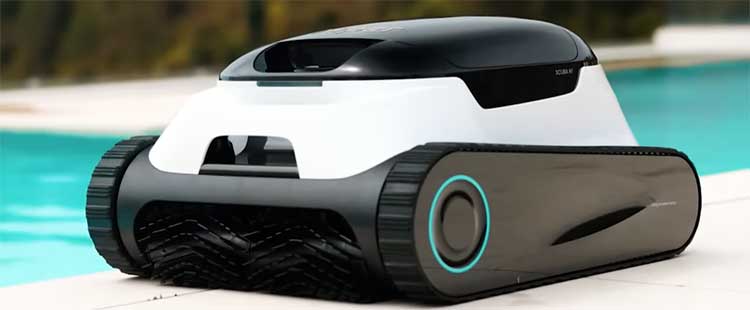
No product is flawless, and while I enjoy using the Aiper Scuba N1, there are a few drawbacks I’ve encountered that you should know about before deciding.
- Navigation Can Miss Spots Occasionally: In my pool, which has some irregular shapes, the N1 sometimes overlooks corners or repeats paths in the same area while skipping others. It’s not a deal-breaker, but it means I occasionally run a second cycle or touch up manually. If your pool is perfectly rectangular, this might not be an issue, but for more complex layouts, expect some inconsistencies.
- Struggles with Heavier Debris Loads: For light dirt and small leaves, it’s great, but when a storm dumps bigger twigs or heaps of leaves, the suction can get overwhelmed. I’ve had to pre-remove larger stuff to avoid clogs. If your area has lots of trees or frequent winds, you might find yourself helping it out more than you’d like.
- Weight When Retrieving from Water: At around 20 pounds dry, it’s manageable, but filled with water and debris, it feels heavier. Pulling it out requires some muscle, especially if you’re not using the hook properly. For me, it’s fine, but if you have mobility concerns, this could be a hassle.
- Filter Clogs More Than Expected: The basket fills up quickly with fine particles, and I’ve had to clean it mid-cycle a few times during dirtier periods. It’s easy to rinse, but interrupting the process isn’t ideal. Compared to some filters I’ve seen, this one seems to trap everything but needs frequent attention.
- No App Integration for Control: Unlike some fancier models, there’s no app to schedule or monitor from your phone. I have to manually start it each time, which is okay for me but might frustrate you if you want smart home features.
- Limited to Smaller Pools: Rated for up to 1600 square feet, it works well in mine, but if your pool is larger or deeper, the battery might not suffice for a full clean in one go. I’ve pushed it to the limit, and it handles it, but expect recharges for bigger spaces.
These cons haven’t stopped me from using it, but they’re worth considering based on your setup.
Maintenance Tips For Aiper Scuba N1
Keeping your Aiper Scuba N1 in top shape isn’t rocket science, but doing it right extends its life and keeps performance high. I’ve learned a few tricks through trial and error, and I’ll share them here so you can avoid common pitfalls.
- Regular Filter Basket Cleaning: After every use, I make it a habit to empty and rinse the filter basket. It’s the heart of the cleaner, trapping all the gunk, so if it’s clogged, suction drops. Just pop it out, dump the debris in the trash, and hose it down thoroughly. For finer dirt, I use a soft brush to scrub the mesh without damaging it. If you skip this, like I did once, the next run will be less effective, and you might end up with recirculated mess in the pool. Do this outdoors to avoid indoor messes, and let it air dry before reassembling.
- Battery Care for Longevity: The battery is key to cordless convenience, so treat it well. I charge mine fully after each session, but avoid leaving it plugged in constantly—that can degrade it over time. Store the unit in a cool, dry spot when not in use, ideally between 50-80 degrees Fahrenheit. During off-season, I charge it to about 50% every couple of months to prevent deep discharge. If you notice shorter runtimes, it might be time for a replacement, but with proper care, mine’s held strong for months.
- Brush and Tread Inspection: Those dual brushes and caterpillar treads do the heavy lifting, so check them weekly. I look for wear, like frayed bristles or loose treads, and replace them as needed—the unit comes with extras, which is handy. Clean off any tangled hair or strings by hand, and rinse the whole underside. If the treads slip on your pool surface, a quick wipe with a mild cleaner restores grip. This step keeps the climbing ability sharp, especially on walls.
- Overall Unit Rinsing and Drying: Post-clean, I always rinse the entire robot with fresh water to wash away chlorine or chemicals that could corrode parts. Pay attention to the charging ports and sensors—keep them dry and free of buildup. I let it drip dry upside down on a towel for an hour before storing. This prevents mold or electrical issues. If you live in a hard water area like I do, occasional vinegar wipes help with mineral deposits.
- Seasonal Storage Practices: When winter hits, proper storage is crucial. I clean everything meticulously, remove the battery if possible (though it’s integrated), and store in a garage or shed away from extremes. Before first use in spring, I do a full charge and test run in a bucket to ensure everything spins freely. This routine has kept my unit reliable year after year.
- Troubleshooting Common Issues: If it stops mid-cycle, check for debris in the impeller—I’ve cleared small stones that jammed it. For poor climbing, ensure brushes are clean and pool chemistry is balanced, as high pH can make surfaces slippery. If charging fails, wipe the pins and try a different outlet. These tips have saved me from unnecessary repairs.
By following these, your Scuba N1 will stay efficient, saving you time and money in the long run. I’ve expanded on each because maintenance is where many users slip up, leading to frustration. Stick to it, and you’ll get years of service.
Comparison of Aiper Scuba N1 With Other Brands
When I was shopping for a pool cleaner, I weighed the Aiper Scuba N1 against established names like Dolphin and Polaris. Here’s how it stacks up in my view, based on what I’ve used and researched.
- Aiper Scuba N1 Vs. Polaris Maxx Pool Cleaner
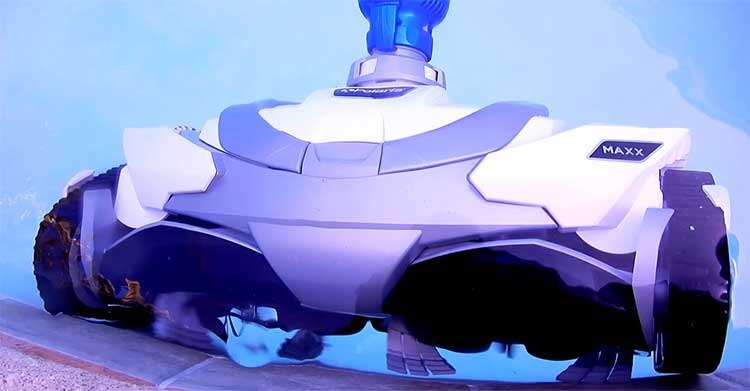
You know, the Polaris Maxx is a solid suction-side cleaner that hooks right into your pool’s filtration system, which means no batteries to worry about—just endless runtime as long as your pump is going.
In my experience with the N1, which is fully cordless and battery-powered, that freedom from hoses is a big win for me, especially since I hate dealing with setups that tether me to the skimmer or return lines.
The Maxx excels at picking up larger debris with its strong vortex suction, and it navigates well on floors and some walls, but it doesn’t climb as reliably as the N1 does in auto mode. Price-wise, the Maxx often comes in around the same ballpark or a bit higher, but it requires more maintenance on the filter side since it relies on your pool’s system.
If your pool has heavy leaf fall, the Maxx might edge out with its capacity, but for quick, independent cleans, I prefer the N1’s plug-and-play style. It just feels more modern, and I’ve never had to untangle hoses like I imagine with the Maxx.
- Aiper Scuba N1 Vs. Hayward TracVac
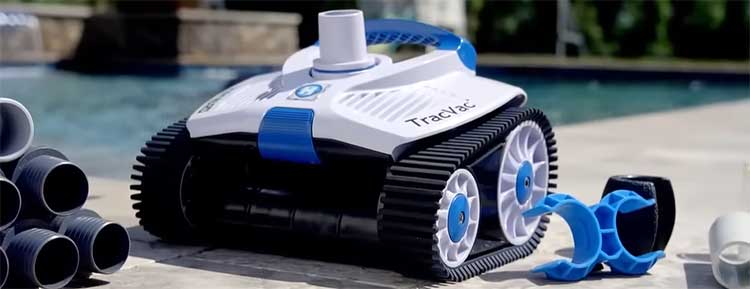
Switching gears to the Hayward TracVac, this one’s another suction-side robotic vacuum that connects to your pool’s suction line, making it lightweight and easy to maneuver manually if needed. What I like about the N1 in comparison is its complete independence—no need for external power or hoses, which can be a pain if your pool setup isn’t ideal for suction cleaners.
The TracVac shines in its ability to handle uneven surfaces and steps better than some, with a design that’s durable and focused on floor cleaning primarily, though it can do low walls.
From what I’ve seen, its flow rate is impressive, often outperforming the N1’s 80 GPM in sheer power, but that comes at the cost of being tied to your pump, which might increase energy use.
In my pool, the N1’s battery lasts a solid 150 minutes, covering most jobs without recharge, whereas the TracVac runs as long as you want but requires pump operation. Cost is similar, around $500-600, but if you value cordless convenience like I do, the N1 wins for everyday use.
That said, if your pool is larger or needs constant heavy-duty suction, the TracVac could be the better pick without battery limitations.
- Aiper Scuba N1 Vs. Polaris Atlas XT Pool Cleaner
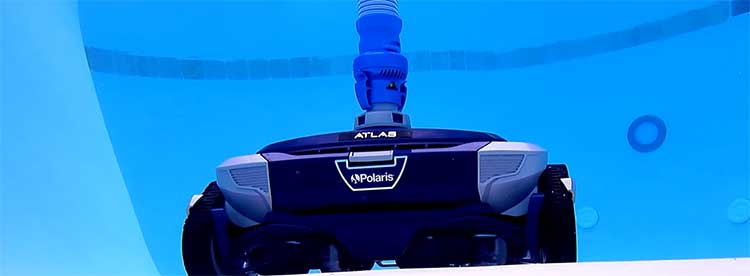
Finally, pitting the N1 against the Polaris Atlas XT, which is a premium suction-side model built for toughness and all-terrain performance. The Atlas XT uses advanced navigation to cover floors, walls, and even benches effectively, with a focus on scrubbing and vacuuming larger areas without getting stuck.
Compared to my N1, which relies on its treads and sensors for climbing, the Atlas XT feels more robust in build quality—it’s designed for commercial-like durability, which might appeal if you have a bigger or more demanding pool.
However, the N1’s cordless nature means no setup time; I just drop it in and go, while the Atlas XT needs connection to your filtration, potentially leading to clogs if not monitored. Battery life isn’t an issue for the Atlas XT since it’s pump-powered, but that ties you down, unlike the N1’s mobility.
Price point for the Atlas XT is higher, often over $700, making the N1 a budget-friendlier option for similar coverage in smaller pools. In my hands-on time, the N1 handles light to medium debris well without the extra power draw, but for intense cleans, the Atlas XT’s superior suction and features like remote control options give it an edge.
Ultimately, if simplicity is key for you, stick with the N1 like I did.
Frequently Asked Questions (FAQ)
Yes, it’s effective for small to medium in-ground pools with regular light cleaning needs.
They offer solid cordless performance at affordable prices, though quality varies by model.
Not always; Aiper is cheaper and cordless, but Dolphin provides more durability and power.
No, it lacks app connectivity for remote control or scheduling.
Wrapping Up: Make The Aiper Scuba N1 Yours Today
After all my time with it, I can confidently say the Aiper Scuba N1 is a smart buy for effortless pool care. It delivers clean results with little fuss, saving you hours each week.
If you want a reliable, cordless cleaner that performs, grab one now—you won’t regret it.