
As a coffee lover who’s chased the perfect morning cup for over a decade, I’ve spent countless hours experimenting with different brewers.
In this article, I share my personal experiences comparing the AeroPress and French Press, breaking down their differences, strengths, and weaknesses to help you decide which one fits your routine and taste preferences best.
| Aspect | AeroPress | French Press |
| Brew Time | 1-2 minutes | 4-5 minutes |
| Capacity | 1-2 cups (up to 8-10 oz typically) | 3-8 cups (depending on size, often 32 oz+) |
| Taste Profile | Clean, bright, smooth, low acidity, no sediment | Full-bodied, rich, oily, bold with some grit |
| Grind Size | Medium-fine to fine | Coarse |
| Filter Type | Paper (or optional metal) | Metal mesh |
| Portability | Excellent (compact, durable plastic) | Fair (often glass, bulky) |
| Cleanup | Very easy (puck ejects cleanly) | Messy (grounds stick to mesh) |
| Versatility | High (many recipes, styles like concentrate) | Low (mainly immersion steep) |
| Durability | High (unbreakable plastic) | Medium (glass can break) |
| Price Range | Around $30-50 | $20-100 (varies by material) |
Key Differences Between The AeroPress And French Press
I’ve brewed side-by-side with both methods more times than I can count, and the differences go way beyond just how they look on your counter. Each one shapes your coffee experience in fundamental ways—from the first pour of water to that last sip.
Let me break it down point by point so you can see exactly where they split paths.
- Brewing Mechanism
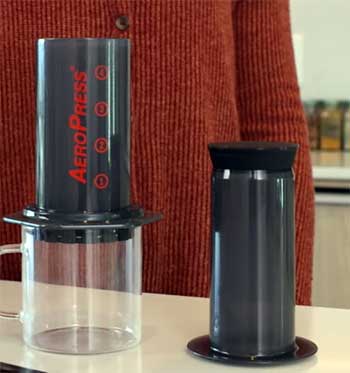
This is the biggest fork in the road. The AeroPress combines immersion (grounds sitting in water) with manual air pressure.
You steep briefly, then push the plunger to force the water through the grounds and filter in seconds. It’s active, controlled, and fast.
The French Press is pure passive immersion—you add water, stir once or twice, and let gravity and time do all the work for four or five minutes before slowly lowering the mesh plunger.
No pressure involved beyond your gentle push to separate the grounds.
- Filtration System
AeroPress uses a thin paper micro-filter (or an optional reusable metal disc) that traps nearly everything—oils, fines, sediment. The result is a remarkably clean cup, almost like a refined pour-over. French Press relies on a coarse metal mesh screen.
It lets coffee’s natural oils and some tiny particles slip through, giving you that signature heavy mouthfeel and occasional silt at the bottom. If you hate grit, AeroPress wins hands down. If you love that unfiltered richness, French Press delivers.
- Extraction Speed and Control
AeroPress extracts in 60-90 seconds of actual contact time (plus prep). That short window reduces the chance of pulling out bitter compounds, especially from darker roasts. You control the strength by adjusting steep time, press speed, or even bypassing the press for a pseudo-pour-over.
French Press steeps for 4+ minutes. Longer contact means more extraction, which can highlight bold flavors but also risks over-extraction if you forget about it. Temperature drops more noticeably too, affecting the final taste.
- Capacity and Serving Style
AeroPress is built for one or maybe two modest cups (around 8-10 ounces total brew volume). Perfect for solo drinkers or couples who don’t mind separate brews.
French Press comes in sizes from 12 ounces up to 51 ounces or more—ideal when you’re making coffee for the whole table or want seconds without restarting. I love the French Press when friends are over; everyone gets a hot, fresh mug from the same pot.
- Taste Profile and Body
AeroPress gives me bright, clean, vibrant flavors with low bitterness and acidity. It’s smooth, tea-like at times, and really lets nuanced beans shine—think fruity Ethiopians or floral Kenyans. The paper filter strips away oils, so the mouthfeel is lighter.
French Press produces a thick, oily, full-bodied cup that coats your tongue. Dark roasts feel chocolatey and intense; even lighter beans gain weight and depth. There’s often a pleasant earthiness, but sometimes a touch more bitterness or astringency.
- Sediment and Clarity
AeroPress coffee is crystal clear with zero grounds in your sip (unless you really botch it). French Press almost always leaves some fine sediment, especially if your grind isn’t perfectly coarse or you pour aggressively.
That grit doesn’t bother everyone—some say it adds character—but it can feel sandy if you’re sensitive to texture.
- Portability and Travel Friendliness
AeroPress is the undisputed champion here. It weighs almost nothing, packs into a tiny space, and nothing breaks if you drop it. I’ve thrown mine in carry-ons, backpacks, and even checked luggage without worry. French Press is bulky, and most models have fragile glass carafes.
Stainless steel versions exist and travel better, but they’re still heavier and larger. AeroPress wins every road trip in my book.
- Cleanup and Maintenance
AeroPress cleanup is satisfyingly simple—unscrew the cap, push the puck of grounds into the trash or compost, rinse the plunger, done in 20 seconds. French Press requires dumping wet grounds (which can stick stubbornly to the mesh), disassembling the plunger, scrubbing the screen, and rinsing the carafe. It takes longer and feels messier, especially first thing in the morning.
- Versatility in Brewing Styles
AeroPress is a chameleon. Standard method for American-style coffee, inverted for longer immersion, concentrated brew for Americanos or lattes, cold brew in minutes, even faux-espresso shots for stovetop milk drinks. Hundreds of championship recipes exist.
French Press is straightforward immersion only—great for classic coffee and overnight cold brew, but you can’t easily mimic other styles without extra gear.
- Durability and Build Quality
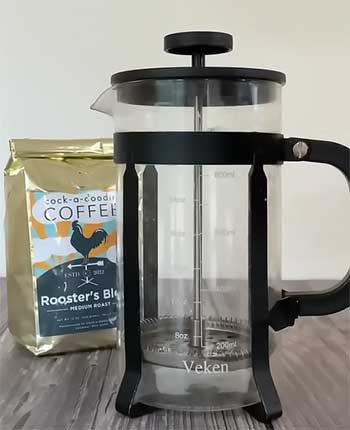
AeroPress is practically indestructible.
Made from tough, food-grade plastic, it survives falls, heat, and years of daily use with no degradation.
French Press durability depends on the model—budget glass ones shatter easily, while high-end double-walled stainless versions last forever but cost more.
I’ve cracked two glass French Presses over the years; my AeroPress from 2015 still looks new.
- Heat Retention During Brewing
French Press carafes (especially insulated ones) keep water hot throughout the steep, leading to more even extraction. AeroPress’s thin plastic chamber cools faster, so preheating with hot water is almost mandatory for best results. Once brewed, neither keeps coffee hot long-term without a separate mug or thermos.
- Grind Requirements
AeroPress works best with medium-fine to fine grounds—similar to table salt or finer. Too coarse and you’ll under-extract; too fine and pressing gets hard. French Press demands coarse grounds (like breadcrumbs) to prevent clogging the mesh and excessive sediment. Fine grounds in a French Press create mud and make plunging nearly impossible.
- Acidity and Stomach Friendliness
The quick extraction and paper filter in AeroPress produce lower-acidity coffee that’s gentler on sensitive stomachs. Many people with acid reflux prefer it. French Press’s longer steep and oil retention can increase perceived acidity and bitterness, though the full body balances it for most.
- Environmental and Ongoing Costs
AeroPress uses disposable paper filters (hundreds come with the kit, but you’ll buy more). Reusable metal filters exist but change the taste. French Press has no recurring costs—just the initial purchase and occasional plunger screen replacement after years.
- Learning Curve and Consistency
Both are forgiving for beginners, but AeroPress rewards tweaking. Small changes in grind, ratio, or technique yield noticeable differences, which is fun once you’re hooked. French Press is more set-it-and-forget-it; basic recipes are hard to ruin, but mastering nuance (like bloom stir or exact timing) takes practice too.
- Aesthetics and Kitchen Presence
French Press looks classic and elegant—glass beaker, metal plunger, often with wooden accents. It sits proudly on the counter. AeroPress resembles lab equipment or a big syringe—functional over beautiful. Some love the quirky design; others hide it in a drawer.
Key Features of The AeroPress
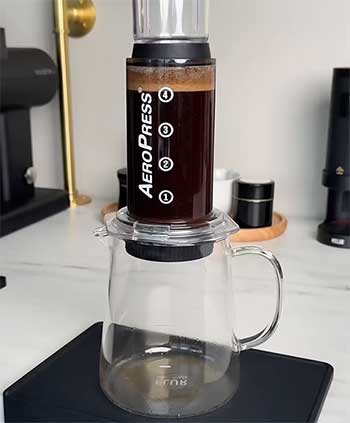
- Compact and lightweight design, perfect for tossing in a bag.
- Comes with paper filters for a clean cup, but metal filters are available for more body.
- Plunger creates gentle pressure for even extraction.
- Includes scoop, stirrer, funnel, and filter holder—everything you need in one kit.
- Made from durable, BPA-free plastic that withstands drops and travel abuse.
- Supports inverted method for longer steeps without dripping.
- Brews at lower temperatures effectively, great for delicate beans.
Pros of the AeroPress
- Produces exceptionally clean coffee with vibrant flavors and no bitterness.
- Brews in under two minutes—ideal for busy mornings.
- Incredibly easy to clean; the grounds pop out as a solid puck.
- Highly portable; I’ve taken mine camping, hiking, and on flights without issues.
- Versatile enough to mimic espresso-style concentrates or lighter Americanos.
- Low acidity makes it gentler on the stomach.
- Consistent results even with varying water temperatures.
- Affordable and long-lasting—no parts wear out quickly.
- Encourages experimentation with hundreds of community recipes.
- Minimal waste beyond disposable filters if you choose paper.
Cons of the AeroPress
- Limited to small batches; brewing for a group means multiple rounds.
- Requires buying paper filters ongoing (though reusable metal ones exist).
- Needs some physical effort to press, which can be tricky with very fine grinds.
- Plastic construction might not appeal if you prefer glass or steel aesthetics.
- Learning curve for inverted method or advanced recipes.
- Doesn’t retain heat well during brewing without preheating.
- Can feel too “clean” if you crave heavy mouthfeel.
- Not ideal for very coarse grinds without adjustments.
- Small chamber limits bold, over-extracted styles some love.
- No built-in way to keep coffee hot post-brew.
Also Read: Comparison of Moccamaster And OXO.
Key Features of The French Press
- Glass or stainless steel carafe for visibility and heat retention.
- Metal mesh plunger filter that lets oils pass through.
- Simple design with few moving parts.
- Available in various sizes for single servings to full pots.
- Double-walled insulated models keep coffee hot longer.
- No electricity needed—purely manual.
- Reusable filter means no ongoing purchases.
- Easy to scale up for multiple cups.
Pros of the French Press
- Delivers rich, full-bodied coffee with deep flavors and oily texture.
- Brews multiple cups at once, great for sharing or second helpings.
- No paper filters needed—environmentally friendly in that sense.
- Retains natural coffee oils for a robust mouthfeel.
- Simple and consistent; hard to mess up basic recipe.
- Keeps coffee warm in the pot for a while.
- Affordable entry-level models available.
- Classic, elegant look on the counter.
- Works well for cold brew with longer steeps.
- Forgiving with grind inconsistencies.
Cons of the French Press
- Often leaves sediment or grit in the cup.
- Longer brew time leads to potential over-extraction and bitterness.
- Messy cleanup—grounds get stuck in the mesh.
- Glass versions break easily if dropped.
- Harder to control extraction precisely.
- Higher acidity and bitterness compared to filtered methods.
- Not portable due to size and fragility.
- Requires coarse grind to avoid clogging plunger.
- Coffee cools faster in single-wall models.
- Limited versatility—mostly one style of brew.
My Personal Experiences Brewing With Both
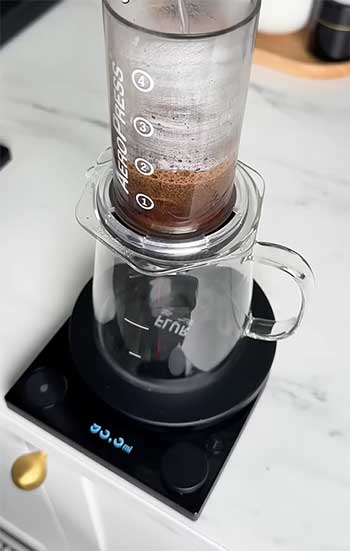
I’ve brewed thousands of cups with these two, and each has its moments.
On rushed weekdays, the AeroPress saves me— I can have a smooth, nuanced cup ready before my kettle fully boils sometimes.
The inverted method lets me play with steep times, pulling fruity notes from light roasts that shine brightly.
Weekends call for the French Press.
Pouring a big pot, sitting with a book, and enjoying that thick, satisfying body—it’s comforting. But I always decant into a thermos to avoid over-extraction.
For travel, AeroPress is unbeatable.
I’ve made great coffee in hotel rooms, campsites, and even airplanes (pre-brewed concentrate). The French Press? It gathers dust unless I’m hosting brunch.
Taste-wise, AeroPress highlights subtlety—perfect for single-origin beans where I want to taste floral or citrus notes. French Press amplifies boldness, masking nuances but delivering comfort in darker roasts.
- Which One Should You Choose?
It depends on what you value most. If you want quick, clean, versatile coffee for one or two, and love experimenting, go AeroPress. If you prefer bold, shared pots with that classic oily feel, and don’t mind a bit of grit, the French Press is your match.
I own both and switch based on mood. Many coffee enthusiasts do the same—they complement each other perfectly.
Also Read: Differences Between Ratio Six And Moccamaster Coffee Makers.
Frequently Asked Questions (FAQ)
It depends on your preference—”better” is subjective. AeroPress produces cleaner, smoother, lower-acidity coffee with no sediment, while French Press offers richer, fuller-bodied brew with more oils and texture.
Some criticize its small capacity, need for paper filters, plastic build, and that it can feel less “authentic” or too clean compared to traditional methods.
Limited batch size, ongoing filter costs (if using paper), requires some pressing effort, and doesn’t produce the heavy body some crave.
Using too fine a grind (hard to press), not stirring enough, pressing too aggressively (causing channeling), or skipping preheating the chamber.
Wrapping It Up: My Advice To You
After all these years brewing with both, I’ve learned there’s no outright winner—only what suits your life and palate right now.
You might start with one and end up loving both, like I did. Whichever you pick, fresh beans and good water will make the biggest difference. Experiment, taste, and enjoy the process—that’s what great coffee is all about.
Happy brewing!