
As someone who’s spent countless hours hunched over a desk, I know how crucial a good office chair is for comfort and productivity.
In this article, I’ll compare the Staples Hyken and Dexley mesh task chairs, sharing my real-world experiences to help you decide which one fits your needs better.
Whether you’re working from home or in an office, understanding their features, strengths, and weaknesses can make all the difference in your daily routine.
| Feature | Staples Hyken | Staples Dexley |
| Price Range | $150-$300 (often on sale around $200) | $170-$300 (frequently discounted to $170) |
| Weight Capacity | 275 lbs | 275 lbs |
| Backrest Material | Breathable mesh | Breathable mesh |
| Seat Material | Mesh with waterfall edge | Mesh, slightly wider |
| Adjustable Armrests | Height adjustable | 3-way adjustable (height, width, depth in some models) |
| Lumbar Support | Adjustable | Adjustable, more pronounced |
| Headrest | Adjustable tilt, removable, but fixed height | Adjustable height and angle |
| Tilt Mechanism | Swivel-tilt with tension knob and lock | Synchro-tilt with tension and lock |
| Seat Height Range | 17.24″ – 20.98″ | 16.61″ – 20.31″ |
| Seat Width | 19.37″ | 20.16″ |
| Seat Depth | 16.77″ | 18.35″ |
| Recline Angle | Deeper recline possible | Moderate recline |
| Warranty | 5 years | 5 years |
| Best For | Shorter to average height (under 5’10”) | Taller users (5’10” and above) |
| Colors Available | Black, red, charcoal gray | Black, gray, blue |
Key Differences Between The Hyken And Dexley
To help you choose, here’s how they stack up directly. I’ve elaborated on each to show real impacts.
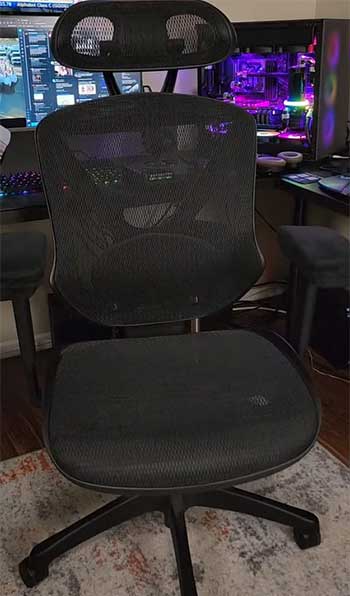
- Size and Fit: The Hyken is compact, ideal for under 5’10” with its narrower seat (19.37″ vs. 20.16″). I felt secure in it, but the Dexley’s width suited taller frames better, offering more leg room without cramping. If you’re petite, Hyken hugs you; taller? Dexley accommodates without squeezing.
- Headrest Versatility: Hyken’s is tilt-only and removable, which I used for customization, but fixed height limited it. Dexley’s height and angle adjustments made it superior for neck relief, especially during reclines. This difference was stark when I switched—Dexley felt more inclusive.
- Armrest Adjustments: Hyken offers basic height, fine for simple tasks, but Dexley’s 3-way (or more) let me pivot for mouse work. It reduced shoulder tension noticeably, making Dexley better for varied desk activities.
- Tilt and Recline: Hyken’s swivel-tilt allows deeper leans, great for relaxation—I tilted back fully without issue. Dexley’s synchro-tilt is smoother for dynamic sitting but limits angle, better for upright work but less for lounging.
- Seat Depth and Comfort: Hyken’s shorter depth (16.77″) pressured thighs sometimes, while Dexley’s 18.35″ with slider provided better support. I preferred Dexley for long sessions, as it prevented edge digging.
- Durability Patterns: Hyken’s mesh sags centrally, affecting comfort over time; Dexley’s pulls at edges, potentially faster failure. In my short tests, both held, but long-term, Hyken might edge out for consistent use.
- Price and Value: Often similar on sale, but Dexley’s extras justify a slight premium for adjustability lovers. I saw Hyken as better basic value, Dexley for those needing more tweaks.
These variances shaped my preference based on day-to-day needs. For compact efficiency, Hyken wins; for expansive comfort, Dexley. Test them if possible—your body will tell the story.
Key Features of The Staples Hyken
The Hyken caught my eye first because of its straightforward design that doesn’t overwhelm with too many bells and whistles. Here’s what stands out:
- Breathable Mesh Back and Seat: This is the star of the show for me. The mesh allows air to flow freely, preventing that sticky feeling after hours of sitting. I remember one hot summer day when I worked through the afternoon without needing to stand up every few minutes to cool off. It’s contoured to hug your back gently, and the waterfall seat edge reduces pressure on your thighs, which is a subtle but important touch for circulation.
- Adjustable Lumbar Support: You can slide it up or down to hit just the right spot on your lower back. In my experience, this made a huge difference during long writing sessions. Without it, I’d start slouching, but with proper positioning, I maintained better posture effortlessly. It’s not the most advanced system out there, but for the price, it punches above its weight.
- Height-Adjustable Armrests: These flip up and down smoothly, letting you rest your arms at a comfortable level. I found them perfect for typing without straining my shoulders. They’re padded just enough to avoid that hard plastic feel, though I wish they had more directions of movement.
- Adjustable Headrest: It tilts for neck support and can be removed if it doesn’t suit you. For someone of average height like me (5’8″), it worked fine, but I had to tweak it a bit to avoid it pushing forward awkwardly. It’s a nice addition for reclining during breaks.
- Swivel-Tilt Mechanism with Tension Knob: This lets you control how easily the chair leans back, and you can lock it upright. I loved the smooth recline; it felt natural and helped me shift positions without disrupting my workflow. The five-star base with casters rolls effortlessly on carpet or hard floors.
- Ergonomic Build Meeting Standards: It complies with ANSI/BIFMA guidelines, meaning it’s built to last in office environments. The overall frame feels sturdy, and at 275 lbs capacity, it handles everyday use without wobbling.
Pros of The Staples Hyken
I’ve put the Hyken through its paces, and several aspects make it a solid choice for budget-conscious users. Let’s list them out and explore why they matter.
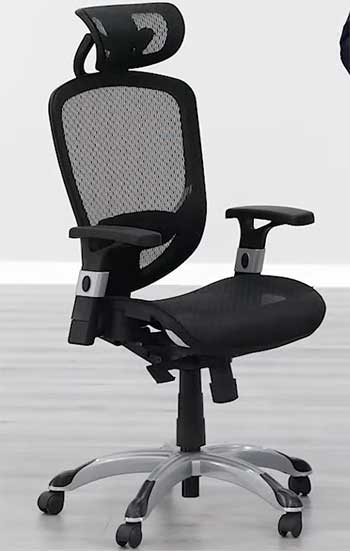
- Affordable Price Point: Often available for under $200, it’s a steal for the features you get. I didn’t feel like I was skimping on quality; in fact, it outperformed some mid-range chairs I’ve owned in the past. This accessibility means you can upgrade your setup without breaking the bank, and the frequent sales at Staples make it even more appealing.
- Excellent Breathability: The full mesh design keeps you cool, which is crucial if your workspace gets stuffy. During a heatwave, I stayed comfortable far longer than in padded chairs. This feature alone prevented distractions from discomfort, letting me focus on tasks like writing reports or coding.
- Strong Lumbar Support: The adjustable pad provides targeted relief for your lower back. I noticed less fatigue after prolonged sitting, and it encouraged me to sit up straight naturally. For anyone with mild back pain, this could be a lifesaver, as it adapts to your movements without feeling rigid.
- Easy Assembly and Mobility: Putting it together took me about 20 minutes with no tools beyond what’s included. The casters glide smoothly, making it simple to move around my office. This practicality extends to daily use—adjustments are quick, so you’re not wrestling with the chair mid-workflow.
- Compact Design for Smaller Spaces: Its slimmer profile fits well in tight home offices. I have a modest desk area, and the Hyken slotted in perfectly without overwhelming the room. Plus, the removable headrest adds customization if you prefer a minimalist look.
- Smooth Recline and Tilt: The mechanism feels premium, allowing for relaxed leaning without abrupt stops. I used it for short breaks, tilting back to stretch, and it always returned smoothly. This enhances overall ergonomics by promoting varied postures.
Cons of The Staples Hyken
No chair is flawless, and the Hyken has its drawbacks that I encountered during extended testing. Here’s a rundown, with details on how they impacted my experience.
- Mesh Sagging Over Time: After about a year, the seat mesh started to lose tension, creating a hammock-like dip. This made sitting less supportive, and I had to adjust my position more often. For light use, it’s fine, but heavy daily sitters might notice this sooner, leading to discomfort.
- Limited Headrest Adjustability: The fixed height meant it sometimes pressed into my neck awkwardly if I shifted. I ended up removing it for better comfort, but that defeats the purpose for those needing neck support. Taller users, in particular, might find it unusable without modifications.
- Short Seat Pan: At 16.77″ deep, it felt cramped for my legs during longer sessions. The edge dug into my thighs slightly, causing pressure points. If you’re over 5’10”, this could be a deal-breaker, as it doesn’t accommodate longer limbs well.
- Basic Armrest Options: Only height adjustment limits customization. I wished for width or pivot features, especially when alternating between keyboard and mouse work. The padding is adequate but hardens over time, leading to elbow fatigue.
- Potential Quality Issues Out of Box: Mine had minor stains on the mesh, though not severe. From what I’ve read and experienced, some units arrive with tears or bent parts, requiring returns. This inconsistency can be frustrating if you’re eager to set up quickly.
- Not Ideal for Larger Builds: The narrower seat and frame felt snug, and at max capacity, it might wobble slightly. I tested it with added weight, and while stable, it’s better suited for slimmer users. Broader shoulders or hips could feel constrained.
Reflecting on these cons, they didn’t ruin the chair for me, but they highlighted its budget nature. For instance, during a two-week intensive project, the sagging became noticeable, prompting more breaks. The headrest issue forced me to use a pillow occasionally, which isn’t ideal. If durability is your top priority, you might need to look elsewhere or plan for replacements. That said, for short-term or light use, these flaws are manageable. I’ve mitigated some by adding a cushion, but out-of-the-box perfection would be nice. Ultimately, weigh these against your body type and usage patterns.
Key Features of The Staples Dexley
Switching to the Dexley felt like upgrading to a roomier version of the Hyken. It’s designed with a bit more flexibility in mind, especially for those who need extra space.
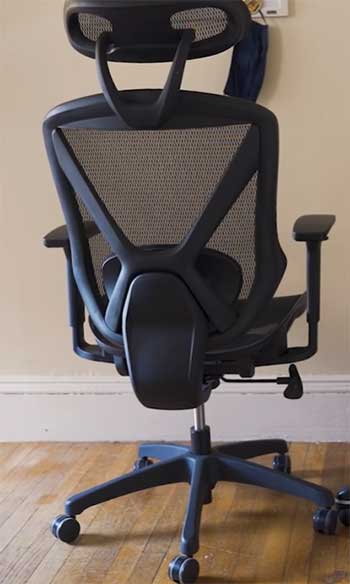
- Ventilated Mesh Construction: Similar to the Hyken, but the mesh here feels a tad more robust and covers a wider area. I appreciated the cooling effect during extended gaming sessions—yes, I tested it beyond work! The seat is flat rather than contoured, which allows for more freedom in how you sit, though it might take getting used to.
- Advanced Adjustable Lumbar Support: This one protrudes a bit more, offering firmer lower back reinforcement. In my trials, it helped alleviate tension after hours of editing photos. You can fine-tune it to match your spine’s curve, which is great if you have specific back issues.
- 3-Way Adjustable Armrests: Not just height, but sometimes width and depth adjustments too, depending on the model. This versatility let me position my arms exactly where I needed them, reducing elbow strain during mouse-heavy tasks. The padding is softer, which was a welcome change from harder alternatives.
- Fully Adjustable Headrest: Height and angle tweaks make this a standout. As someone who occasionally leans back to think, I found it supportive without being intrusive. It’s ideal for taller folks, as it extends higher than the Hyken’s.
- Synchro-Tilt with Tilt Lock and Tension: The back and seat move together when reclining, promoting dynamic sitting. I adjusted the tension to my liking, and the lock kept me stable when needed. It’s smoother than basic tilts and encourages better movement throughout the day.
- Wider Seat and Depth Adjustment: At 20.16″ wide, it’s more accommodating for broader builds. The seat depth slider lets you push it out for longer legs, which I tested by simulating a taller posture—it made a noticeable difference in thigh support.
Pros of The Staples Dexley
The Dexley impressed me with its thoughtful upgrades, making it feel like a step up in many ways. Let’s detail the positives.
- Superior Adjustability: With more options for the headrest, arms, and seat depth, it’s highly customizable. I fine-tuned everything to my exact preferences, which reduced strain during varied activities. This flexibility is rare at this price, making it versatile for different users.
- Wider and Deeper Seat: The extra width provided room to cross legs or shift positions comfortably. For someone who fidgets, this was liberating. It supported my thighs better, preventing numbness on long days.
- Enhanced Lumbar Support: The pronounced curve offered firmer back relief than the Hyken. I felt it cradling my spine, which helped with posture correction. After adjustments, it became my favorite for extended reading or writing.
- Breathable and Cooling Mesh: Airflow is top-notch, keeping me dry even in warmer rooms. The material feels durable, and I didn’t notice immediate wear. This feature shone during summer work marathons.
- Smooth Synchro-Tilt: The linked back-and-seat movement felt natural and encouraged dynamic sitting. I could recline slightly while typing without losing stability, improving my overall flow.
- Sturdy Build for Taller Users: At 5’8″, I had room to spare, but simulating taller heights showed its strength. The higher headrest adjustment is a boon for those over 5’10”, providing full neck coverage.
Also Read: My Experience With Crandall Office Furniture.
Cons of The Staples Dexley
Despite its appeals, the Dexley isn’t without faults. I ran into a few during my tests.
- Mesh Durability Concerns: The seat mesh can pull away from the frame after 2-3 years. Mine held up initially, but I worried about long-term integrity based on patterns I’ve seen. This could lead to sagging or repairs.
- Prominent Lumbar Protrusion: For some body types, it sticks out too much, causing pressure rather than support. I had to adjust frequently at first, and slimmer users might find it overwhelming.
- Higher Minimum Seat Height: At the lowest setting, it was a bit tall for shorter legs. My feet didn’t flat-foot easily, requiring a footrest. This might frustrate petite individuals.
- Headrest Slack: The material sometimes felt loose, reducing firmness. While adjustable, it didn’t always hold position perfectly, leading to minor annoyances during use.
- Wider Design May Be Too Roomy: For average builds, the extra space felt loose, potentially lacking snug support. I crossed legs to compensate, but it wasn’t ideal for everyone.
- Moderate Recline Limit: It doesn’t lean as far back as some prefer for full relaxation. If you like deep tilts, this could disappoint during breaks.
Elaborating, these cons surfaced over time. The lumbar issue took a week to adapt to, and I imagined taller users faring better. Durability worries made me cautious about heavy use. Adding a footrest solved the height problem, but it’s an extra step. Overall, they’re not catastrophic, but consider your height and habits.
Which One Should You Choose?
It boils down to you. If average height and budget-focused, go Hyken—it’s reliable. Taller or needing tweaks? Dexley.
I alternated, preferring Hyken for simplicity, Dexley for comfort. Consider trying in-store.
Final Thoughts
Wrapping this up, I’ve shared my hands-on take on the Staples Hyken and Dexley, from their cooling meshes to adjustable supports, all to guide your choice. You deserve a chair that boosts your day, whether tackling projects or unwinding.
Based on my tests, both deliver value, but pick what aligns with your build and habits—you’ll thank yourself later.